1. California

California shows up first because it has been underbuilding homes for decades relative to population and job growth. Coastal metros like Los Angeles, San Diego, and the Bay Area face extreme zoning limits and long approval timelines. Even inland regions haven’t kept pace with demand as people get priced out of coastal cities. The result is a statewide shortage that pushes prices and rents higher almost everywhere.
What makes California especially strained is the gap between high-paying jobs and available housing nearby. Tech and entertainment hubs continue to add workers without adding enough homes. Wildfires and insurance pullbacks have also removed housing from the market in some areas. All of this compounds a shortage that was already severe.
2. New York

New York’s housing shortage is most visible in New York City, but it extends well beyond the five boroughs. Suburban counties on Long Island and in the Hudson Valley have restrictive zoning that limits new construction. Multifamily housing is particularly hard to build in many communities. This keeps supply tight even as demand stays strong.
The state’s older housing stock also plays a role. Many units are aging, rent-regulated, or in need of major repairs, which limits turnover. Population losses upstate haven’t offset demand downstate. As a result, prices and rents remain elevated despite broader demographic shifts.
3. New Jersey
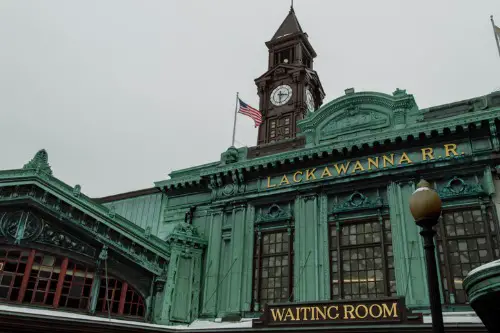
New Jersey is included because it sits between two massive job centers, New York City and Philadelphia. Commuter demand is intense, but local zoning often favors single-family homes over apartments. That limits density near transit where it’s most needed. The shortage shows up in fast-rising rents across northern and central parts of the state.
Land availability is another constraint. New Jersey is one of the most densely populated states in the country, leaving fewer easy places to build. Environmental protections and local opposition can further slow projects. The pressure builds as more residents compete for limited housing.
4. Massachusetts
Massachusetts has a long-standing housing shortage centered around Greater Boston. The region adds jobs faster than it adds homes, especially in life sciences, education, and tech. Many suburbs restrict multifamily development near commuter rail stations. That keeps supply tight even in places designed for growth.
High construction costs worsen the issue. Older infrastructure and small lot sizes make building more expensive. Student populations and short-term rentals also compete with long-term housing needs. Together, these factors push prices upward across much of the state.
5. Florida
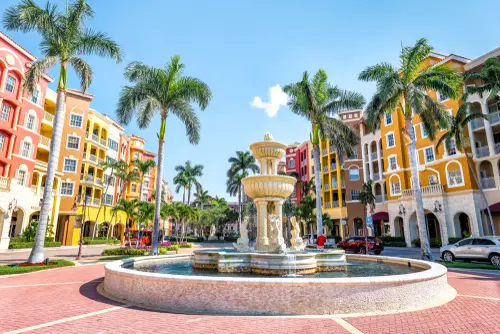
Florida’s housing shortage has accelerated rapidly over the past few years. Population growth from domestic migration has surged, especially in metro areas like Miami, Tampa, and Orlando. Builders have struggled to keep up with the influx of new residents. Rental markets tightened quickly as a result.
Insurance costs and climate risks add another layer. Some homes are becoming uninsurable or too expensive to maintain, shrinking usable supply. Construction has increased, but not evenly across income levels. Entry-level and workforce housing remain especially scarce.
6. Texas

Texas appears on this list despite its reputation for building a lot of housing. The state adds more people each year than almost any other, driven by job growth and lower taxes. Cities like Austin, Dallas, and Houston have seen demand surge faster than supply. Even strong construction hasn’t fully closed the gap.
Zoning is looser than in many states, but infrastructure and labor shortages slow projects. Starter homes are particularly hard to find. Prices rose sharply during the pandemic and haven’t fully come down. This signals an ongoing imbalance between supply and demand.
7. Arizona

Arizona’s shortage is closely tied to rapid growth in Phoenix and surrounding cities. Migration from California and other high-cost states has boosted demand. Builders increased production, but land, water, and labor constraints limit how fast they can go. The result is a persistently tight market.
Water availability is a growing concern. Long-term uncertainty around the Colorado River affects future development plans. Rising construction costs also push new homes toward higher price points. That leaves fewer options for middle-income buyers and renters.
8. Colorado
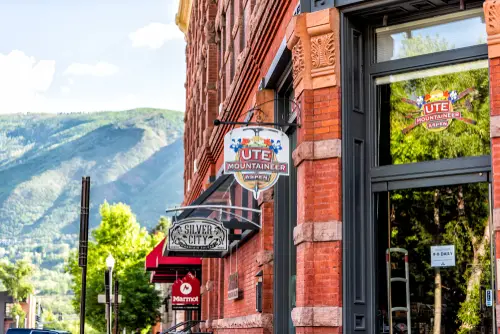
Colorado has struggled with housing supply for years, especially along the Front Range. Denver, Boulder, and Fort Collins attract workers with high-quality jobs and outdoor amenities. Local opposition to density has slowed new development. This keeps vacancy rates low and prices high.
Geography plays a role too. Mountains and protected land restrict where building can occur. Construction costs are higher than the national average. Even smaller cities now feel the crunch as people move outward. The shortage has become a statewide issue.
9. Washington
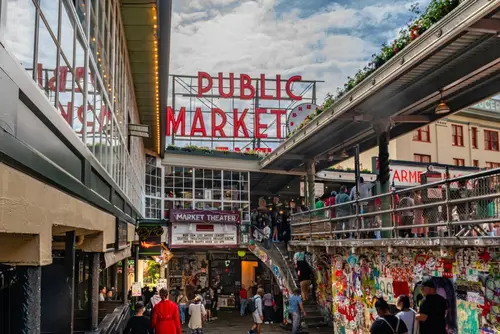
Washington’s housing shortage is anchored in the Seattle metro area. Tech-driven job growth has far outpaced housing construction for years. Zoning rules in many neighborhoods limit apartments and townhomes. That concentrates growth into a small number of areas.
The shortage spreads beyond Seattle into Tacoma, Everett, and smaller cities. Long permitting timelines slow down new supply. Construction costs and impact fees add to final prices. Renters and buyers feel the pressure across the region.
10. Oregon
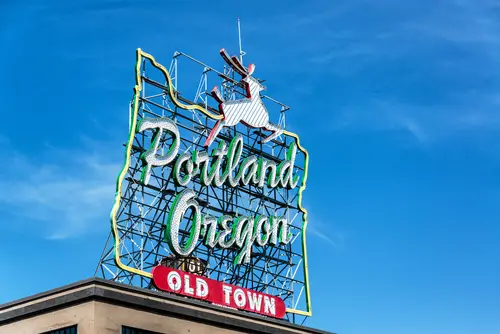
Oregon faces a housing shortage driven by growth in Portland and other urban centers. The state has made efforts to legalize more housing types, but results take time. Years of underbuilding created a backlog that’s hard to reverse quickly. Vacancy rates remain low in many markets.
Land-use planning limits sprawl, which focuses demand inward. That can raise prices when density doesn’t increase fast enough. Rural areas often lack resources to build at scale. Together, these factors keep supply constrained.
11. Utah
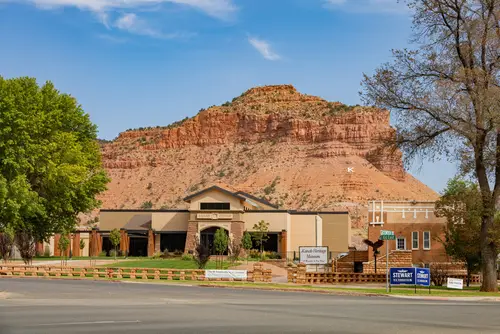
Utah’s housing shortage is tied to rapid population growth and large family sizes. The Salt Lake City metro has added jobs and residents faster than housing units. New construction has increased, but affordability hasn’t improved much. Entry-level homes are especially scarce.
Geography limits expansion along the Wasatch Front. Mountains and protected land narrow the buildable area. Infrastructure expansion takes time and money. These constraints keep pressure on existing housing stock.
12. Nevada

Nevada rounds out the list due to intense pressure in Las Vegas and Reno. Population growth and investor activity have tightened the housing market. Builders face land constraints managed by federal agencies. That limits how quickly supply can respond.
Construction costs and labor shortages also slow development. Many new units target higher-end buyers or renters. Meanwhile, service workers struggle to find affordable options. The imbalance makes the shortage particularly visible in fast-growing metros.
13. North Carolina
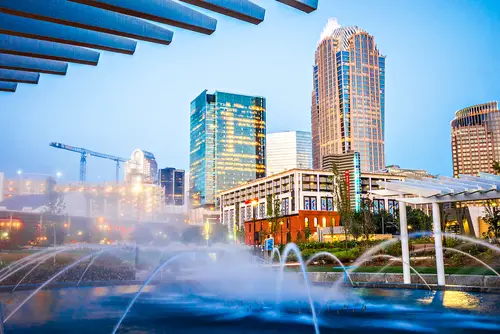
North Carolina is feeling housing pressure early because of rapid job and population growth in key metro areas. Cities like Raleigh, Durham, Charlotte, and Asheville have attracted workers from higher-cost states. Housing construction has increased, but it has not kept pace with demand. This has tightened inventories and pushed prices higher across much of the state.
The shortage is especially visible in rental markets. New arrivals often compete for a limited number of apartments near job centers. Zoning rules in suburban areas still limit density in many places. As growth continues, the supply gap is becoming harder to ignore.
14. Georgia
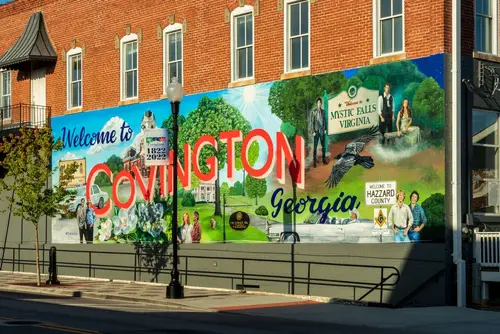
Georgia’s housing shortage is concentrated around the Atlanta metro area. The region continues to add jobs in logistics, technology, and film production. Population growth has outpaced homebuilding in many suburban counties. This has led to rising prices and shrinking affordability.
Infrastructure and transportation shape where housing can be built. Many communities resist denser development near transit corridors. Construction costs have also risen faster than incomes. These factors combine to keep supply tight even as demand grows.
15. Tennessee

Tennessee appears on this list due to intense growth in Nashville and surrounding areas. The city’s popularity has surged, bringing new residents faster than housing can be delivered. Builders have responded, but land and labor constraints slow progress. The imbalance shows up in both home prices and rents.
Smaller cities are now feeling spillover effects. As Nashville becomes less affordable, buyers move farther out. Local zoning often favors lower-density housing. This spreads the shortage across a wider region of the state.
16. Idaho
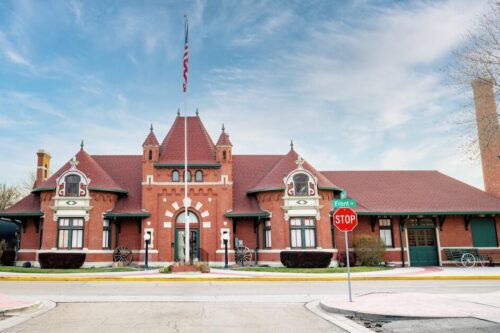
Idaho has seen one of the fastest housing crunches relative to its size. Boise and nearby cities attracted remote workers and migrants from the West Coast. Housing supply was limited even before the population surge began. The result was rapid price growth and low vacancy rates.
New construction has ramped up, but affordability has not recovered. Many new homes are priced above local wage levels. Infrastructure expansion lags behind development needs. These pressures make the shortage especially acute for long-term residents.
17. Montana
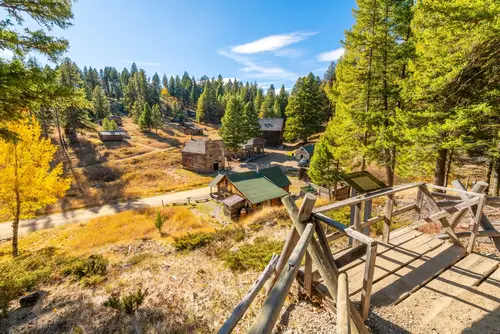
Montana’s housing shortage is tied to migration into smaller metro areas. Cities like Bozeman, Missoula, and Kalispell saw demand spike quickly. Local housing markets were not built to absorb that level of growth. Supply constraints pushed prices sharply higher.
Geography and seasonal construction limit how fast homes can be added. Many communities also face workforce shortages in construction trades. Short-term rentals reduce long-term availability in some areas. Together, these factors strain already small housing markets.
18. South Carolina

South Carolina is experiencing early housing stress in fast-growing coastal and inland metros. Charleston, Greenville, and Columbia have added residents at a steady pace. Homebuilding has increased, but demand remains stronger than supply. This has tightened inventories statewide.
Coastal development faces environmental and zoning limits. Insurance costs and flood risks also affect housing availability. Inland areas see rising demand from retirees and remote workers. These trends keep pressure on prices and rents.
19. Virginia
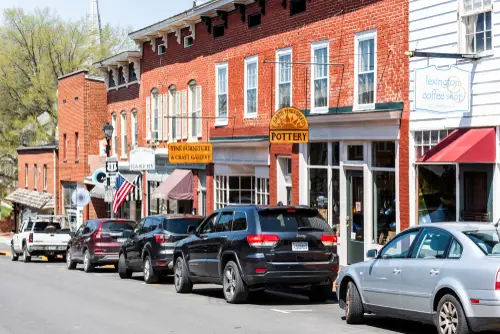
Virginia’s housing shortage is closely tied to job growth in Northern Virginia. Proximity to Washington, D.C. creates sustained demand for housing. Zoning restrictions limit multifamily construction in many suburbs. This keeps supply tight despite steady building activity.
The shortage extends into Richmond and Hampton Roads. Military, government, and tech jobs anchor demand. Infrastructure upgrades take time to support new housing. As a result, affordability challenges are spreading across the state.
20. Maryland
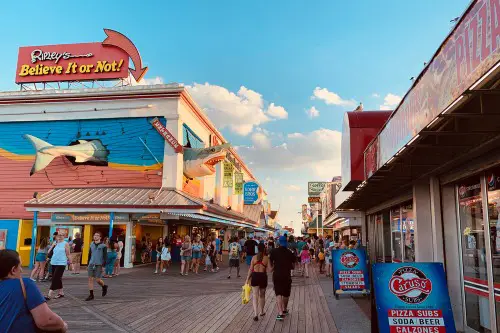
Maryland faces housing constraints driven by demand near major employment hubs. Areas around Washington, D.C. and Baltimore see consistent pressure. New housing often lags behind job and population growth. This keeps vacancy rates low in many counties.
Local land-use policies limit density near transit in some regions. Aging housing stock also reduces turnover. Construction costs push new units toward higher price points. These factors reinforce an ongoing supply shortage.
21. Pennsylvania
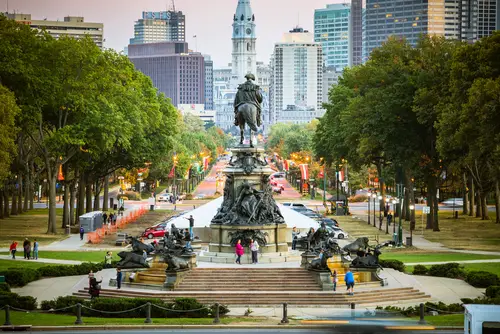
Pennsylvania’s housing shortage is uneven but growing more visible. Philadelphia and its suburbs have seen renewed population and job growth. Housing construction has not fully caught up after years of underbuilding. This tightens supply in high-demand neighborhoods.
Older housing stock presents challenges across the state. Many homes require significant repairs or modernization. Zoning and permitting vary widely by municipality. These inconsistencies make it harder to respond quickly to rising demand.
22. Minnesota

Minnesota rounds out the list due to pressure in the Twin Cities metro area. Minneapolis and St. Paul have added jobs faster than housing units. Recent policy changes aim to increase density, but results take time. In the meantime, supply remains constrained.
Suburban growth faces infrastructure and zoning hurdles. Construction costs and labor shortages slow new projects. Rental markets are especially tight near employment centers. These conditions signal an early and persistent housing shortage.
This post The American Housing Shortage Is Hitting These States First was first published on American Charm.