
1. Drive-In Movie Theaters
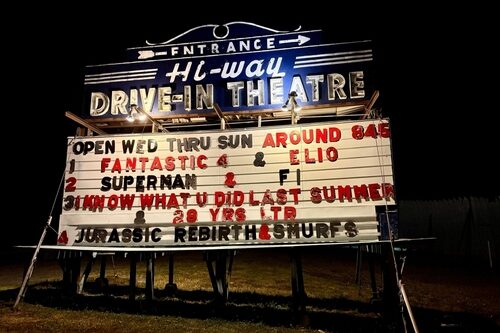
Once the quintessential weekend escape, drive-in movie theaters were a staple of American summer nights. Families piled into cars with blankets and snacks, watching films under the stars. The charm was in the simplicity, the ability to enjoy cinema in your own little world. But over the decades, rising real estate costs and the dominance of multiplexes and streaming services have made them increasingly rare.
Now, only a handful of drive-ins remain open, mostly as nostalgia projects rather than thriving businesses. The social energy of neighbors chatting in parking lots has largely faded. Movies at home on big screens or laptops simply don’t require leaving the house. What was once a cultural ritual is now a weekend novelty.
2. Roller Rinks
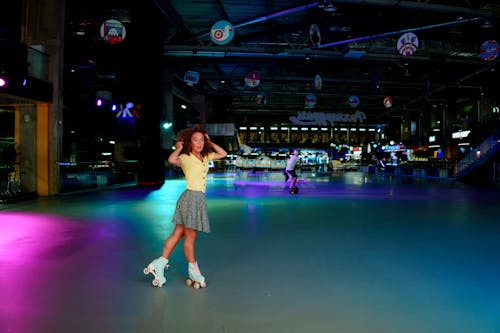
Roller skating rinks were once the heartbeat of local youth culture, with Saturday nights full of music, disco lights, and a sense of freedom. Kids and teenagers would practice tricks and meet friends in an environment that felt exciting yet safe. There was a communal rhythm to skating, almost like a social dance everyone knew. They even served as informal stages for fashion and style trends in the ’70s and ’80s.
Today, roller rinks struggle to stay afloat. Many have closed due to declining attendance, competition from gyms and entertainment apps, and safety concerns. What remains tends to attract niche audiences rather than bustling crowds. The magic of seeing a packed rink alive with energy has quietly dimmed.
3. The American Road Trip
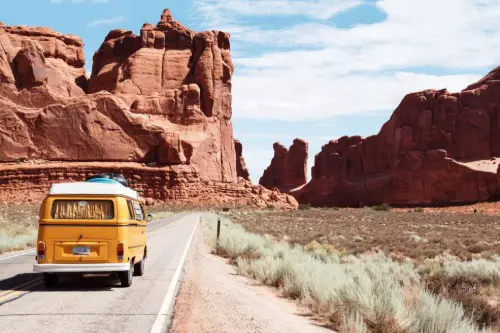
The classic road trip—windows down, mixtapes rolling, diners and motels along the way—once symbolized freedom and discovery. Families and friends would plan routes just for the thrill of hitting small towns and roadside attractions. It wasn’t just about the destination but the journey itself. There was a spontaneity that made every mile feel like an adventure.
Now, road trips feel more like logistical exercises than adventures. GPS apps, online reviews, and pre-booked accommodations leave little room for surprises. The charm of discovering an unexpected local diner or quirky roadside museum has faded. Streaming music and podcasts in private cars also replace the shared soundtrack of collective excitement.
4. Arcades
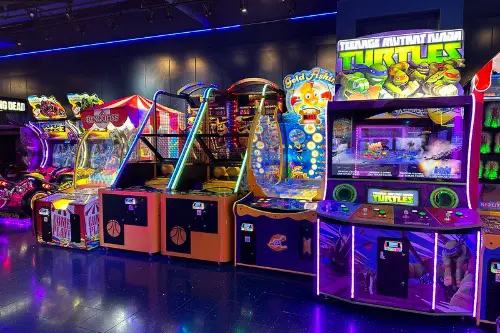
Arcades were temples of beeping lights, joystick battles, and friendly competition. Teenagers spent hours saving quarters to master pinball machines or the latest fighting game. They offered a social environment that online gaming could never replicate. Every high score felt like a badge of honor in a public space.
Today, arcades exist mostly inside malls or as retro-themed bars. Casual mobile games and home consoles have replaced the need to go out for a gaming fix. The sense of public triumph over a machine has largely disappeared. What was once a hub of excitement now survives as a niche hobby.
5. Soda Fountains
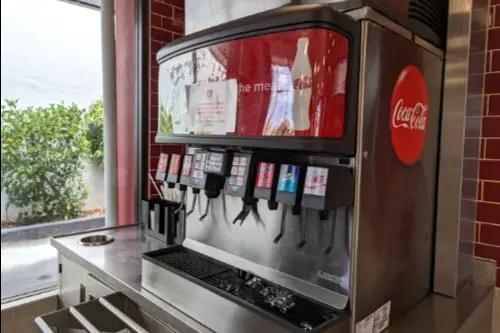
Soda fountains once defined corner drugstores and diners, offering ice cream floats, sundaes, and a gathering place for local teens. They were casual social hubs where communities could meet and chat. The ritual of waiting for your soda to be hand-poured had a comforting rhythm. It was less about the drink and more about the shared experience.
Fast food chains and coffee shops slowly replaced the intimate, counter-service feel of soda fountains. Franchises standardized menus, stripping away the local charm. Many historic fountains closed quietly, leaving only memories of their heyday. The simple pleasure of a hand-mixed root beer float is now hard to find.
6. County Fairs
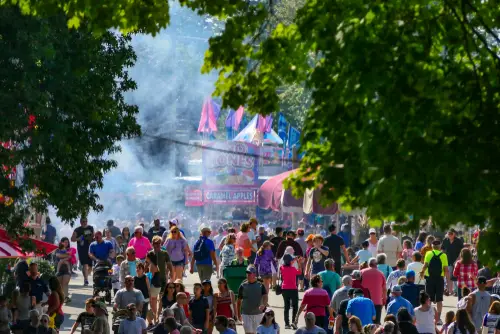
County fairs were once epicenters of local culture, from livestock shows to carnival rides and pie contests. Families would plan summer weekends around them, taking pride in their community’s traditions. The fairs had a unique blend of excitement, education, and nostalgia. Every corner had a story or a quirky attraction.
In recent years, fairs have become smaller or more commercialized. Safety regulations, costs, and competing entertainment options have reduced the old charm. Giant corporations often replace local vendors, diluting the community feel. The lively, homegrown spirit that made them special is slowly fading.
7. Ice Cream Trucks
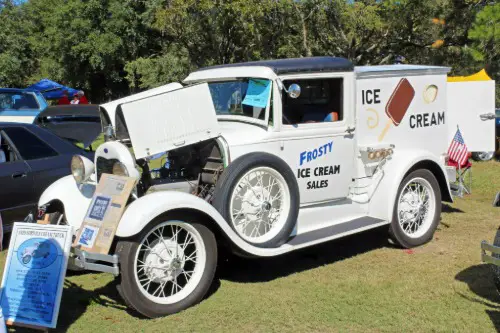
Few things said summer like the jingling tune of an ice cream truck rolling down your street. Kids would run barefoot across lawns, clutching coins, anticipating the rainbow of frozen treats. The experience was as much about the chase and the social moment as the ice cream itself. It created a shared memory for an entire neighborhood.
Now, ice cream trucks are rarer, often replaced by grocery store freezers or convenience stores. Rising costs, safety regulations, and competition from chains have limited their presence. The spontaneous excitement of spotting a truck in your neighborhood is hard to recreate. The nostalgic magic of summer afternoons has quietly dissipated.
8. Public Swimming Pools
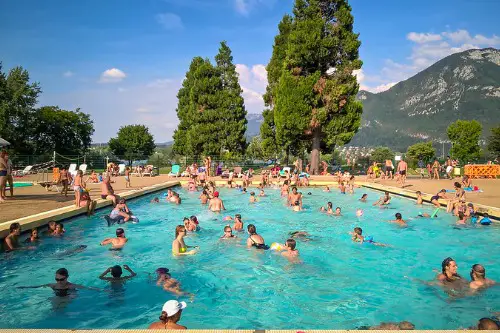
Local public pools were summer sanctuaries for kids learning to swim and families seeking relief from the heat. They offered a place to socialize, play games, and connect with neighbors. Lifeguards, dive boards, and swim lessons created an accessible environment for fun and safety. They were community anchors in many towns.
However, budget cuts, maintenance costs, and private club pools have reduced their prevalence. Many historic pools have closed or fallen into disrepair. Public access to swimming became limited, especially in urban areas. The casual joy of diving in with friends under the sun is now less common.
9. Classic Diners
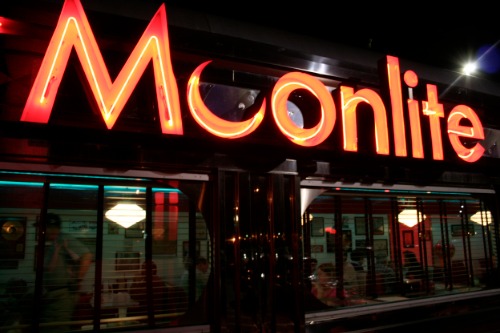
Classic diners once lined highways and city streets, with neon signs and counter stools offering affordable comfort food. They were meeting points for night owls, travelers, and locals alike. The atmosphere encouraged conversation, laughter, and the feeling of a temporary home. Each diner had a personality that reflected its neighborhood.
Chain restaurants and fast-food franchises gradually replaced them. Standardized menus and sterile interiors stripped away the character diners once had. Many iconic locations shut down quietly without much fanfare. The intimate, quirky, and community-driven experience has become increasingly rare.
10. Drive-Thru Banks

Drive-thru banks were a convenience revolution when they first appeared, combining speed with the personal touch of a teller. Busy parents, commuters, and anyone on the go could handle banking without stepping out of their car. It blended efficiency with the face-to-face human connection that ATMs lacked.
Now, online banking and mobile apps have rendered them nearly obsolete. The physical presence of tellers is dwindling, and some drive-thrus have closed. People rarely experience the casual interaction that once came with depositing a check through a window. Banking has become functional, fast, but far less human.
11. Neighborhood Block Parties
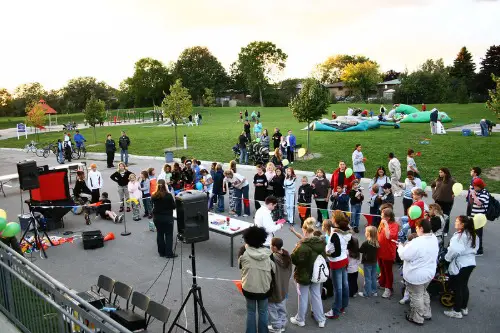
Neighborhood block parties once brought entire streets together for potlucks, games, and music. They created a sense of belonging and shared responsibility for community joy. Kids ran freely while adults chatted and swapped recipes, cultivating friendships over years. It was a seasonal ritual that felt sacred in its simplicity.
Today, block parties have declined due to busy schedules, insurance concerns, and stricter city regulations. Many streets never see neighbors gathering outside beyond holiday greetings. Social media groups sometimes replace face-to-face interactions. The warmth and spontaneity of shared, physical celebration have quietly dwindled.
This post The American Experiences That Quietly Lost Their Spark was first published on American Charm.

