
1. The Tip Screen That Decides for You
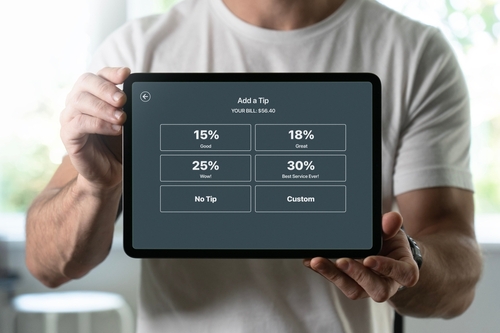
The moment you tap your card, the screen swivels around and suddenly you’re choosing between 20, 25, or 30 percent. This didn’t come with a memo, but default tip percentages quietly climbed over the last decade. Many point-of-sale systems now preselect higher options, even for counter service. It changed the social pressure of paying without ever changing the law.
This made the act of tipping feel less voluntary and more like a test of character. Customers often feel watched, even when no one says a word. Workers rely on these defaults because base wages in tipped jobs remain low. That combination is why this experience belongs on the list.
2. Hotel Housekeeping Becoming “By Request”

For decades, you could assume your hotel room would be cleaned daily. After 2020, many hotels quietly shifted to housekeeping only if you ask. Signs appeared in elevators, not announcements in booking confirmations. What used to be automatic became optional overnight.
This change affects expectations, pricing, and even tipping habits. Guests still pay similar rates but receive fewer services by default. Staff levels were reduced, and many hotels never restored them. That permanent reset makes this more than a temporary pandemic quirk.
3. Paying Extra to Choose Your Airline Seat
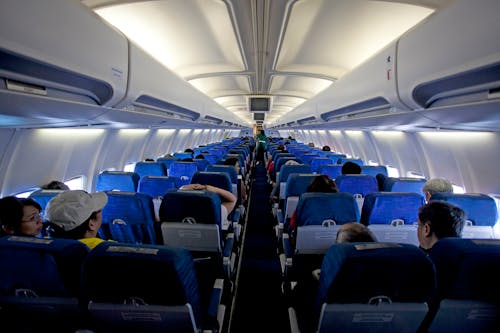
Air travel used to include a seat assignment as part of the ticket. Now, many airlines charge extra just to avoid the middle seat. The fee crept in gradually, airline by airline, without a single industry-wide announcement. What’s included in “the fare” quietly shrank.
This matters because it redefined what a basic ticket means. Families notice it when they try to sit together. Business travelers notice it when expense policies lag behind reality. It fundamentally changed the flying experience while keeping the same name.
4. Talking to a Bot Before a Human
Calling customer service once meant waiting on hold for a person. Today, you usually start with a chatbot or automated assistant. Companies framed it as convenience, not replacement. The human option still exists, but it’s buried.
This shift changed how problems get solved. Simple issues are faster, but complex ones take longer than before. Customers must now learn the system to escape it. That quiet transfer of labor from company to consumer is why it counts.
5. Bank Branches Slowly Disappearing
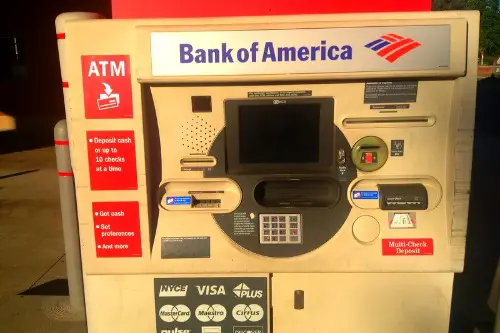
There was a time when every neighborhood had a bank branch. Over the past 15 years, thousands have closed without much fanfare. Customers were nudged toward apps and ATMs instead of being formally told. The closure notices often came taped to the door.
This altered how people handle cash and personal banking questions. Older customers and small businesses felt it first. In-person relationships with tellers and managers quietly faded. The banking experience became more transactional without ever being declared so.
6. Free Checked Bags Becoming Rare
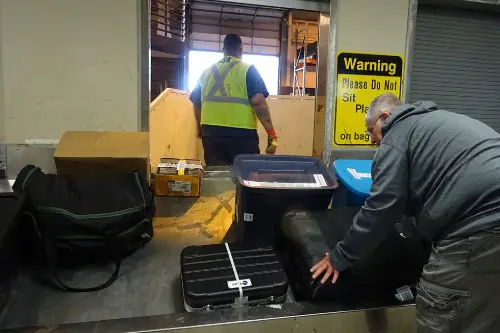
Checking a bag used to be part of flying economy class. Gradually, airlines introduced bag fees, starting with a few carriers and spreading across the industry. There was no single moment when it changed for everyone. Passengers just noticed the receipt getting longer.
This pushed travelers to pack differently and board planes earlier. Overhead bins became competitive real estate. The stress of travel increased in small but noticeable ways. It’s a clear example of less being included for the same base experience.
7. Retail Stores Becoming Return Gatekeepers
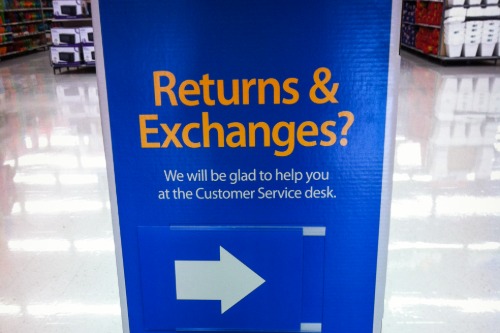
Returning an item once meant a receipt and a quick refund. Now, many retailers track returns by customer and can deny them without explanation. The policy is usually buried online, not posted at the counter. Shoppers often find out only after being refused.
This changed the trust dynamic between stores and customers. People hesitate before buying clothes or gifts. Algorithms quietly decide who is “risky.” That invisible judgment is a major shift in how retail works.
8. Streaming Services Raising Prices Without Upgrades
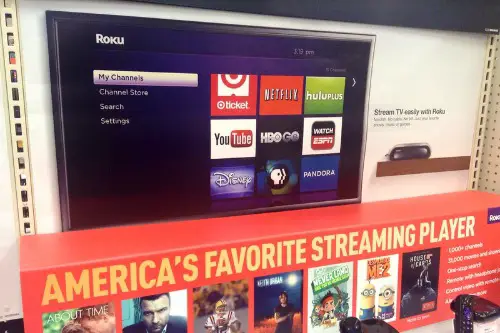
Streaming started as a cheaper alternative to cable. Over time, prices rose a dollar or two at a time, usually announced by email. The content libraries didn’t always grow at the same pace. The change felt gradual, not dramatic.
This altered how households budget for entertainment. Multiple subscriptions became normal, then expensive. People now rotate services instead of keeping them all. The experience changed while keeping the promise of convenience.
9. Restaurant Menus Shrinking While Prices Rise
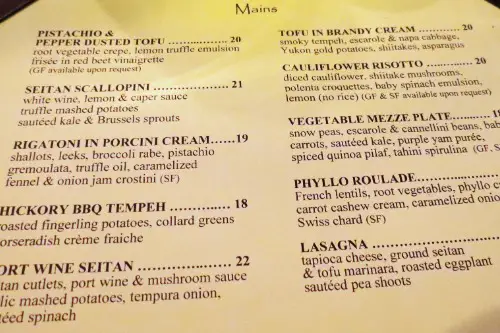
Many restaurants quietly reduced portion sizes or removed items. The menu still looks familiar, but something feels missing. Inflation explanations came later, if at all. Regular customers noticed before new ones did.
This reshaped dining expectations. Value became harder to judge at a glance. Restaurants adapted to rising costs without rewriting the whole model. The experience changed bite by bite rather than headline by headline.
10. School Communication Moving Almost Entirely Online
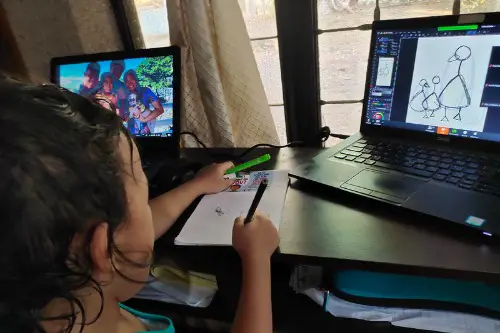
Schools once relied on paper flyers and backpack mail. Now, information lives in apps, portals, and automated emails. The shift happened district by district, year by year. There was no universal announcement that paper was done.
This changed how parents stay informed. Those who miss a notification can miss an event or deadline. Teachers spend more time managing platforms. The school experience became digitally dependent without being formally declared so.
11. Public Spaces Becoming Quietly Surveillance-Heavy
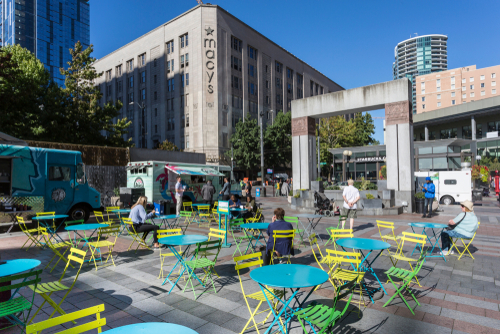
Security cameras used to be notable additions. Now, they’re expected in stores, apartments, and parking lots. The increase happened incrementally, often justified by safety or insurance. Most people stopped noticing when new ones appeared.
This changed how privacy feels in everyday life. Behavior adjusts even when no one is watching live. Footage is stored, shared, and reviewed more often than people realize. That unannounced shift makes it one of the most consequential changes of all.
This post The American Experiences That Changed Without Announcement was first published on American Charm.

