
1. The On-Site Movie Theater
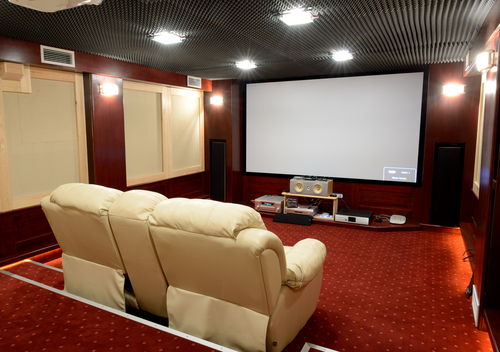
Some active adult communities feature small, private movie theaters with tiered seating. It’s easy to imagine weekly film nights without leaving the neighborhood. Streaming services like Netflix and Hulu have changed viewing habits dramatically in the past decade. Many retirees find they prefer watching new releases from the comfort of their own couch.
Scheduling, limited film selections, and fixed showtimes can reduce the appeal. At home, viewers can pause for snacks or adjust the volume freely. Attendance at community screenings may dwindle after the initial novelty fades. The theater becomes an occasional treat rather than a routine outing.
2. The Olympic-Style Swimming Pool

That sparkling, resort-style pool in the retirement community looks like a daily luxury. It’s easy to imagine swimming laps every morning and lounging poolside with neighbors in the afternoon. In practice, lap swimming requires consistency and energy that not everyone maintains year-round. Cooler mornings, crowded lanes, or simple inertia can cut those plans short.
Maintenance is another reality check, especially for those with private pools. Heating, cleaning, and repairs can cost thousands annually depending on location and usage. Some retirees realize they prefer a short walk or an indoor treadmill to managing pool logistics. The pool becomes more of a scenic backdrop than a daily habit.
3. The Fully Equipped Home Gym
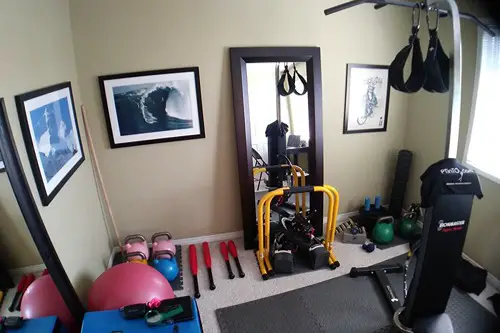
A dedicated home gym sounds like the ultimate convenience. No commute, no waiting for machines, and total privacy. Equipment like treadmills and weight systems can cost several thousand dollars upfront. Yet many retirees find their motivation fades without the social structure of a class or training partner.
Without scheduled sessions or a trainer, it’s easy for equipment to gather dust. Large machines also take up valuable square footage that could serve another purpose. Some retirees eventually downsize their setup to a few hand weights and resistance bands. The elaborate gym they once envisioned turns into an expensive storage room.
4. The Community Clubhouse

Clubhouses often serve as the social heart of 55-plus communities. They promise card nights, dances, lectures, and hobby groups all under one roof. At first glance, it feels like built-in friendship and entertainment. In reality, not every retiree connects with the scheduled activities or the established social circles.
Some people discover they prefer smaller gatherings or long-standing friendships outside the community. Others feel overscheduled by organized events and crave quieter time instead. Annual HOA fees help fund these amenities whether residents use them or not. Over time, the clubhouse may become a place they pass by rather than participate in.
5. The RV for Cross-Country Travel
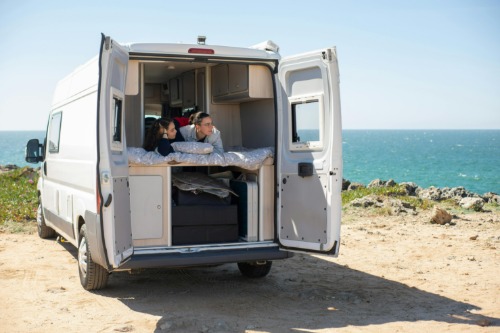
The open road calls to many new retirees. Buying a recreational vehicle seems like the perfect way to explore national parks and visit family on a flexible schedule. A new motorhome can cost anywhere from tens of thousands to well over $100,000, depending on size and features. That’s before factoring in insurance, maintenance, and campground fees.
Driving and maintaining a large vehicle can also be more stressful than anticipated. Fuel costs add up quickly, especially for long-distance trips. Some retirees find they prefer flying to a destination and staying in a hotel. The RV that symbolized freedom can end up parked in the driveway most of the year.
6. The Tennis or Pickleball Courts
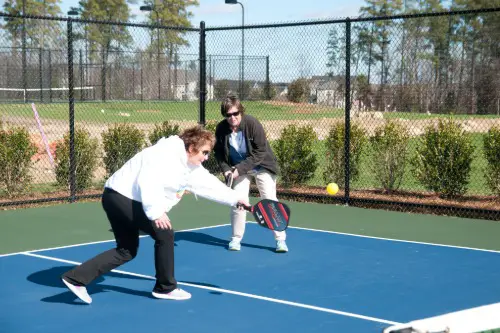
Communities increasingly advertise tennis and pickleball courts as must-have amenities. The sport’s popularity, especially pickleball, has surged across the United States in recent years. It looks like a fun, social way to stay active and competitive. But regular play requires coordination, stamina, and partners with similar schedules and skill levels.
Minor injuries, such as strained shoulders or sore knees, can sideline players for weeks. Court availability during peak hours may also be limited. Some retirees try it enthusiastically at first but taper off after a season. The courts remain busy, just not necessarily with the same people who imagined daily matches.
7. The Gourmet Demonstration Kitchen
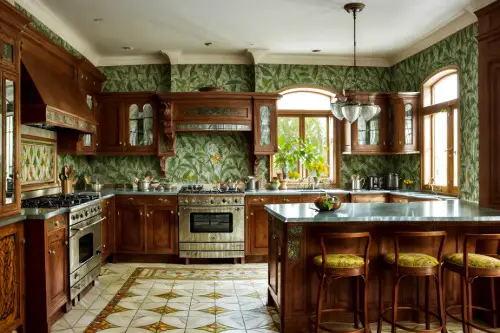
Upscale retirement communities sometimes feature shared gourmet kitchens for cooking classes and events. Stainless steel appliances and spacious islands create a sense of culinary adventure. Many retirees picture themselves hosting elaborate dinners or finally mastering complex recipes. In practice, coordinating group events can be more work than expected.
At home, simpler meals often win out for convenience and health reasons. Cleaning up after large gatherings can feel more tiring than fun. Some residents attend a few classes and then stop going regularly. The professional-grade kitchen becomes more of a showpiece than a staple.
8. The Private Library or Reading Room

A quiet, well-appointed library sounds like a dream for lifelong readers. Comfortable chairs, good lighting, and shelves of books promise peaceful afternoons. Yet many retirees now read on tablets or e-readers instead of physical books. Digital borrowing through local library apps has become common and convenient.
As a result, the shared reading room may sit mostly empty. Some people prefer reading at home with a cup of coffee and their own blanket. Others stay busy with travel, volunteering, or family visits that crowd out long reading sessions. The library remains lovely, but lightly used.
9. The Large Formal Dining Room
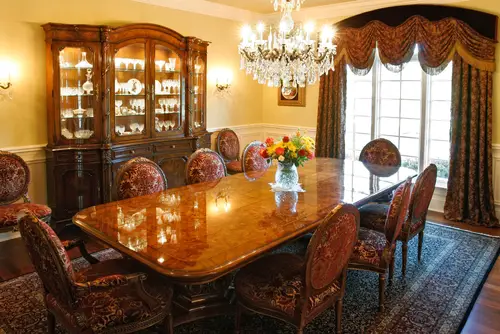
When designing a retirement home, many people insist on a formal dining room. It represents holiday gatherings, dinner parties, and a house full of family. Once retirement arrives, however, entertaining often becomes more casual and less frequent. Adult children may live in different states, making big dinners rare.
Daily meals typically happen at the kitchen table or even in front of the television. Heating and furnishing a rarely used room can feel inefficient. Some retirees eventually repurpose the space as an office or hobby area. The elegant dining set becomes more symbolic than functional.
10. The Golf Course Membership

Many retirees picture themselves spending long, sunny afternoons perfecting their swing and making new friends at the club. Golf communities in places like Scottsdale and Naples are practically built on that dream. But once retirement settles in, the reality of tee times, greens fees, and the physical strain of walking 18 holes can feel different. A lot of people discover they enjoy the idea of golf more than the weekly commitment.
There’s also the time factor, which surprises people. When every day is Saturday, there’s less urgency to book a standing game. Add in hot weather, travel plans, or minor aches and pains, and those monthly dues can start to sting. Many retirees end up playing only a handful of times a year, far less than they anticipated.
11. The Oversized Guest Suite
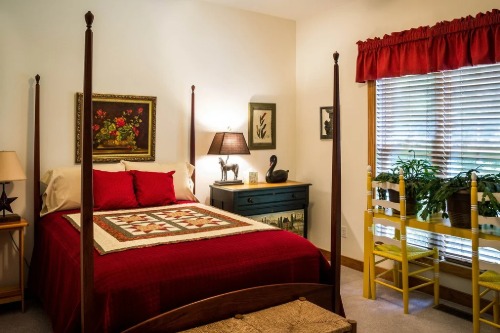
When retiring, it’s common to plan for frequent visits from children and grandchildren. That often means dedicating a large, well-furnished guest suite to overnight stays. The idea is heartwarming and rooted in optimism about family time. In reality, busy work schedules and school calendars limit how often extended visits happen.
For much of the year, that extra bedroom sits unused. Heating, cooling, and cleaning the space still add to household costs. Some retirees realize a smaller home with a pullout sofa would have worked just as well. The spacious guest suite turns into a rarely occupied luxury.
This post The Amenities Retirees Thought They’d Use — But Don’t was first published on American Charm.

