
1. The Breakfast Club Made Teen Angst Mainstream
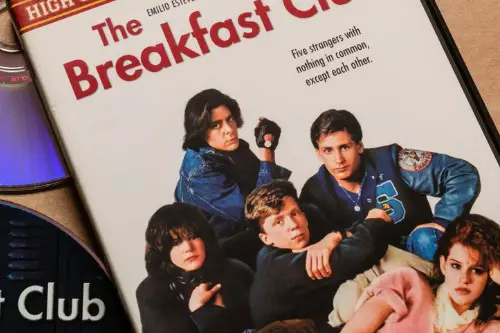
Before the 1980s, most Hollywood portrayals of teenagers were lighthearted or one-dimensional. Then came John Hughes, whose 1985 film The Breakfast Club treated teen struggles with real emotional weight. It showed that kids from different cliques had more in common than they realized, sparking empathy across high schools everywhere. The movie’s honest tone resonated so deeply that it helped create the “teen coming-of-age” genre we still see today.
By giving teenagers a voice, Hughes helped shape how young people saw themselves—and how adults saw them, too. Suddenly, adults began acknowledging that teen emotions and pressures were real and complex. The film’s success opened the door for later stories like My So-Called Life and Euphoria. It’s hard to overstate how that one Saturday detention changed pop culture forever.
2. MTV Turned Teenagers Into a Cultural Force
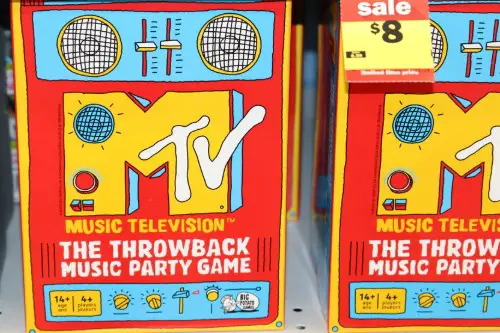
When MTV launched in 1981, it completely rewired how teens experienced music. Suddenly, songs weren’t just something you listened to—they were something you watched. Artists like Madonna and Michael Jackson mastered the art of visual storytelling, and teens devoured it all on repeat. It wasn’t long before MTV dictated fashion, slang, and even attitudes toward fame.
The network’s youth-driven focus proved that teenagers could shape the entertainment industry more than executives ever imagined. Labels began targeting their releases and aesthetics toward what appealed to the MTV crowd. Music videos became the main way artists broke out, birthing the modern idea of a “visual brand.” Even TikTok dances today trace their lineage back to those early MTV broadcasts.
3. Mall Culture Took Over Suburbia

In the 1980s, the shopping mall wasn’t just a place to buy clothes—it was where teenagers lived. With hundreds of malls popping up across suburban America, teens made them the go-to social hubs for everything from hanging out to first dates. This new “mall rat” lifestyle was immortalized in pop culture, from Fast Times at Ridgemont High to Valley Girl. What started as weekend boredom evolved into a new form of teenage consumer power that shaped retail for decades.
The rise of mall culture also redefined what it meant to be a young consumer. Teen spending suddenly became a marketing goldmine, prompting brands to chase “youth culture” in a way they never had before. It laid the groundwork for the commercialization of teen identity that persists today in online shopping and influencer culture. The mall might be dying now, but its impact on how teens socialize and shop is still everywhere.
4. Skateboarding Rolled Into the Mainstream
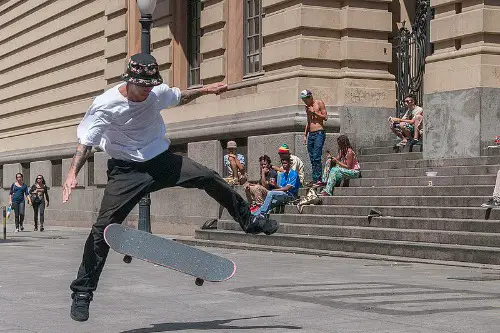
Skateboarding had been around since the ’60s, but it was the 1980s when it exploded into teen culture. California teens like Tony Hawk turned it from a fringe hobby into a defining symbol of rebellion and creativity. With the rise of skate parks, zines, and street style, skating became a way for kids to express themselves outside traditional sports. It embodied a DIY spirit that drew in artists, musicians, and outsiders alike.
This grassroots movement influenced everything from fashion to film to urban design. Brands like Vans and Thrasher became shorthand for authenticity long before that word became a marketing buzzword. Skate culture also normalized the idea of subcultures influencing the mainstream—something that later fueled grunge, punk revival, and even streetwear. What started as rolling on sidewalks became a cultural revolution on four wheels.
5. The Walkman Made Music Personal
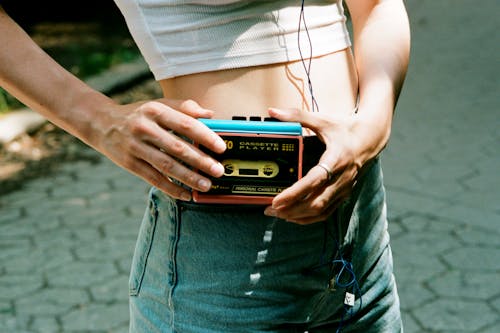
Sony’s Walkman, released in 1979, became the teenage accessory of the 1980s. For the first time, music wasn’t confined to bedrooms or cars—you could take it anywhere. Teens suddenly had a soundtrack for their lives, choosing what to hear as they walked, biked, or rode the bus. That sense of private listening made music a deeply personal identity marker.
The Walkman’s influence went way beyond convenience. It changed how people thought about solitude and focus, paving the way for today’s AirPods culture. Marketers began targeting “portable lifestyles,” recognizing that individuality could be sold through tech. Every kid with headphones in their ears was quietly shaping the future of how we consume media.
6. Aerobics and Fitness Fashion Went Viral
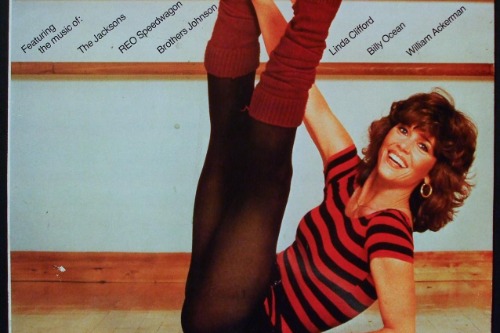
Jane Fonda may not have invented aerobics, but she certainly made it glamorous. Her VHS workout tapes turned fitness into a social craze, especially among teenage girls who wanted in on the trend. Suddenly, leggings, leotards, and sweatbands became everyday wear—even outside the gym. It was the birth of the “athleisure” aesthetic long before the word existed.
This fitness boom wasn’t just about health—it reflected a shift toward self-image and empowerment. Teens learned to see exercise as an expression of confidence, not just vanity. The trend also proved how media could make wellness aspirational through style and celebrity. Decades later, the fusion of fashion and fitness still defines what’s “cool.”
7. Video Arcades Became the Original Social Network
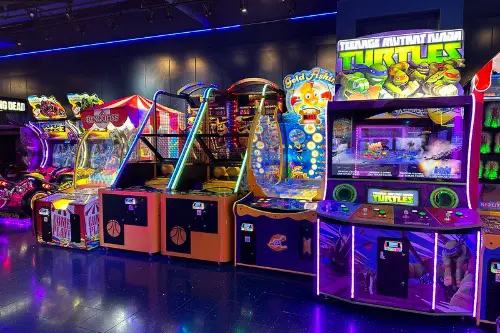
In the early ’80s, teens didn’t gather online—they gathered at the arcade. Games like Pac-Man, Donkey Kong, and Galaga turned dimly lit rooms into bustling teen hangouts. Arcades gave kids a sense of community and competition, all powered by quarters and high scores. They weren’t just about games—they were about belonging.
These spaces helped shape how young people interacted with technology and each other. They made gaming a shared experience long before multiplayer consoles or Twitch existed. The arcade also seeded the modern esports and gaming industries by proving that people would pay to watch others play. You could argue every “gamer culture” trend traces its roots back to those neon-lit halls.
8. Preppy Style Defined Teen Aspiration
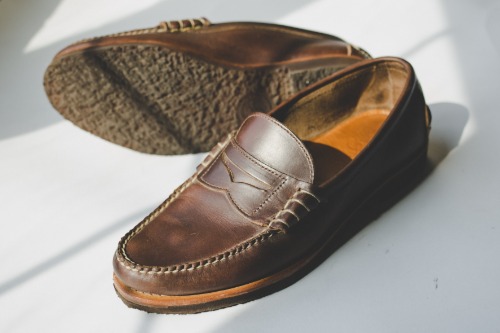
If you grew up in the 1980s, you probably knew someone obsessed with Lacoste polos and penny loafers. The “preppy” look, popularized by The Official Preppy Handbook in 1980, became a cultural shorthand for success and privilege. Teens across America mimicked the East Coast elite aesthetic, seeing it as a way to project ambition. Even kids far from prep schools adopted the look as a form of self-reinvention.
This trend had lasting effects on how class and fashion intersect in America. It made style a statement about identity and aspiration, not just taste. The clean-cut image also influenced corporate fashion and the idea of the “yuppie” in the workplace. Today’s minimalist aesthetics and “quiet luxury” brands owe a subtle debt to the 1980s prep boom.
9. Teen Movies Created the Modern Soundtrack Culture
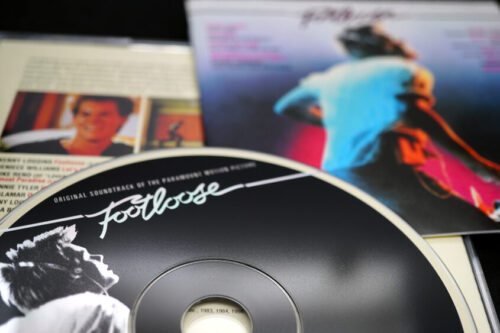
From Footloose to Dirty Dancing, ’80s teen movies made soundtracks essential to storytelling. Songs weren’t just background—they defined the movie’s emotional core. Teens rushed to buy cassette tapes to relive those cinematic moments, and music sales soared. The synergy between film and pop music became one of Hollywood’s most lucrative formulas.
This phenomenon reshaped both industries. Movie studios started choosing songs for their hit potential, while artists saw films as career boosters. The trend laid the foundation for music supervision as a respected profession. You can thank those ’80s soundtracks every time a Netflix show goes viral for a killer playlist.
10. Home Computers Turned Teens Into Tech Pioneers
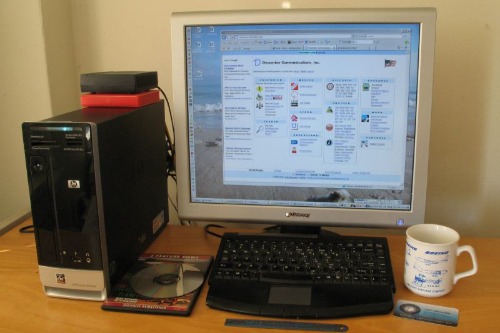
The 1980s marked the dawn of the personal computer, and many of its early adopters were teenagers. Machines like the Apple II, Commodore 64, and IBM PC became playgrounds for curious minds. Kids learned coding, gaming, and even hacking from their bedrooms, long before Silicon Valley was cool. This hands-on experimentation built the foundation for today’s tech-savvy generation.
By giving young people access to computers, the ’80s democratized innovation. Some of those teens went on to become tech entrepreneurs who defined the digital era. Schools began adding computer labs, recognizing that this was the language of the future. The teenage tinkerer of the ’80s became the startup founder of the 2000s.
11. Punk and New Wave Made Rebellion Stylish

For every teen who loved Pretty in Pink, there was another who was pretty in punk. The ’80s underground scenes gave kids a new way to express dissent—through music, fashion, and attitude. Bands like The Clash and Blondie inspired a generation to rip their jeans and question authority. The message was clear: individuality beats conformity.
That rebellious spirit spread beyond music. Punk aesthetics influenced design, advertising, and even political movements. It gave rise to the idea that youth culture could challenge the system rather than just reflect it. Every time a teen dyes their hair neon today, they’re channeling a bit of that ’80s punk DNA.
12. Fast Food Became Teen Territory
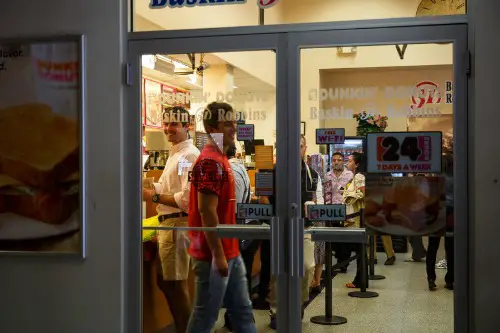
By the 1980s, McDonald’s, Burger King, and Taco Bell had become more than restaurants—they were teen hangouts. Cheap meals and no parents made them perfect post-school meeting spots. Fast food ads even began featuring young faces and pop soundtracks to pull in that demographic. The golden arches were as much a social destination as the mall next door.
This shaped America’s relationship with convenience and community. Teens learned to associate quick service with independence and affordability. It also marked the start of fast food’s massive influence on youth diets and advertising culture. Those “Have It Your Way” campaigns turned personal choice into a marketing movement.
13. School Fashion Codes Sparked Identity Wars

The 1980s were full of fashion statements—and school administrators scrambling to control them. From ripped jeans to band tees, teens used clothing as self-expression and rebellion. Some schools banned certain looks, igniting debates about individuality and conformity. What kids wore suddenly became a flashpoint for larger cultural tensions.
These dress code clashes shaped conversations about identity that persist today. Teens began to see fashion as a form of speech, not just style. It also marked a shift toward recognizing youth agency in personal expression. Every modern debate about school uniforms owes something to those ’80s hallways full of clashing aesthetics.
This post 13 Teen Trends from the ’80s That Accidentally Shaped the Nation was first published on American Charm.

