
1. Traveling First Class or in Style
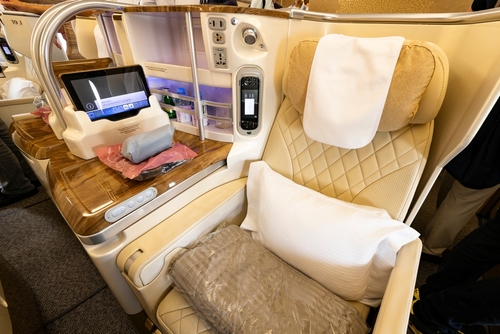
Flying first class or owning a private plane is a classic wealth signal, but Americans increasingly use subtler cues. Frequent trips to exclusive resorts or business-class bookings can communicate wealth without requiring a full-on private jet. The luggage, passport cover, or even the destinations themselves signal financial comfort. It’s less about bragging and more about letting others notice the lifestyle naturally.
People often read the details: a quiet check-in at a premium lounge, or having the right travel gear from high-end brands. It suggests financial freedom and access to experiences most people can only dream of. Even travel itineraries shared casually on social media can convey this kind of wealth. The key is sophistication, not ostentation.
2. Driving Certain Cars That Aren’t Flashy

Americans often signal wealth with cars that whisper rather than shout. Brands like Tesla, Lexus, or certain Audis send a subtle message that the owner can afford luxury without needing attention. The choice is often about understated elegance rather than ostentatious display. Driving a flashy sports car can suggest wealth, but a carefully selected luxury sedan communicates a quieter, more refined success.
It’s not just about the brand but also the model and condition. A clean, well-maintained Tesla Model S says you have disposable income and care about both style and sustainability. Meanwhile, a beat-up luxury car could send the opposite signal, implying pretension rather than real wealth. The subtleties matter, and Americans who know the social cues often invest in a car that quietly conveys status.
3. Wearing Subtle Designer Logos

Some wealthy Americans avoid giant logos, instead opting for subtle designer touches. A small stitching detail or a discreet emblem on clothing or handbags can communicate affluence to those in the know. It’s a way to show financial comfort without appearing flashy or trying too hard. People often read these signals subconsciously, picking up on quality rather than obvious brand names.
This tactic is common in business circles and elite social settings. A cashmere sweater with a tiny label or Italian leather shoes can say more about wealth than loud branding. It signals that the person can afford quality over quantity, and they understand the finer points of style. In these circles, subtlety often carries more weight than loud displays.
4. Having Expensive Hobbies

Wealth is often shown through the hobbies people can afford to maintain. Golf memberships, sailing, and horseback riding are not cheap, but engaging in them signals that money is no object. The hobby itself becomes a status symbol, subtly saying, “I have the time and resources to enjoy this.” Social circles often recognize these pursuits as markers of financial freedom.
It’s also about the social proof these activities provide. Participating in exclusive events or competitions reinforces wealth without direct statements. People watching may notice the brand of the equipment or the club membership, translating it into an understanding of the person’s financial standing. Hobbies like these are double signals: they’re enjoyable and socially validating.
5. Dining at High-End or Exclusive Restaurants

Regularly eating at exclusive, high-end restaurants is another non-verbal signal of wealth. It’s not just about the food; it’s about knowing places that require reservations weeks in advance or have Michelin stars. Dining choices subtly communicate social awareness, taste, and disposable income. Those who frequent these spots are showing they can afford experiences that most can’t.
The pattern of dining—selecting rare wines, tasting menus, or chef’s tables—also conveys affluence. Social recognition happens through shared experiences, like mentioning a hidden gem or being seen in an exclusive location. It’s a way of networking and subtly showing status at the same time. The dining choices themselves become part of a social currency.
6. Owning Real Estate in Certain Neighborhoods

Location is one of the oldest wealth signals in America. Simply owning property in highly desirable areas—think Silicon Valley, Manhattan, or the Hamptons—sends a clear message. It implies not only money but financial savvy, as those neighborhoods often appreciate in value. The prestige of the address itself becomes a badge of success.
It’s not necessarily about the size of the house either. A modestly sized home in a wealthy neighborhood can signal more than a mansion in a less desirable area. The social cachet of the zip code often outweighs architectural extravagance. People notice addresses, and in many circles, where you live speaks volumes about your financial position.
7. Collecting Art or Rare Items

Owning art, antiques, or collectibles can signal wealth without words. The type of pieces—original paintings, rare sculptures, or limited edition items—demonstrates financial capability and refined taste. Even casual guests can sense value and exclusivity when walking into a home with such collections. This is a way to signal wealth while also engaging in cultural or intellectual pursuits.
Collectors often use this to showcase discernment as much as money. It’s about more than the price tag; it’s about having the knowledge and connections to acquire pieces others can’t. Displaying art in one’s home also becomes a conversation starter that reinforces social status. The wealth signal here is layered with culture, refinement, and exclusivity.
8. Wearing Expensive Watches

A classic, subtle wealth indicator in the U.S. is a high-end watch. Rolex, Patek Philippe, or Audemars Piguet are instantly recognizable to those who know the brands. The watch conveys attention to detail, patience, and the ability to invest in luxury items that retain value. Unlike flashy jewelry, watches can quietly communicate status over years.
Collectors and enthusiasts pay attention to the model and condition, not just the brand. A carefully selected watch can tell a story of personal taste, investment acumen, and social positioning. It’s an accessory that blends utility with a discreet status symbol. The right timepiece can speak volumes before a word is exchanged.
9. Membership in Private Clubs

Belonging to a country club, yacht club, or private social club is a subtle wealth indicator. Membership often requires not just money but connections, signaling exclusivity. These clubs offer networking opportunities, and being part of them shows the social and financial standing of the member. Even casual mentions of club participation can subtly communicate wealth.
The cost of dues and initiation is just one part of the signal. Attendance and participation in exclusive events reinforce prestige. Social circles notice who belongs and who doesn’t, creating an unspoken hierarchy. These memberships are less about recreation and more about status signaling.
10. Owning High-End Tech and Gadgets

Americans sometimes signal wealth through tech, but not necessarily the newest flashy gadgets. High-end audio systems, smart home setups, and premium computing equipment indicate disposable income and tech-savvy. The investment in quality tech shows both financial means and lifestyle choices. It’s a form of signaling that appeals to people who value sophistication and performance over trendiness.
Subtlety is key here as well. It’s not about having the most neon-lit gaming rig, but a sleek, integrated smart home or a custom sound system. People who notice these details understand they require significant financial investment. Wealth in this context is about access to superior experiences rather than status objects.
11. Hosting Lavish Yet Casual Gatherings

Wealthy Americans often show off their financial comfort by hosting gatherings that seem effortless. Backyard parties with catered food, curated wine selections, or private chefs suggest disposable income without screaming it. The gatherings appear casual, but the quality and attention to detail signal wealth. It’s a way to demonstrate both hospitality and resources in one gesture.
The key is that these events feel natural, not staged. Guests often notice the subtle touches: imported ingredients, high-end glassware, or entertainment that isn’t obvious. It conveys an ability to provide experiences that most people couldn’t afford to replicate. Wealth here becomes a social lubricant, signaling status while fostering community.
This post The Strange Ways Americans Signal Wealth Without Saying a Word was first published on American Charm.

