
1. California

For many people, California stopped feeling practical because of the cost of everyday life. Housing prices and rents climbed far faster than wages in many metro areas, especially along the coast. State income taxes and fuel costs also made monthly budgets feel tighter than expected. Even longtime residents began asking whether the lifestyle still justified the expense.
There were also quality-of-life tradeoffs that pushed people to reconsider staying. Long commutes, traffic congestion, and housing shortages became routine in major job centers. Wildfires, droughts, and smoke seasons added stress and unpredictability to daily life. For some families, moving away felt less like giving up and more like regaining balance.
2. New York

New York made this list largely because of its high cost of living and tax burden. Housing prices in New York City and surrounding suburbs rose to levels that priced out middle-income earners. State and local taxes stacked up quickly, especially for homeowners. For many, the math simply stopped working.
The pandemic also changed how people viewed living in dense urban areas. Remote work made it possible to keep a New York salary without a New York address. Long commutes and crowded public spaces lost their appeal once alternatives became viable. Leaving became a practical adjustment rather than a dramatic life change.
3. Illinois

Illinois has struggled with long-term fiscal issues that affect residents directly. Property taxes are among the highest in the country, particularly in suburban areas. Concerns about state debt and pension obligations created uncertainty about future taxes. For homeowners and retirees, that uncertainty mattered.
Chicago’s job market remains strong in some sectors, but population decline has been steady. Some residents felt they were paying more while receiving fewer services. Cold winters also played a role for those who had flexibility. Moving to a lower-tax or warmer state felt like a logical step.
4. New Jersey

New Jersey’s reputation for high property taxes has driven many relocation decisions. Even modest homes can come with tax bills that rival mortgage payments. Combined with a high overall cost of living, it put pressure on families and retirees alike. For some, downsizing meant leaving the state entirely.
While New Jersey offers strong schools and proximity to major cities, those benefits come at a premium. Retirees in particular questioned whether staying made financial sense. Nearby states offered similar amenities at lower costs. The decision to move often came down to monthly expenses, not dissatisfaction.
5. Connecticut
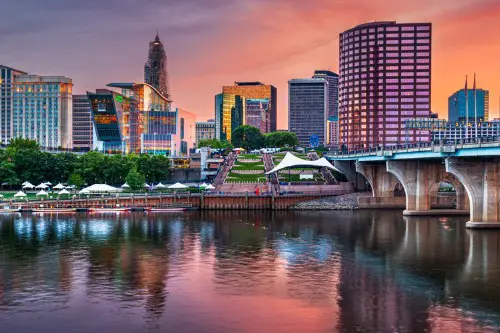
Connecticut became less practical for residents facing high taxes and slow economic growth. Property taxes and state income taxes weighed heavily on fixed-income households. Job growth lagged behind faster-growing states, limiting opportunities for younger workers. Over time, this combination pushed people to look elsewhere.
Many towns also faced shrinking populations, which affected local services and schools. Commuting to larger job markets became less appealing as remote work spread. Residents realized they could get more space and lower costs in other regions. For many, leaving felt like a financial reset.
6. Massachusetts
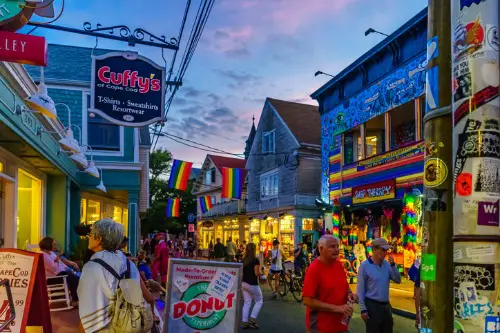
Massachusetts offers strong healthcare and education, but affordability became a challenge. Housing costs rose sharply, especially in and around Boston. Renters and first-time buyers felt squeezed despite relatively high wages. That imbalance made staying harder to justify.
Winters and aging infrastructure also factored into decisions. Some residents felt they were paying premium prices for limited housing options. As remote work expanded, proximity to Boston mattered less. Moving away became a way to keep career momentum without constant financial strain.
7. Florida

Florida attracted millions of newcomers, but it also started pushing people out. Rapid population growth drove up housing prices and rents in many areas. Home insurance costs surged due to hurricane risk and insurer withdrawals. For homeowners, those increases were impossible to ignore.
Climate-related concerns also became more immediate. Stronger storms, flooding, and extreme heat changed daily life in coastal and inland communities. Infrastructure struggled to keep pace with growth. For some residents, relocating felt like a proactive decision rather than a reaction.
8. Louisiana

Louisiana’s frequent exposure to hurricanes made long-term living increasingly difficult. Storm recovery costs and rising insurance premiums affected both homeowners and renters. Infrastructure damage from repeated storms strained local governments. Over time, rebuilding fatigue set in.
Economic challenges added another layer. Job opportunities remained limited outside a few metro areas. Public services faced ongoing funding struggles. For many families, moving offered stability that staying could not guarantee.
9. Arizona

Arizona’s extreme heat became a bigger factor in relocation decisions. Summers grew longer and hotter, making outdoor life difficult for months at a time. Cooling costs rose steadily as temperatures climbed. For retirees and families, that affected health and budgets.
Water availability also raised long-term concerns. Rapid population growth strained existing resources. Some residents questioned the sustainability of continued expansion. Moving away felt like a forward-looking choice rather than a sudden one.
10. Nevada

Nevada appealed for its lack of state income tax, but costs rose quickly. Housing prices in Las Vegas and Reno increased as new residents arrived. Infrastructure and services struggled to keep up with growth. The affordability advantage began to shrink.
Water scarcity also played a role in people reconsidering their future there. Ongoing drought conditions raised concerns about long-term planning. Tourism-driven economies proved vulnerable during downturns. For some, relocating offered more stability.
11. Hawaii

Hawaii’s natural beauty couldn’t offset its high cost of living for everyone. Food, housing, and utilities cost significantly more due to geographic isolation. Even well-paid professionals found saving money difficult. Over time, that financial pressure added up.
Limited job diversity also influenced decisions. Many industries depend heavily on tourism and government employment. Residents seeking broader career options often looked to the mainland. Leaving became a practical move, not a lack of affection for the islands.
12. Alaska
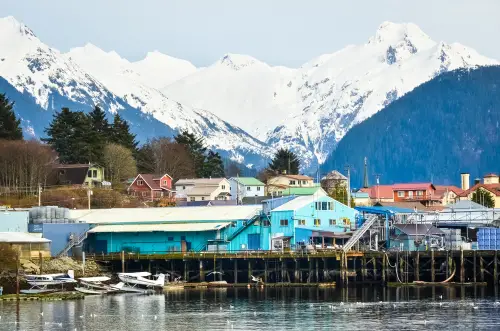
Alaska’s remoteness made everyday life expensive and logistically challenging. Groceries, travel, and utilities often cost far more than in the lower 48 states. Job opportunities were concentrated in a few industries. That limited flexibility for many households.
Harsh winters and long periods of darkness also affected quality of life. Some residents found the climate increasingly difficult over time. Younger workers often left for broader career paths. For them, moving away was a realistic step toward opportunity.
13. Oregon

Oregon faced rising housing costs, especially in Portland and surrounding areas. Supply struggled to meet demand, pushing prices upward. State income taxes also impacted take-home pay. For many, affordability became the deciding factor.
Wildfires and smoke seasons changed how people experienced summer. Air quality issues affected health and daily routines. Some residents felt the environmental risks were becoming the norm. Relocating offered relief from both financial and seasonal stress.
14. Pennsylvania

Pennsylvania saw residents leave due to taxes and aging infrastructure. Property taxes varied widely by county, creating uneven burdens. Job growth lagged in some regions, especially former industrial areas. Younger residents often looked elsewhere for opportunity.
Winters and older housing stock also influenced decisions. Maintenance costs added up in older homes. States nearby offered newer development and lower taxes. Moving became a way to simplify life.
15. Texas

Texas gained residents for years, but it also began losing some for practical reasons. Property taxes rose sharply in fast-growing metro areas. Extreme heat and long summers increased energy costs. For some families, the savings they expected never materialized.
Concerns about power grid reliability added another layer. Major winter and summer outages affected confidence in infrastructure. Rapid growth strained roads, schools, and services. For certain residents, relocating felt like a sensible recalibration.
This post States Where Moving Away Became a Practical Decision was first published on American Charm.

