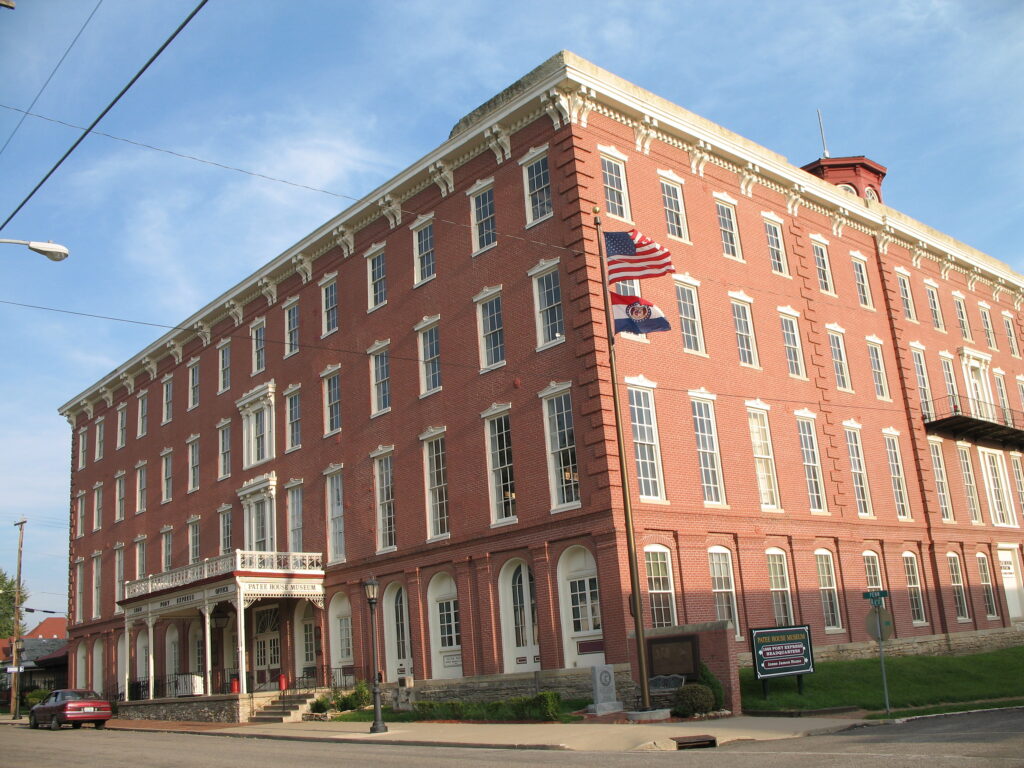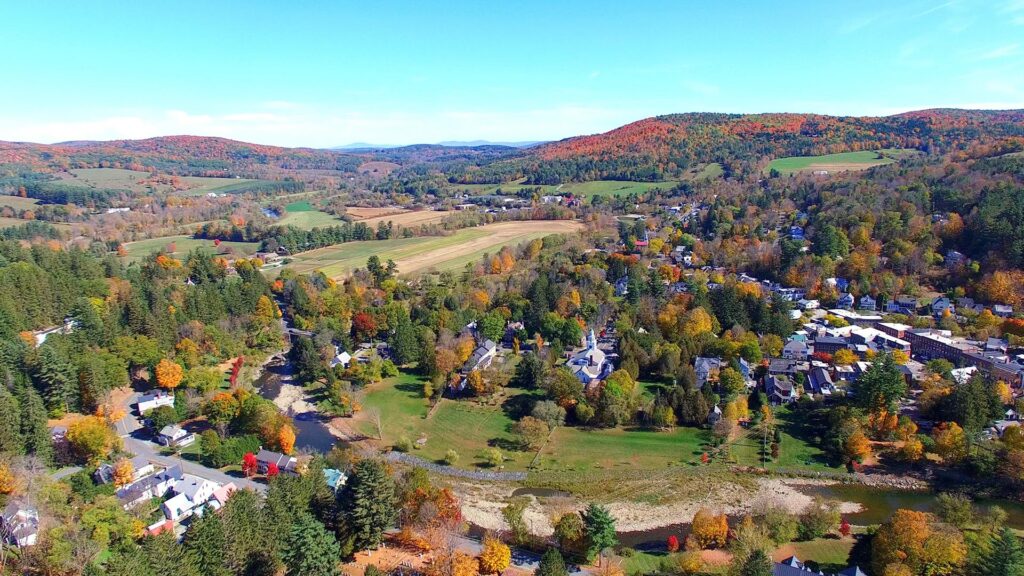
1. New York
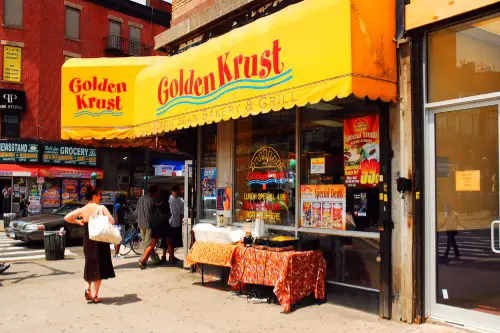
New York consistently posts the lowest homeownership rate in the nation, with barely over half of households owning their homes in 2024 — a sign that ownership is slipping behind rents more than almost anywhere else. Many residents in New York City and nearby urban cores simply can’t afford to buy, stuck in expensive markets where incomes lag housing costs and supply is tight. This trend has made renting the default rather than a stepping stone for many younger and middle‑income households. Over time, that dynamic quietly erodes the cultural expectation of owning a home as part of the “American Dream.”
Homeowners who do manage to buy often hold onto properties longer, limiting turnover and opportunities for first‑time buyers. That lack of movement further reinforces the gap between would‑be owners and the homes available for sale. Even well‑paid workers find themselves priced out or forced to commute long distances to affordable areas. As a result, New York’s ownership share remains stuck at the bottom.
2. New Jersey

New Jersey has seen a notable slide in homeownership over the past decade, with rates falling as housing costs outpace wage growth and supply tightens in many communities. High property taxes and expensive coastal markets add pressure, making owning less accessible for young families or those on modest incomes. The Garden State’s proximity to New York and Philadelphia means many residents rent while saving, often for longer than they expected. This slow drip away from ownership shows up in census data as a measurable decline over time.
These factors also push potential buyers to look out of state, where their money goes farther and tax burdens are lower. That exodus further weakens demand for starter homes within New Jersey itself. Investors scoop up properties in commuter towns, driving prices up and ownership rates down. Together, these trends quietly chip away at the state’s homeowner base.
3. Colorado

Colorado’s homeownership rate has dipped in recent years, bucking the broader state increases seen elsewhere in the Mountain West. A decade‑plus housing boom in places like Denver and Boulder pushed prices skyward, while incomes didn’t keep pace for many working families. Younger homebuyers, in particular, are increasingly sidelined, opting to rent closer to job centers rather than buy far from work. This affordability squeeze has translated into a noticeable slip in the state’s ownership share.
Rapid population growth has only compounded the issue, intensifying competition for a relatively fixed housing stock. As a result, many Coloradans feel priced out or pushed into longer commutes. Policy debates about zoning and density reflect growing concern over lost opportunities for ownership. The net result is a subtle but persistent downward trend.
4. Missouri

Missouri may not be headline news for housing, but its homeownership rate has quietly declined over the years as well. Historically higher than the national average, ownership in the state has slipped as urban areas like St. Louis and Kansas City grapple with stagnating incomes and aging housing stock. Younger generations find it harder to buy without moving to the suburbs or out of state altogether. This slow erosion shows up in a decade’s worth of census figures.
Economic shifts, including manufacturing declines in some regions, have also impacted buyers’ confidence and capacity. With fewer people entering the property market, Missouri’s ownership base isn’t replenishing itself as robustly as in past decades. That gradual shift underscores a broader challenge for middle‑income Americans. For many, owning a home here feels less attainable than it did a generation ago.
5. Oklahoma

Oklahoma has experienced a modest drop in homeownership over the past decade, reflecting broader affordability and economic trends. While still higher than many coastal states, the decline suggests that local residents face barriers similar to the national picture: rising prices, tighter lending standards, and lifestyle preferences shifting toward renting. Many Oklahoma markets remain affordable by national standards, but ownership rates show a slow downward tick.
Energy sector volatility in the state’s economy also influences housing decisions, especially for younger workers. When job prospects feel uncertain, committing to a mortgage can feel riskier. That reluctance to buy nudges some households toward longer‑term renting. Over time, these choices aggregate into measurable changes in ownership statistics.
6. Utah
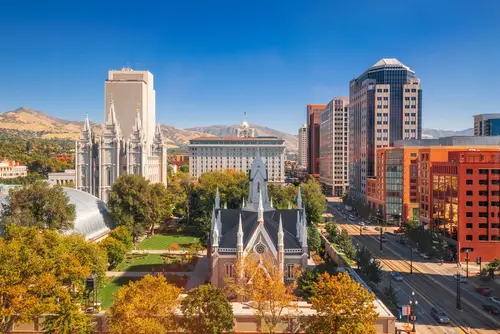
Even in fast‑growing Utah, homeownership has softened as housing prices have outpaced wage growth in recent years. Although still comparatively high historically, the percentage of Utahns who own rather than rent has edged downward over the past decade. Exploding demand, driven by in‑migration and a booming job market, has pushed starter homes out of reach for many first‑time buyers. This makes Utah a cautionary tale of growth without sufficient affordable housing.
The state’s scenic appeal and economic dynamism attract newcomers, but that popularity has a downside: a tight market where bidding wars and high down payments are common. Local governments struggle to build affordable units quickly enough. Many young families remain renters longer than they planned. As a result, homeownership’s traditional foothold in Utah softens subtly but steadily.
7. North Carolina
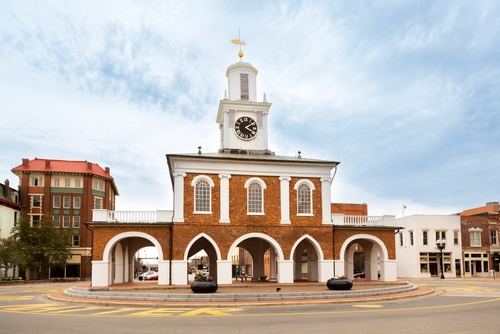
North Carolina’s homeownership rate has dipped modestly, even as the state continues to attract new residents for its jobs and lifestyle. Affordability pressures in fast‑growing metros like Charlotte and Raleigh can eclipse local income growth, leading more people to rent instead of buy. That dynamic shows up in state‑level data as a slight decrease over time.
The rapid population boom has also strained infrastructure and housing supply, leaving first‑time buyers scrambling. Many trade commuting distance for affordability, which doesn’t always translate to ownership if jobs or life situations change. This gradual shift nudges the state’s overall ownership share lower. Owning a home isn’t disappearing here, but it’s proving harder to achieve for many.
8. South Carolina
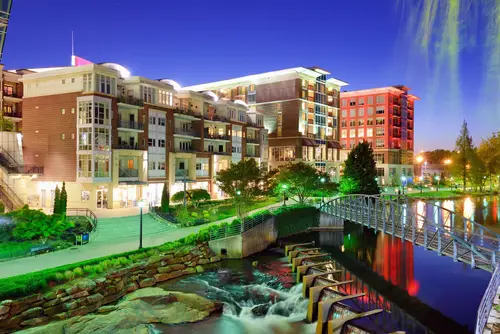
South Carolina’s homeownership trend has softened over the last decade — a shift that might surprise folks who think of the state as affordable. While prices historically lagged behind national averages, rapid population growth from retirees and remote workers has inflated costs faster than wage growth. Younger locals increasingly find themselves on the rental treadmill, stuck saving while rents remain high. This gradual squeeze shows up as a persistent, if modest, drop in ownership rates.
The state’s strong appeal as a lifestyle destination complicates matters further: demand is high, but supply hasn’t kept pace. That fuels competition for homes, driving prices up for first-time buyers. Many investors now dominate certain neighborhoods, limiting opportunities for traditional ownership. South Carolina shows that affordability alone isn’t enough to maintain high homeownership rates.
9. Michigan
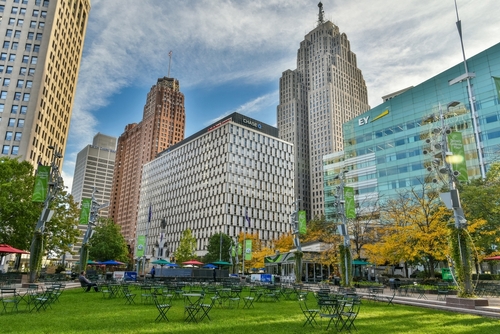
Michigan has seen homeownership slip in recent years, particularly in urban centers like Detroit and Flint. While housing prices are relatively low compared to the national average, stagnant wages and economic uncertainty make buying a home harder for younger residents. Many are opting to rent longer or move to suburbs for affordability. This trend quietly chips away at Michigan’s ownership rate over time.
The state’s industrial shifts and population decline in some cities also affect housing demand. With fewer buyers entering the market, older homes remain on the market longer or fall into investor hands. This slows generational turnover, keeping ownership rates lower than they might otherwise be. For many, homeownership feels increasingly out of reach without moving to a different region.
10. Illinois
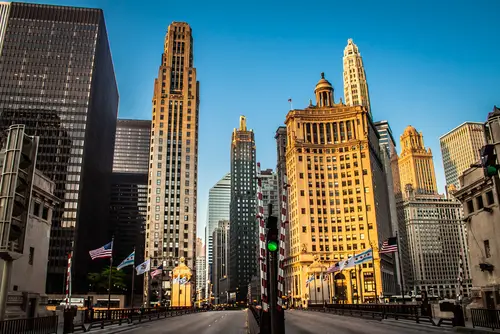
Illinois is grappling with a slow decline in homeownership, especially in cities like Chicago, where property taxes are high and wages lag housing costs. The combination of high taxes, rising costs, and tight inventory makes it difficult for first-time buyers to enter the market. Many residents settle into long-term renting as a safer financial choice. Over time, these small shifts reduce the overall ownership rate across the state.
Economic uncertainty, including the state’s pension challenges, also influences residents’ confidence in investing in homes. Buyers may delay purchases or relocate to neighboring states with better affordability. As a result, Illinois sees a quiet but persistent erosion of its homeowner base. Ownership here is still common, but it’s becoming harder to achieve for many young families.
11. Pennsylvania
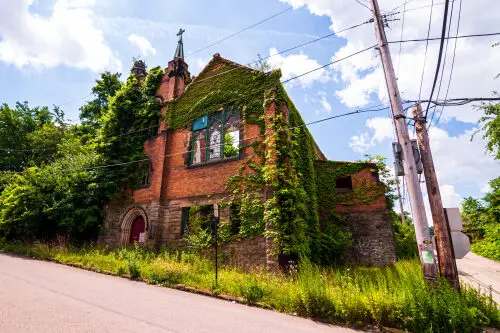
Pennsylvania’s homeownership rate has softened, particularly in the Philadelphia and Pittsburgh areas. While housing is more affordable than in coastal states, stagnant wages and urban migration patterns reduce the number of new buyers. Younger generations increasingly rent instead of buying their first homes. Over the past decade, these shifts show up as a small but meaningful decline in ownership.
Suburban expansion and commuting patterns also affect the state’s housing dynamics. Residents often move to rent in areas closer to jobs instead of purchasing, which slows homeownership growth. Investment purchases can inflate prices, further limiting opportunities for first-time buyers. Pennsylvania’s decline is subtle but noticeable over time.
12. California
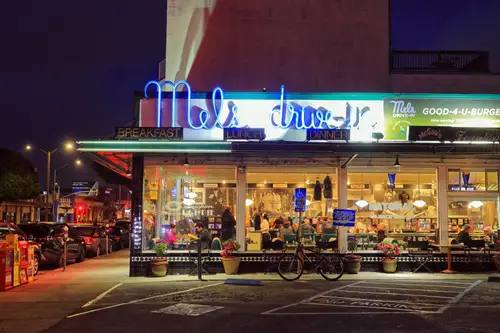
California has one of the highest housing costs in the nation, and its homeownership rate has quietly declined despite its booming economy. Young professionals and families are increasingly priced out of markets like Los Angeles, San Francisco, and San Diego. Many settle for renting indefinitely, as mortgages remain out of reach even with strong incomes. This trend gradually lowers overall ownership percentages statewide.
The high cost of living, coupled with strict zoning laws and limited new construction, keeps affordability out of reach for most first-time buyers. Investment properties and second homes further tighten supply. Coastal migration also puts pressure on inland markets, inflating prices. California demonstrates how prosperity and demand don’t automatically translate into higher ownership.
13. Nevada
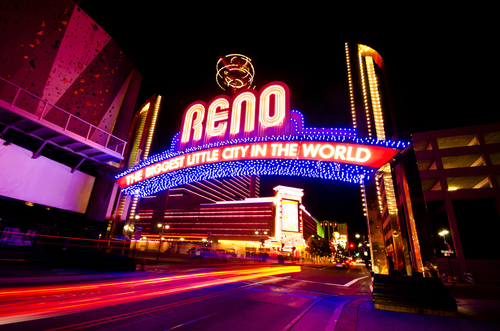
Nevada’s homeownership rate has dipped slightly after the housing boom and bust cycles of the past two decades. Las Vegas and Reno are expensive relative to local wages, leaving many residents renting longer than they would like. Population growth continues, but housing construction hasn’t always kept pace. This mismatch results in a subtle erosion of ownership over time.
Rising interest rates and cost-of-living pressures exacerbate the problem. Investors often snap up single-family homes, reducing inventory for first-time buyers. Many locals find themselves priced out or commuting farther to purchase affordable homes. Nevada shows that even states with historically high ownership can see slow declines.
14. Washington

Washington state has seen homeownership soften in fast-growing areas like Seattle and Spokane. Skyrocketing housing costs outpace median incomes, making it difficult for many younger residents to buy. Long-term renting becomes the default, especially near tech hubs where competition is fierce. This trend quietly lowers ownership rates over time.
The tech industry draws new residents, which puts upward pressure on prices and pushes some buyers into surrounding areas. Limited new construction and zoning restrictions also constrain supply. Many would-be homeowners delay purchases or leave the state entirely. Washington illustrates how economic growth can inadvertently suppress ownership.
15. Oregon
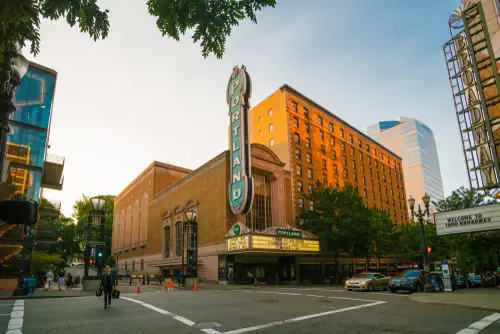
Oregon’s homeownership rate has gradually declined, especially in Portland and other urban areas experiencing high demand. Housing affordability hasn’t kept pace with population growth, leaving many first-time buyers renting longer. The influx of remote workers and investors has further tightened supply. Over time, this trend shows up in census data as a modest decline in ownership.
Rural areas remain more affordable, but many residents want to live near employment centers. Long-term renters dominate urban housing, slowing generational turnover. Property taxes and housing costs contribute to the barrier for new buyers. Oregon shows that even a relatively small population shift can influence state-level ownership trends.
This post 15 States Where Homeownership Is Quietly Slipping Away was first published on American Charm.