
1. Neon diner sign
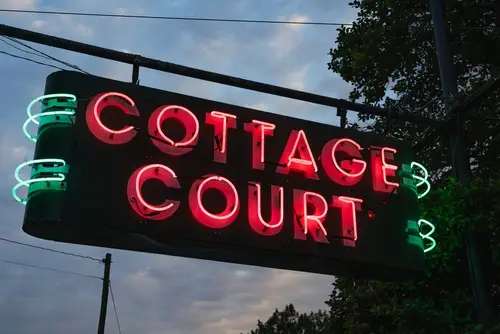
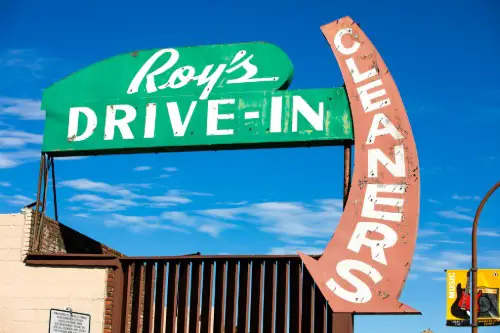
You know that glowing “DINER” sign you see in old movies? Original mid-century neon signs from diners and drive-ins are hugely collectible because they’re instantly evocative and many were demolished as roadside culture changed. Condition, original tubing, and readable lettering are the big-value drivers; a whole, unrestored sign with its transformer still working will attract serious buyers. If you find one at an estate sale, photograph every inch, note maker’s marks, and expect that careful restoration or leaving it original can both affect price greatly.
Neon signs work as both decor and historical artifacts, so they sell to restaurateurs, set designers, and collectors alike. Rarity matters: a one-off local diner logo often outperforms a common generic “DINER” board. Shipping and electrical safety are practical issues that influence saleability and net value. If asking for an appraisal, give dimensions, whether the glass tubes are intact, and any wiring or cabinet maker labels.
2. Route-66 or roadside highway memorabilia

Route-66 items — maps, signs, postcards, motel brochures — hit a nostalgia sweet spot for buyers of Americana. They’re included because Route-66 symbolizes a golden age of road travel and American leisure, and genuine mid-century pieces carry that romantic backstory. Look for original enamel or porcelain signs, destination postcards with bright litho art, and printed motel brochures; condition and legibility are crucial. Provenance helps too: if a seller can tie a piece to a specific stretch of road or preserved motel, collectors pay more.
Simple reproductions flood the market, so authenticity is worth verifying with makers’ marks, paper stock, or sign backing construction. Maps printed by Rand McNally or early AAA guides from the 1940s–60s are especially collectible when pages are intact. Even small items like motel key fobs or matchbooks can add up in a single lot sale. Photograph the back or underside—manufacturers often put identifying marks there.
3. Vintage Coca-Cola crates, coolers, and glass bottles
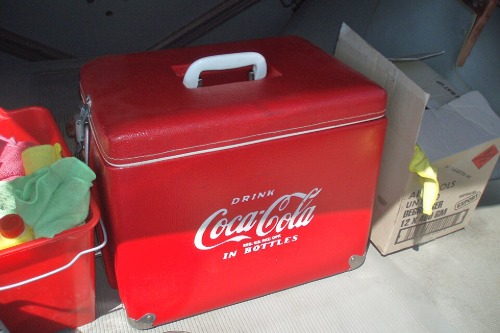
Old Coca-Cola crates, metal coolers, and original glass bottles are classic nostalgic souvenirs that collectors prize. This category makes the list because of Coke’s enduring brand power and the charming design changes over decades. Early embossed glass bottles, wooden crates with clear branding, and enamel coolers in decent condition are the pieces that attract thousands from brand collectors and interior designers. Beware reproductions; factory marks, seam lines on glass, and wood joinery are the telltale features of originals.
Original crates and coolers also hold display appeal for restaurants and collectors, which increases market competition. Rust patina can be desirable if it’s even and stable—cracked or flaking metal is less valuable. If a bottle still has original labeling or a dated emboss, note that in listings. When shipping, crate wooden pieces carefully because they’re heavy and often fragile at the slats.
4. Jukeboxes and restored music machines
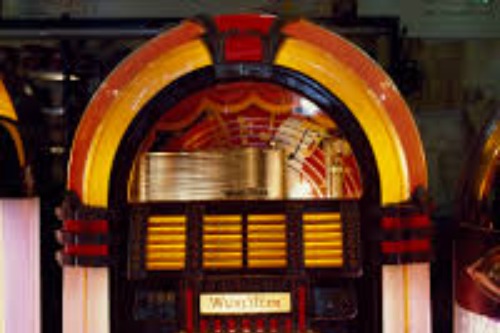
A fully functioning or well-restored 1940s–60s jukebox is a headline grabber in any vintage listing. These machines are included because they combine mechanics, iconic design, and cultural nostalgia; they’re dramatic pieces for homes, bars, and collectors. Original components (needle assembly, selector mechanism, lighting) and manufacturer nameplates (Wurlitzer, Seeburg) are essential for value. Working condition and provenance—was it in a known diner, bowling alley, or private collection?—greatly affect offers.
Restoration can be expensive, but tasteful, historically accurate restoration often increases final sale price. Nonworking machines still have value for parts or display but will sell lower. Keep any service records and photos of the machine in situ to show authenticity. If you’re shopping or selling, note whether the record carousel and amplifier are original or modern substitutes.
5. Vintage enamel or porcelain gas station signs
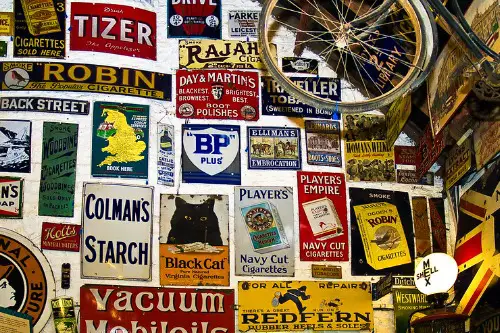
Gas station signs from Shell, Texaco, Mobil and local brands are quintessential roadside Americana and highly collectible. These signs are included because they were large, durable, and branded strongly—original enamel or porcelain signs with crisp logos are rare survivals. Condition is king: chips, rust patterns, and whether the porcelain face is intact will change the sale price dramatically. Size and whether it has mounting hardware also matter—the biggest, intact signs attract the highest bids.
Authenticity is often verified by the sign’s backing, rivet style, and maker stamps (if present). Repaired or repainted signs can still be desirable but must be described honestly in listings. Buyers often use such signs as wall art or for commercial displays, so photographic staging helps value. If you plan to ship, note that big enamel signs are heavy and brittle, so secure crating is essential.
6. 1950s–60s motel key fobs and lobby ephemera
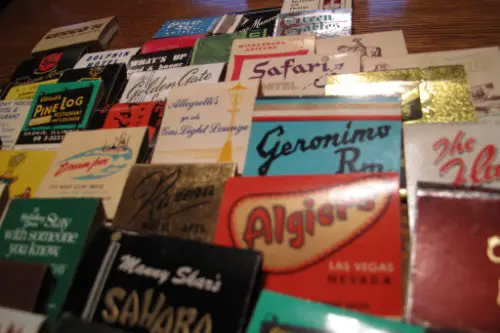
Tiny but evocative, vintage motel key fobs, matchbooks, menus, and lobby brochures are small souvenirs that, when grouped, command attention. They’re on the list because they’re direct, everyday artifacts of travel culture and often feature eye-catching mid-century graphics. Individual key fobs can be collectible, but curated lots (complete matchbook collections, full motel binder sets) are the items that can reach higher prices. Condition, intact printing, and any linked provenance—like coming from a well-known roadside motel—matter a lot.
These items are also easy to photograph and ship, which makes them attractive to online buyers. Identifying the motel name, town, and any dates on the ephemera in your listing helps buyers research rarity. If you’ve got original photos of the motel alongside the ephemera, include them—that context increases trust and value. Grouping small items into themed lots (Route-66, beach motels, city motor inns) often improves sell-through.
7. Mid-century diner china and coffee cups
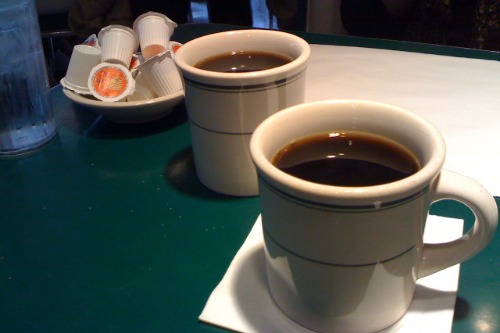
Diner china, coffee mugs, and melamine plates from the 1940s–60s are charming and collectible, especially when they retain original decals or restaurant names. They’re included because they’re tangible, usable pieces of everyday Americana and often sport colorful logos and quirky typefaces. Whole sets or rare patterns tied to well-known diners or chains are the most desirable. Chips and crazing reduce value, but a pristine mug with a readable diner logo can surprise you at auction.
Collectors of kitchenalia and mid-century modern decor snap these up for displays and restaurant refurbishments. Identify manufacturer stamps on the bottom—names like Homer Laughlin or Shenango can help with dating and valuation. If you find a complete set, document weight, markings, and pattern photos before listing. Proper packing is essential: wrap pieces individually and stabilize inside a double-wall box.
8. World’s Fair and Expo souvenirs (1940s–1960s)
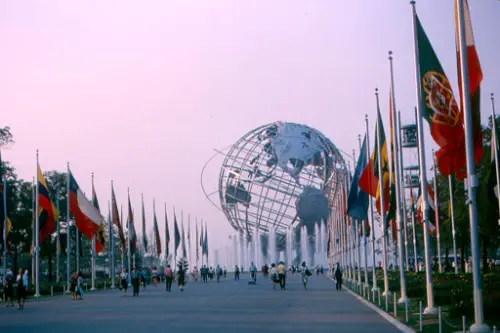
Souvenirs from mid-century World’s Fairs and expos—postcards, pins, program books, and commemorative plates—are collectible because they represent optimism, technology, and design of the era. These items make the list due to the fairs’ historical importance and the limited print runs of official souvenirs. Items tied to major pavilions, early theme-park experiments, or iconic mascots are especially desirable. Condition, completeness (a full program or pin set), and a clear link to the specific fair are what drive value.
Graphic design on fair ephemera often reflects the era’s aesthetic, which appeals to designers and collectors. If you can date a piece to a particular pavilion or corporate sponsor, mention that; corporate marks often increase buyer interest. Cities sometimes produced limited promotional souvenirs, so regional rarity matters too. Keep any original tickets or certificates that came with these pieces—they add provenance.
9. Metal lunchboxes and licensed character tins
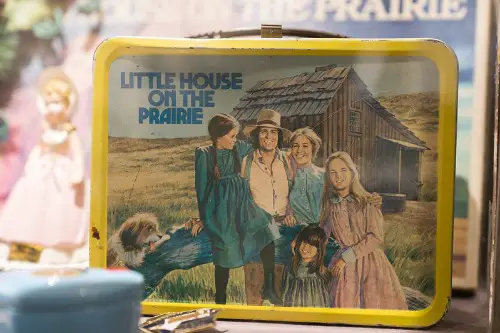
Vintage metal lunchboxes—especially those with licensed characters from the 1950s–70s—have a strong collector market and nostalgic pull. They’re included because of their visual appeal, character branding, and childhood memory associations for many buyers. Early examples with original thermoses, crisp lithography, and little to no rust are the most valuable. A known character (television or movie tie-ins) increases demand significantly, and matching thermoses or inserts can multiply the lot’s attractiveness.
Watch for reproductions and modern reissues; authentic tins have maker marks and period-correct rivets and finishes. Sellers who include closeups of corners, lids, and interior inserts help buyers assess condition remotely. Large themed collections or rare promotional editions are the ones that reach higher price tiers. When selling, list any dents, flaking litho, or replaced hardware clearly.
10. Vintage cast-iron toys and pedal cars

Cast-iron banks, pressed-steel toys, and pedal cars from the mid-20th century are physical, heavy hitters in nostalgia collecting. These are listed because they are durable, design-forward, and fewer survive in good shape, which boosts their market value. Makers like Hubley, Arcade, and Wyandotte are names collectors watch for, and original paint and decals are big value drivers. Even small details—like a steering wheel maker’s stamp or original tires—can move a price noticeably.
Because these toys are heavy and sometimes rusted, condition categories range widely, so accurate grading is essential in listings. Restored pedal cars can fetch high sums, but authentic, unrestored survivors also attract buyers seeking patina. If you find a toy with an identifiable model number, include it in the listing to help collectors confirm rarity. For shipping, crate large items and photograph them from multiple angles to show structural integrity.
11. Vintage matchbooks, ashtrays, and smoking memorabilia
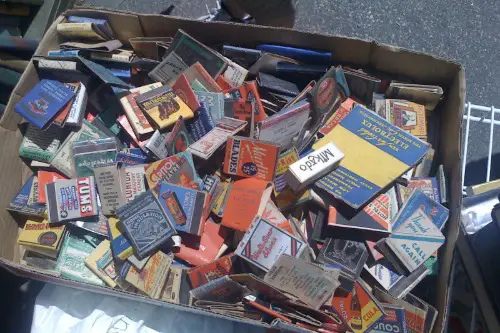
Smoking ephemera—matchbooks, ceramic ashtrays, branded lighters—captures a mid-century social moment and appeals to bar/restaurant decorators and collectors. These small pieces make the list because their graphic designs and logos are mini time capsules of advertising and local hospitality. Matchbooks with full covers, ceramic ashtrays from famous restaurants, or branded Zippo lighters in original boxes often command high interest. Condition (complete matches, intact glaze, working lighter) and branding are the keys to desirability.
Taste and policy concerns have changed public perception of smoking, but as decor and nostalgia objects these items remain popular. Group lots (e.g., a city’s hotel matchbook set) can be more valuable than single items. Conservators advise gentle cleaning and careful handling since paper and glaze can be fragile. When listing, include any provenance like where they were found or who saved them.
12. Original diner or drive-in menus and paper ephemera
Menus, order pads, and paper placemats from beloved local diners or regional chains are small, affordable nostalgia pieces that can appreciate. They’re included because the artwork and pricing give collectors and historians a snapshot of food culture in a specific decade. Very early or unusual menus (special event dinners, limited-run theme promotions) are the ones that find serious buyers. Condition—folds, stains, and legibility—affects price, but even imperfect menus can be valuable if they’re rare.
Collecting ephemera is all about context, so include location, date, and any handwriting that shows use. Menus connected to famous chefs, early franchising, or particular culinary trends (e.g., the birth of diner staples) are more collectible. Scans help online buyers inspect type and art close up before purchase. Store paper items flat in acid-free sleeves to maintain condition while you decide how to sell.
13. Mid-century postcards and travel snap sets
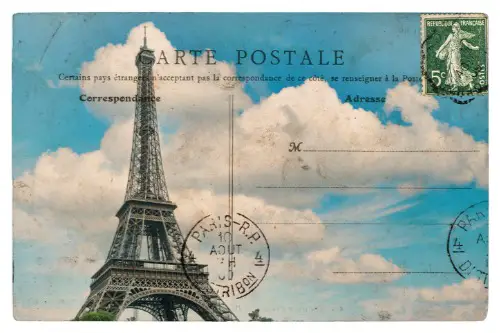
Postcards from the 1940s–60s—tourist shots, motel views, and travel panoramas—are staples of nostalgic collections and often sell well in lots. They’re on the list because graphic color printing and regional scenes capture the era’s travel aesthetic and many were produced in limited runs. Unposted cards in excellent color with clear views of now-changed landmarks are especially desirable for historians and decorators. Postmarked cards can also have value if the stamp, sender, or date links them to a notable event.
Groupings by theme (beach towns, national parks, big cities) sell better than singletons because buyers can curate displays. Look for publisher codes, linen texture, and color saturation to date the card and estimate rarity. If you’re photographing them for sale, show both front and back and note any writing or postal marks. Keep cards flat and avoid bending—small creases reduce collector interest quickly.
14. Vintage pinball machines, arcade cabinets, and tokens
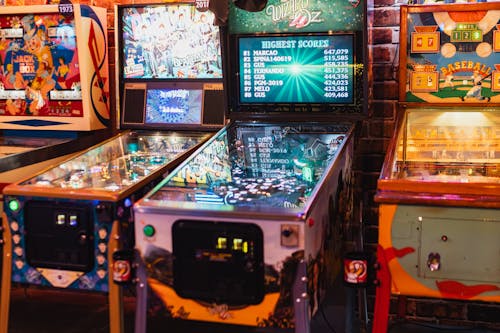
Arcade and pinball culture exploded in the 1950s–70s, and original machines or tokens from that era are highly sought after. These pieces are included because they’re experiential antiques: they’re interactive, decorative, and tied to shared cultural memories. Original playfields, backglass art, and working electronics define the high-value examples, while even nonworking machines attract restoration projects. Tokens, operator signs, and marquee panels from famous arcades or theaters also have niche collector markets.
Restoration provenance and service records are huge selling points for machines. If a cabinet retains original artwork and coin mechanisms, it will fetch considerably more than a stripped shell. Shipping and installation logistics mean many buyers will pick up locally or hire a transporter, so mention pickup options. For tokens and small parts, group them neatly and note any minting marks or city names.
15. Mid-century travel posters and large lithographs
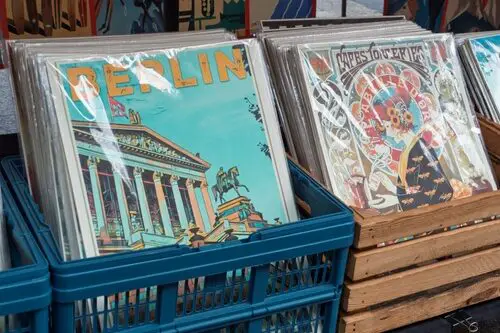
Large travel posters and lithographs advertising national parks, railroads, or airlines from the 1930s–60s are dramatic pieces for collectors and interior designers. These are included because their bold graphics and limited print runs make them display-ready artifacts of an optimistic travel era. Condition is a prime determinant: paper tears, restoration, or heavy foxing reduce value, while well-stored, framed originals can command top dollar. Posters tied to iconic campaigns or famous artists (e.g., WPA-era or celebrated commercial illustrators) are especially collectible.
When you find one, check the printer’s plate marks, edition number, and any artist signature to help date it. High-resolution photos of the entire poster and closeups of corners and margins will reassure buyers online. If you don’t want to sell, museum and gallery interest in such pieces can also be strong for display loans. For sale listings, include hanging dimensions and whether the piece is linen-backed or original paper.
This post 15 Souvenirs From Old America That Sell for Thousands Online was first published on American Charm.

