
1. American Girl – Tom Petty and the Heartbreakers
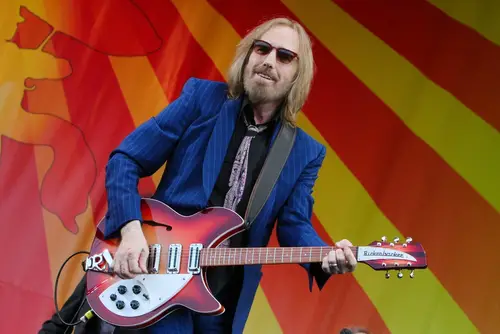
Tom Petty’s “American Girl” isn’t patriotic in theme — it’s a story about a lonely young woman dreaming of something bigger. But its jangly guitars and soaring chorus made it sound like pure Americana. Released in 1976, the year of America’s Bicentennial, it became associated with optimism and youthful freedom. Soon enough, it was used in movies, sports events, and even political rallies.
Petty always saw it as a song about longing, not patriotism. But that California-meets-Florida energy — bright, restless, hopeful — captured something deeply American. The idea of chasing dreams, of never quite giving up, felt universal. Listeners heard that spirit and turned it into a celebration of the American ideal, whether Petty intended it or not.
2. Born in the U.S.A. – Bruce Springsteen
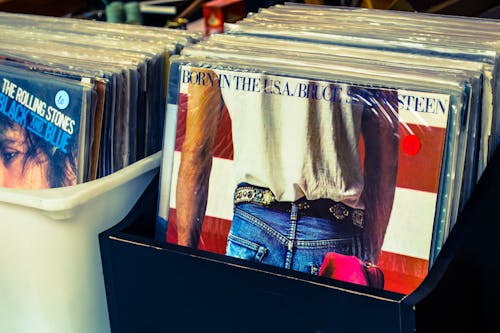
When Bruce Springsteen released “Born in the U.S.A.” in 1984, he wasn’t writing a flag-waving anthem — he was protesting how America treated its Vietnam veterans. But that anthemic chorus, backed by pounding drums and stadium-sized synths, made it sound like pure celebration. Politicians and fans alike misread it as patriotic pride, blasting it at rallies and ballgames. The irony is that it’s one of the most misinterpreted songs in American history, proof that tone can overpower meaning.
Over the years, “Born in the U.S.A.” has become shorthand for American resilience, even if that’s not what Springsteen intended. It’s been played at countless Fourth of July events, military celebrations, and political conventions. The Boss himself has often spoken about the song’s deeper sadness, but audiences still chant the chorus like it’s gospel. In a way, that tension between pride and pain is exactly what makes it so enduringly American.
3. Fortunate Son – Creedence Clearwater Revival
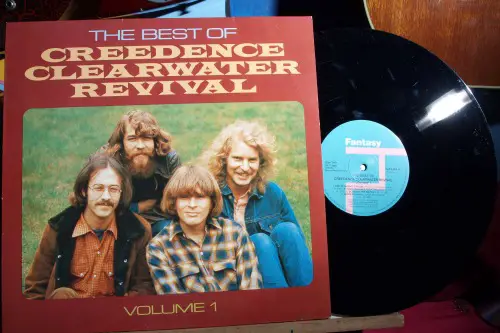
“Fortunate Son” was John Fogerty’s fiery protest against privilege and hypocrisy during the Vietnam War. Its opening line — “Some folks are born made to wave the flag” — is practically a rejection of blind patriotism. Yet over the decades, the song’s gritty energy and Southern rock edge made it sound like a working-class anthem. It’s now used in military montages and action movies as if it’s pro-America, not anti-elitism.
Ironically, Fogerty has said he wrote it precisely because he was angry at politicians who dodged the draft. But that raw, rebellious sound resonated beyond politics. The song came to symbolize the American spirit of defiance — fighting for what you believe in, even against your own government. It’s patriotic by accident, but only because protest and patriotism sometimes share the same rhythm.
4. Pink Houses – John Mellencamp

John Mellencamp’s “Pink Houses” paints a complicated picture of America — hopeful but disillusioned. With lines like “Ain’t that America, for you and me,” it sounds celebratory, but the verses describe economic struggle and fading dreams. Still, its folksy charm and heartland rock vibe have made it a favorite at Fourth of July events. Politicians have repeatedly used it to project blue-collar patriotism, often ignoring its deeper message.
Mellencamp wrote the song as a social critique, inspired by seeing poverty in his home state of Indiana. But because the chorus feels inclusive and warm, listeners hear it as a love letter to American life. It’s the kind of song that people belt out with beers in hand, not realizing it’s about disillusionment. That duality — hope wrapped in frustration — might be why it’s lasted so long.
5. This Land Is Your Land – Woody Guthrie
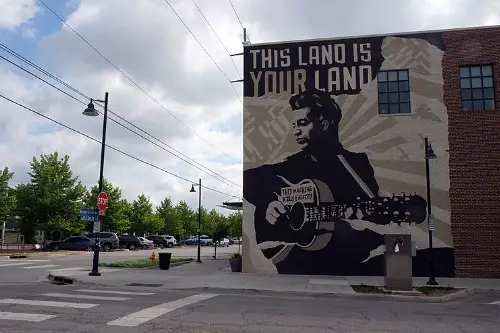
Woody Guthrie wrote “This Land Is Your Land” in 1940 as a direct response to “God Bless America,” which he felt was too complacent. His original lyrics even included verses about inequality and private property. But as schools and choirs adopted the song, those verses were dropped, leaving behind only the idyllic imagery of unity and open land. The result? One of America’s most beloved, and misunderstood, patriotic anthems.
Today, “This Land Is Your Land” is sung by children who might not realize it was meant as protest folk. Its melody is simple, its message feels inclusive, and it speaks to a vision of America that everyone wants to believe in. Guthrie’s frustration was with inequality, but the song’s spirit is still democratic in nature. In the end, it became patriotic not because it praised America — but because it challenged it to live up to its ideals.
6. American Woman – The Guess Who

When The Guess Who released “American Woman” in 1970, it wasn’t a love song to the United States — it was a critique. Written by a Canadian band, the lyrics expressed disillusionment with American militarism and culture at the height of the Vietnam War. But its swaggering riff and seductive hook made it sound more like a celebration than a protest. Before long, it was embraced by U.S. audiences as a feminist or patriotic anthem, depending on who you asked.
The irony deepened when Lenny Kravitz’s 1999 cover turned it into a soulful, sexy rock hit, stripping away most of the political undertones. That version cemented the song as a pop-culture ode to American allure. Few listeners today realize it began as a critique of U.S. dominance. It’s proof that sometimes all it takes is a great guitar riff to rewrite a song’s meaning.
7. Small Town – John Mellencamp
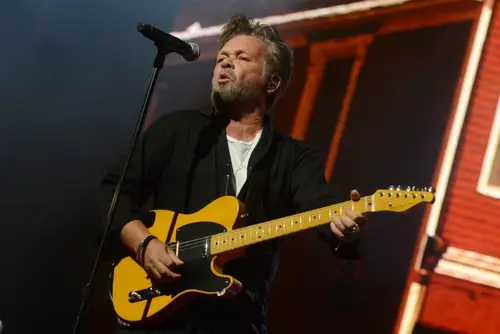
“Small Town” was Mellencamp’s love letter to his roots in rural Indiana, not a patriotic declaration. Still, its earnest tone and simple lyrics resonated with Americans across the political spectrum. It became an anthem for local pride, family values, and heartland identity — all things people associate with national pride. Over time, it’s been adopted by political campaigns and commercials as shorthand for “real America.”
Mellencamp has often clarified that the song was personal, not political. But that hasn’t stopped it from becoming an emblem of American authenticity. The imagery — schools, families, and self-reliance — hits a universal chord. It’s the kind of song that makes people feel good about where they come from, which is the heart of patriotism, accidental or not.
8. Rockin’ in the Free World – Neil Young
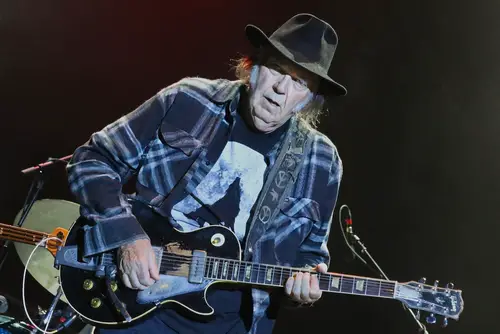
Neil Young’s “Rockin’ in the Free World” might sound like a loud celebration of American freedom, but it’s actually a sharp critique. Written in 1989, it took aim at the George H.W. Bush administration and social neglect in the U.S. Still, that thunderous chorus made it sound like a rallying cry for liberty. Politicians — including Donald Trump — have used it at rallies, to Young’s dismay.
The song’s driving beat and defiant tone make it irresistible, even to those who miss its sarcasm. It’s the musical equivalent of wrapping a protest sign in fireworks. Over time, it’s come to represent the American ideal of freedom, even if it’s questioning that very concept. That contradiction has kept it relevant for decades, as both critique and anthem.
9. American Pie – Don McLean
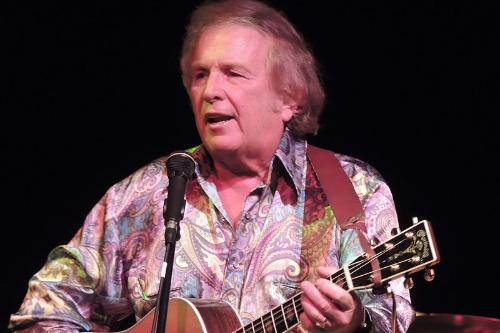
“American Pie” wasn’t written as a patriotic anthem — it was a eulogy for the day the music died. Don McLean’s 1971 hit mourned the plane crash that killed Buddy Holly, Ritchie Valens, and The Big Bopper, and used it as a metaphor for a changing America. But its nostalgic look at simpler times struck a chord with listeners who longed for the innocence of mid-century America. Soon enough, it became a staple at barbecues, parades, and Americana playlists everywhere.
The song’s singalong chorus feels timeless and unifying, even if the lyrics are steeped in melancholy. Every generation finds something to hold onto — the idea of an America that maybe never existed, but feels comforting to remember. That longing turned “American Pie” into a cultural shorthand for national reflection. It’s less a flag-waver than a bittersweet reminder of how people want to believe in their country’s lost magic.
10. Don’t Stop Believin’ – Journey
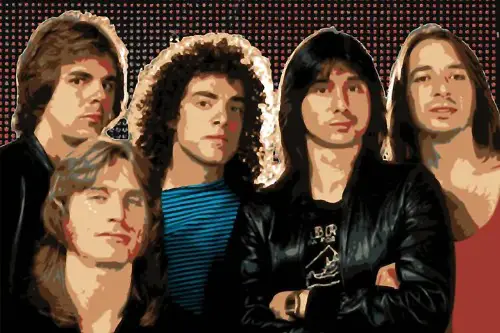
Journey’s “Don’t Stop Believin’” doesn’t mention America once, yet it’s become one of the country’s unofficial anthems. Its message of perseverance and hope resonates across generations, especially in moments of collective pride. After 9/11, it was played at countless public gatherings as a symbol of resilience. Its epic build and singalong chorus make it feel almost patriotic by emotion alone.
The song’s small-town imagery also helps — that “small-town girl” could be from anywhere in the U.S. Over time, it’s become an anthem for underdogs and dreamers, two quintessentially American archetypes. Sports teams blast it after victories, and crowds belt it like a national hymn. It’s not about America, but it sure sounds like it’s for America.
11. Living in America – James Brown
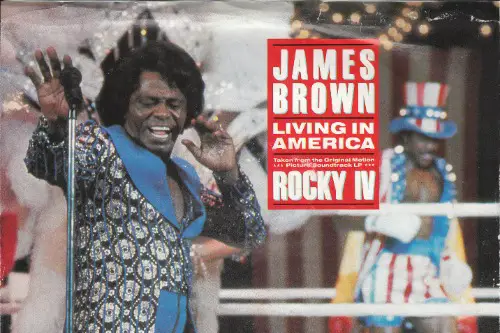
When James Brown belted “Living in America” in 1985, he did it with swagger, not subtlety. The song debuted in Rocky IV, where it played during a boxing match between Apollo Creed and Ivan Drago — a perfect Cold War symbol. Brown’s performance turned the track into an instant patriotic hit, full of funk and pride. Ironically, Brown saw it as a celebration of hard-working Americans, not blind nationalism.
The song’s infectious groove made it irresistible, and its chorus was tailor-made for parades and fireworks. Brown’s performance embodied the optimism of the era — loud, colorful, and confident. Over time, it’s been used to hype up American pride, especially in sports and pop culture. It’s as much about rhythm and attitude as it is about the flag.
12. Sweet Home Alabama – Lynyrd Skynyrd

“Sweet Home Alabama” started as a regional anthem, written in response to Neil Young’s criticism of the South. But its catchy guitar riff and singalong chorus made it a nationwide hit. Despite its complex origins, the song became synonymous with American pride, especially among fans who heard it as a celebration of heritage. Decades later, it’s still a staple at cookouts, rallies, and road trips.
The band has said the song wasn’t meant as a defense of Southern politics, but as pride in one’s home. Yet that idea — loving where you’re from despite its flaws — is quintessentially American. Its energy and optimism made it bigger than the South itself. What began as a regional rebuttal became a coast-to-coast anthem of identity and belonging.
This post 12 Songs That Accidentally Became Patriotic Anthems was first published on American Charm.

