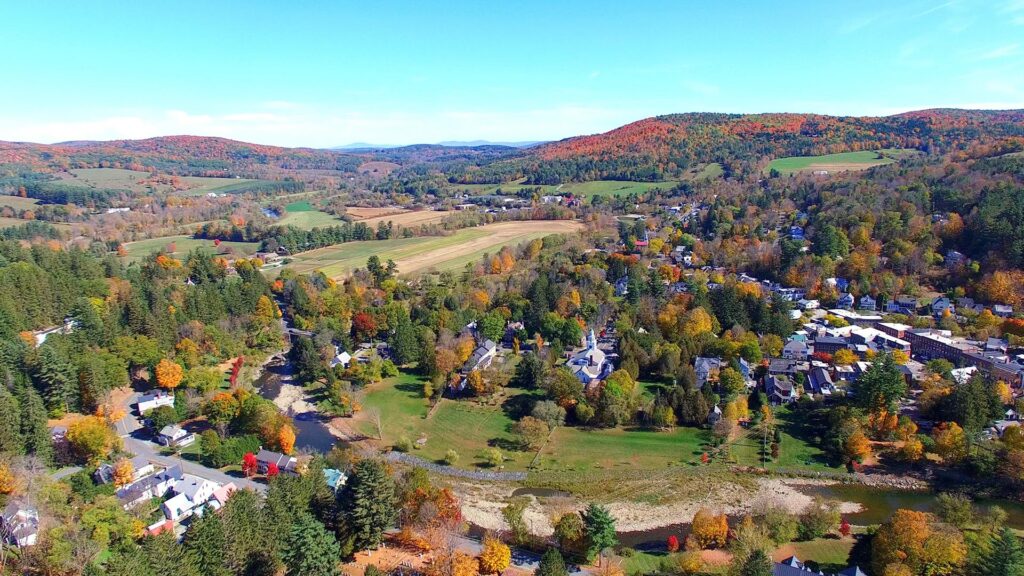
1. Dahlonega, Georgia
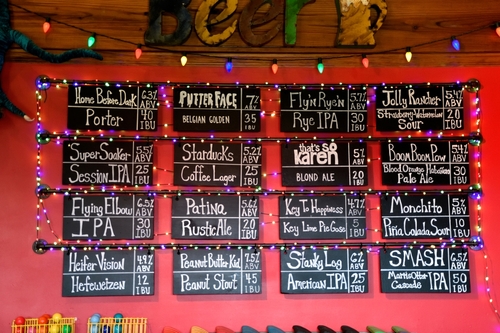
Dahlonega hosts a month-long Christmas celebration that transforms its town square. Lights, carriage rides, and live music bring people together night after night. The tradition builds on the town’s historic charm and gold rush roots. It’s not just a weekend event, it’s a season-long gathering.
In larger cities, holiday events are often spread out and commercial. Here, everything centers on one walkable square. Locals and visitors mingle naturally without barriers. The consistency of the tradition keeps people coming back.
2. Punxsutawney, Pennsylvania
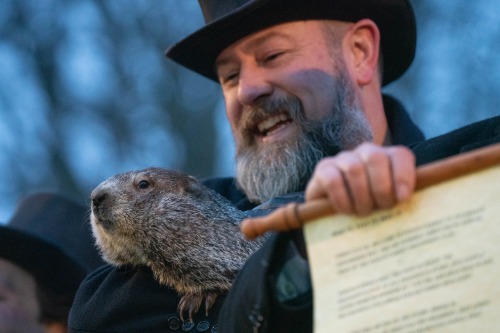
Punxsutawney turns into the center of national attention every February for Groundhog Day. The tradition dates back to the 1880s and revolves around Punxsutawney Phil predicting the length of winter. Residents and visitors gather at Gobbler’s Knob before sunrise, bundled up and waiting together. It’s a ritual that feels intentionally old-fashioned in the best way.
In a larger city, something like this might feel like a novelty event. Here, it still carries real community weight and shared anticipation. Locals treat it as both celebration and civic identity. The whole town leans into it, year after year, without irony.
3. Cooperstown, New York
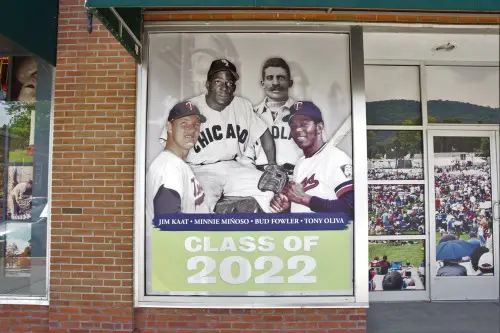
Cooperstown comes alive every summer during Hall of Fame induction weekend. Thousands of baseball fans gather on the lawn near the National Baseball Hall of Fame. The ceremony still feels communal, with people sitting on blankets and listening together. It’s part sports event, part small-town gathering.
In a bigger city, it might be spread across multiple venues and ticket tiers. In Cooperstown, it remains centralized and accessible. Locals open shops, homes, and conversations to visitors. The shared love of baseball turns strangers into neighbors for a few days.
4. Galax, Virginia
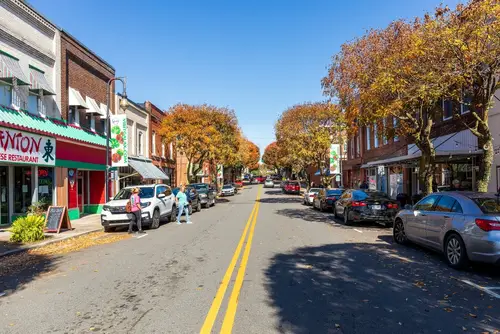
Galax hosts the Old Fiddlers’ Convention, one of the longest-running old-time music festivals in the country. Musicians and fans camp out for days, playing informal jam sessions across the grounds. The event dates back to 1935 and still emphasizes participation over performance. You don’t just watch, you join in.
In larger cities, music festivals tend to be heavily staged and commercialized. Galax keeps things rooted in tradition and community. Families return year after year, passing down tunes and techniques. It feels less like a concert and more like a living cultural gathering.
5. Nederland, Colorado
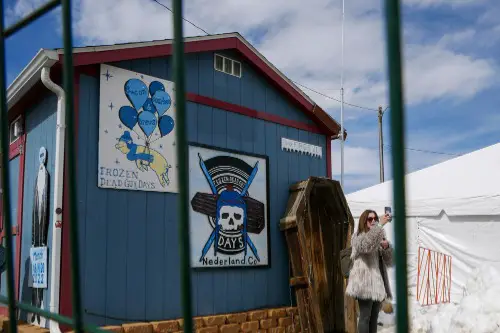
Nederland is known for its quirky Frozen Dead Guy Days festival. What started as a local oddity grew into a full community celebration with coffin races and parades. The event is tied to the story of a cryogenically frozen man stored in town. Residents embraced the weirdness and turned it into something joyful.
Bigger cities might sanitize or overproduce something like this. Nederland keeps it playful and grassroots. People show up in costume and lean into the absurdity together. It’s a reminder that shared humor can anchor a community.
6. Mount Airy, North Carolina
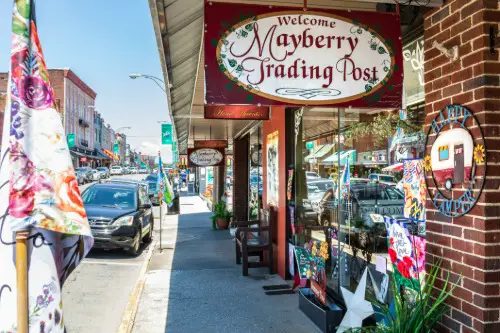
Mount Airy celebrates its connection to The Andy Griffith Show with Mayberry Days. Fans gather for parades, tribute performances, and community events. The town leans into its identity as the inspiration for Mayberry. It’s nostalgic in a way that feels sincere rather than staged.
In bigger cities, nostalgia events often feel like conventions. Here, the whole town participates as itself. Residents and visitors share stories, music, and simple traditions. The event keeps a cultural memory alive in a very personal way.
7. Circleville, Ohio
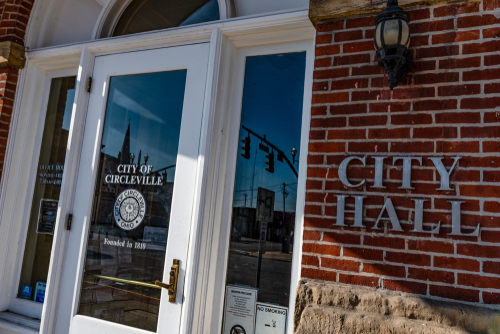
Circleville hosts the Circleville Pumpkin Show, a tradition dating back to 1903. The event fills the town with parades, giant pumpkins, and homemade goods. Schools close and streets shut down to make space for the celebration. It’s a full community pause.
Larger cities rarely stop everything for a single event like this anymore. In Circleville, participation is almost universal. Generations contribute recipes, crafts, and traditions. The scale feels big, but the atmosphere stays close-knit.
8. Traverse City, Michigan
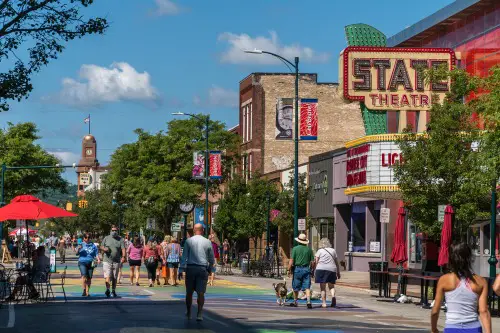
Traverse City hosts the National Cherry Festival each summer. It began in 1925 and celebrates the region’s cherry industry. Parades, pie-eating contests, and air shows bring people together. The event blends agriculture, tourism, and local pride.
In a larger city, such a festival might feel more like a commercial promotion. Here, it still connects directly to the local economy and identity. Residents participate as growers, bakers, and organizers. The shared purpose keeps it grounded.
9. Bayfield, Wisconsin
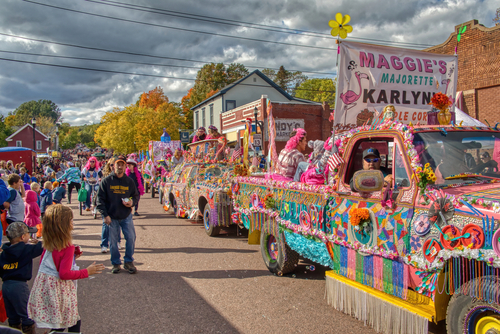
Bayfield celebrates its Apple Festival each fall along Lake Superior. Orchards, farmers, and artisans come together for a weekend of food and crafts. The event highlights the region’s agricultural heritage. Visitors often return annually for the experience.
In bigger places, harvest festivals can feel interchangeable. Bayfield’s setting and scale make it personal. Locals know the growers and the products firsthand. It turns seasonal change into a shared ritual.
10. Marfa, Texas
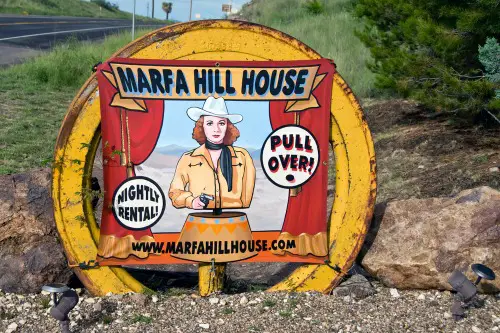
Marfa hosts events centered around the mysterious Marfa Lights. People gather at viewing areas hoping to catch the unexplained glowing orbs. The phenomenon has been reported for over a century. It turns an unexplained natural mystery into a communal experience.
A larger city might turn this into a heavily branded attraction. Marfa keeps it simple and curious. People stand together in the dark, watching and waiting. The shared uncertainty is part of the draw.
11. Sturgis, South Dakota
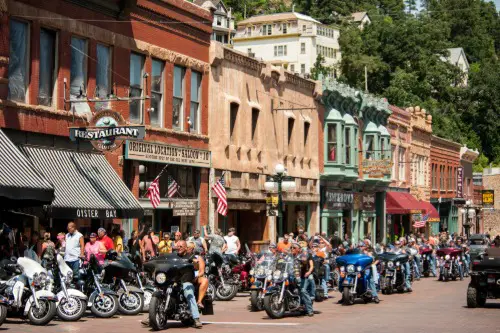
Sturgis becomes the center of the motorcycle world during its annual rally. What began in 1938 has grown into one of the largest motorcycle events in the country. Riders gather for races, concerts, and group rides. The town transforms completely during the event.
Even with its size, the rally still feels rooted in community tradition. In a larger city, it might be fragmented across venues. In Sturgis, everything converges in one place. The shared identity of the event keeps it cohesive.
12. Telluride, Colorado
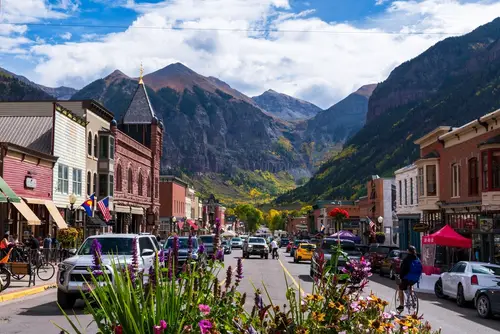
Telluride hosts several festivals, including its well-known Bluegrass Festival. Music fills the mountain valley as people gather in a natural amphitheater setting. The event emphasizes listening, community, and shared space. It feels intimate despite drawing large crowds.
In bigger cities, festivals often compete with surrounding noise and distractions. Telluride’s isolation keeps the focus on the experience itself. People sit, listen, and connect more directly. The setting helps preserve a slower, more communal rhythm.
This post Small Towns That Still Gather for Events Bigger Cities Outgrew was first published on American Charm.