
1. Petersburg, Alaska
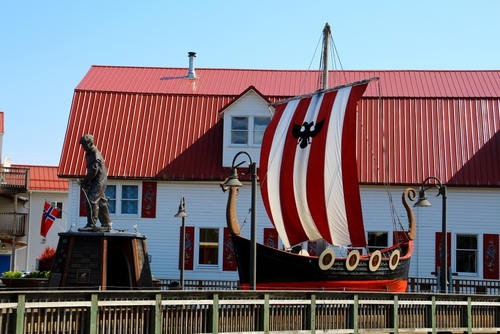
Petersburg is a fishing town with deep Norwegian roots and a strong sense of mutual reliance. Weather and fishing seasons shape everyone’s schedules. Families often work in related trades, tying livelihoods together. That interconnection encourages cooperation over competition.
Community events are widely attended because there aren’t many alternatives. When storms hit or boats are delayed, neighbors step in without hesitation. Kids grow up knowing most adults in town by name. Petersburg feels like a family that understands survival depends on unity.
2. Lindsborg, Kansas
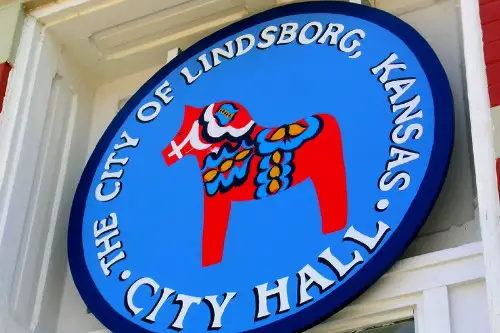
Lindsborg calls itself “Little Sweden,” and that identity shows up in daily life, not just brochures. The town’s Svensk Hyllningsfest brings out entire families who have volunteered together for generations. Shop owners know which kids belong to which households and who just came home from college. It creates a feeling that everyone is loosely related, even if they’re not.
Outside festival season, the closeness doesn’t fade. Bethany College events double as town gatherings, with locals filling seats alongside students. If someone is sick or struggling, word spreads quietly and help appears. That unspoken support system makes Lindsborg feel like a shared household.
3. Mount Airy, North Carolina
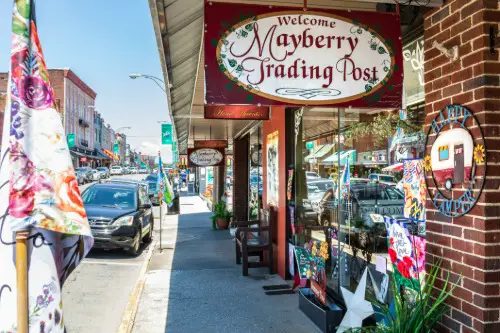
Mount Airy leans into its reputation as the inspiration for Mayberry, but the friendliness is real. Downtown is built for conversation, with locals stopping to chat instead of rushing through. Store owners know regulars by name and often by family history. It feels personal without feeling intrusive.
Events like the Autumn Leaves Festival rely on longtime volunteers who see it as a shared responsibility. High school sports draw crowds that include people with no direct connection to the players. When someone dies, the town turns out in force to support the family. That collective presence makes grief and joy communal experiences.
4. Decorah, Iowa
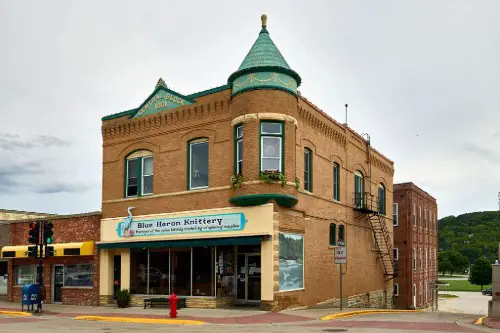
Decorah’s strong Norwegian heritage gives the town a shared cultural backbone. Nordic Fest is a major event, but it’s run largely by locals who treat it as a duty rather than a spectacle. Luther College helps knit the community together through concerts, lectures, and athletics. Town and gown overlap more than they separate.
Residents tend to know who grew up where and who moved back after leaving. Local trails, parks, and fish hatcheries are cared for with pride. When businesses change hands, neighbors pay attention and offer support. Decorah feels like a place where people look out for the whole, not just themselves.
5. Sewanee, Tennessee
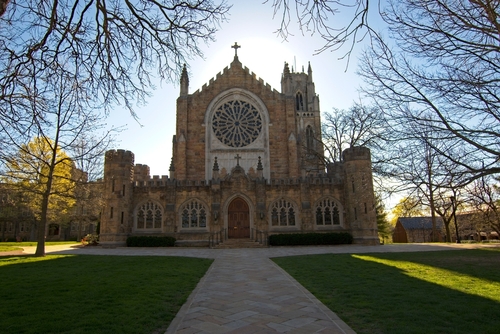
Sewanee revolves around the University of the South, but the relationship is deeply personal. Faculty, staff, students, and townspeople interact constantly at events and on shared land. The Domain, owned by the university, is treated like a collective backyard. That physical closeness translates into social closeness.
Community gatherings often blur the line between campus and town. Children grow up attending lectures, concerts, and church services tied to the university. People notice when someone hasn’t been around and check in. Sewanee functions like a family anchored to a shared home.
6. Woodstock, Vermont
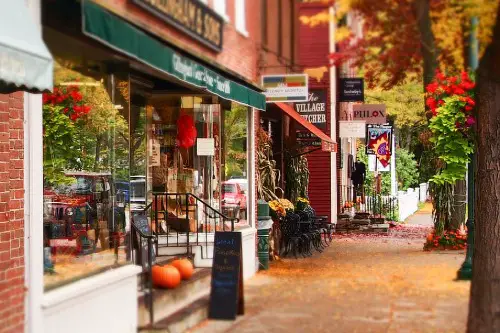
Woodstock’s village green acts as a communal living room. Locals gather there for concerts, markets, and spontaneous conversations. Many businesses are locally owned and staffed by people who live nearby. The town’s scale encourages familiarity without forcing it.
Seasonal changes bring predictable rhythms everyone shares. Neighbors help each other during heavy snow and flooding events. Community organizations rely on volunteers who see participation as normal. Woodstock’s steadiness makes it feel like an extended family that knows how to weather things together.
7. Friday Harbor, Washington
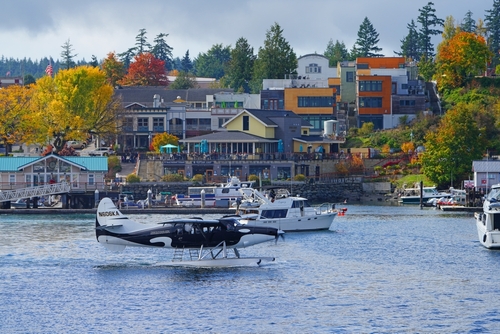
Friday Harbor’s island location naturally fosters interdependence. With ferries as the main connection to the mainland, residents learn to rely on each other. People recognize one another at the grocery store, dock, and post office. That repetition builds trust over time.
Local events like ferry send-offs and holiday parades draw most of the town. When someone misses the last boat, someone else usually offers a couch. News travels quickly but with concern rather than gossip. Living there feels like being part of a shared household on an island.
8. Marfa, Texas
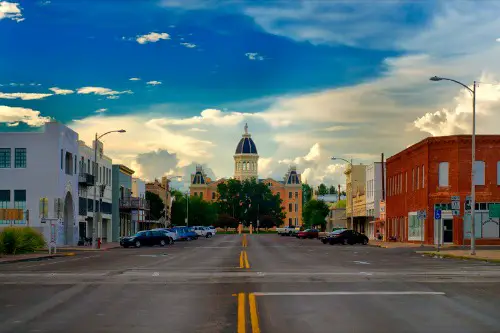
Marfa’s small size contrasts with its outsized cultural reputation. Despite international attention from the art world, locals still know who belongs to which family. The Chinati Foundation and other institutions rely heavily on community involvement. That shared stewardship keeps the town grounded.
People tend to show up for each other during emergencies or hardships. Longtime residents and newcomers interact regularly because there aren’t many places to avoid each other. Conversations happen at the post office, not behind screens. Marfa works because people treat it as something to protect together.
9. New Glarus, Wisconsin
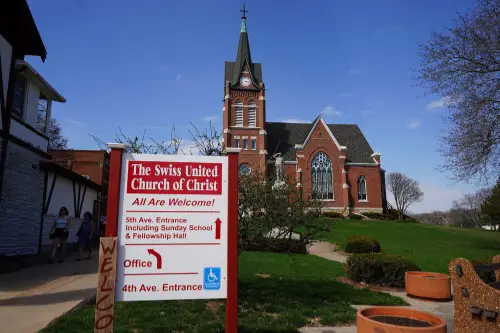
New Glarus runs on Swiss tradition, but the real engine is community participation. Residents maintain shooting clubs, music groups, and festivals that require cooperation across age groups. The New Glarus Brewing Company is locally owned and widely supported, reinforcing pride and shared success. People talk about the town as “ours,” not something separate from themselves.
Neighbors tend to show up without being asked, especially during major events like Wilhelm Tell. Kids grow up helping at festivals their grandparents once ran. When a sidewalk needs shoveling, someone nearby usually handles it. That kind of instinctive care gives the town a family feel.
10. Floyd, Virginia
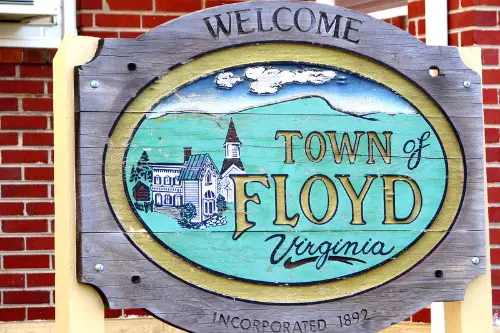
Floyd’s identity is tied closely to music and weekly gatherings. The Friday Night Jamboree brings residents together in a way that feels ritualistic. Musicians, dancers, and spectators span generations and backgrounds. Everyone plays a role, even if it’s just listening.
Outside of music, people check on each other regularly. Local businesses function as informal community centers. If someone doesn’t show up for a while, it’s noticed. That attentiveness gives Floyd its family-style atmosphere.
11. Cooperstown, New York
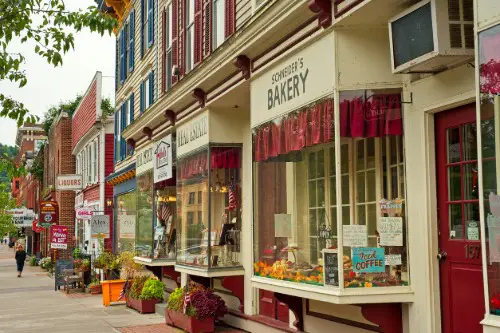
Cooperstown is famous for baseball, but locals experience it as a small, tightly woven town. Outside the summer tourist season, residents reclaim the village. Schools, churches, and civic groups overlap heavily. People wear multiple hats and know each other’s stories.
Community events are well attended because participation matters. When the lake freezes or floods, neighbors coordinate help. Families often have deep roots, and newcomers are quickly recognized. Cooperstown feels less like a destination and more like a shared inheritance.
This post Small Towns That Function More Like Families Than Cities was first published on American Charm.

