
1. Bisbee, Arizona
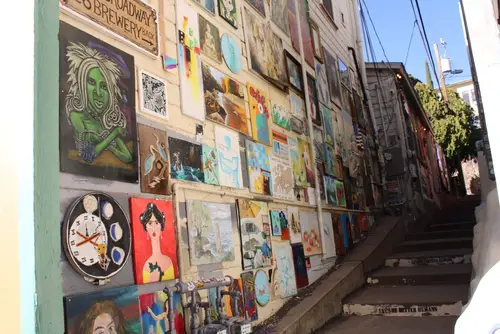
Bisbee looks like a relic of its copper mining past when you first wind into its hillside streets. Old brick buildings and steep staircases give it a slightly frozen-in-time feel. It’s easy to assume it’s just another historic town with a few shops and museums. Then you start noticing the artists, musicians, and offbeat community that stayed behind.
The longer you’re there, the more the town’s personality unfolds. Locals are talkative, and stories about mining days blend with modern creative life. Events, galleries, and quirky traditions start to feel like the real heartbeat. Bisbee shifts from quiet to vividly individual once you settle in.
2. Marfa, Texas
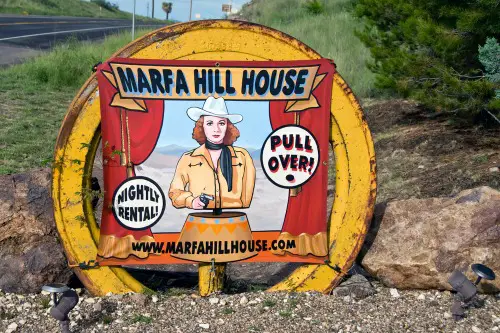
Marfa feels almost empty when you first arrive, like you’ve driven into a place that exists more in photos than in real life. The quiet streets and low desert buildings don’t immediately explain why people talk about it so much. Then you start noticing the art galleries, installations, and the legacy of minimalist artist Donald Judd. The town slowly reveals itself as a deliberate creative hub rather than a forgotten outpost.
Stay a little longer, and the pace begins to reset your expectations. Nights stretch out under dark skies, and conversations feel more intentional. The famous Marfa Lights add a layer of mystery that locals treat as almost routine. What seemed sparse at first starts to feel curated and quietly alive.
3. Eureka Springs, Arkansas
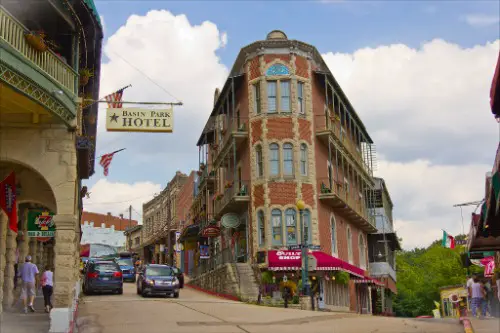
Eureka Springs immediately stands out for its winding streets and Victorian architecture. The entire town feels like it was built to follow the hills rather than flatten them. At first, it seems like a charming tourist destination centered on historic preservation. You notice shops, spas, and references to its past as a healing resort town.
Give it more time, and its spiritual and artistic side becomes more visible. The natural springs that drew visitors in the 1800s still shape its identity. There’s a strong undercurrent of alternative culture, from art to wellness practices. It ends up feeling less like a stopover and more like a place with its own rhythm.
4. Galena, Illinois
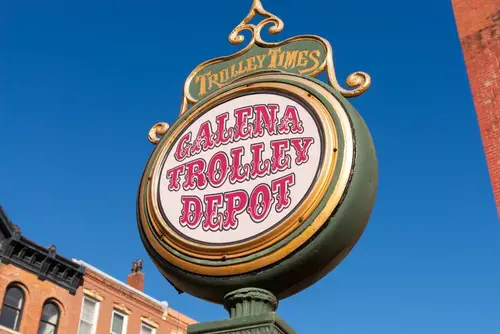
Galena greets visitors with remarkably preserved 19th-century buildings. Its downtown looks almost unchanged from its river trade boom days. At first glance, it feels like a polished historic district built for tourism. You can easily take in the main street in an afternoon.
Stay longer, and you start to notice how much of that history is still lived in. The town was once home to Ulysses S. Grant, and that legacy still shapes local identity. Seasonal changes bring different energy to the same streets. What felt like a snapshot begins to feel like a living place.
5. Port Townsend, Washington
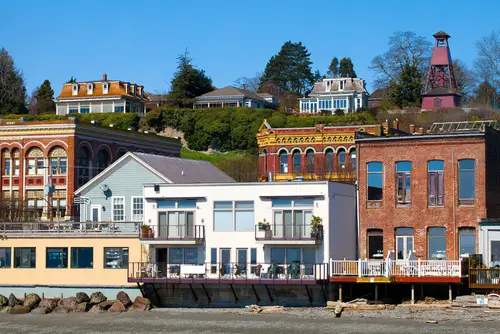
Port Townsend initially feels like a quiet coastal town with impressive Victorian buildings. Its maritime history is visible in the harbor and historic district. You might assume it’s mainly about scenery and architecture. The pace seems slow and predictable at first.
After a few days, the town’s creative and literary culture starts to stand out. Festivals, workshops, and local arts organizations bring constant activity. The mix of history and creativity creates a layered identity. It becomes clear that there’s more going on than the calm surface suggests.
6. Taos, New Mexico
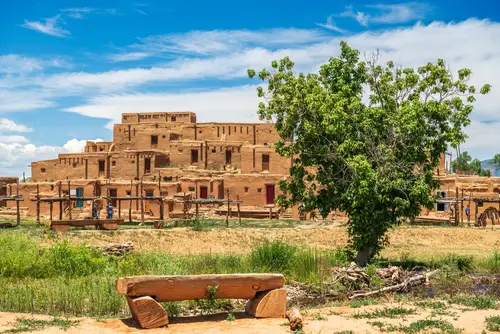
Taos draws people in with its adobe buildings and dramatic desert landscape. At first, it feels defined by its art scene and tourist appeal. Landmarks like Taos Pueblo hint at a deep and complex history. You might initially experience it as a visually striking destination.
Spending more time reveals the cultural depth behind those visuals. The influence of Native American, Hispanic, and Anglo traditions shapes everyday life. Artists have been drawn here for generations, creating a strong creative identity. Taos shifts from scenic to deeply rooted the longer you stay.
7. Harpers Ferry, West Virginia
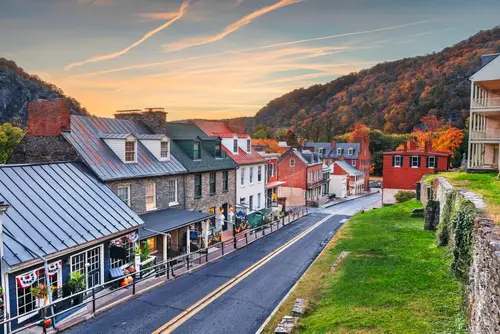
Harpers Ferry feels like a preserved historical site at first. Its location at the meeting of two rivers makes it visually dramatic. Most visitors come for its role in the John Brown’s Raid on Harpers Ferry. It can seem like a place you visit briefly and move on.
But staying longer changes that impression. The surrounding trails and natural landscape become a major part of daily life. The town’s layered history starts to feel more present than staged. It becomes less of a museum and more of a lived environment.
8. Sedona, Arizona
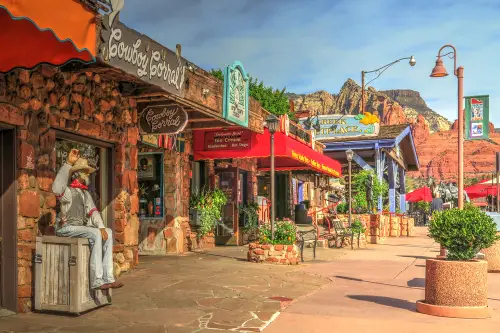
Sedona is immediately striking with its red rock formations. At first, it can feel like a scenic stop filled with resorts and viewpoints. Many visitors come for hiking and photography. The landscape tends to dominate your attention.
After a longer stay, the town’s spiritual reputation becomes more noticeable. Concepts like energy vortexes are part of local culture and tourism. Wellness retreats and alternative practices are woven into daily life. Sedona begins to feel less like a backdrop and more like a mindset.
9. Bar Harbor, Maine
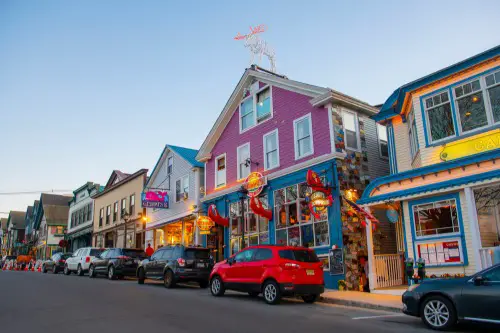
Bar Harbor starts off as a classic gateway town to Acadia National Park. Shops, restaurants, and waterfront views create a familiar coastal vibe. It can feel busy and seasonal, especially in peak tourist months. You might assume its identity is tied mostly to visitors.
Stay beyond the busiest times, and a quieter side emerges. The rhythms of the harbor and local community become more visible. Seasonal shifts dramatically change the town’s atmosphere. It starts to feel less like a tourist hub and more like a working coastal town.
10. Deadwood, South Dakota
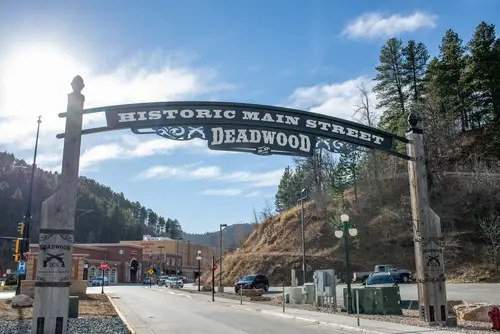
Deadwood introduces itself through its Wild West history and preserved streets. You notice saloons, historic buildings, and references to figures like Wild Bill Hickok. At first, it can feel like a themed destination built around its past. The atmosphere leans heavily on storytelling.
Over time, the town’s deeper history becomes more nuanced. The realities of gold mining and frontier life add complexity to the narrative. Local life continues alongside tourism in subtle ways. Deadwood starts to feel less like a performance and more like a layered community.
11. Sitka, Alaska
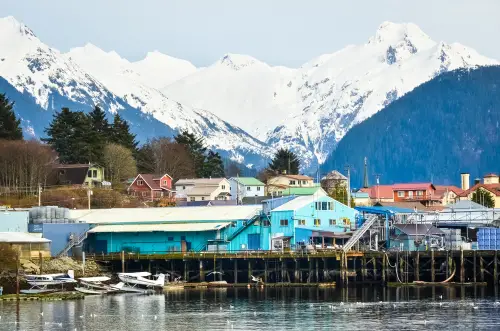
Sitka feels remote the moment you arrive, surrounded by water and mountains. Its history as a former Russian settlement is immediately visible. Landmarks reflect its time as the capital of Russian America. At first, it seems defined by geography and history.
Longer stays reveal a strong local culture shaped by isolation and environment. Fishing, weather, and seasonal light patterns influence daily routines. The community feels tightly connected in ways visitors might not notice right away. Sitka becomes more personal the more time you spend there.
12. Jim Thorpe, Pennsylvania
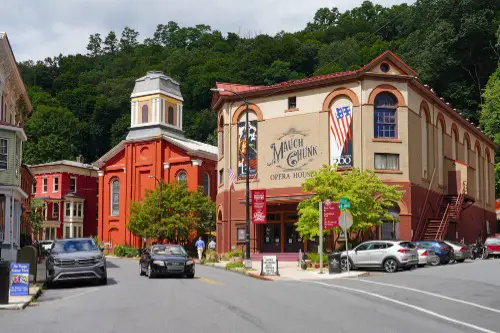
Jim Thorpe is often called one of the most picturesque towns in Pennsylvania. Its mountain setting and historic buildings create an immediate visual appeal. At first, it can feel like a well-preserved tourist destination. The downtown area is easy to explore quickly.
Stay longer, and the town’s pace and character become more distinct. Outdoor recreation and local traditions shape daily life. Its identity goes beyond aesthetics into something more community-driven. The longer you stay, the less it feels like a backdrop.
13. Ashland, Oregon
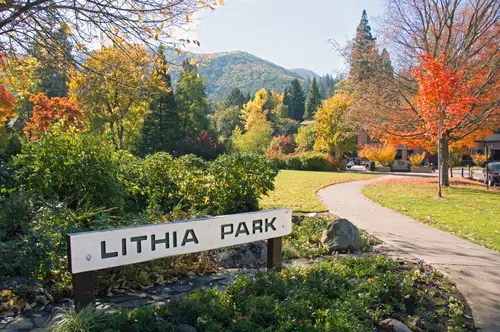
Ashland is best known for the Oregon Shakespeare Festival, which draws visitors from across the country. At first, it can feel like a theater town built around performances. Restaurants, parks, and shops cater to that steady flow of visitors. The cultural focus is immediately clear.
Spending more time reveals a deeper community beyond the festival. Local arts, education, and outdoor life all play major roles. The town has a year-round identity that extends past its headline event. Ashland gradually shifts from a destination to a lived-in cultural hub.
This post Small Towns That Feel Different the Longer You Stay was first published on American Charm.

