1. Thurmond, West Virginia

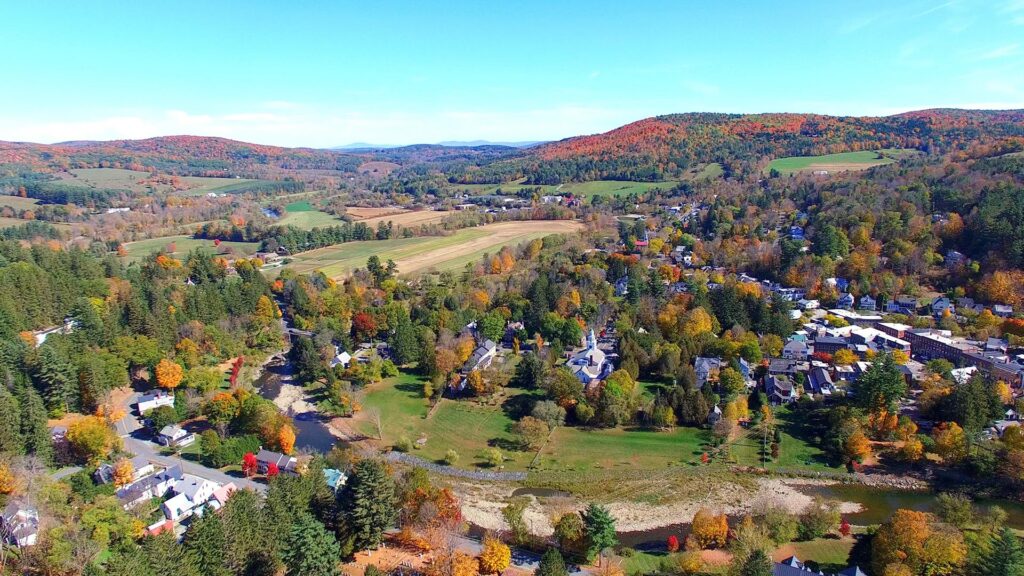
Nestled in the New River Gorge, Thurmond grew around the Chesapeake & Ohio Railway in the early 1900s. It became a bustling rail hub, with hotels, stores, and a busy station that served travelers and coal shipments. At its height, several hundred people lived there, and it was one of the key jump‑off points for mining camps. The railroad brought money, jobs, and activity to this once‑quiet river bend.
But within a decade of its peak, the fortunes of Thurmond dwindled. As rail traffic patterns changed and highway travel increased, business dried up. The population shrank as families left for more prosperous places. Today, much of Thurmond is preserved as part of the New River Gorge National Park, a time capsule of its boom era.
2. Bodie, California
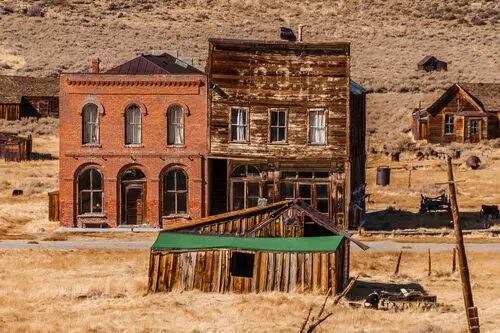
Once a sleepy area near the Sierra Nevada, Bodie exploded from a few miners to thousands almost overnight after gold was discovered in 1859. By the late 1870s, it was a full‑blown boomtown with hundreds of buildings, saloons, and a reputation for hard living. At its peak, Bodie may have had 10,000 residents, though the exact number is debated. Miners, merchants, and families poured in, chasing dreams of striking it rich.
But just as quickly as it rose, Bodie began to fall. Ore yields started to decline in the early 1880s, and by the 1910s many businesses had closed. A series of fires and the Great Depression sped up the exodus. Today, Bodie stands frozen as a state historic park, its empty streets a snapshot of boom and bust.
3. Rhyolite, Nevada
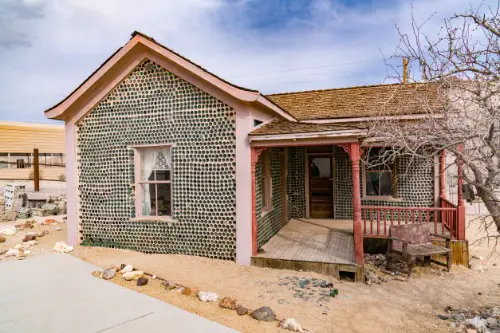
Rhyolite’s life began with a gold discovery in 1904 in the Bullfrog Mining District of Nevada. Within months, the town sprouted grand brick buildings, three railroads, and even an opera house, all to serve a booming mining economy. Newspapers and investors touted it as the next big thing, and people flooded in from across the West. For a brief moment, Rhyolite seemed poised to become a lasting city.
But the boom didn’t last a decade. By 1911 most mines were played out, and the railroads pulled out. Residents left town in droves, and by 1920 Rhyolite was essentially deserted. The ruins now draw visitors curious about its short, electrifying rise.
4. Centralia, Pennsylvania
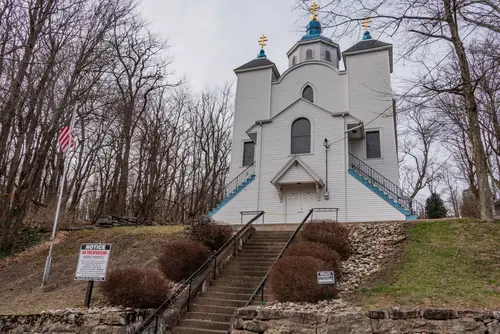
Centralia was a typical coal town until a mine fire ignited beneath the borough in 1962. The blaze spread through underground coal seams, forcing families to confront rising heat and toxic gases. For a few years, residents clung to normal life, hopeful that the fire could be controlled. But as smoke and sinkholes became common, the town’s future dimmed.
Within less than a decade, government buyouts and evacuations emptied Centralia’s streets. Schools closed, businesses shuttered, and addresses were erased from maps. What was once a community of thousands became a near‑ghost town. The smoldering fire continues to burn today, a haunting legacy of sudden decline.
5. Kennecott, Alaska
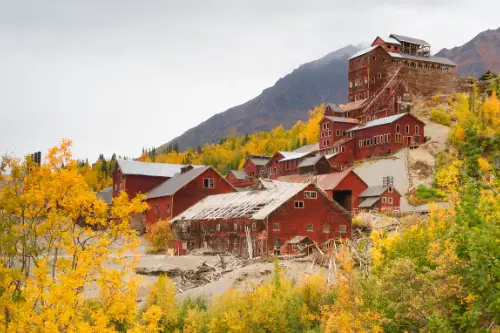
Deep in the Alaskan wilderness, Kennecott came alive in the early 20th century thanks to one of the richest copper deposits ever found. The Kennecott Mines Company built a town to house workers and process ore, complete with a hospital, bakery, and offices. At its peak, it supported hundreds of employees and their families, all living in this remote outpost. The tramway system that hauled copper was an engineering marvel.
Yet by 1938, the high‑grade ore had been exhausted, and mining operations abruptly ceased. Within months, residents packed up and left, leaving homes and buildings behind. What was a thriving industrial town became eerily still. Today, Kennecott is a preserved historic district, a testament to rapid industrial rise and fall.
6. Garnet, Montana
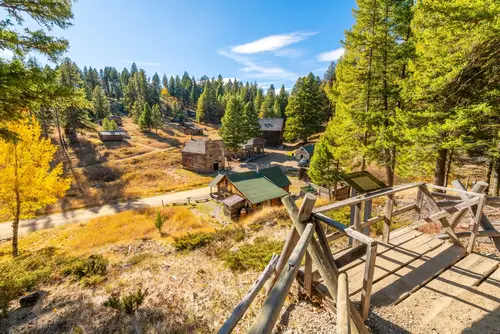
Garnet’s story began in the 1890s with a gold strike that attracted prospectors and merchants to western Montana. It quickly grew into a community of several hundred, complete with a schoolhouse, hotel, and saloons. Miners and their families settled in, optimistic about long‑term prosperity. The town was named not for the gemstone but for the hardy spirit of its settlers.
But just as the veins of gold began to thin, so did Garnet’s population. By 1910 most miners had moved on to richer strikes elsewhere. Buildings were abandoned, and nature began reclaiming the site. Today, Garnet Ghost Town is one of Montana’s best‑preserved boomtown remnants.
7. Cahawba, Alabama
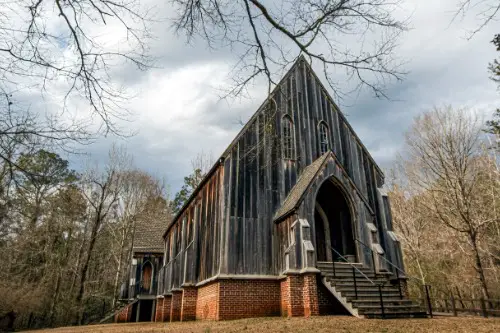
Cahawba holds the unusual distinction of being Alabama’s first state capital in the early 1820s. Situated at the confluence of the Cahaba and Alabama rivers, it seemed destined for growth and importance. Politicians, businesses, and settlers made it a lively place during its brief capital years. It was a center of commerce, law, and society for the young state.
But flooding and political wrangling led to the capital being moved within a decade. Without that central role, Cahawba declined rapidly. Residents left, and the town became largely deserted by the 1840s. Now preserved as an archaeological park, Cahawba’s remnants tell a story of early ambition and abandonment.
8. St. Elmo, Colorado
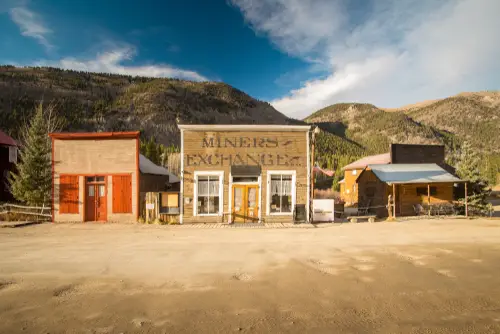
High in the Sawatch Range, St. Elmo emerged in 1880 as a supply center for nearby gold and silver mines. At its height, it boasted hotels, a bustling business district, and a population in the hundreds. Mining claims in the surrounding hills promised wealth, and wagon trains delivered people and goods. The railroad reached nearby Chalk Creek Valley, boosting commerce and hope.
But the rich ore that fueled St. Elmo’s growth didn’t last. By 1910 most mines were inactive and families packed up for better prospects. The post office closed in 1952, marking the end of services. Today, St. Elmo is one of Colorado’s most intact ghost towns, sitting quiet amid the mountains.
9. Goldfield, Nevada
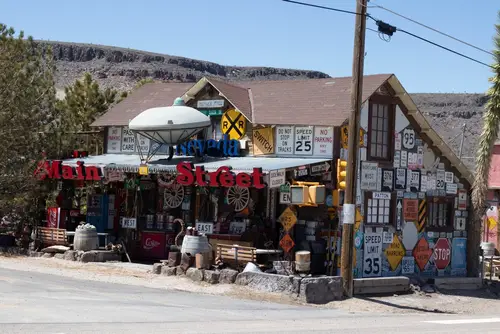
Goldfield burst onto the scene in 1902 after a major gold strike near the present‑day townsite. Within months, it became the largest city in Nevada, with grand hotels, a bustling Main Street, and a population near 20,000. Investors poured money into infrastructure, including electric streetlights and big‑name entertainment venues. It was the place to be if you were chasing fortune in the desert.
Yet by 1910, the easy gold was gone and the boom turned to bust. Miners left in droves as ore became harder to find and extract. Fires and financial panic hastened the decline. Today, a small community remains, but most of Goldfield’s historic buildings stand as relics of its fleeting boom.
10. Ruby Hill, Nevada
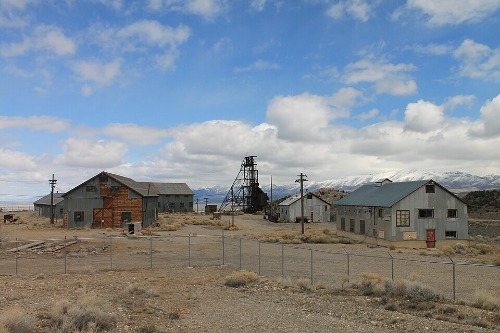
Ruby Hill grew almost overnight in the 1870s after silver was found along the eastern slope of the Diamond Mountains. The town sprang up with saloons, stores, and a lively population eager to strike it rich. Prospectors and families crowded into makeshift housing as wealth seemed abundant. For a short while, Ruby Hill was the center of its own mining district.
But within a decade, production fell sharply and the town’s population dwindled. Many residents relocated to newer booms elsewhere in Nevada and California. Buildings were abandoned and the streets grew quiet. Today, little remains at the site, save old foundations and memories of its rapid rise and fall.
11. Cisco, Utah
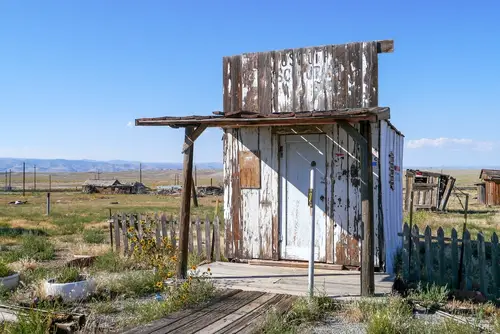
Cisco was a modest railroad and mining town along the Colorado River that saw a surge in activity in the early 20th century. Oil discoveries nearby in the 1920s brought renewed interest, and the town swelled with workers and opportunists. Businesses thrived on the influx, catering to both rail and oil industry traffic. For a moment, Cisco seemed like it might buck the trend of forgotten desert towns.
But the boom was brief. Once the oil dried up and rail traffic declined with the rise of highways, Cisco’s raison d’être evaporated. Residents left, leaving behind empty buildings and silent tracks. Today, it’s often cited as one of the classic ghost towns of the Southwest. Only a few structures and memories mark where people once lived and worked.
12. Calico, California
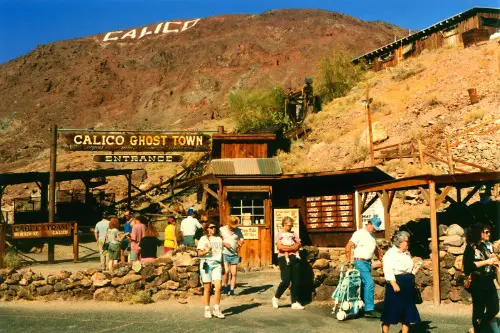
Calico was founded in 1881 after silver was discovered in the mountains near the Mojave Desert. The town grew fast, with over 500 mines and a full roster of saloons, hotels, and even a red‑light district. It attracted miners and entrepreneurs seeking their slice of the silver boom. The hills around Calico rang with pickaxes and shouts of discovery.
But by 1896, silver prices had plummeted and mining ceased to be profitable. In less than 15 years the boom had faded, and the town emptied as quickly as it had filled. Buildings were left behind, slowly falling into ruin. Today, Calico is a restored ghost town park where visitors can step back into its short‑lived heyday.
This post Small Towns That Boomed—and Emptied Within a Decade was first published on American Charm.