
1. Leavenworth, Washington
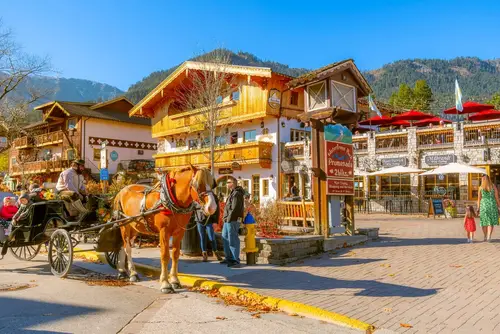
Leavenworth looks like it was air-dropped from Bavaria into the Cascades, complete with alpine architecture and bratwurst stands. What started as a struggling logging town reinvented itself as a German-style village in the 1960s, and the experiment worked a little too well. Now it’s a hotspot for tourists in lederhosen sipping craft beer and taking selfies by faux-German signs. Locals will admit it’s fun—but only if you don’t mind the kitsch.
Behind the cuckoo clocks and beer gardens, Leavenworth has legitimate natural beauty. The Wenatchee River runs right through town, and nearby trails are spectacular. But the constant flow of visitors can make it feel like Disneyland with dirndls. Many residents escape to the outskirts when Oktoberfest season hits.
2. Gatlinburg, Tennessee
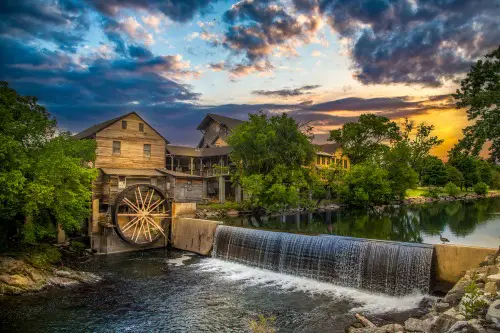
Gatlinburg sits at the gateway to Great Smoky Mountains National Park, and it’s every bit as charming as locals claim—until you hit the traffic on the Parkway. The town’s rustic, log-cabin aesthetic draws millions, but so do the fudge shops, moonshine tastings, and Ripley’s attractions packed shoulder-to-shoulder. You’ll find everything from pancake houses to chairlifts promising “the best view in Tennessee.” While it’s undeniably fun, locals quietly roll their eyes at the endless stream of selfie sticks and souvenir bear mugs.
Despite the crowds, the area’s beauty is real. Drive five minutes out of downtown and you’ll find peace among the forested roads and misty ridges. But downtown Gatlinburg itself feels more theme park than mountain escape. It’s one of those places locals love in theory—but rarely visit unless they have guests in town.
3. Sedona, Arizona
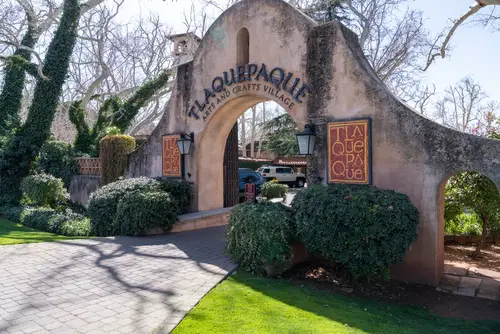
Sedona’s red rock views are jaw-dropping, but the town itself can feel like a spiritual shopping mall. Between the vortex tours, aura readings, and crystal shops, it’s easy to forget there’s actual wilderness just beyond the boutique windows. The main drag gets jammed with cars hunting for parking spots and “authentic” desert experiences. Even lifelong residents joke that it’s easier to hike a trail than to find a free table for brunch.
That said, the setting really is magical. Locals know to hit the trails early, before the bus tours arrive. The surrounding canyons offer some of the best hikes in the Southwest. Still, ask anyone who’s lived there a while, and they’ll tell you Sedona is as much about selling enlightenment as finding it.
4. Lake George, New York

Lake George in the Adirondacks is a summer classic that’s been luring families for generations. But once you step onto Canada Street, the neon signs and mini-golf courses take over fast. It’s like someone bottled nostalgia and sold it with a side of soft-serve. Locals know the lake’s pristine beauty deserves better than bumper-to-bumper boats and souvenir T-shirts.
Still, there’s no denying the place has a certain charm when the crowds thin. Early mornings bring mist on the water and quiet docks—before the jet skis start. Many locals escape to nearby quieter lakes to get that same view without the chaos. Lake George may be gorgeous, but it’s not exactly undiscovered.
5. Pigeon Forge, Tennessee
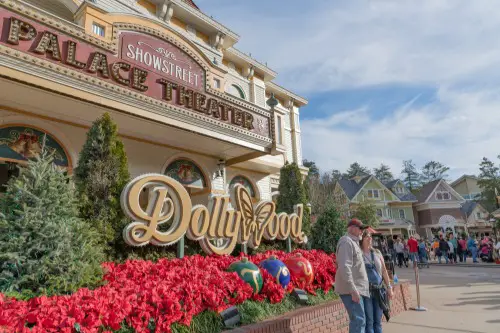
Pigeon Forge is Gatlinburg’s flashier cousin—less mountain charm, more neon spectacle. Dollywood anchors the town, but so do dozens of go-kart tracks, dinner theaters, and wax museums. For families, it’s a wonderland; for locals, it’s a year-round traffic jam. Ask anyone nearby and they’ll tell you they avoid the Parkway like the plague in summer.
Still, it’s hard to deny that Pigeon Forge delivers entertainment value. Dollywood remains a point of pride, with real craftsmanship and community spirit. But the rest of town can feel like an endless loop of the same souvenir shops. Even longtime Tennesseans admit it’s hard to tell where one attraction ends and another begins.
6. Moab, Utah
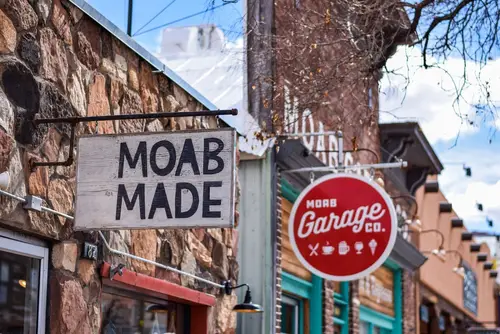
Moab has become a must-stop for adventurers chasing that perfect desert Instagram shot. Once a quiet gateway to Arches and Canyonlands National Parks, it now teems with Jeeps, mountain bikers, and guided tours. Prices have skyrocketed, and locals struggle to find housing as short-term rentals dominate. Many residents reminisce about when Moab was just a sleepy town for river rats and climbers.
That said, the landscape is otherworldly. The red rock vistas and starry skies never get old, even for those who live there. Locals just wish visitors would stick around to learn the land’s history instead of rushing from one viewpoint to the next. Moab’s still magic—but it’s a magic that comes with a crowd.
7. Estes Park, Colorado
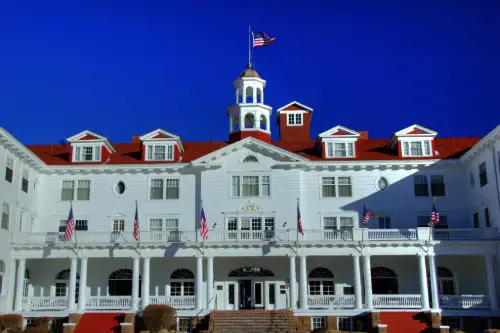
Estes Park looks like a perfect mountain postcard, perched at the entrance to Rocky Mountain National Park. But the quaint downtown can feel overrun with candy shops, souvenir stands, and elk-jam traffic. It’s a tourist’s dream and a local’s headache, especially during peak season. Residents joke that you can’t go to the grocery store in July without bumping into a selfie stick.
Still, you can’t deny the allure. The Stanley Hotel’s haunted charm and the park’s wildlife draw millions for good reason. Locals just wish more visitors would linger in the lesser-known trails instead of crowding Bear Lake. Estes Park thrives on tourism, but many wish it didn’t have to survive by it.
8. Bar Harbor, Maine
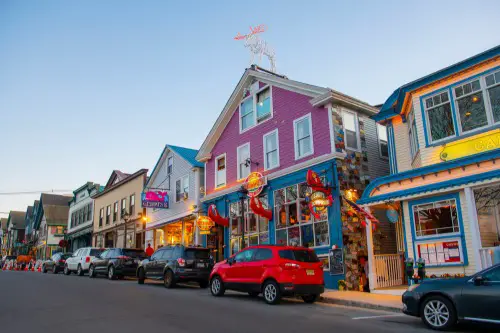
Bar Harbor is the gateway to Acadia National Park, and in summer it practically bursts at the seams. Cruise ships dock, tour buses roll in, and suddenly the quiet coastal town becomes a sea of souvenir bags and lobster bibs. The waterfront is beautiful, but good luck finding parking anywhere near it. Locals know to enjoy Acadia in spring or fall—when the island actually feels like Maine again.
Despite the chaos, the scenery is unbeatable. The rugged coastlines and pine-scented air remind you why everyone flocks here in the first place. But Bar Harbor’s balance between small-town charm and cruise-ship crowd control is a fragile one. Many year-round residents head inland when the high season hits.
9. Jackson, Wyoming
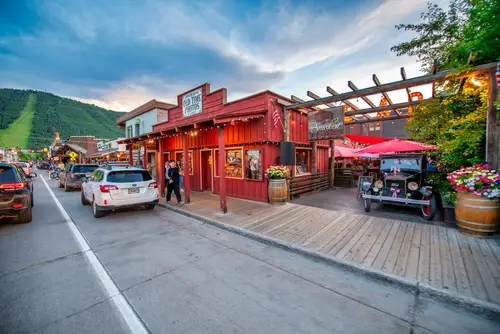
Jackson’s Wild West aesthetic meets ultra-luxury living in a mashup that locals have mixed feelings about. The town square’s antler arches and cowboy bars make for great photos, but the boutiques sell handbags that cost more than a ranch hand makes in a month. Tourism dollars keep the town thriving, but they’ve also driven prices through the roof. It’s a place where ski bums and billionaires coexist—barely.
The surrounding wilderness is pure Wyoming beauty. Grand Teton National Park is just minutes away, offering some of the best views in the country. But downtown Jackson feels more like Aspen’s little brother than a rustic retreat. Locals love their home, but they quietly wish the crowds would slow down just a bit.
10. Lake Tahoe, California/Nevada
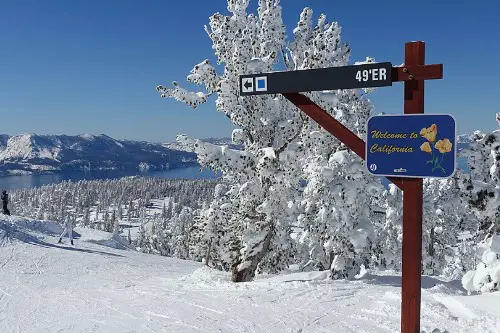
Tahoe straddles two states and draws visitors year-round for skiing, beaches, and casinos. It’s stunning—but the traffic around the lake is anything but peaceful. On busy weekends, it can take hours to travel what should be a quick drive. Locals call it “Carmageddon on Ice.”
Still, the lake’s blue depths and alpine backdrop are breathtaking. Residents cherish Tahoe’s quieter corners and off-season calm. But between Airbnb rentals and crowded ski resorts, it’s lost much of its old laid-back vibe. Tahoe’s not just a lake anymore—it’s a lifestyle brand.
11. Helen, Georgia
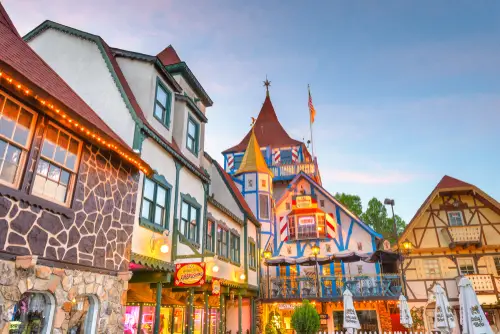
Helen is Georgia’s answer to Bavaria, complete with gingerbread trim and beer gardens on the Chattahoochee River. It’s cute, yes, but also deliberately kitschy. The entire town was remodeled in the 1970s to attract tourists, and boy, did it work. These days, Oktoberfest runs for weeks, and the crowds are as thick as the pretzels.
Locals admit the town’s strategy saved it economically. Still, the novelty wears thin if you live there year-round. Underneath the alpine façades lies a hardworking Appalachian community that sometimes feels hidden by the gimmick. Helen is as photogenic as it is packed.
12. St. Augustine, Florida
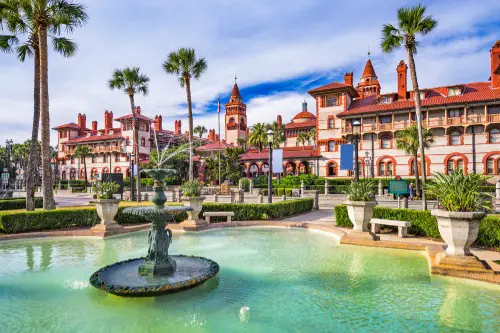
St. Augustine bills itself as the nation’s oldest city, and the history is legitimate—but so are the crowds. The cobblestone streets around St. George Street are lined with shops selling pirate gear, saltwater taffy, and trinkets galore. Tour trolleys circle endlessly, and you can’t walk ten feet without overhearing a ghost story. Locals know to visit the Castillo de San Marcos in the off-season if they want any peace.
Still, the Spanish colonial architecture and coastal breezes make it hard to stay mad. The city’s blend of history and beach culture is undeniably appealing. But for every authentic landmark, there’s a dozen places cashing in on the charm. St. Augustine walks a fine line between historic gem and tourist circus.
13. Key West, Florida
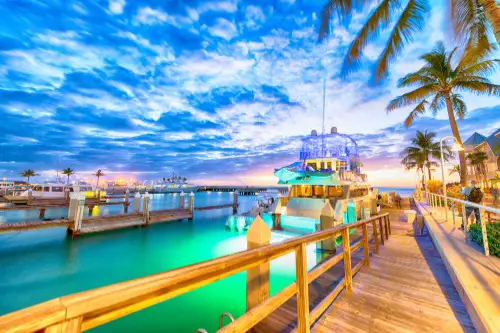
Key West feels like paradise until you try to drive there—or park. Duval Street is a blur of bars, souvenir shops, and sunburned visitors in flip-flops. The “authentic” Conch Republic vibe is still there, but it’s hidden behind a haze of frozen drinks and cruise ship crowds. Locals affectionately call them “the day-trippers.”
Of course, the sunsets and laid-back lifestyle are hard to beat. Away from the main drag, there’s real charm in the pastel houses and quiet streets. But much of Old Town now caters more to tourists than islanders. Even locals can’t deny Key West is equal parts quirky and crowded.
14. Santa Fe, New Mexico
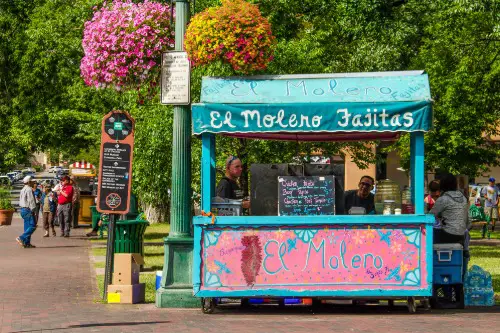
Santa Fe’s adobe beauty and art scene make it feel timeless—but it’s also a magnet for high-end tourism. The galleries, boutiques, and luxury spas often overshadow the city’s deeper cultural roots. Prices have climbed right alongside visitor numbers, and locals sometimes joke they can’t afford to live in their own art exhibit. The Plaza, once a true gathering spot, now feels more curated than communal.
Still, Santa Fe’s mix of cultures and landscapes is unlike anywhere else. Locals know the best time to enjoy it is early morning, before the galleries open and the buses roll in. The food, the art, the light—it’s all still there, if you look past the gloss. But it’s no longer the quiet artist’s refuge it once was.
15. Mackinac Island, Michigan
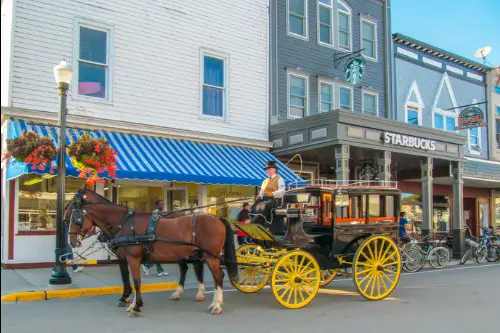
Mackinac Island’s no-car rule and Victorian charm make it feel like a step back in time. But that old-fashioned atmosphere comes with crowds of tourists on bicycles and horse-drawn carriages. The fudge shops are famous, but there are so many they’ve become a running joke. Locals know the island slows down beautifully after Labor Day—if you can hang on through summer.
The island’s natural beauty and history are undeniable. You can explore 19th-century forts, limestone bluffs, and scenic trails all in one afternoon. But with so many day-trippers, it can feel more like a historical theme park than a real community. It’s magical, just not as secret as it used to be.
16. Aspen, Colorado
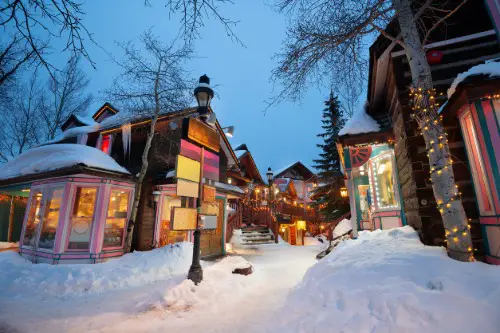
Aspen might be synonymous with skiing and celebrity sightings, but it wasn’t always that way. What began as a mining town has turned into a playground for the ultra-wealthy, where even “affordable” rentals would make most locals wince. The boutiques downtown sell luxury everything, and the lift lines are packed with influencers. Residents often head to nearby Snowmass for a quieter day on the slopes.
Still, Aspen’s scenery is jaw-dropping, and the mountains don’t care who’s wearing designer ski gear. The surrounding wilderness remains as wild as ever. But the town itself feels more curated than lived-in. It’s a beautiful paradox—an alpine wonderland that sometimes forgets it’s part of Colorado.
17. Carmel-by-the-Sea, California
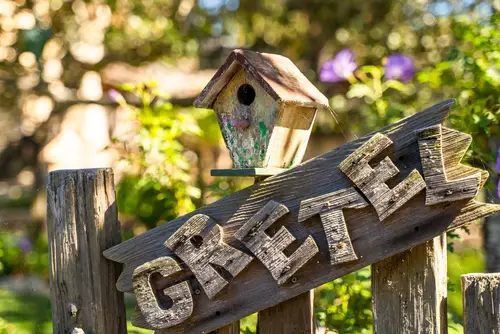
Carmel-by-the-Sea looks like a fairytale village come to life, with ivy-covered cottages and boutique art galleries tucked along winding streets. It’s undeniably beautiful, but also undeniably curated for tourists with deep pockets. The downtown feels more like a lifestyle catalog than a community, and good luck finding parking anywhere near Ocean Avenue. Locals quietly miss the bohemian charm that drew artists here long before the luxury handbags arrived.
Still, it’s hard not to fall for Carmel’s coastal magic. The beaches are pristine, and the scent of salt air drifts through the cypress trees. Residents know to enjoy it early in the morning before the day-trippers pour in from Highway 1. For better or worse, Carmel has perfected the art of the picturesque trap.
18. Provincetown, Massachusetts
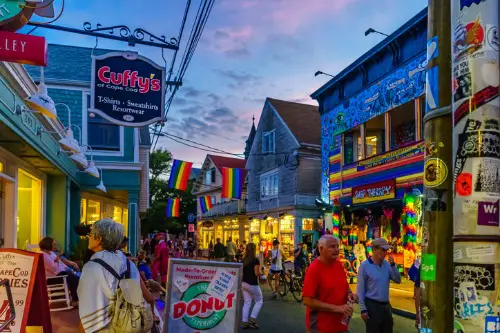
Provincetown sits at the tip of Cape Cod, where the Atlantic meets the creative spirit of New England. Its art galleries, seafood shacks, and vibrant nightlife attract everyone from families to festival-goers. But in summer, the narrow streets fill shoulder to shoulder with visitors, and prices soar faster than the tides. Locals have learned to do their errands before noon or not at all.
Behind the crowds, Provincetown still has an irresistible charm. The dunes and lighthouses remain timeless, and the sense of community endures even amid the chaos. Year-round residents hold tight to their traditions while tourists flood Commercial Street in search of the “real” Cape. They’ll tell you it’s still there—you just have to look past the T-shirt shops.
19. Taos, New Mexico
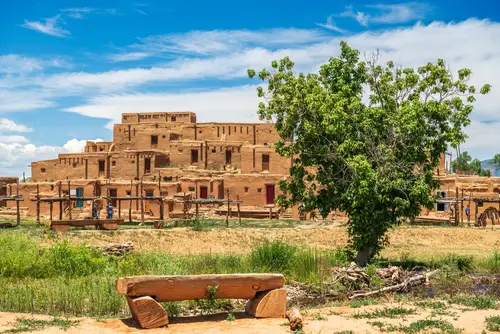
Taos blends Indigenous history, Southwestern art, and mountain beauty into one captivating mix—but the balance is fragile. The town’s adobe streets draw painters, skiers, and spiritual seekers alike, and it can feel like everyone’s trying to capture the same perfect sunset. Prices for housing and art have both gone sky-high, leaving locals squeezed between culture and commerce. What was once a hidden gem has become a polished brand of rustic chic.
Still, Taos’ beauty is the real deal. The surrounding Sangre de Cristo Mountains offer a quiet escape, and the pueblo remains one of the most significant cultural sites in the region. Locals just wish visitors would slow down and listen to the land’s deeper stories. Taos may sell serenity, but it still has soul—if you can find it amid the galleries.
20. Park City, Utah

Park City built its fame on powder snow and Sundance glam, and now it’s nearly impossible to separate the two. Once a humble mining town, it’s become a resort empire lined with luxury condos and celebrity hangouts. During film festival season, it feels more like Los Angeles with a ski lift. Locals call it the time of year when traffic replaces tranquility.
The mountains, of course, remain spectacular. There’s still a small-town heartbeat beneath the glitz, especially once the red carpets roll up. Residents cherish the off-season, when they can actually enjoy the trails and coffee shops without a crowd. Park City may be world-class, but it’s hardly under the radar.
21. Rehoboth Beach, Delaware
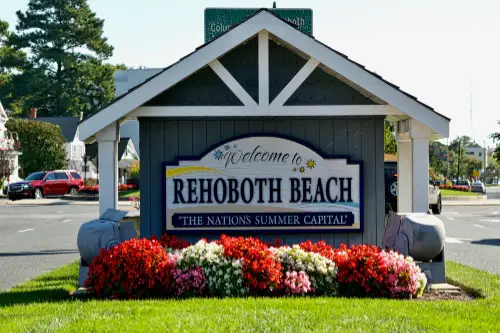
Rehoboth Beach is the Mid-Atlantic’s classic summer escape, full of saltwater taffy, boardwalk fries, and nostalgia. But on peak weekends, it’s less “charming seaside town” and more “parking-lot gridlock by the ocean.” The crowds shuffle from surf shops to beach bars in an endless loop, turning the boardwalk into a human conveyor belt. Locals know better than to attempt downtown on a sunny Saturday.
Yet, there’s still a sliver of old-fashioned joy beneath the chaos. Early risers catch the sunrise and dolphins before the beach towels blanket the sand. Off-season, Rehoboth transforms into the quiet, neighborly town it once was. For most of the year, though, it’s Delaware’s best-kept open secret that everyone already knows about.
22. Asheville, North Carolina
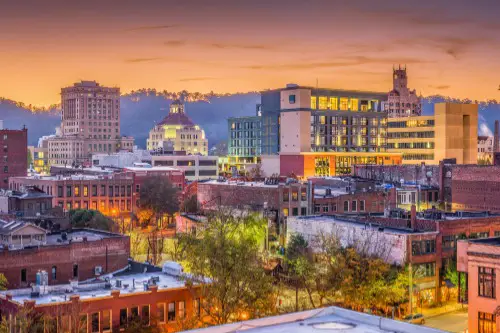
Asheville’s artsy, mountain-town mystique has made it a magnet for travelers craving both craft beer and Blue Ridge views. The breweries, murals, and farm-to-table spots are genuine—but so is the traffic on Biltmore Avenue. Once a quirky enclave, Asheville now teeters between hip and overhyped. Locals say it’s become “a little too discovered for its own good.”
Still, the creative energy that put it on the map hasn’t disappeared. Step outside downtown and you’ll find real community spirit in the neighborhoods and hills. The mountains surrounding the city still ground it in natural beauty and calm. But ask a local, and they’ll tell you Asheville’s charm comes with a side of congestion.
23. Sausalito, California
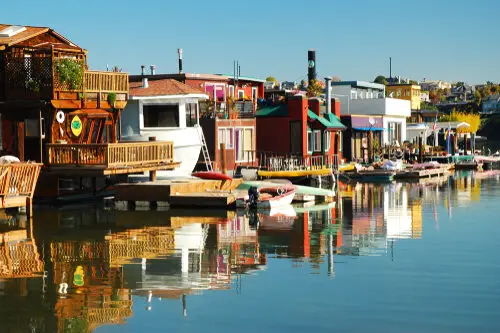
Sausalito’s pastel waterfront and houseboats make it look like a Mediterranean dream just across the Golden Gate. But stroll along Bridgeway on a sunny weekend, and you’ll find yourself shoulder-to-shoulder with day-trippers snapping selfies of the skyline. The boutiques and galleries feel more curated for cruise visitors than longtime residents. Locals escape to the hills when the ferries roll in.
Even so, Sausalito’s beauty is undeniable. The fog drifting over the bay and the sailboats rocking in the marina never get old. There’s a peaceful rhythm here once the crowds leave and the lights of San Francisco glow across the water. It’s a postcard-perfect town—but one you’ll enjoy most after the tourists go home.
This post 23 Small Towns Locals Won’t Admit Are Tourist Traps was first published on American Charm.

