
1. Cash Is Still King in Unexpected Places

Not every small-town business accepts cards, especially older diners, feed stores, or seasonal stands. Spotty internet connections make card readers unreliable in rural areas. Visitors are caught off guard when a “cash only” sign appears at the register. ATMs may be limited or far apart.
There’s a practical history behind this preference. Transaction fees add up for low-margin businesses. Some owners have operated the same way for decades and see no reason to change. Carrying a little cash shows you’ve learned how things work locally.
2. Stores Close Earlier Than You Expect
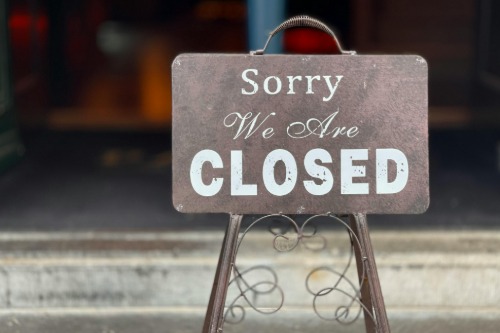
In many small towns, business hours still follow a daylight-and-demand rhythm instead of a 24/7 one. Hardware stores, pharmacies, and even grocery stores may close by 6 or 7 p.m. because the owner is also the only cashier. Visitors often assume Google hours are up to date, but they aren’t always maintained. That late-night errand you planned can turn into a long drive to the next county.
There’s a practical reason behind this that locals understand instinctively. Staffing is limited, and many shops are family-run rather than corporate chains. Owners prioritize predictable schedules so they can coach Little League or eat dinner at home. Once you’ve been caught without milk or gas after sunset, you remember to plan ahead next time.
3. Church Schedules Quietly Shape the Weekend
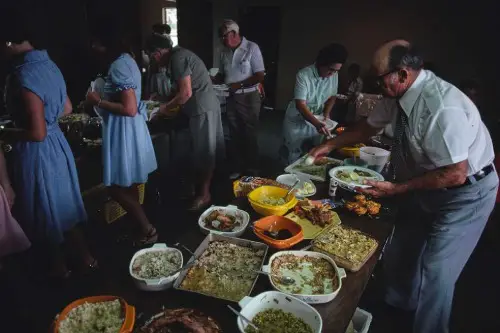
Sunday mornings operate on a different clock in many small towns. Restaurants may open late, shops may close entirely, and traffic patterns shift for a few hours. Visitors are surprised when their usual breakfast stop is dark until noon. The rhythm reflects long-standing habits, not an attempt to exclude outsiders.
Church attendance also explains why Saturday nights can feel subdued. Families are preparing for early mornings rather than late entertainment. Even if you don’t attend services, planning around them makes your visit smoother. Locals appreciate when visitors adapt instead of complaining.
4. Gossip Travels Faster Than the Internet
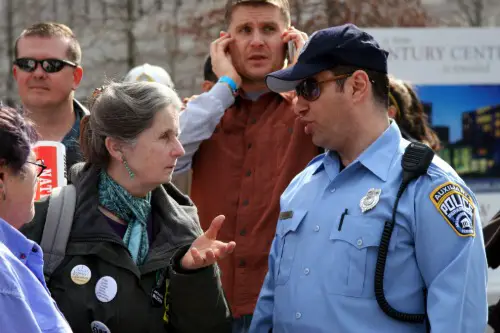
In a small town, word of mouth is still the primary social network. If you argue loudly in a diner or park poorly on Main Street, people notice. That information spreads because people actually talk to each other every day. Visitors often underestimate how visible they are.
This isn’t malicious so much as structural. When everyone shops at the same stores and attends the same events, stories travel naturally. Locals rely on shared information for safety and community awareness. Acting politely isn’t about appearances, it’s about respect.
5. Everyone Notices How You Drive
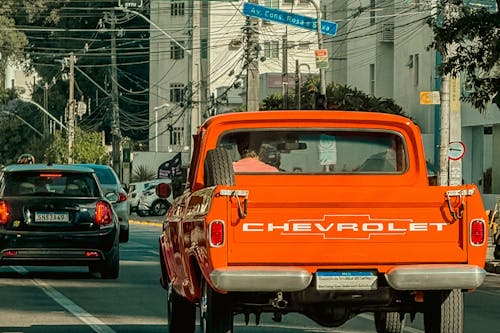
Speed limits in small towns are enforced more strictly than visitors expect. The sudden drop from 55 to 25 mph isn’t a suggestion, even if the road looks empty. Local police often know which cars belong and which don’t. Visitors learn quickly that “keeping up with traffic” isn’t a defense.
This focus on driving isn’t about revenue as much as safety. Kids walk to school, older residents cross streets slowly, and farm equipment may pull out without warning. A single main road often serves as the town’s front porch. Driving respectfully signals that you understand you’re passing through someone else’s daily life.
6. People Will Talk to You, Whether You’re Ready or Not

Small-town conversations start easily and end slowly. Strangers may ask where you’re from while you’re waiting in line or pumping gas. Visitors sometimes misread this as nosiness instead of friendliness. In reality, it’s a way of placing you in context.
These interactions serve a social purpose. Knowing who’s passing through helps communities stay connected and safe. Polite answers go a long way, even if you keep details light. Brushing people off feels rude in places where acknowledgment is the norm.
7. High School Sports Matter More Than You Think
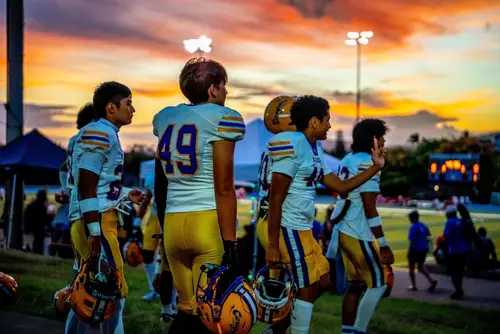
Friday night football or winter basketball can empty a town faster than a storm warning. Restaurants, roads, and even grocery aisles get quiet during games. Visitors are surprised when nothing seems open or available for a few hours. The schedule revolves around these events.
This emphasis exists because schools are community anchors. Sports bring generations together and provide shared identity. Many businesses close early so employees can attend. Once you’ve tried to eat out during a championship game, you learn to plan differently.
8. The Diner Has an Unwritten Seating Order
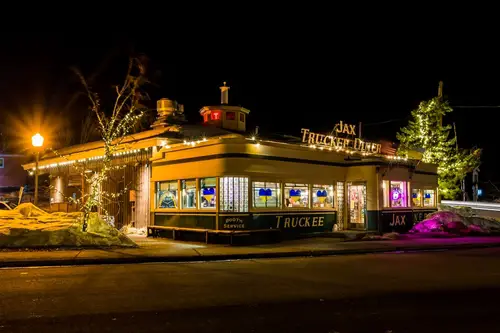
In many small-town diners, regulars sit in the same spots every day. Visitors may unknowingly take a “claimed” seat at the counter. No one may say anything, but the tension is real. You feel it immediately if you’re paying attention.
These routines create comfort and familiarity for locals. Sitting in the same place is part of daily structure, especially for retirees. Asking “Is this seat taken?” is a small courtesy that matters. It shows you’re aware you’re stepping into someone else’s space.
9. Last Names Carry History
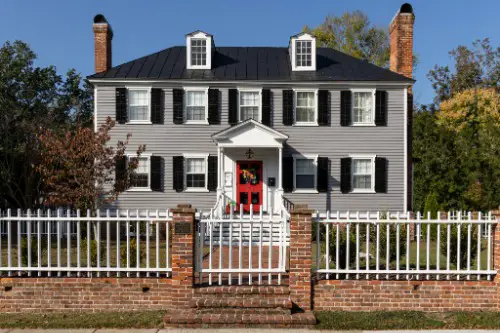
In small towns, a last name can open or close doors before you speak. Longtime families are remembered for decades, sometimes generations. Visitors hear phrases like “Are you related to the Millers?” and don’t know why it matters. The answer often shapes the conversation.
This isn’t about exclusion so much as memory. Families are tied to farms, businesses, and local events. Last names act like shorthand for shared history. Understanding this helps visitors avoid awkward moments and misinterpretations.
10. Property Lines Are Taken Seriously
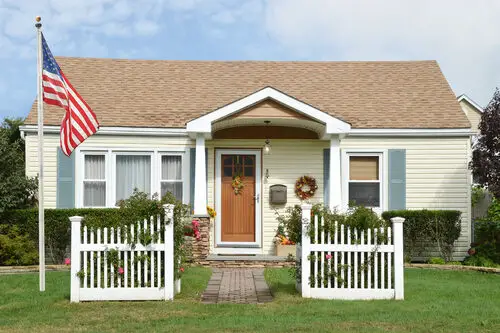
What looks like open land may be very clearly owned. Visitors sometimes wander for photos or shortcuts and cross invisible boundaries. In rural areas, fences may be down or unnecessary. That doesn’t mean permission is implied.
Land often represents livelihood, inheritance, or both. Farmers and landowners know exactly where boundaries lie. Trespassing can damage crops or equipment without obvious signs. Asking before exploring is the rule people learn after getting corrected once.
11. Emergency Sirens Are Information, Not Noise
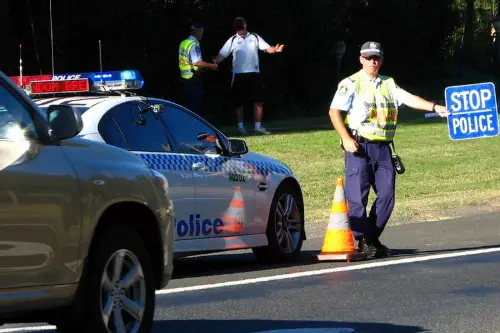
Small-town sirens aren’t always disasters, but they always mean something. They may signal volunteer fire calls, severe weather alerts, or community emergencies. Visitors often ignore them, assuming they’re tests or background noise. Locals instantly check the time and conditions.
This awareness comes from necessity. Many towns rely on volunteer responders who need audible alerts. Sirens supplement limited cell coverage and alert systems. Once you ask what the siren means and get a serious answer, you don’t ignore it again.
This post Small-Town America Rules Visitors Always Learn the Hard Way was first published on American Charm.

