
1. Writing letters just to stay in touch
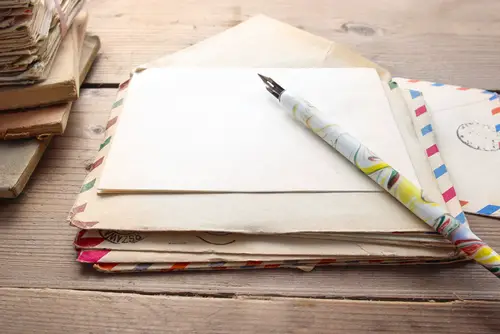
Before cell phones and social media, people stayed connected through letters—often long, thoughtful ones. Friends, couples, and families maintained relationships through the written word, even across small distances. It wasn’t about speed but sentiment. A letter meant someone had carved out time for you.
This habit shaped deeper, slower communication. People expressed more emotion and reflection when writing, which built stronger bonds. As instant communication replaced it, something human was lost in the trade-off. Even now, getting a handwritten letter feels like a small act of love from another time.
2. Removing your hat indoors
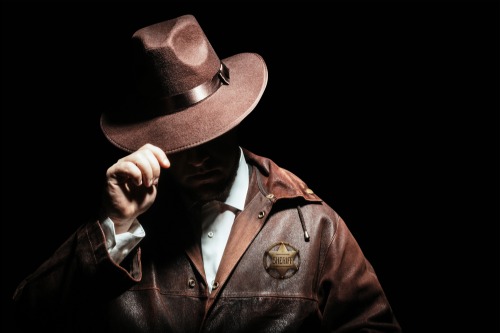
From the early 20th century through the 1950s, men were taught to remove their hats when entering a building. It wasn’t just about fashion; it was a signal of deference, particularly in homes, restaurants, and churches. Hats were seen as barriers between people, both literally and symbolically. Taking one off meant showing openness and respect for the shared space.
This gesture came from a long European tradition and carried into American etiquette guides for decades. It showed that you recognized the setting as personal or sacred. Over time, as hat-wearing itself declined, so did the rule. Yet older Americans still recall being corrected by parents or teachers for forgetting to remove a cap.
3. Addressing adults as “Mr.” or “Mrs.”

Calling someone by their last name with a respectful title was once the default, especially for children and teenagers. It acknowledged hierarchy and adulthood in a way that “Hey, Linda” just didn’t. Teachers, neighbors, and even parents’ friends expected it—and kids were corrected swiftly if they forgot. It was a small phrase that carried a lot of cultural weight.
This practice helped set boundaries in relationships between generations. It reminded kids that not every adult was a peer, and that politeness mattered even in casual conversation. While today’s culture leans more on first-name familiarity, the older system created clarity about roles. In some Southern communities, a hybrid—like “Miss Linda”—still keeps that tradition alive.
4. Writing thank-you notes by hand

Before texts and emails, handwritten thank-you notes were a staple of good manners. They were sent after dinners, gifts, interviews, or favors—sometimes even when no one expected one. The effort of sitting down, finding a card, and writing a message was part of what made them meaningful. The physical note stood as proof of thoughtfulness and gratitude.
This habit endured well into the 1980s before convenience overtook formality. People appreciated the time it took and the permanence of ink on paper. It created a record of appreciation that felt sincere. Even today, etiquette experts say a handwritten note has a power no emoji can match.
5. Holding doors open for others

Holding a door used to be less about gender roles and more about common courtesy. It was an automatic gesture, especially in busy public places or workplaces. The act symbolized mindfulness toward others—something as simple as saying, “I see you.” It wasn’t about strength or dominance; it was about decency.
This habit taught situational awareness and patience. People would wait an extra moment to make sure the person behind them wasn’t left struggling. Today, many still do it, but the custom can feel awkward when people interpret it differently. Still, it’s one of the few old manners that survives because it’s both practical and kind.
6. Saying “Yes, ma’am” and “No, sir”

Politeness once meant acknowledging respect through speech, especially toward elders or authority figures. The habit came from military and Southern traditions but spread widely across the country. It didn’t imply subservience—it signaled civility and attentiveness. Kids who forgot it were often reminded to “mind their manners.”
This small linguistic habit reinforced mutual respect between generations. It wasn’t about hierarchy as much as tone and grace. As informality grew, these phrases began to sound stiff or old-fashioned. But in regions that still use them, they continue to serve as shorthand for respect.
7. Giving up your seat to others

On buses, trains, and in waiting rooms, it was once expected that younger or able-bodied people would offer their seat to elders, women, or the disabled. It wasn’t legislated—it was taught. The gesture showed empathy and awareness of others’ comfort. Not doing so was considered rude, even shameful.
This habit reflected a sense of shared community space. It suggested that courtesy mattered more than personal convenience. As public transit use evolved and anonymity grew, the social pressure lessened. Yet campaigns like “Please Offer Me a Seat” remind us this old norm still has moral weight.
8. Dressing up for travel or church
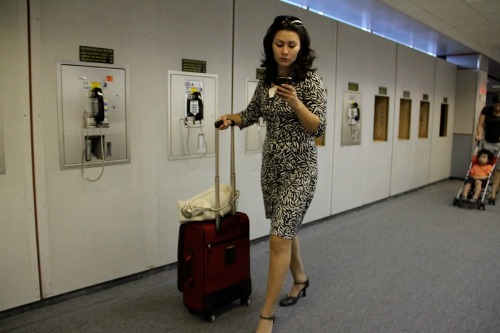
Mid-century Americans often dressed their best for occasions like church, air travel, or even dinner downtown. Men wore suits, and women donned dresses and gloves. The idea wasn’t vanity—it was respect for the occasion and the people you’d meet there. Looking presentable was seen as part of participating in society.
This tradition reinforced pride in appearance and mutual regard. It said, “I care enough to make an effort.” As casualwear and comfort took over, the custom faded. But even now, older generations view “dressing up” as a form of self-respect, not pretension.
9. Listening without interrupting
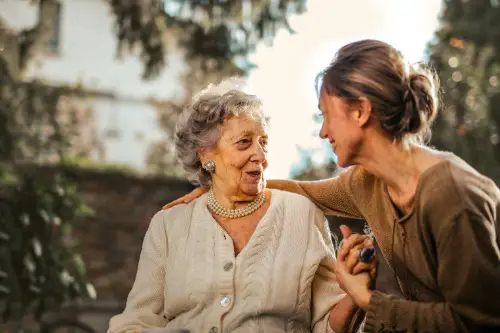
Polite conversation once hinged on patience—waiting for someone to finish before jumping in. Interrupting was considered a mark of poor upbringing. The art of listening meant giving another person space to express themselves fully. It wasn’t just etiquette; it was emotional intelligence before the term existed.
This habit built real connection, because people felt heard and valued. In an age of debates and fast-paced dialogue, it’s easy to lose that slower rhythm. Yet, those who practice it still stand out as thoughtful and mature. It’s one of those “invisible” courtesies that instantly elevates any interaction.
10. Saying “Excuse me” when passing or interrupting

“Excuse me” once worked like social oil, smoothing small frictions throughout daily life. Whether you sneezed, needed to squeeze by, or accidentally interrupted, those two words reset the tone. It showed awareness of others’ personal space and comfort. People noticed when you skipped it—and not in a good way.
This habit mattered because it reflected self-control and empathy. It reminded everyone that the world isn’t just about individual movement, but shared space. While some still use it naturally, it’s been replaced in many circles by silence or mumbled apologies. Still, “excuse me” remains a timeless social lubricant.
11. Keeping your word

Once, a handshake was enough to seal a deal—and breaking it could ruin your reputation. Integrity was seen as a personal currency, and promises mattered. People didn’t need digital contracts to back up their word; trust was the foundation of relationships and business alike. To go back on one’s word was a serious social offense.
This habit reflected a culture that valued reliability over convenience. Keeping promises showed character and accountability. As life sped up and commitments became more flexible, this old value began to slip. But “a man’s word is his bond” still echoes as a moral north star for many Americans.
12. Standing when someone entered the room

Once upon a time, it was common courtesy to stand when someone—especially a woman, elder, or guest—walked into a room. The gesture signaled attentiveness and respect, a small but clear way of acknowledging another person’s presence. In workplaces, classrooms, and homes, that small rise to one’s feet showed you cared about decorum. Today, it’s largely faded, but older generations still remember it as a basic marker of good manners.
The reason this habit mattered so much was that it conveyed humility and presence. Standing showed that you weren’t too self-important to pause what you were doing. It was a social equalizer—everyone, regardless of status, could offer that gesture. The decline of this custom reflects how informality and multitasking have redefined social interactions.
This post 12 Small Habits That Once Defined Respect in America was first published on American Charm.

