
1. The Exact Sound of a Busy Landline

There was a very specific tone you heard when you picked up a landline and someone else was already on it. It wasn’t a ring or a dial tone, but a kind of steady, low buzz that meant “try again later.” Kids didn’t think twice about it because shared phone lines were normal. You learned patience just by waiting your turn to make a call.
That sound has mostly disappeared along with landlines themselves. Cell phones don’t really replicate the same experience because calls are private and immediate. Younger generations may never hear that signal at all. It’s a tiny audio detail that used to be part of everyday life.
2. The Feeling of Rewinding a VHS Tape
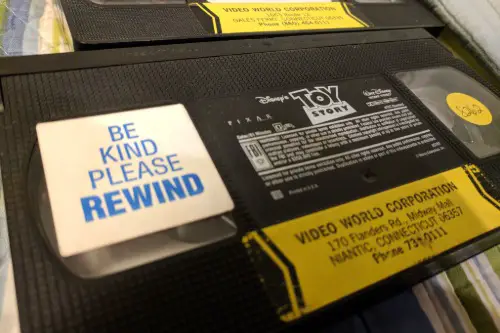
Rewinding a VHS tape had a physical rhythm you could feel and hear. The machine whirred loudly, and sometimes you’d watch the tape spin through a little window. If you forgot to rewind before returning it, there could even be a fee. That routine made watching movies feel like a process, not just a click.
Streaming erased that entire ritual almost overnight. There’s no buildup, no mechanical pause, and no shared understanding of “be kind, rewind.” The tactile part of media is largely gone. It’s one of those details you don’t realize you miss until you remember it.
3. The Smell of a School Mimeograph Sheet
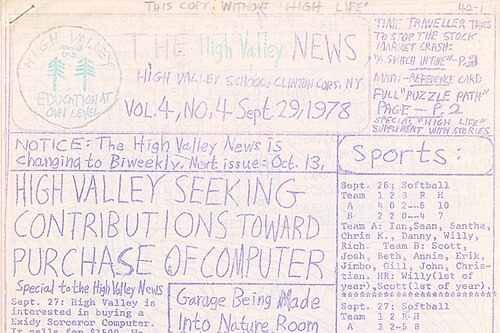
Before widespread photocopiers, some schools used mimeograph machines for worksheets. The ink had a distinct, slightly sweet chemical smell that students immediately recognized. Getting a fresh handout meant catching that scent for a brief moment. It became oddly associated with quizzes, announcements, and classroom routines.
As printing technology improved, mimeographs disappeared from schools. Modern copies don’t carry that same sensory signature. The smell was never the point, but it anchored a memory. Without it, something subtle about the experience vanished.
4. The Weight of Coins in a Pocket

Carrying change used to be part of daily life, especially for kids. Coins jingled in your pocket, and you could tell how much you had just by the weight. Vending machines, payphones, and small purchases made coins essential. You learned their values without thinking.
Cashless payments have made coins far less important. Many people rarely carry change at all anymore. That physical awareness of money has faded. It’s a small detail that quietly shaped how people understood spending.
5. The Click of a TV Dial or Remote Buttons
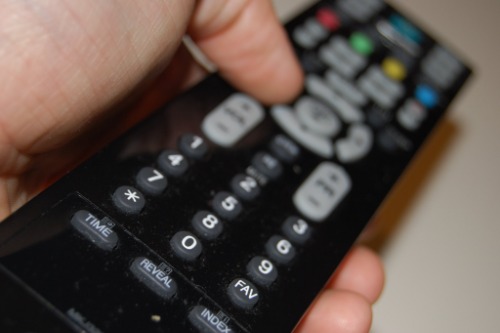
Older televisions had physical dials or chunky buttons that clicked when you changed the channel. Even early remotes required a firm press you could feel. Channel surfing was slower and more deliberate. You often remembered which number matched each station.
Modern remotes and streaming interfaces are smooth and silent. There’s less physical feedback tied to the action. The connection between number and channel has mostly disappeared. That tactile click is something many people haven’t noticed losing.
6. The Routine of Waiting for a Specific TV Time Slot
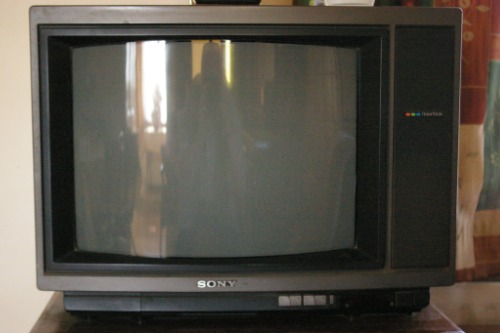
Watching a favorite show meant being in front of the TV at a specific time. If you missed it, you might not see it again for weeks or months. Families sometimes built routines around certain nights. The schedule gave shows a shared sense of occasion.
Streaming removed that urgency completely. Episodes are available anytime, often all at once. The anticipation and timing element faded away. It’s a small shift that changed how people experience stories.
7. The Sound of a Modem Connecting to the Internet
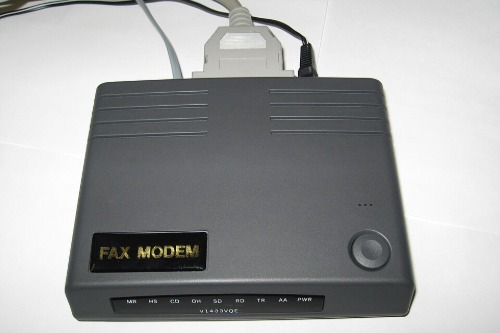
Early internet access came with a loud, unmistakable sequence of tones from a dial-up modem. The connection process took time and often tied up the phone line. Kids learned to recognize successful connections by sound alone. It was both frustrating and oddly satisfying.
Broadband eliminated that entire experience. Internet access became silent and always available. The dramatic “handshake” noise disappeared from daily life. It’s a detail that instantly dates a memory when you hear it again.
8. The Habit of Writing Names on Everything
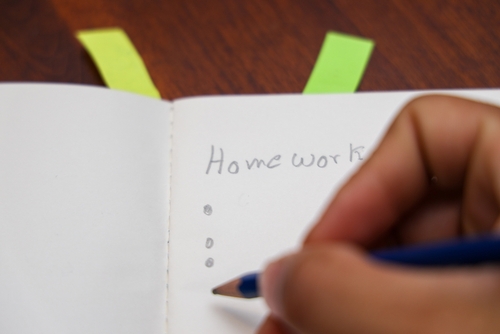
Kids were often told to label their belongings at school. Jackets, lunchboxes, and notebooks all carried handwritten names. It helped prevent mix-ups in shared spaces. Over time, you developed a habit of marking what was yours.
Digital devices and more individualized items reduced that need. Many belongings are now less likely to be confused or shared. Labeling still exists, but it’s less constant. The instinct to write your name on everything has faded.
9. The Feel of Card Catalog Drawers in Libraries
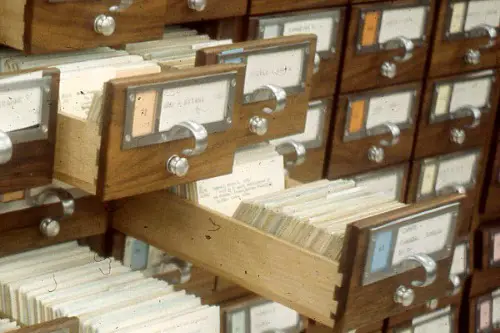
Library card catalogs involved sliding open small wooden drawers filled with index cards. The motion and texture became familiar to regular visitors. You learned how to flip through entries quickly and efficiently. It was a physical way of searching for information.
Digital catalogs replaced that system in most libraries. Searching became faster but less tactile. The drawers themselves disappeared from everyday use. That quiet, repetitive motion is now more of a memory than a skill.
10. The Sound of Chalk on a Blackboard

Classrooms were once filled with the scratch of chalk on blackboards. Teachers wrote notes while students listened to the distinct, sometimes squeaky sound. Chalk dust gathered on trays and occasionally in the air. It was part of the atmosphere of learning.
Whiteboards and digital screens changed that environment. Markers replaced chalk, and the sound shifted completely. The sensory experience of the classroom evolved. That familiar noise is now surprisingly rare.
11. The Experience of Blowing Into Game Cartridges
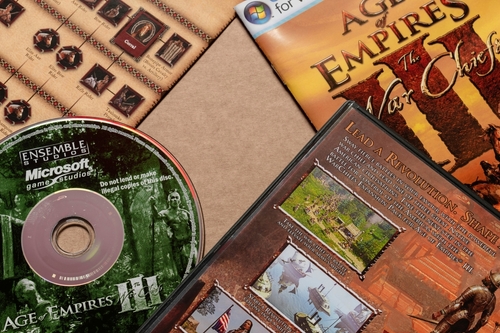
Video game cartridges sometimes failed to load properly, leading kids to develop a workaround. Blowing into the cartridge became a near-universal ritual, even if it wasn’t officially recommended. You’d try again, hoping the game would finally start. It felt like a small act of control over unpredictable technology.
Modern gaming eliminated cartridges in favor of discs and digital downloads. Systems are more reliable and require less improvisation. That quirky habit disappeared along with the hardware. It’s a tiny, shared memory that defined early gaming for a generation.
This post Small Details From Childhood That Have Completely Slipped Away was first published on American Charm.