
1. Heber City, Utah
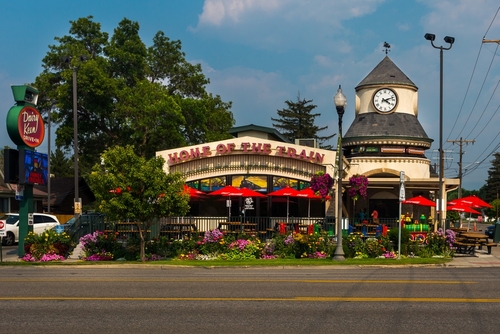
Heber City is a small town hit by rapid development due to its proximity to Park City and ski resorts. The population increase has stressed roads, utilities, and schools, leaving residents frustrated. Construction has accelerated in ways that some locals feel are overwhelming the town’s character. Officials are racing to upgrade infrastructure, but the pace of growth has been relentless.
The town’s economic growth brings benefits, but also daily inconveniences for residents. Traffic backups, crowded parks, and longer wait times for services have become the new normal. Longtime citizens are concerned about maintaining Heber City’s identity amid explosive growth. This town demonstrates the challenge of balancing rapid development with livability in a small city.
2. Wendell, North Carolina
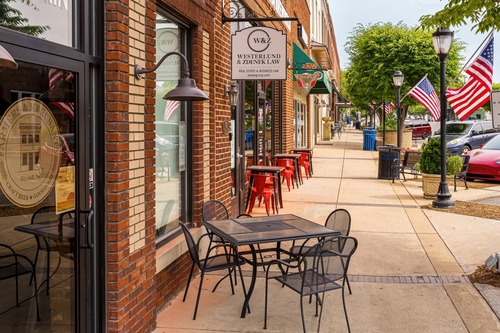
Wendell barely registered as a sleepy town a few years ago, but proximity to Raleigh has suddenly transformed it into a housing magnet. As one of North Carolina’s fastest‑growing municipalities, Wendell’s population surge has put a strain on roads, utilities, and community services. Local officials are racing to expand water systems, streets, and parks to match the influx. Even basic permitting systems are being overhauled to handle the volume of development.
The flip side of this boom is that locals struggle with traffic, longer waits for public services, and a worry that Wendell’s identity is changing faster than residents can adapt. The town is grappling with questions about school capacity and fire and police staffing as new residents arrive. Many newcomers choose Wendell for its charm, but that charm now coexists with construction noise and detours. It’s a very real example of what happens when growth arrives before planning is complete.
3. New Braunfels, Texas
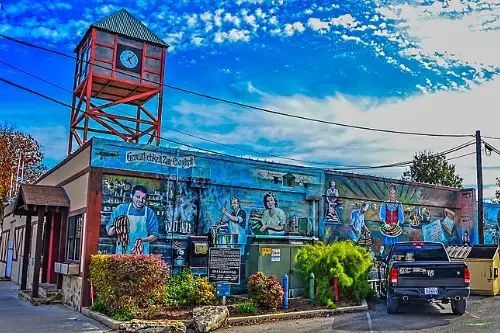
Nestled between Austin and San Antonio, New Braunfels has been thrust into the spotlight as one of the nation’s fastest‑growing small cities. Its population has ballooned, prompting debates about whether traffic planning is keeping pace. City council debates over mobility plans reveal tension: residents fear more congestion as new roads and subdivisions multiply. Officials argue that revising thoroughfare plans now is essential, but many locals feel their quality of life has been compromised by growth that outpaced earlier planning efforts.
Daily life here can already feel like a commuter corridor for two major metros. Shopping centers, big‑box stores, and housing tracts have spread outward, sometimes faster than sewer lines or transit connections. Locals acknowledge the economic benefits, but they also admit that rush‑hour backups and construction detours are part of the new normal. New Braunfels shows how growth with enthusiasm can still outstrip the basics of living well.
4. Bar Harbor, Maine
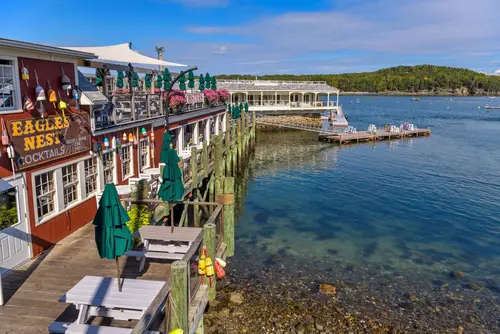
Bar Harbor is a classic small coastal town whose charm has become a victim of its own popularity. In summer, the town can host up to 15,000 visitors per day, far outnumbering its year‑round population and overwhelming local services. Seasonal swings mean roads congest, affordable housing vanishes into visitor rentals, and emergency services are stretched thin. Officials now talk openly about managing the rhythm of tourism — not just attracting it — because local life and infrastructure struggle under the peak load.
Residents here often joke that July feels like trying to live in a big city without the infrastructure to support it. Seasonal workers compete with locals for housing and rental stock, pushing up costs. Grocery stores and pharmacies feel crowded on peak days, and phone calls to utilities spike with complaints. Bar Harbor’s popularity has exposed a painful truth: even the most beloved small towns need deliberate planning when growth hits fast and seasonally.
5. Sedona, Arizona
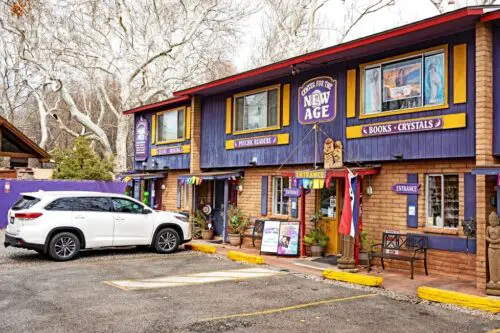
Sedona’s breathtaking scenery has made it irresistible to tourists and new residents alike — and its infrastructure is groaning as a result. The dominance of short‑term rentals has choked the long‑term housing market, making rents soar and pushing essential workers out. Trails and city streets feel crowded much of the year, creating friction between economic gains and the lived experience of locals. Governors and planners have tried policies like rental licensing to rebalance the market, but that’s been a patch on a much larger problem.
The town’s population isn’t huge, but seasonal growth transforms life as locals know it. Parking shortages, traffic congestion, and occasional water restrictions are all signs of infrastructure under pressure. People who moved to Sedona for peace and natural beauty now find themselves navigating constant crowds. It’s a reminder that even small desert towns can become victims of their own desirability.
6. Mount Pleasant, South Carolina
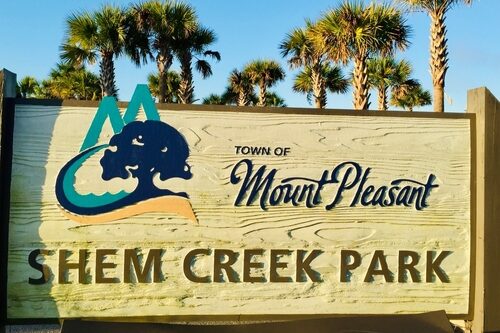
Mount Pleasant has grown rapidly as Charleston’s suburbs expand, and its small-town vibe is feeling the strain. Roads, schools, and public services are all struggling to keep up with an influx of residents seeking safer neighborhoods and lower taxes. Traffic bottlenecks are now a daily reality for commuters who once enjoyed a 20-minute drive downtown. City leaders are planning expensive infrastructure upgrades, but residents feel change has arrived too quickly.
The growth has economic upsides, but locals often complain that long-standing neighborhoods are being surrounded by new construction. Parks and recreational areas are crowded, and local government meetings are packed with debates over zoning and development. While newcomers bring energy and investment, they also bring congestion and longer wait times for municipal services. Mount Pleasant highlights the delicate balancing act small cities face when rapid growth is on the horizon.
7. Coeur d’Alene, Idaho
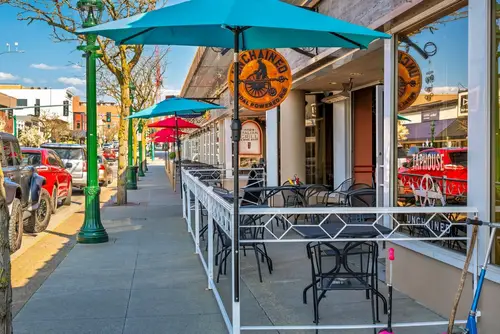
Coeur d’Alene used to be a quiet lakeside escape, but skyrocketing migration from bigger cities has changed the game. Housing demand has far outstripped supply, causing home prices to jump and driving long-term residents to the outskirts. Traffic congestion and limited public infrastructure are increasingly noticeable during peak tourist and commuting times. City officials are scrambling to expand roads, schools, and public services to meet new needs.
The local economy benefits from the influx, yet the sudden boom has stirred tension between long-time residents and newcomers. What was once a peaceful, easygoing town now experiences noise, construction, and crowded public spaces. Coeur d’Alene is a textbook case of a small city discovering that scenic beauty alone doesn’t prepare it for rapid population growth. Residents are now negotiating how to preserve their lifestyle amid dramatic change.
8. Bozeman, Montana
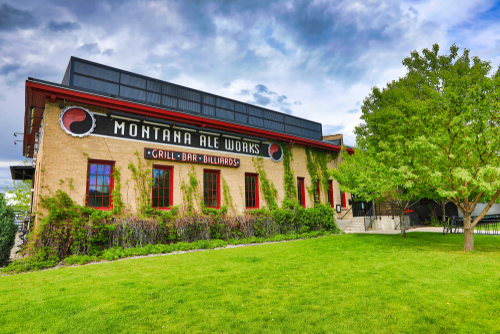
Bozeman has become a hotspot for tech and remote workers moving west, but its infrastructure is stretched thin. Traffic jams and rising housing costs have become daily stressors for locals who moved there for a quieter life. City planning is playing catch-up with new subdivisions and commercial zones sprouting rapidly. Schools and hospitals are also facing growing pains, leaving residents concerned about long-term sustainability.
Despite Bozeman’s reputation as a destination city, the rapid growth has sparked debates about overdevelopment. Hiking trails, downtown streets, and local amenities are crowded, changing the small-town feel. Residents express nostalgia for a simpler time when traffic was light and housing was affordable. Bozeman now balances economic prosperity with the challenge of maintaining livability.
9. Bend, Oregon
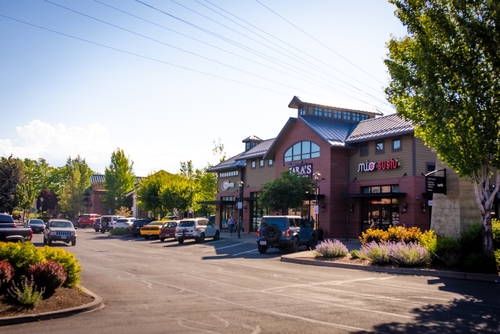
Bend’s allure of outdoor recreation has drawn an influx of residents from the West Coast, quickly outpacing infrastructure. Housing is tight and property prices are soaring, making it hard for locals to remain in the area. Public services like waste management and road maintenance are struggling to keep up. Even basic errands now take longer as more cars and construction disrupt the streets.
The growth has energized the local economy, but at the expense of Bend’s traditional charm. Longtime residents feel squeezed as new shops, traffic, and tourist crowds dominate previously quiet neighborhoods. The city has started implementing growth management policies, but solutions are still catching up to reality. Bend illustrates the growing pains of a city prized for lifestyle more than size.
10. Truckee, California
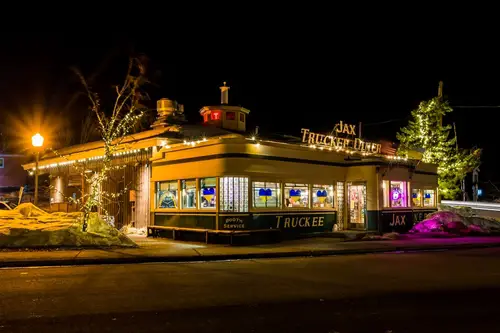
Truckee has experienced a surge from people leaving the Bay Area, causing housing and traffic headaches. The small mountain town has limited space to expand, which makes development contentious and infrastructure under strain. Roads are jammed during peak ski season, and municipal services are stretched with every new neighborhood. Residents worry about losing the historic charm that drew people there in the first place.
The influx has brought economic benefits but also rising costs of living and increased pressure on local resources. Truckee now faces the challenge of preserving its character while accommodating newcomers. Parks, schools, and emergency services are all feeling the weight of rapid growth. The town’s story reflects the complexity of growth in geographically constrained areas.
11. St. George, Utah
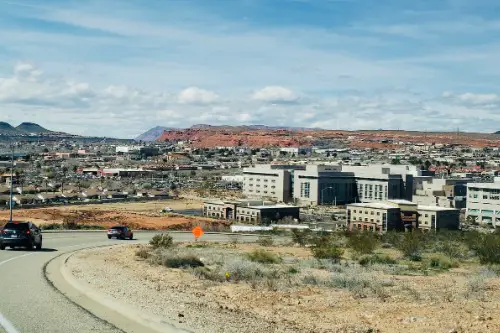
St. George has grown faster than almost any other city in Utah due to its warm climate and relatively affordable housing. Roads, schools, and healthcare systems are struggling to match the population boom. Daily traffic congestion has become a fact of life, and public services are stretched beyond their original capacity. City planners are now focused on expanding infrastructure while attempting to maintain quality of life.
Despite the challenges, newcomers continue to flock to St. George, drawn by its scenic beauty and economic opportunities. Longtime residents express concern that the city is losing the small-town feel that made it special. Affordable housing is increasingly hard to find, and competition for essential services is intensifying. The city exemplifies how rapid growth can quickly outpace the resources of a small community.
12. Princeton, Texas
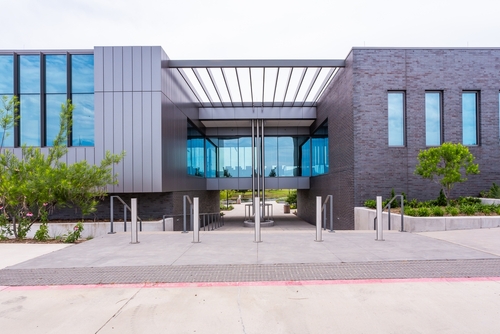
Princeton went from a rural town to a booming small city almost overnight, more than doubling its population in just a few years. The pace was so fast that city leaders put a temporary moratorium on new home construction because roads, utilities, and basic infrastructure couldn’t keep up. Residents have watched new subdivisions and traffic signals spring up faster than local planners expected. What was once a two–stoplight town now juggles Walmart‑scale growth while scrambling to build the support systems residents need.
Life in Princeton feels like watching a time‑lapse: almost every block of land is being developed. That’s great for property values, but it has stressed schools and slowed emergency services. Commuters are now stuck in longer rush‑hour jams than they ever anticipated. Local officials are working overtime to plan ahead, but the pace of growth has left many residents wondering whether they’re building the city with them or ahead of them.
This post Small Cities That Suddenly Can’t Handle Big Growth was first published on American Charm.

