1. Coffee Order Complexity
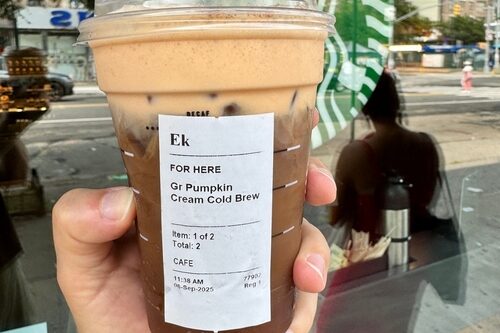
Ordering coffee has become a subtle way to flex knowledge and individuality. Americans silently measure each other by how elaborate or precise their drink choices are. A simple black coffee doesn’t generate much envy, but a meticulously crafted oat milk latte with specific foam can. The barista line becomes a low-key stage for these competitions.
People often tweak orders to showcase expertise or taste sophistication. It’s about subtle one-upmanship—“I know more about beans and syrups than you.” Even small details, like correct pronunciation of drink names, can earn quiet respect. Coffee culture has turned beverage selection into an under-the-radar contest.
2. Who Has the Best Lawn
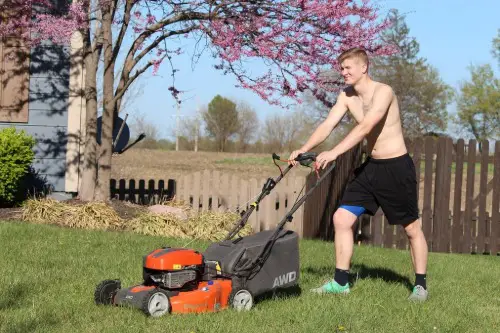
Americans take lawn care incredibly seriously, and it’s more than just having grass—it’s about appearance, upkeep, and style. Neighbors will subtly size up each other’s yards, noting everything from neatly edged sidewalks to perfectly trimmed hedges. It’s a silent competition because nobody usually talks about it, yet everyone notices. The pressure to maintain a picture-perfect lawn can be surprisingly intense.
This competition is fueled by pride and the desire to impress, whether it’s a casual drive-by or weekly neighborhood gatherings. People invest in fancy landscaping tools, decorative plants, and even automatic sprinklers to stay ahead. Lawn care has become a quiet badge of honor for many homeowners. It’s one of those things you didn’t know was competitive until you move to a new neighborhood.
3. Grocery Cart Speed
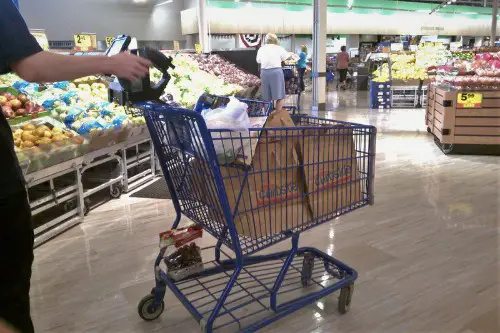
Grocery stores may seem mundane, but Americans have perfected the art of moving quickly through aisles. Shoppers silently gauge each other on efficiency, basket organization, and checkout speed. There’s an unspoken rule that a slow cart equals an embarrassment in the eyes of onlookers. Some even practice strategic aisle navigation to minimize time spent inside.
People take shortcuts, memorize store layouts, and calculate the best checkout line. Self-checkout lanes have only intensified this competition, making speed a personal achievement. It’s not about racing out the door—it’s about mastering the grocery game. You’d be surprised how seriously some shoppers take this subtle contest.
4. Parking Spot Mastery
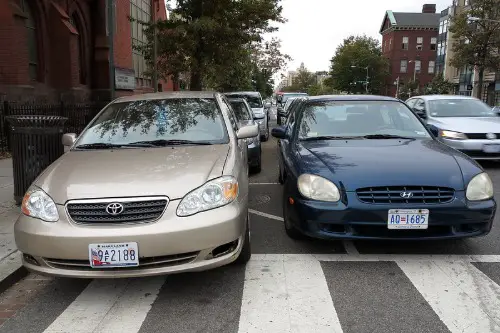
Finding a prime parking spot is practically an American sport. Drivers silently compete to snag the closest or most convenient spot, often circling lots multiple times. There’s a subtle thrill in sliding into a spot just before someone else reaches it. The contest isn’t announced, but everyone participating knows the stakes.
Some people will even calculate angles, anticipate leaving cars, and time arrivals perfectly. Securing the “perfect” spot provides a sense of quiet triumph. Valet parking hasn’t ended this competition—it’s just become another arena. In suburban lots and urban streets alike, this silent rivalry plays out constantly.
5. Gym Equipment Timing
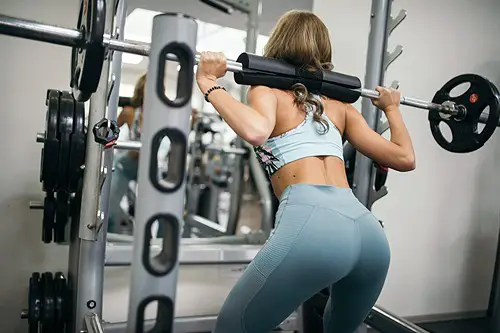
The gym isn’t just about fitness—it’s about claiming your territory. Americans often gauge who’s most committed based on how efficiently they navigate machines and avoid downtime. There’s an unspoken contest over waiting times and who can maintain a steady workout without interruptions. Everyone wants to appear disciplined and focused.
Sharing equipment can feel like a delicate dance, with people subtly competing for the best machines at peak hours. Some gym-goers even time their reps to match or surpass others. The competition is quiet but palpable, especially in crowded fitness centers. It’s a weird mix of personal achievement and silent social comparison.
6. Smartphone Volume Settings
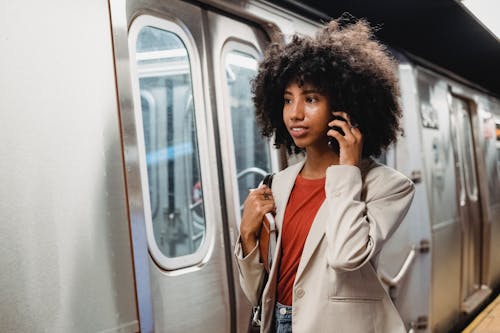
It’s surprising, but Americans compete over phone etiquette everywhere. People silently judge who has the loudest notifications, clearest ringtones, or most discreet vibration mode. The competition revolves around balancing presence and subtlety in public spaces. A well-calibrated phone can signal social awareness without saying a word.
Some individuals tweak settings to subtly impress others, like having a high-quality ringtone or an unobtrusive silent mode. The contest is mostly invisible, but it’s there in offices, cafes, and public transit. It’s less about bragging and more about demonstrating attention to detail. Phones have become an unexpected arena for social one-upmanship.
7. Dog Walking Routes
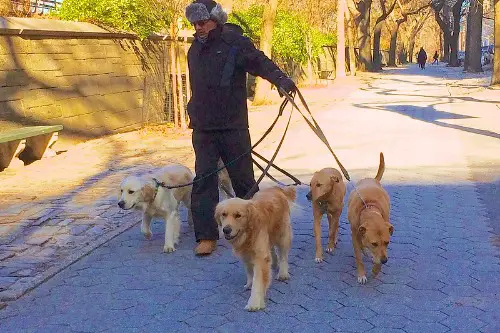
For dog owners, walks aren’t just about exercise—they’re about status. Americans often measure each other’s commitment by how long, scenic, or rigorous the walking route is. There’s a subtle competition in who has the happiest, healthiest-looking dog. Observers also notice leash training, clean-up habits, and obedience.
Some dog walkers plan routes with strategic timing, avoiding busy sidewalks to seem effortless. Others subtly showcase their pets in parks or public spaces. The competition is silent, but the pride is loud in the eyes of participants. Dogs and their owners become walking symbols of personal dedication.
8. Grocery Bag Packing
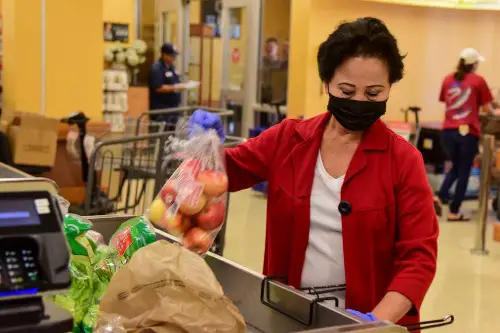
Bagging groceries might seem trivial, but Americans have turned it into a quiet contest. Efficiency, weight distribution, and the avoidance of crushed items all factor in. Shoppers silently judge who can fit the most in one bag without disaster. It’s a surprisingly skillful task that earns nods of respect.
Supermarkets are full of subtle cues about bagging prowess, from paper to reusable bags. Some even organize by temperature—cold items together, fragile items on top. It’s a combination of practicality and pride. This silent competition shows how everyday skills can become measures of competence.
9. Movie Theater Etiquette
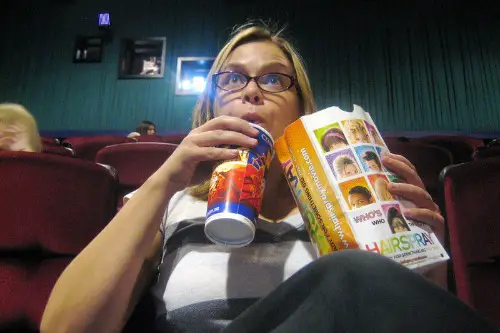
Even at the movies, Americans have a quiet hierarchy of etiquette. People judge who knows how to enter quietly, choose optimal seats, and manage snacks unobtrusively. There’s a subtle contest to appear considerate without sacrificing comfort. The “perfect theater-goer” is both respectful and unobtrusive.
Some individuals even time arrivals to avoid disrupting others while getting the best view. The way popcorn is shared or drinks are handled can also signal skill. Movie theaters are full of these micro-competitions that most people don’t talk about. They’re silent but universally understood.
10. Restaurant Split Bills
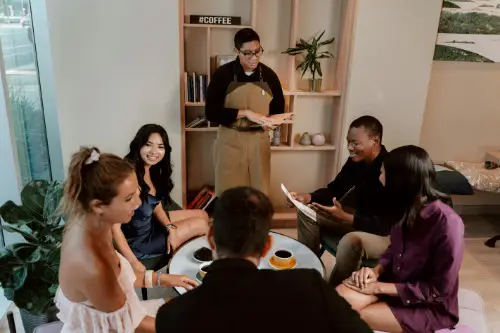
Splitting the check can feel like a competitive sport in America. Friends and strangers alike measure who can calculate tips fastest or handle complicated bills efficiently. There’s an unspoken pressure to avoid holding up the table. The subtle contest revolves around competence, fairness, and speed.
Some diners even pre-calculate costs before the check arrives. Paying quickly and correctly becomes a silent badge of honor. It’s not just about money—it’s about social skill and awareness. Restaurants become arenas for these quiet demonstrations of capability.
11. Elevator Positioning
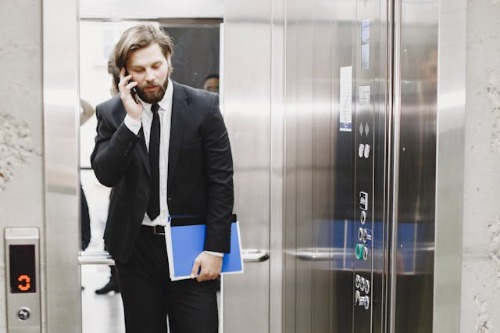
Elevators may be small, but they host a surprisingly strategic competition. Americans silently judge who stands in the “best” spot—near the buttons, corners, or by the door. There’s an unspoken game of personal space and convenience. Subtle shifts and body language signal silent rivalries.
Some people anticipate stops and position themselves perfectly for a quick exit. Others hover near the back to avoid awkward encounters. The competition is quiet but relentless, playing out multiple times a day. It’s a small, almost invisible way Americans assert control in public spaces.
This post The Silent Competitions Americans Have Everywhere They Go was first published on American Charm.