
1. Smartphones Turned Idle Moments Into Solo Time
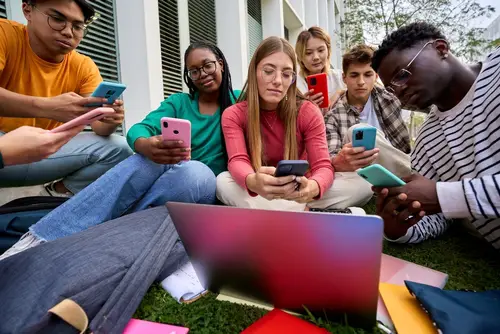
Smartphones moved the default from talking to tapping. When people wait in line, sit on buses, or stand at crosswalks, eyes drop to screens. That removes small, spontaneous interactions that used to fill public time. The reason this matters is those micro-conversations are how strangers slowly become familiar.
Phones also make us socially unavailable even when we are physically present. Checking a notification signals, intentionally or not, that the moment can be interrupted. Over time, groups talk less and coordinate more through apps. Daily life becomes efficient but thinner on face-to-face exchange.
2. Remote Work Reduced Casual Office Relationships

Working from home eliminated many everyday encounters that once built social glue. Hallway chats, shared lunches, and quick desk check-ins used to create low-stakes bonds. Video meetings focus on tasks, not side conversations. The reason this counts is that weak ties often grow into meaningful friendships over time.
Even hybrid schedules limit overlap among coworkers. People come in on different days and miss one another entirely. Communication shifts to scheduled calls instead of spontaneous interaction. That makes work more transactional and less communal.
3. Self-Checkout Replaced Brief Human Exchanges

Grocery stores, pharmacies, and big retailers increasingly rely on self-checkout. These lanes remove short but regular interactions with cashiers. While small, those moments provided routine social contact. The reason it matters is consistency, not depth, is what made them socially meaningful.
Employees are also spread thinner across larger areas. Shoppers interact more with screens than people. Errors are handled through prompts, not conversation. Public errands become quieter and more isolating.
4. Fewer People Spend Time in “Third Places”
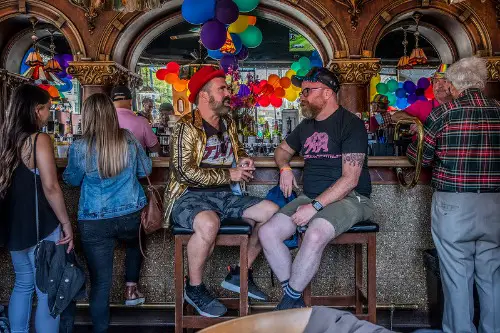
Third places are social spaces outside home and work, like cafes, bars, and community centers. Many Americans now spend less time in them due to cost, time pressure, or convenience. Chains designed for quick turnover discourage lingering. The reason this is important is third places historically anchored local social life.
When people don’t linger, conversations don’t start. Neighborhood regulars become rare. Newcomers have fewer entry points into community life. Social circles shrink to people already known.
5. Streaming Replaced Shared Entertainment

Families and friends once gathered around the same TV shows at the same time. Streaming lets everyone watch different content on different schedules. That flexibility reduces shared cultural moments. The reason this matters is common experiences fuel conversation.
Even within the same household, people watch alone on personal devices. Talking about shows becomes optional rather than automatic. Watercooler conversations fade. Entertainment becomes individualized rather than communal.
6. Social Media Shifted Interaction Away From Physical Space
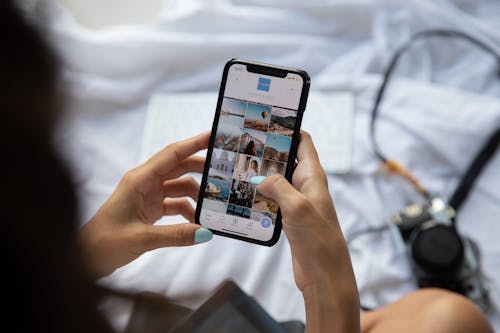
Social media offers constant connection without physical presence. People can keep up without meeting up. Likes and comments substitute for in-person responses. The reason this matters is online interaction requires less effort and commitment.
When social needs are partially met online, urgency to gather drops. Planning becomes looser and easier to cancel. Physical attendance feels optional. Over time, fewer people show up.
7. Car-Centered Living Reduced Neighbor Interaction

American daily life is structured around driving rather than walking. People move from garage to car to destination with little pause. That limits chance encounters with neighbors. The reason this is significant is repeated visibility builds trust.
Sidewalk conversations happen less often. Kids are driven rather than roaming locally. Streets feel more like transit zones than social spaces. Neighborhood familiarity declines.
8. Kids Spend Less Unsupervised Time Outside

Children once played freely in neighborhoods after school. Today, play is more supervised, scheduled, or indoors. Safety concerns and busy schedules changed family routines. The reason this matters is kids once formed social skills independently.
Parents also lose chances to connect casually. Fewer shared outdoor spaces mean fewer parent conversations. Community ties weaken across generations. Social learning becomes more formal and less organic.
9. Declining Participation in Civic and Social Groups
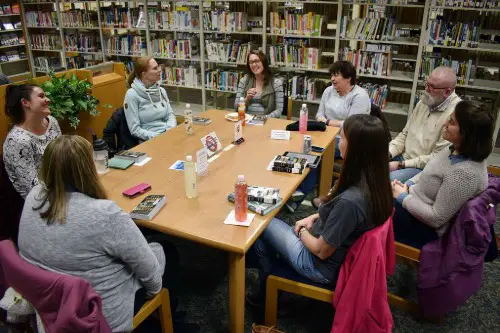
Participation in clubs, unions, and local organizations has fallen. These groups once created regular in-person commitments. Attendance required showing up, not just checking in. The reason this counts is they structured social responsibility.
Without them, people socialize only when convenient. Group identity becomes weaker. Leadership pipelines shrink. Community coordination becomes harder.
10. Religious Attendance Dropped Sharply
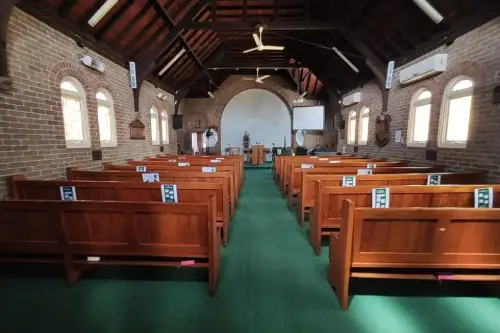
Religious services once anchored weekly social interaction for many Americans. Attendance declines removed a predictable gathering point. Services also connected people across age and income lines. The reason this matters is few institutions replaced that role.
Even nonreligious social functions tied to churches declined. Fewer potlucks, volunteer days, and group rituals occur. Relationships that depended on weekly contact fade. Social networks become narrower.
11. Delivery Apps Reduced Public Errands

Food, groceries, and essentials now arrive at the door. Fewer people need to leave home for daily needs. That removes interactions with workers and fellow customers. The reason this matters is errands once structured casual social exposure.
Staying home becomes the path of least resistance. Neighborhood businesses see less foot traffic. Public spaces feel emptier. Social energy concentrates indoors.
12. Headphones Made Public Spaces More Closed Off

Wearing headphones in public has become normal and constant. They signal a desire not to engage. Even brief comments feel like interruptions. The reason this is important is social cues shape behavior.
People are less likely to greet strangers. Shared environments feel emotionally segmented. Silence replaces ambient conversation. Public life becomes parallel rather than shared.
This post 12 Signs American Daily Life Became Less Social Than It Used to Be was first published on American Charm.

