
1. Regional Food Brands and Menus Are Gaining Ground Again

Walk into a grocery store in Texas, the Upper Midwest, or New England and you’ll notice different brands dominating the shelves. Regional chains like H-E-B, Publix, and Meijer focus heavily on local preferences in ways national retailers often don’t. Fast-food menus also vary more than people realize, with green chile options in New Mexico or scrapple in parts of Pennsylvania. Food is an everyday experience, so these differences reinforce a sense of place quickly.
This matters because food traditions are deeply tied to memory and identity. People grow attached to what they grew up eating and associate it with home. Social media has turned regional foods into points of pride rather than curiosities. That reinforces regional identity instead of flattening it into a national standard.
2. Accents and Dialects Are Showing Up More Online
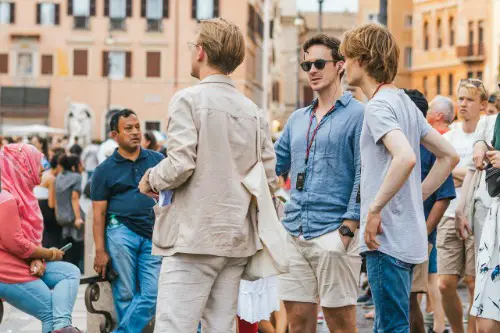
For decades, national media encouraged a neutral “broadcast” voice. Today, podcasts, TikTok, and YouTube reward creators who sound like where they’re from. Appalachian, Southern, New York, and Upper Midwest accents are increasingly common in popular content. Algorithms tend to favor authenticity, and sounding local signals that.
This is significant because language is one of the strongest cultural markers. When accents are heard without mockery, regional confidence grows. Younger creators feel less pressure to conform to a national norm. That keeps linguistic differences alive across generations.
3. State Laws Are Creating Distinct Daily Experiences

State governments now diverge sharply on policies like abortion, cannabis, education standards, and labor laws. These choices affect daily routines, not just elections. Where you live shapes healthcare access, school curricula, and workplace protections. Two Americans can live very different lives simply by crossing a state line.
Over time, laws shape culture as much as culture shapes laws. Communities adapt norms around what’s legal and expected. Migration patterns increasingly reflect these differences, with people moving toward states that align with their values. That reinforces regional identity in concrete ways.
4. Sports Loyalty Is Becoming More Geographically Intense
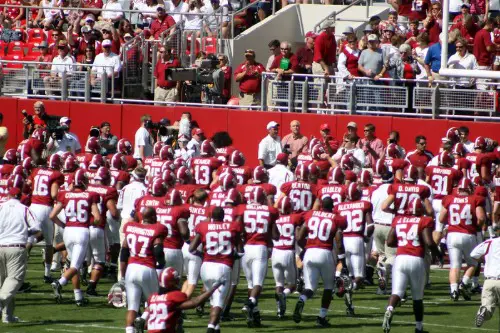
Sports fandom has always been local, but it’s becoming more entrenched. Regional sports networks and local broadcasting deals keep fans focused on nearby teams. College sports, especially in the South and Midwest, remain tightly linked to state and regional pride. Rivalries often matter more than national championships.
Sports create shared rituals that define regions. Game days, tailgates, and team colors become part of local culture. When people mostly follow teams from their area, it deepens regional bonds. It also creates clear cultural lines between different parts of the country.
5. Music Scenes Are Re-Centering Around Specific Regions

Streaming platforms made music global, but regional scenes still shape what breaks out. Cities like Atlanta, Nashville, Detroit, and New Orleans continue to produce distinct sounds tied to local history. Regional radio, clubs, and festivals help define these styles early on. Even digital playlists now emphasize city- or region-based discovery.
Music reflects lived experience, and that experience is local. Lyrics, slang, and themes often reference specific places. Fans gravitate toward artists who sound like home. That keeps regional culture alive within national platforms.
6. Climate Is Driving Regional Lifestyles Apart

Weather differences increasingly shape how people live and work. Extreme heat in the Southwest alters daily schedules, while long winters still define life in the Upper Midwest and Northeast. Coastal regions adapt to hurricanes and flooding, while the West manages drought and wildfire risks. These realities affect housing, infrastructure, and social habits.
Climate influences culture over time. What people wear, when they socialize, and how cities are built all reflect local conditions. As climate impacts intensify, regional adaptations become more pronounced. That creates clearer lifestyle differences across the country.
7. Regional Media Is Filling Gaps Left by National Outlets

As national news organizations consolidate, regional outlets are stepping in. Local newsletters, radio stations, and nonprofit newsrooms focus on state and metro-specific issues. These outlets often cover stories national media overlooks. Audiences rely on them for context that only locals understand.
This strengthens regional identity by centering local concerns. People see their own communities reflected more accurately. Shared local narratives replace one-size-fits-all national stories. That deepens a sense of regional belonging.
8. Migration Patterns Are Sorting People by Values
Americans are moving within the country at high rates. People often choose destinations based on politics, cost of living, climate, or lifestyle preferences. States like Florida, Texas, and Arizona attract different populations than states like California or New York. Over time, these moves concentrate similar values in specific regions.
This matters because shared values shape culture. Communities become more ideologically and culturally distinct. Local norms harden as like-minded residents cluster together. That makes regions feel more different from one another.
9. Education Policies Vary Widely by State
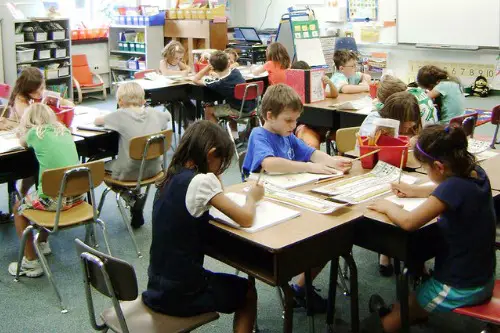
Education has become increasingly state-driven. Curriculum standards, book policies, and funding models differ sharply across regions. What students learn about history, civics, and social issues depends heavily on location. These differences influence how young people understand the country.
Education shapes worldview early on. When students receive different narratives, regional perspectives deepen. Over time, this produces adults with distinct cultural reference points. That reinforces regional divides in how Americans see themselves and others.
10. Housing Styles Reflect Local Identity More Strongly
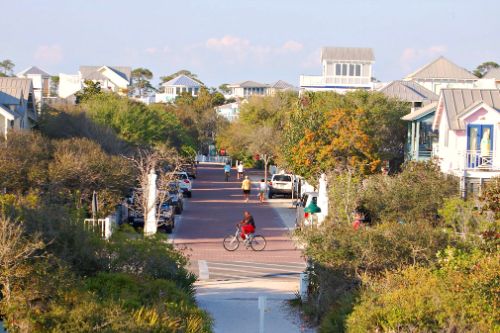
Housing shortages and zoning laws vary widely by region. Sunbelt cities favor sprawling developments, while older Northeastern cities emphasize dense housing. Building materials, layouts, and neighborhood designs reflect climate and history. These differences shape how people interact daily.
Where and how people live influences social behavior. Front porches, backyards, or shared walls encourage different kinds of community. Regional housing patterns reinforce local customs. They quietly shape regional culture over decades.
11. Regional Humor and Cultural References Are Thriving

Online humor increasingly relies on local references. Jokes about traffic patterns, weather, grocery stores, or sports teams resonate regionally. Memes tailored to specific states or cities spread quickly within those communities. They often make little sense outside the region.
Humor builds in-group identity. Laughing at the same references creates cultural bonds. When humor is hyper-local, it reinforces regional awareness. That keeps American culture feeling less uniform and more place-based.
This post Signs American Culture Is Becoming More Regional was first published on American Charm.

