1. Lynyrd Skynyrd
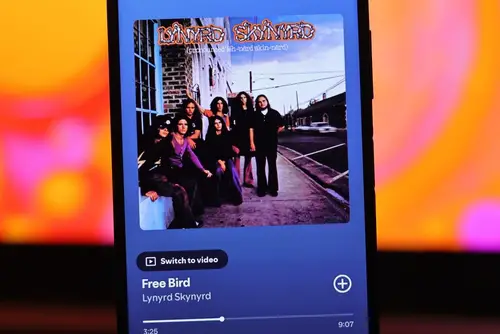
Few bands scream “America” louder than Lynyrd Skynyrd. Their Southern rock swagger, bluesy guitar riffs, and unapologetic pride in their roots made them the musical embodiment of the Deep South. Songs like “Sweet Home Alabama” and “Free Bird” became cultural shorthand for a certain brand of freedom-loving rebellion. That mix of country grit and arena-rock showmanship was something that didn’t quite translate overseas the same way.
Outside the U.S., the band’s Southern pride sometimes confused or alienated audiences unfamiliar with that regional identity. Their image—Confederate flags, barroom drawl, and tales of backroads living—was inseparable from American Southern culture. Abroad, those symbols didn’t evoke nostalgia; they evoked questions. At home, though, they made Skynyrd legends.
2. Bruce Springsteen and the E Street Band

Bruce Springsteen is more than a rock star—he’s practically a mythic storyteller of the American working class. His anthems about factory towns, broken dreams, and second chances feel like chapters from a national diary. Songs such as “Born to Run” and “Born in the U.S.A.” define a uniquely American tension: pride and frustration existing side by side. The E Street Band’s soulful heartland sound amplified that message.
While Springsteen’s music has international fans, his lyrical universe—blue-collar life, small-town bars, rust-belt highways—hits home in the U.S. in a way it doesn’t elsewhere. It’s the sound of diners, union halls, and long drives on Route 9. Overseas, it’s admired; at home, it’s lived. Springsteen’s America is specific, gritty, and stubbornly hopeful.
3. The Eagles
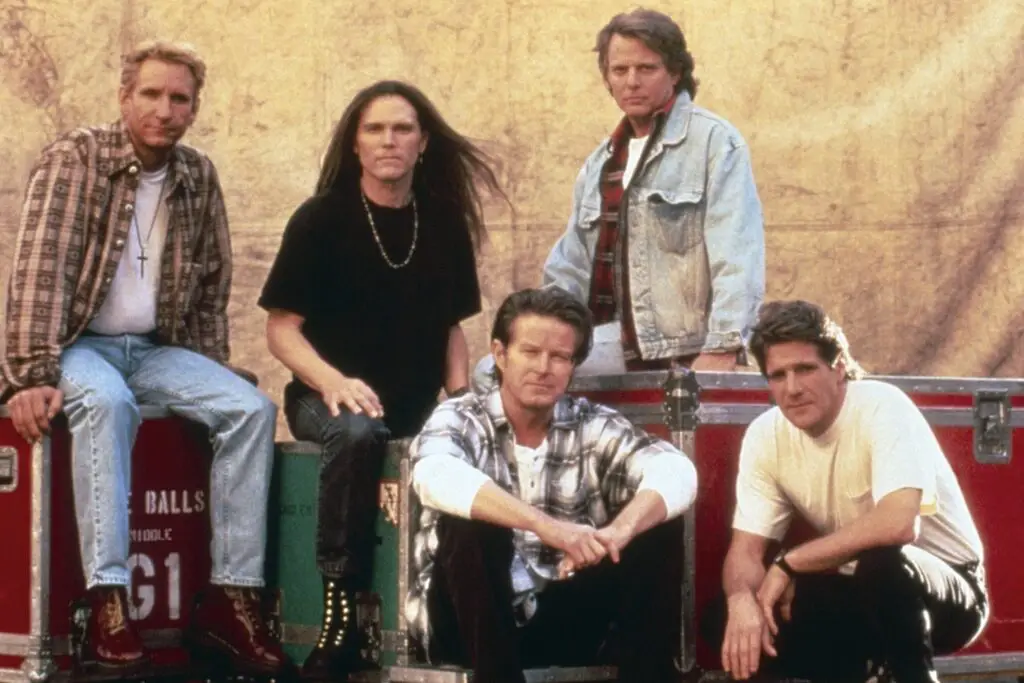
The Eagles’ laid-back California rock was tailor-made for an America chasing sunsets and freedom. With “Hotel California” and “Take It Easy,” they bottled the uneasy dream of the West Coast—equal parts beauty and burnout. Their harmonies and smooth production perfectly suited an era of long road trips and FM radio. They became the sonic wallpaper of American leisure.
But their themes of restless wanderers, desert highways, and existential luxury didn’t land the same way abroad. Outside the U.S., their songs were catchy; inside it, they were a mirror. The Eagles’ music defined a very specific American contradiction: comfort that feels like captivity. No wonder only America truly understood their melancholy shine.
4. Creedence Clearwater Revival
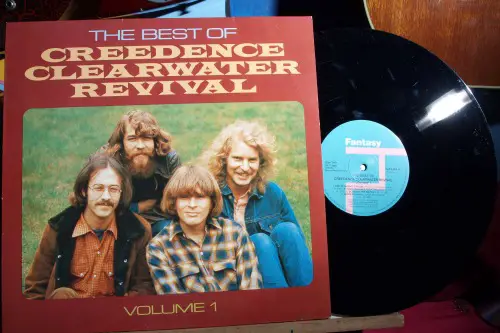
Creedence Clearwater Revival sounded like the swampy South even though they were from California. That alone makes them peak American—romanticizing the idea of the rural heartland while living thousands of miles away from it. Their songs about bayous, bad moons, and riverboats stitched together myth and music. “Fortunate Son” became an anti-war anthem that still resonates with American protest culture.
In Europe, their version of the South could seem like pure fantasy, but Americans recognized the truth in the emotion. CCR’s raw energy and storytelling fit the U.S. perfectly, where mythmaking is practically a pastime. Abroad, they were a curiosity; at home, they were the sound of protest and pride all at once. You can’t fake that kind of authenticity—or that accent.
5. Kid Rock

Kid Rock built his career on a mash-up of rap, rock, and Southern twang that made sense only in the U.S. His mix of Detroit grit and redneck bravado was as American as monster trucks and backyard barbecues. Songs like “Bawitdaba” and “Cowboy” turned blue-collar rebellion into arena spectacle. He understood his audience because he was one of them.
Internationally, though, his blend of hip-hop attitude and country swagger puzzled listeners. The bravado and flag-waving didn’t translate to audiences who didn’t share his cultural shorthand. In America, he was both loved and loathed—a perfect reflection of the country’s contradictions. Everywhere else, he was just confusing.
6. The Grateful Dead
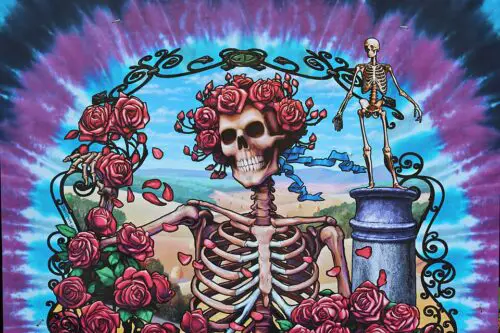
The Grateful Dead weren’t just a band—they were a lifestyle. Their marathon shows, psychedelic jams, and tie-dyed tribe of “Deadheads” defined American counterculture in the 1960s and beyond. They built a community before “fan culture” was even a term, thriving on the freedom of the open road. Songs like “Truckin’” and “Uncle John’s Band” captured that nomadic American spirit.
Abroad, their endless improvisations and wandering ethos didn’t resonate the same way. The Dead’s appeal was wrapped up in the U.S. experience of freedom, experimentation, and rebellion. They weren’t made for charts—they were made for long drives and open spaces. America got that; most of the world didn’t.
7. Guns N’ Roses
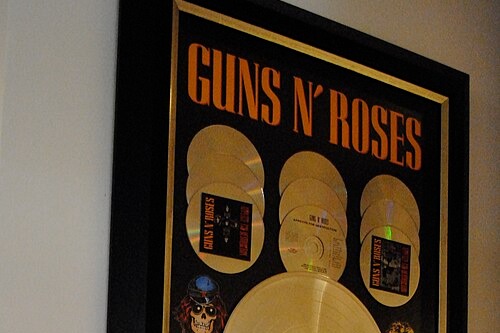
When Guns N’ Roses burst out of L.A. in the late ’80s, they were pure American chaos. They mixed punk energy, Sunset Strip sleaze, and classic rock ambition into a dangerous cocktail. “Welcome to the Jungle” wasn’t just a song—it was a warning label for Los Angeles itself. They were the American dream in black leather: thrilling, reckless, and self-destructive.
Overseas, fans loved their music but didn’t always grasp the cultural backdrop behind it. Guns N’ Roses embodied a uniquely American hunger for excess and fame. Their rise and implosion felt like Hollywood compressed into a band. Only America could produce—and survive—them.
8. Tom Petty and the Heartbreakers
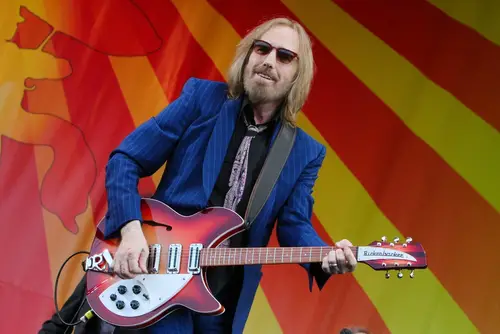
Tom Petty wrote songs for the everyman, filled with highways, heartbreak, and quiet defiance. His jangly guitar sound and plainspoken lyrics made him the poet laureate of American suburbia. “Free Fallin’,” “American Girl,” and “Refugee” all felt like postcards from small-town life. Petty’s music lived in the cracks between ambition and contentment.
International audiences appreciated his melodies, but the nuance of his storytelling was distinctly American. He wrote about strip malls, radio dreams, and restless hearts in a way that only someone raised on them could. Petty’s America wasn’t glamorous—it was ordinary, and that’s what made it powerful. Other countries had rock heroes; America had Tom Petty.
9. ZZ Top
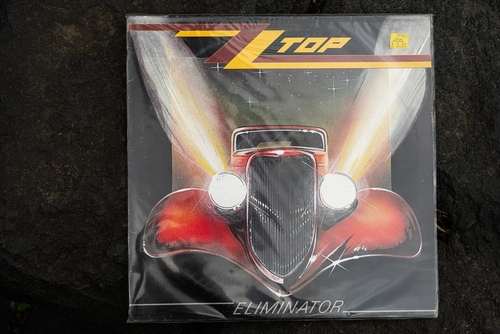
ZZ Top turned Texas culture into global mythology. With beards, blues riffs, and a sense of humor, they were both parody and tribute to the Lone Star State. Their songs like “La Grange” and “Sharp Dressed Man” celebrated swagger and simplicity. They were unapologetically local, which somehow made them national icons.
Outside the U.S., their exaggerated Texan vibe could feel cartoonish. But for Americans, they nailed something real—rugged pride mixed with a wink. Their music sounded like barbecue smoke and highway dust. ZZ Top didn’t just play blues-rock; they played Texas itself.
10. Bon Jovi
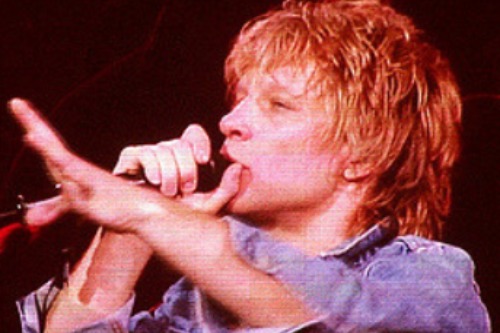
Bon Jovi’s mix of hard rock and heartland optimism was born for American arenas. Their anthems about dreams, love, and second chances—like “Livin’ on a Prayer” and “Wanted Dead or Alive”—hit that sweet spot between blue-collar grit and big-city shine. They made rock music sound like hope on a Friday night. Every lyric felt like it belonged on a denim jacket.
While the band found success overseas, the emotional core of their music was tied to American resilience. Their songs were made for people who believed that one lucky break could change everything. That’s an American fantasy if there ever was one. Other countries had stadium rock; Bon Jovi had the American dream on guitar.
11. The Black Crowes
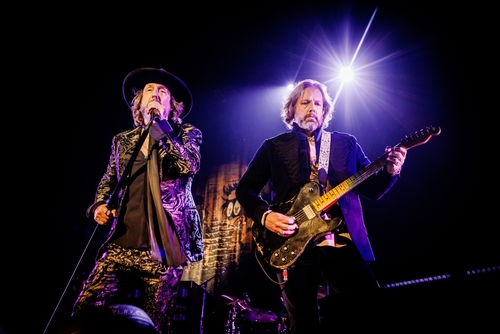
The Black Crowes revived a Southern-blues swagger that America didn’t know it still needed. With “Hard to Handle” and “She Talks to Angels,” they brought swagger, soul, and scruff back to mainstream rock. They looked and sounded like the ‘70s had never ended. Their blend of gospel, blues, and rock came straight from American roots.
In Europe, that retro-Americana energy was admired but not lived. Their lyrics and style drew from distinctly Southern traditions of revival and rebellion. They were heirs to a lineage that started with church choirs and bar bands. Only in America could they sound that raw and still hit the Top 40.
12. Green Day
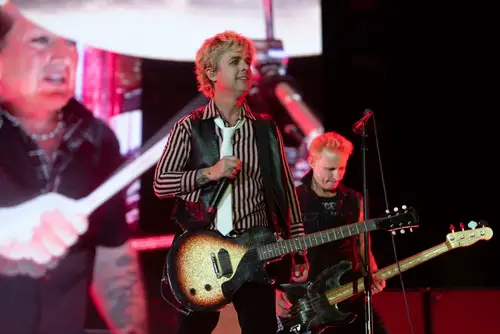
Green Day’s bratty pop-punk attitude could only have come from the American suburbs. “Basket Case” and “American Idiot” both channeled the boredom and angst of youth under fluorescent lights. They made rebellion catchy and disillusionment mainstream. Their blend of sarcasm, melody, and politics reflected a generation growing up in malls and media overload.
Overseas fans sang along, but the satire and snarl were rooted in American life. “American Idiot” was both a protest and a love letter to the chaos of the country itself. Green Day distilled discontent into power chords. The rest of the world could relate—but Americans lived it.
This post 12 Rock Bands That Were Too American to Work Anywhere Else was first published on American Charm.