
1. Fort Lauderdale, Florida
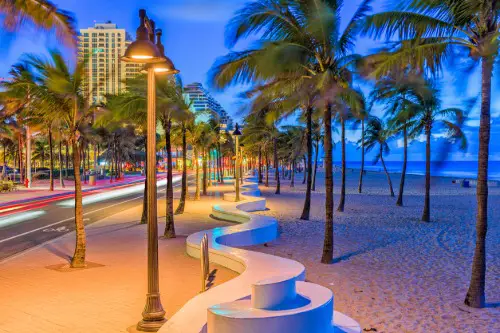
For years, retirees flocked to Fort Lauderdale for its beaches, boating culture, and warm winters, but the shine has dulled a bit. Home prices and insurance premiums have surged across South Florida, and Fort Lauderdale has been especially affected by rising flood insurance costs. Repeated flooding events and king tides have made some neighborhoods more vulnerable than they were a decade ago. Add in increasingly crowded roads and a busy tourism scene, and the laid-back vibe can feel harder to find.
There’s also the reality of hurricane risk along Florida’s Atlantic coast, which has become more top-of-mind for many retirees. Property taxes and HOA fees have climbed as buildings age and maintenance reserves increase. Healthcare access is strong, but demand has grown alongside the population, sometimes leading to longer waits for specialists. For retirees on fixed incomes, the financial and environmental pressures can chip away at that carefree beach-town dream.
2. Scottsdale, Arizona

Scottsdale has long marketed itself as a desert oasis with golf courses, spas, and plenty of sunshine. But in recent years, soaring home prices have pushed it into luxury territory, making it far less affordable than it once was for middle-class retirees. Water scarcity concerns in the broader Phoenix metro area have also raised questions about long-term sustainability. The extreme summer heat, with temperatures regularly exceeding 110 degrees, can limit outdoor activities for months at a time.
Traffic has grown as the region expands, and seasonal visitors still swell the population each winter. Utility bills can spike in summer due to air conditioning demands. While the city offers upscale amenities and excellent healthcare facilities, the cost of enjoying them has steadily increased. For retirees seeking simple desert tranquility, Scottsdale can feel more intense than idyllic.
3. Naples, Florida
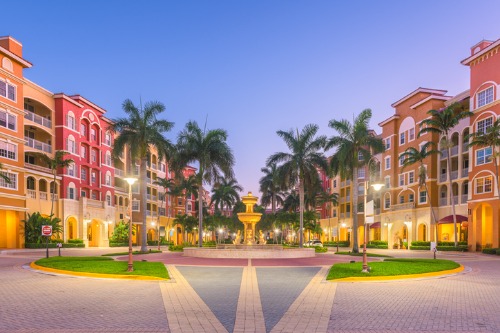
Naples built its reputation on pristine beaches, upscale dining, and a large retiree population. However, it has become one of the most expensive housing markets in Florida, with median home prices well above state averages. Hurricanes, including powerful recent storms along Florida’s Gulf Coast, have heightened concerns about property damage and insurance premiums. Rising rebuilding costs have added another layer of financial strain.
The city’s popularity has also led to heavier traffic during peak season, especially on major corridors like U.S. 41. Insurance availability and cost have become persistent issues across coastal Florida, and Naples is no exception. Even everyday expenses, from dining to home maintenance, tend to skew higher here. The result is a retirement haven that can feel financially demanding and weather-stressed.
4. Asheville, North Carolina
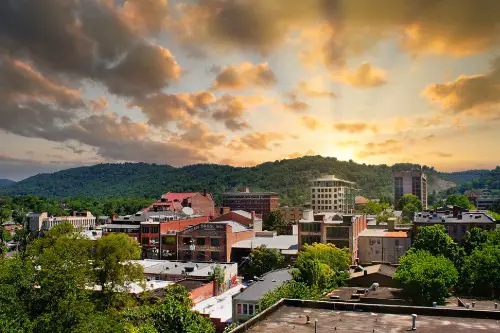
Nestled in the Blue Ridge Mountains, Asheville has drawn retirees with its arts scene and cool summers. Yet housing costs have risen sharply over the past decade, driven by an influx of newcomers and a strong short-term rental market. Limited housing inventory has made it more competitive and less affordable than many expect. What was once a quirky mountain town now feels pricier and busier.
Tourism has also grown substantially, especially during fall foliage season, crowding downtown streets and restaurants. While the area offers scenic beauty, access to specialized healthcare can require travel to larger cities. Infrastructure strains have become more noticeable as the population grows. For retirees seeking quiet mountain living, Asheville’s popularity has changed the atmosphere.
5. Austin, Texas
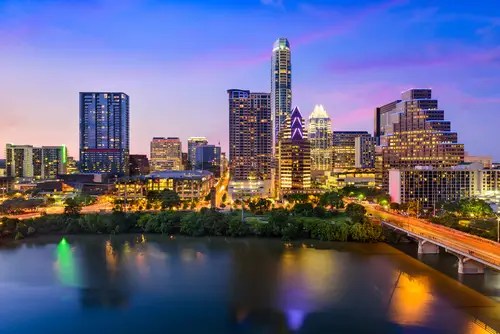
Austin has long attracted retirees who wanted no state income tax and a vibrant cultural scene. But explosive population growth has fueled sharp increases in home prices and property taxes. Traffic congestion is a daily frustration, and infrastructure has struggled to keep pace. Summers are intensely hot, with prolonged stretches of triple-digit temperatures.
The city’s energy remains youthful and tech-driven, which can be exciting but not always restful. Rising utility costs and insurance rates add to the overall expense of living. While healthcare options are strong, demand has grown alongside the metro area. For retirees hoping for a slower pace, Austin’s rapid growth can feel overwhelming.
6. Charleston, South Carolina
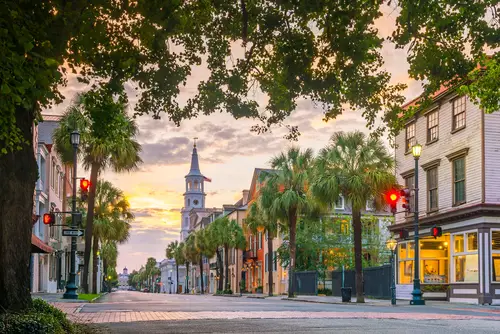
Charleston’s historic charm and coastal beauty have long lured retirees. However, the city faces increasing flooding issues, particularly during heavy rains and high tides. Home prices have climbed significantly as demand for coastal living remains high. Insurance premiums, especially for properties in flood-prone areas, have also risen.
Tourism is a major industry, and peak seasons can bring crowded streets and long restaurant waits. Traffic congestion has worsened as the metro area expands faster than road infrastructure. The humidity and hurricane risk add environmental stressors. For those seeking quiet Southern charm, Charleston’s popularity has made it busier and costlier than before.
7. Sarasota, Florida
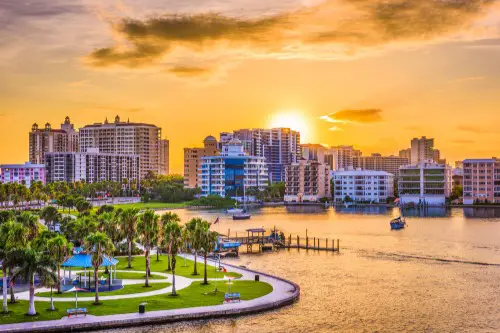
Sarasota has been a Gulf Coast favorite thanks to its beaches and arts community. But like much of coastal Florida, it has seen substantial increases in home prices and property insurance costs. Hurricanes in recent years have underscored the risks of waterfront living. Rebuilding and repair expenses have added financial uncertainty for homeowners.
Seasonal residents significantly increase traffic during winter months. Healthcare facilities are reputable, but growing demand can stretch resources. Everyday living costs, from groceries to dining, have trended upward with the city’s popularity. What once felt like a quiet coastal retreat can now feel crowded and expensive.
8. Boise, Idaho

Boise gained attention as an affordable alternative to West Coast cities. However, a surge of in-migration drove housing prices up dramatically over the past several years. While prices have cooled somewhat, they remain high relative to historical norms and local wages. This shift has surprised retirees who expected bargain living.
Infrastructure and traffic have struggled to keep pace with growth. Idaho’s property taxes are lower than many states, but rising home values can still mean higher bills. Winters bring snow and cold temperatures that may not suit everyone seeking mild retirement weather. For some, Boise no longer feels like the hidden gem it once was.
9. Phoenix, Arizona
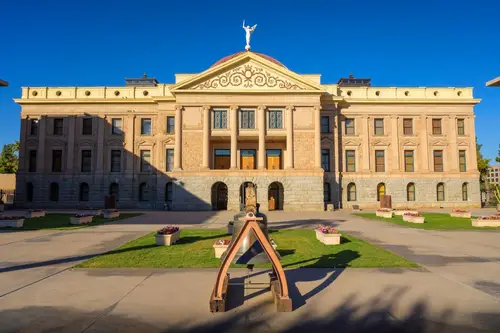
Phoenix has long appealed to retirees for its dry climate and relatively affordable housing. In recent years, though, home prices have increased significantly due to population growth. The metro area experiences extreme summer heat, often breaking temperature records. Water supply concerns tied to the Colorado River have also raised long-term questions.
Traffic congestion has intensified as development spreads outward. Air quality issues, particularly during heat waves and wildfire season, can affect those with respiratory conditions. Utility costs climb during the hottest months because of constant air conditioning. While Phoenix still offers amenities and healthcare, the environmental and cost pressures are harder to ignore.
10. Denver, Colorado
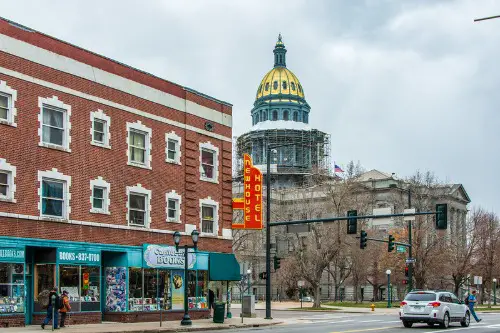
Denver attracts retirees who love access to the Rockies and an active lifestyle. However, housing prices have risen steeply over the past decade, making it less attainable for fixed-income households. Property taxes have increased alongside home values in many neighborhoods. The city’s elevation can also pose challenges for those with certain health conditions.
Traffic and urban growth have made the metro area busier than its former laid-back image suggests. Winter weather brings snow and icy roads, which can be difficult for older drivers. Wildfire smoke from regional fires has periodically affected air quality. For retirees seeking calm and affordability, Denver can feel more demanding than expected.
11. Las Vegas, Nevada

Las Vegas has long marketed itself as tax-friendly, with no state income tax and relatively low property taxes. Yet housing prices surged in recent years, narrowing the affordability gap. Extreme summer heat, often above 110 degrees, can confine outdoor activity. Water scarcity in the desert Southwest adds another layer of concern.
Healthcare access has improved, but Nevada has historically ranked lower in healthcare quality compared to many states. Traffic has grown alongside population increases. Tourism keeps the city lively, but it also means constant crowds. For retirees wanting peace and quiet, Las Vegas can feel more hectic than relaxing.
12. Honolulu, Hawaii

Honolulu offers natural beauty and a warm climate year-round. However, it consistently ranks among the most expensive U.S. cities for housing and everyday goods. Groceries, utilities, and healthcare can cost significantly more than on the mainland. For retirees on fixed incomes, that price difference can be substantial.
Geographic isolation can also complicate access to specialized medical care. Tourism is a major industry, bringing crowds to popular beaches and neighborhoods. Traffic congestion is common despite the island setting. While the scenery is stunning, the financial realities make retirement here less carefree than many imagine.
13. Portland, Oregon
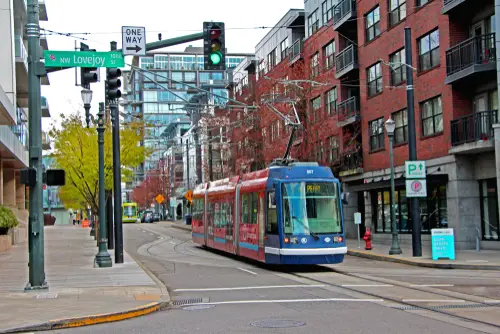
Portland has drawn retirees with its progressive culture and access to nature. But home prices rose sharply during the 2010s, and while they’ve stabilized somewhat, affordability remains a concern. Property taxes in Oregon can be significant depending on assessed values. Public concerns about homelessness and crime have also shaped perceptions of livability.
Wildfire smoke has periodically affected air quality in recent summers. Rainy winters can feel long and gray for those expecting year-round outdoor enjoyment. Infrastructure challenges and traffic congestion have grown with the metro population. For some retirees, Portland’s quirks now come with more trade-offs.
14. San Diego, California

San Diego has long been considered one of the most desirable retirement cities in the country. Its mild climate and coastal setting are undeniable draws. Yet it is also one of the most expensive housing markets in the United States. High home prices and California’s overall cost of living can strain retirement budgets.
Property taxes are moderated by Proposition 13, but purchase prices still determine the tax base for new buyers. Traffic congestion across the metro area can make daily errands time-consuming. Water costs and periodic drought restrictions add another layer of complexity. For retirees dreaming of endless sunshine, San Diego often delivers beauty but at a steep price.
This post 14 Retirement Havens That Aren’t So Relaxing Anymore was first published on American Charm.

