1. Tabletop Jukeboxes
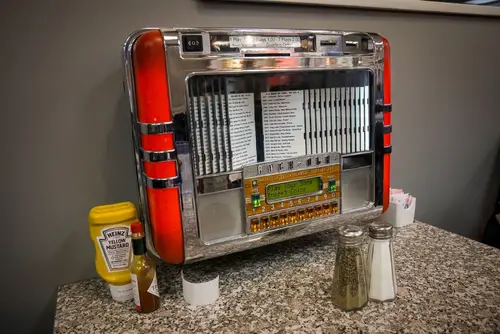
In 1996, many diners, especially chains like Johnny Rockets, featured mini jukeboxes at each booth. Dropping in a coin and picking a song felt like a tiny thrill. But as digital licensing costs changed and smartphones took over, these machines lost their cultural relevance. By 2026, the few that remain will likely be display pieces rather than functioning devices.
The maintenance for these systems is surprisingly heavy, especially as parts grow obsolete. Restaurants also want faster table turnover, and anything that encourages lingering gets reconsidered. Digital playlists running in the background are cheaper and more flexible. Charming though they were, the era of picking your tune with pocket change is ending.
2. Salad Bars
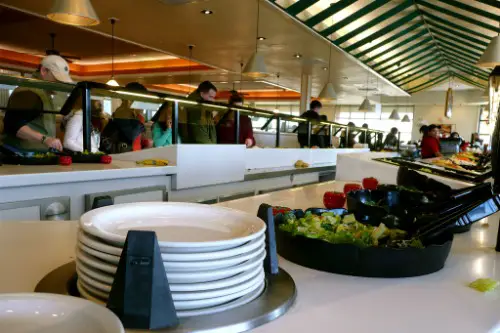
Salad bars were a defining feature of casual dining in the mid-’90s, popping up in chains from Sizzler to Pizza Hut. They felt abundant and exciting—choose your own toppings!—at a time when buffet culture peaked. But changing food-safety expectations and rising labor costs have slowly made self-service setups less appealing to operators. By 2026, most chains will likely have swapped them for pre-portioned salads and simplified menus.
Consumer concerns about cleanliness also play a role, especially after the pandemic highlighted hygiene risks. Even restaurants that kept their salad bars often struggled with wastage from keeping everything stocked all day. The shift toward grab-and-go freshness counters the old “pile it high” model. It’s a practical evolution, but it means the charm of the 1996 salad bar is fading fast.
3. All-You-Can-Eat Buffets

Buffets were a family favorite in 1996, especially at places like Golden Corral and hometown buffet chains. The pitch was simple: pay once, eat endlessly, and sample everything. But the economics of buffets have grown more challenging as ingredient and staffing costs climb. By 2026, many of these sprawling setups will be shuttered or drastically downsized.
Health consciousness has also surged, and customers are less drawn to oversized portions. Operators now prefer smaller, curated offerings that reduce waste and increase margins. Add in the logistical headaches of maintaining dozens of dishes simultaneously, and the old buffet model looks outdated. Nostalgic? Absolutely. Practical? Not so much anymore.
4. Oversized Plastic Kids’ Cups
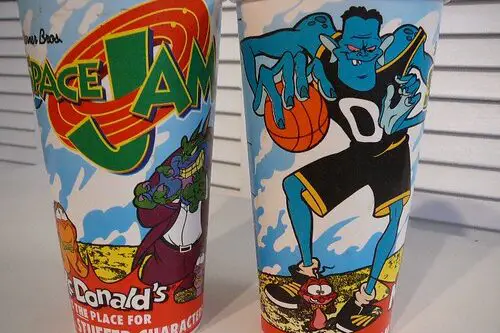
These cups—with cartoon mascots and massive straws—were everywhere in family restaurants in 1996. They made kids feel special and made refills easy for servers. But environmental pressures have pushed chains toward reusable or compostable alternatives. By 2026, the big reusable plastic souvenir cups will be rare outside theme parks.
Parents today are more aware of plastic waste and prefer smaller, simpler drinkware. Manufacturers also have difficulty justifying the cost of producing niche designs for kids’ menus. Many chains have already eliminated them in favor of standardized cups. What once felt like a fun treat is now seen as unnecessary clutter.
5. Smoke-Filled “Non-Smoking Sections”
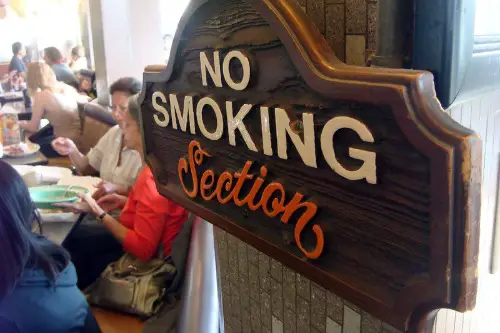
If you ate in restaurants in 1996, you remember the laughable “non-smoking section” divided by a single aisle. It was a standard feature across casual dining rooms. But with smoking bans sweeping the U.S. starting in the 2000s, these sections disappeared quickly. By 2026, younger diners won’t even know they existed.
Even in states slow to adopt bans, restaurants realized smoke discouraged families and non-smokers. Ventilation systems were expensive, and customer complaints kept rising. Health regulations then caught up with public opinion. The idea of putting smokers and non-smokers in the same room now seems almost surreal.
6. Free Breadsticks and Dinner Rolls
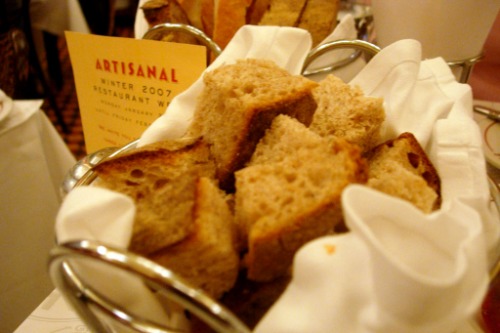
In the ’90s, restaurants practically competed to offer the most generous bread basket. It was a cheap way to keep diners happy while kitchens got meals ready. But as margins tightened and carb-heavy starters fell out of favor, “free” bread became harder to justify. By 2026, many places will only serve it on request—or charge for it.
Restaurants also want customers to save room for higher-margin appetizers. Endless bread refills encourage people to fill up before ordering anything else. Rising food costs have made tossing leftover baskets an economic burden. The tradition is slowly giving way to more strategic menu planning.
7. Big Laminated Menus
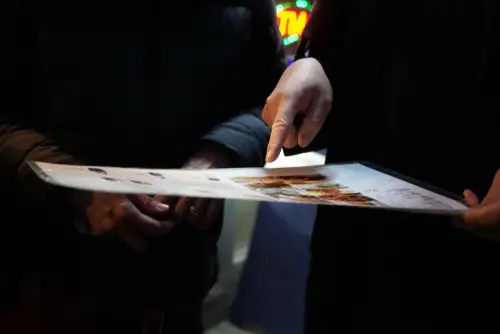
In 1996, diners loved flipping through huge, laminated menus with dozens of choices. It felt like you could order anything your heart desired. But modern restaurants prefer tighter menus that streamline prep and reduce ingredient waste. By 2026, oversized laminated catalogs will be mostly extinct.
QR codes, tablets, and compact printed menus are easier to update. Supply-chain unpredictability has made flexibility more valuable than variety. Plus, customers now associate too-long menus with lower quality. The shift toward specialization has closed the book on menu sprawl.
8. Dessert Carts
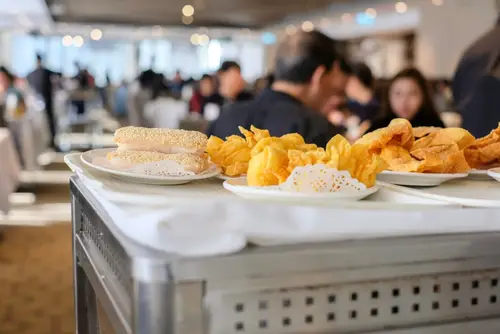
Rolling dessert carts were once a hallmark of upscale and mid-tier restaurants. They offered visual temptation at the end of a meal, especially in steakhouses and continental restaurants. But they require space, staff, and fresh inventory that often goes uneaten. By 2026, the carts will be more of a nostalgic memory than a common sight.
Restaurants now prefer plated desserts prepared to order. Kitchens want better portion control and fresher presentations. Guests also tend to check dessert photos online rather than be enticed tableside. It’s a shift from spectacle to efficiency.
9. Theme-Heavy Chain Décor
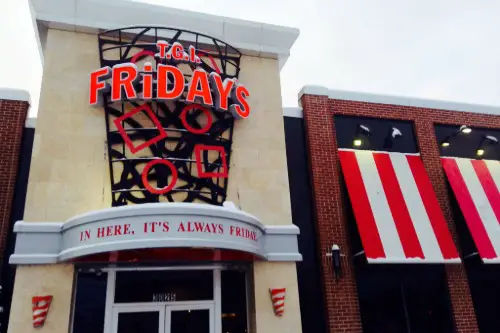
Think Rainforest Café animatronics or the wild clutter of TGI Fridays in the ’90s. These heavily themed interiors were huge draws in 1996. But chains have been de-cluttering to appeal to modern tastes favoring minimalism. By 2026, the maximalist theme-restaurant aesthetic will be nearly gone outside tourist spots.
Décor maintenance is expensive, and props break often. Modern diners prefer cleaner lines and quieter environments. Excessive theming also limits brand flexibility during remodels. What once felt immersive now feels dated and costly.
10. Unlimited Soda Refills at Sit-Down Restaurants
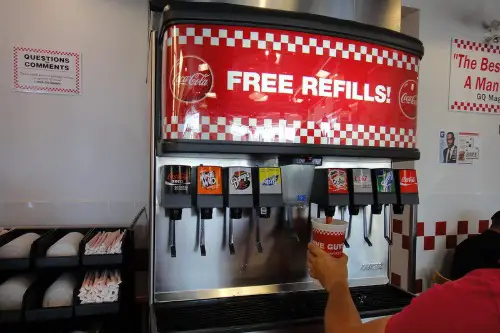
Unlimited refills became a calling card of casual dining in the ’90s. It felt generous and cost restaurants very little back then. But soda consumption is down, and beverage margins matter more now. By 2026, refills will still exist but will be far less universal—especially as chains rethink portion sizes.
Some health-focused jurisdictions have even discussed limiting oversized sugary drinks. More restaurants are switching to smaller glasses or charging for second rounds. Self-serve soda fountains are harder to maintain and sanitize than they used to be. The old bottomless Coke culture just isn’t as bankable anymore.
11. Chain Restaurant Crayons and Paper Placemats
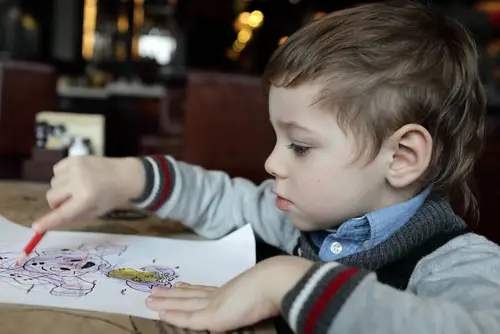
Kids’ placemats with mazes and crayons felt standard in 1996. They kept kids busy and made family dining easier. But the single-use paper trend has come under scrutiny for waste. By 2026, expect digital alternatives or compact reusable boards instead.
Labor costs have also made constant restocking less attractive. Many chains have removed crayons because they require consistent monitoring and replenishment. Parents also bring their own entertainment for kids now, reducing reliance on restaurant-supplied distractions. It’s a small change, but one that signals a broader shift.
12. Giant Chain-Branded Plastic Souvenirs
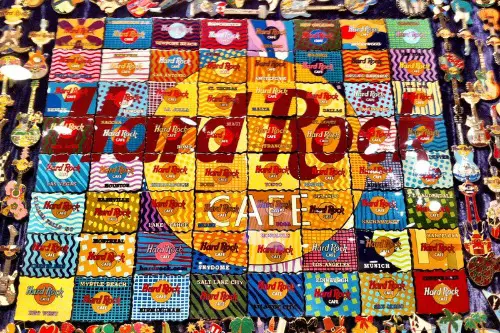
Remember the huge, colorful plastic mugs from places like Hard Rock Cafe and Planet Hollywood? They were everywhere in the mid-’90s, doubling as both drinkware and merch. But consumer tastes have shifted toward sustainable materials and subtler branding. By 2026, plastic souvenir drinkware will be largely supplanted by metal, glass, or no souvenirs at all.
Restaurants have realized these items often end up in landfills rather than cherished collections. Production costs and storage space add up, making them less practical. Tourists also prefer smaller, easier-to-pack keepsakes. The novelty drink mug boom has had its day.
13. Chain Restaurant Arcade Corners
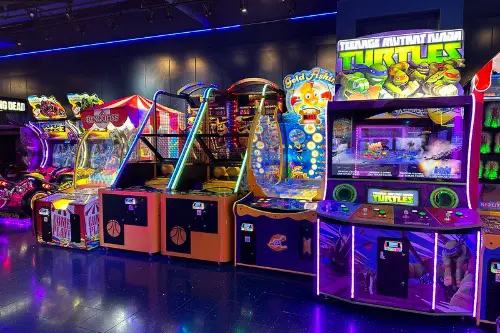
In 1996, even non-arcade restaurants often kept a few video cabinets near the entrance. It gave kids something to do and made waiting for a table feel exciting. But as mobile gaming exploded, these cabinets became less relevant. By 2026, only dedicated entertainment restaurants will still invest in them.
Arcade machines require repairs, licensing, and floor space that could seat paying guests. Most kids now carry far more advanced games in their pockets. Restaurants increasingly design lobbies for comfort rather than noise and flashing lights. It’s a quiet end to what used to be a rite of passage for ’90s kids.
This post 13 Restaurant Staples That Were Everywhere in 1996 and Will Be Practically Nowhere in 2026 was first published on American Charm.