
1. Costa Rica

Costa Rica appeals to Americans through its relaxed social tone. The “pura vida” mindset aligns with American ideals of balance and optimism. English is widely spoken in tourism and business settings. Locals are accustomed to American visitors and residents.
The country’s political stability also feels reassuring. Democratic institutions and civic norms are familiar. Environmental values resonate with many Americans. That shared outlook makes adaptation smoother.
2. United Kingdom
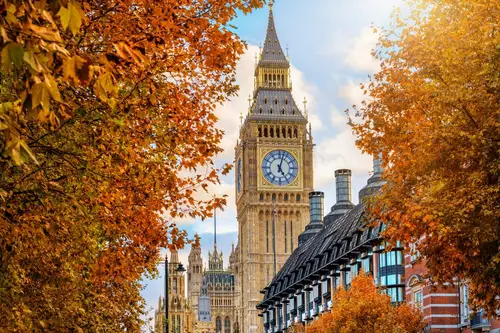
Americans often find the UK comfortable because of the obvious shared language and intertwined history. Media, literature, and entertainment flow constantly between the two countries, creating instant cultural shorthand. Workplace structures, meeting styles, and professional expectations feel recognizable. Even differences, like British understatement, are usually easy to decode.
Socially, Brits are accustomed to Americans and tend to be curious rather than dismissive. Universities, multinational companies, and tourism have normalized American accents across the country. Public transportation, legal systems, and daily routines feel logical to Americans. The biggest adjustments tend to be vocabulary quirks, not deeper cultural barriers.
3. Ireland
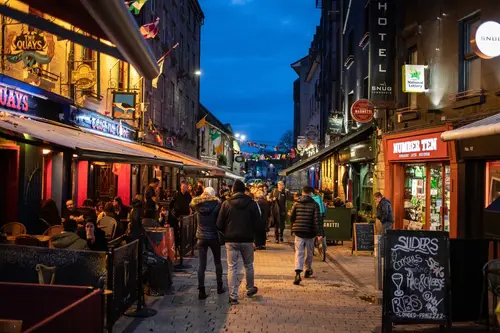
Ireland’s friendliness is often the first thing Americans notice, especially in everyday interactions. Small talk with strangers is normal, and curiosity about visitors is genuine rather than transactional. The strong storytelling tradition meshes well with American conversational styles. Shared cultural roots through immigration also create an emotional familiarity.
On a practical level, Ireland’s work culture and social norms feel intuitive to Americans. English is spoken with clarity, even if the accents take a moment to tune into. American companies have a strong presence, especially in tech and pharma. That economic overlap makes Americans a common and accepted part of daily life.
4. Australia
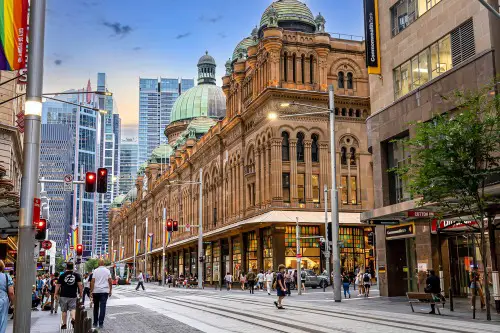
Australians tend to engage Americans easily, helped by shared humor and a relaxed conversational tone. Workplace culture values initiative and directness, traits Americans are used to bringing. Pop culture references often overlap, from movies to music. That shared media diet reduces cultural lag.
Daily logistics also feel familiar, from housing styles to retail experiences. Australia’s cities are designed in ways Americans intuitively understand. English removes a major barrier, while differences are usually framed playfully. Americans often find that curiosity about their background turns into quick rapport.
5. New Zealand

New Zealand’s pace of life feels approachable to many Americans. Social interactions emphasize friendliness without being intrusive. Workplaces tend to value collaboration and problem-solving, aligning with American professional norms. The cultural tone is relaxed but structured.
New Zealanders are also used to visitors and long-term expatriates. English is the primary language, and American accents are unremarkable. The country’s openness to innovation and entrepreneurship resonates with Americans. Even the humor, though subtler, rewards attentiveness rather than cultural fluency.
6. The Netherlands
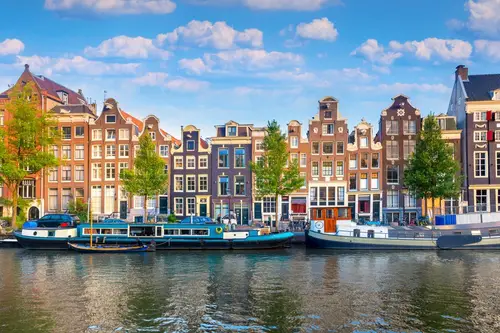
The Netherlands stands out for how comfortably Americans operate in English there. Dutch people are among the highest English speakers in the world, which removes a major barrier. Direct communication is valued, aligning well with American conversational norms. That straightforwardness often feels refreshing rather than abrasive.
Culturally, the Netherlands balances structure with personal freedom in ways Americans recognize. Work-life balance is respected, but productivity still matters. International business and education are deeply embedded in society. Americans often feel like participants rather than outsiders.
7. Germany

Germany can feel surprisingly comfortable for Americans, especially in professional environments. Punctuality, efficiency, and rule-following align with American institutional expectations. English is widely spoken in urban areas and business settings. Clear systems reduce uncertainty for newcomers.
Germans tend to separate personal and professional life clearly, which Americans adapt to quickly. Once boundaries are understood, relationships deepen reliably. Infrastructure, public services, and consumer protections feel logical. Americans often appreciate the predictability of daily life.
8. The Nordic Countries (Sweden, Denmark, Norway)
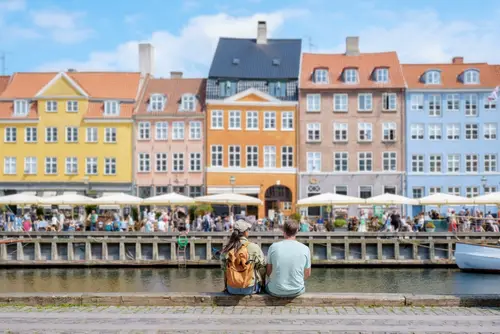
Nordic countries feel accessible due to widespread English fluency. Social systems are transparent, and processes are clearly explained. Americans often appreciate the emphasis on fairness and accountability. Workplace hierarchies are flatter than expected but easy to navigate.
Culturally, personal space and independence are respected. That aligns with American ideas of autonomy and privacy. While social circles can take time to enter, interactions are polite and sincere. Americans often find that clarity replaces ambiguity in daily interactions.
9. Japan

Japan may seem like an unlikely fit, but many Americans adapt quickly. Clear rules, strong public order, and consistent service expectations reduce daily friction. Enthusiasm for American culture, especially entertainment and sports, creates easy conversation starters. Politeness and respect guide most interactions.
Japanese society is also accustomed to foreigners navigating life imperfectly. Effort is often valued more than fluency. Americans who observe rules and show courtesy are treated generously. The predictability of systems helps offset cultural distance.
10. South Korea

South Korea’s fast-paced urban culture resonates with many Americans. Cities operate on efficiency, convenience, and innovation. English signage and services are common, especially in major areas. American pop culture influence is visible and openly embraced.
The long-standing alliance between the two countries shapes social familiarity. Many Koreans have studied or lived in the U.S. That shared reference point eases communication. Americans often feel welcomed rather than scrutinized.
11. Mexico

Americans often fit in quickly in Mexico due to warmth and hospitality. Social interactions prioritize friendliness and generosity. Many regions have long histories of American residents and visitors. That familiarity reduces cultural distance.
Practically, Americans find daily life flexible and accommodating. Spanish helps, but English is common in many areas. Family-oriented values resonate strongly. Americans often feel integrated through relationships rather than systems.
12. Canada

For many Americans, Canada feels familiar within minutes, and that’s not just because of the shared border. The two countries share similar media, sports leagues, and pop culture references that make casual conversations easy. Customer service expectations, workplace norms, and social etiquette are closely aligned. Even regional accents and humor often overlap, lowering the cultural adjustment curve.
Another reason Americans blend in is the shared legal and institutional framework. Parliamentary government aside, daily life runs on systems Americans recognize, from banking to healthcare access points. Canadians are used to Americans visiting, studying, and working there, so newcomers don’t stand out. The politeness stereotype also means social missteps are usually met with patience rather than friction.
13. Portugal

Portugal has become increasingly comfortable for Americans. English proficiency is high, especially in cities. Locals are patient with newcomers learning Portuguese. Social interactions tend to be warm and unpretentious.
The pace of life appeals to Americans seeking balance. Bureaucracy exists, but processes are transparent. Portugal’s openness to international residents has normalized cultural diversity. Americans often feel welcomed rather than singled out.
This post Regions Where Americans Fit In Almost Instantly—and the Surprising Reasons was first published on American Charm.

