
1. Miami
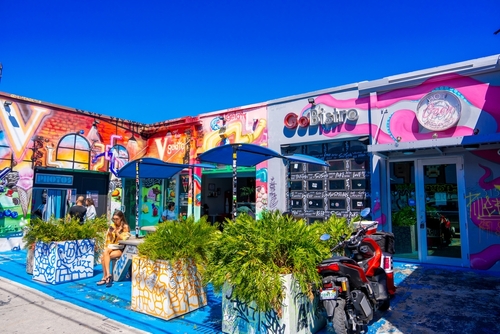
Miami has stunning waterfront views, but much of that shoreline is lined with private development. Condos, hotels, and marinas often limit how much space the public can freely use. While there are beautiful parks, continuous public waterfront access isn’t as widespread as many people expect. That makes everyday public gathering spots feel more limited.
The city’s tropical climate also means outdoor spaces need shade and thoughtful design to stay comfortable. Some plazas exist, but they can feel tied to shopping centers or private complexes. Truly open civic squares are relatively rare compared with older cities. As development continues, debates about preserving public access are becoming more common.
2. Houston
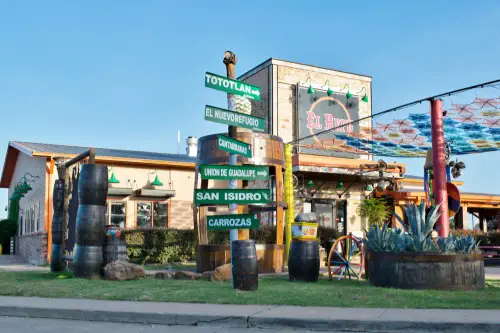
Houston’s scale can be overwhelming, and that scale has historically favored highways and development over civic squares. The city famously lacks zoning, which has produced an energetic but often fragmented urban landscape. Public spaces exist, but they’re frequently spread out and disconnected from where people live. That can make everyday social spaces harder to reach without a car.
Downtown has added new parks in recent years, yet many neighborhoods still lack inviting shared spaces. The city’s humid climate also raises the bar for what a usable public space needs to offer, like shade and cooling features. Without thoughtful design, plazas can sit empty in the heat. The result is a city where people often gather in private venues instead of public squares.
3. Phoenix
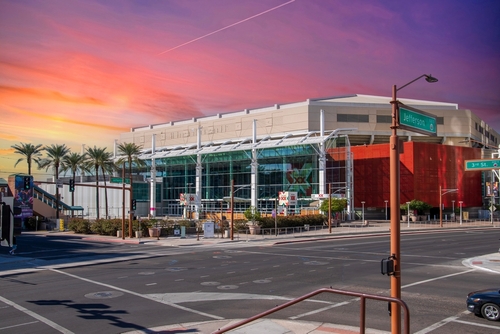
Phoenix faces a unique challenge when it comes to public space: extreme heat. In summer months, outdoor plazas and squares can become nearly unusable during the day. Even well-designed spaces struggle if they lack enough shade, trees, or cooling infrastructure. That limits how often residents can comfortably gather outdoors.
The city has beautiful desert parks and scenic preserves, but those are often destinations rather than everyday civic spaces. Many residential areas rely heavily on private yards or indoor venues for social life. Walkable public plazas are still relatively rare in many districts. As the metro area grows, the demand for shaded, pedestrian-friendly public places keeps rising.
4. Jacksonville
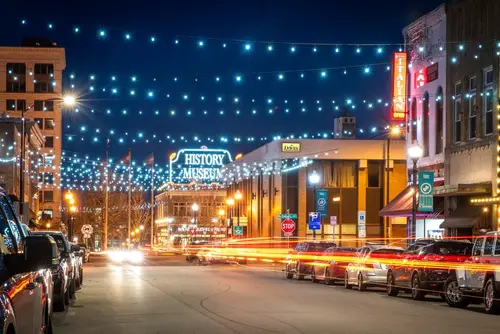
Jacksonville is the largest city by land area in the contiguous United States, which makes creating vibrant public spaces more complicated. The city’s development pattern spreads neighborhoods far apart, often connected mainly by highways. That means there are fewer centralized gathering places where large numbers of residents naturally converge. Many areas feel more suburban than urban.
Downtown Jacksonville has struggled for decades to build the kind of lively plazas seen in other major cities. The riverfront is beautiful, but much of it has historically been underdeveloped or dominated by infrastructure. Public life tends to disperse across beaches, parks, and private venues instead of shared civic squares. That leaves the city still searching for a strong, central public gathering space.
5. San Jose
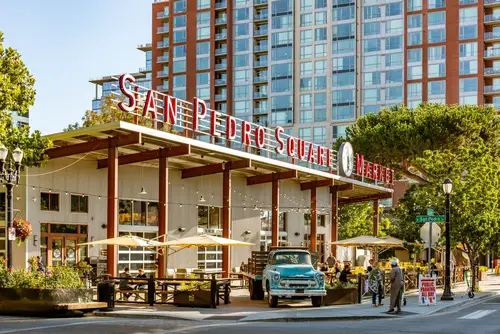
Despite being the largest city in Silicon Valley, San Jose sometimes feels surprisingly short on iconic public spaces. Much of its growth happened during the suburban boom, leaving wide roads and office campuses instead of traditional plazas. Downtown does have parks and squares, but they’re fewer and smaller than you might expect for a city its size. Many residents commute in and out rather than linger in shared civic areas.
Tech campuses throughout the region often provide private amenities that function like semi-public spaces. Cafés, courtyards, and green areas exist, but they’re typically restricted to employees or residents. That shifts social life toward controlled environments rather than open civic space. As the city densifies, planners have been trying to add more plazas and pedestrian areas.
6. Dallas
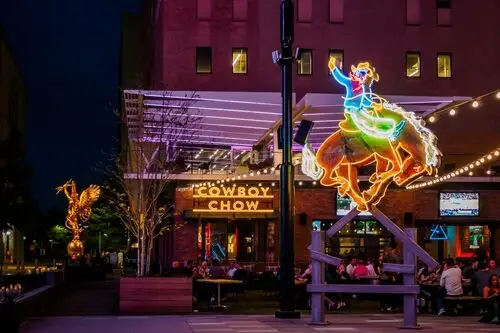
Dallas has invested heavily in parks and cultural districts, but everyday public space can still feel unevenly distributed. The city’s layout prioritizes driving, with large blocks and wide streets separating many destinations. That design makes it harder to create intimate plazas where people naturally gather. Instead, activity often centers around large, programmed spaces.
Klyde Warren Park is a major success story, yet it also highlights how rare truly vibrant public spaces can be. Outside of a few standout projects, many districts lack inviting plazas or shaded gathering spots. Some open areas feel more like leftover space between buildings than intentional civic design. That can make casual street life harder to sustain.
7. Charlotte
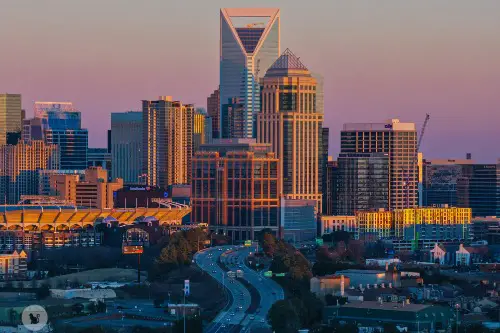
Charlotte’s rapid growth has transformed it into a major financial hub, but its public spaces haven’t always kept pace. Much of Uptown was built around office towers that empty out after business hours. While there are parks and plazas, they can feel quiet once the workday ends. A true all-day civic square remains elusive.
Residential neighborhoods around the center often rely on small parks rather than large communal plazas. That means gatherings tend to be more localized and less citywide. The city has begun investing more in greenways and urban parks to address the gap. Still, compared with older cities, Charlotte has fewer historic public squares anchoring daily life.
8. Indianapolis
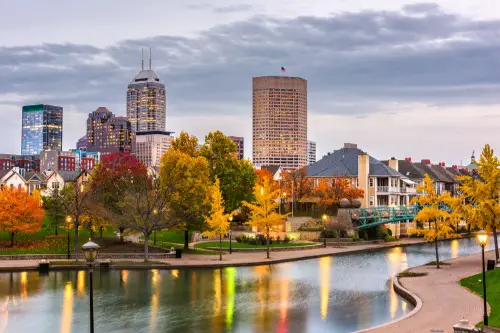
Indianapolis has some well-loved civic spaces, yet the broader urban layout leans heavily toward driving. Large roads and long distances between districts can dilute the energy of public gathering places. Monument Circle is iconic, but there aren’t many equivalent spaces scattered throughout the city. That leaves residents with fewer options for spontaneous meetups.
Many neighborhoods depend on parks rather than plazas or pedestrian squares. Parks are valuable, but they often function differently than compact urban spaces meant for everyday lingering. Without dense clusters of cafes and shops around them, they can feel quieter than intended. The city continues working to expand walkable districts where public life can flourish.
9. Oklahoma City
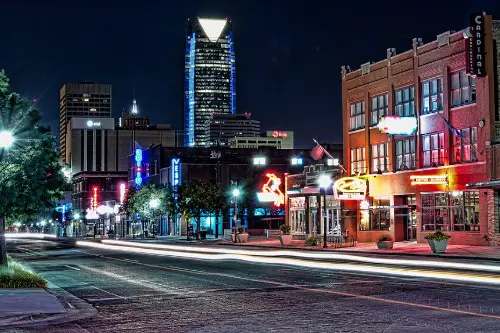
Oklahoma City covers a huge geographic area, which spreads people and activity far apart. For years, much of its downtown was dominated by parking lots and office buildings. That left relatively few places designed purely for public gathering. The city has made big strides in recent redevelopment efforts.
Projects like the MAPS initiative added parks, riverwalk areas, and civic attractions. Still, many neighborhoods remain car-oriented with limited local plazas or squares. Residents often drive to specific destinations rather than meet in nearby public spaces. The city’s challenge is knitting those new amenities into everyday neighborhood life.
10. Nashville
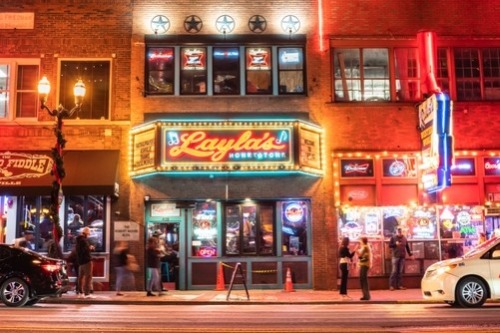
Nashville’s explosive growth has filled downtown with visitors, but not all of that activity translates into public space. Many gathering areas revolve around private entertainment venues on Broadway. That means tourists dominate spaces that might otherwise function as civic plazas. Locals sometimes look elsewhere for relaxed public environments.
Outside the entertainment district, public squares are relatively limited. The Cumberland River waterfront has improved, yet large stretches still prioritize infrastructure over people. Neighborhood parks exist, but dense pedestrian plazas remain uncommon. As the city grows, demand for calmer public gathering spaces keeps increasing.
11. Los Angeles
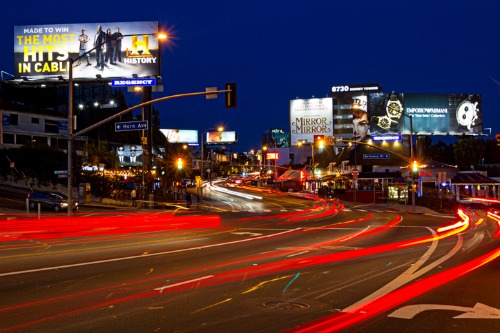
If you’ve ever tried to find a big, welcoming public plaza in Los Angeles, you probably noticed how hard it can be. The city is famous for beaches and sunshine, but everyday neighborhood gathering spaces are surprisingly scarce. Much of the urban fabric is dominated by wide roads, private developments, and car-oriented design. That means casual places to linger—squares, plazas, and shaded civic parks—are fewer than many cities of similar size.
Even some of the most visible public areas, like those in Downtown L.A., often feel fragmented or tied to commercial developments. Many plazas sit between office towers and are quiet after work hours rather than serving as true civic gathering spots. Residents often rely on destination parks like Griffith Park rather than small, local public squares. It leaves whole neighborhoods without the kind of everyday public space that encourages spontaneous community life.
This post Public Space Is Rare—and Missed in These American Cities was first published on American Charm.

