
1. Maine’s Lobstering Harbors

Along the coast of Maine, lobster fishing is governed as much by “harbor gang” rules as by state regulations. Each harbor has informal territorial boundaries that everyone understands, even though they aren’t marked on maps. Violating these customs can lead to cut traps or social exclusion, which fishermen often fear more than official penalties. The law sets seasons and size limits, but tradition controls day-to-day behavior.
This system persists because it works, and because it’s enforced by reputation. Newcomers learn quickly which areas are off-limits and who sets the tone. The state largely tolerates this as long as things don’t escalate. It’s a place where unwritten rules feel more immediate than written ones.
2. New Orleans, Louisiana (Mardi Gras Indians)

In certain New Orleans neighborhoods, Mardi Gras Indian tribes follow rituals and hierarchies that have existed for more than a century. These groups “mask” in elaborate, handmade suits and parade on specific days according to tradition, not city scheduling. Historically, many of these gatherings happened without permits, because the cultural expectation outweighed formal rules. Even today, the city tends to work around the tradition rather than against it.
The reason this belongs on the list is the way cultural authority flows from Big Chiefs and tribal customs, not municipal code. Respect, call-and-response chants, and long-standing routes matter more than written permission. Conflicts are resolved through ritualized confrontation rather than legal complaint. It’s a living example of how community tradition can quietly dictate public behavior.
3. Amish Country, Pennsylvania
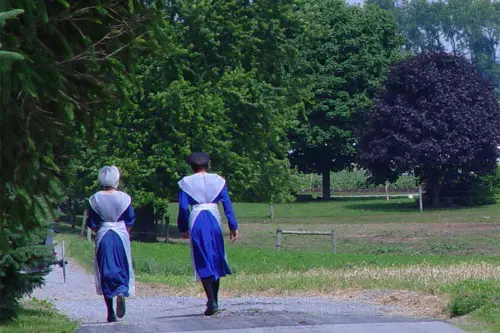
In Lancaster County and nearby Amish settlements, daily life is guided by the Ordnung, an unwritten code that governs everything from clothing to technology. It isn’t law, but it’s treated with the seriousness of one, and social consequences matter more than fines. You’ll see horse-drawn buggies on state roads and homes without electricity, not because the law demands it, but because tradition does. The state generally accommodates these practices as long as public safety isn’t compromised.
What makes this place stand out is how little outside enforcement is needed to keep the system working. Community pressure and shared values do the heavy lifting instead of courts or police. When disputes arise, they’re usually handled internally through church leadership. The result is a community where tradition feels like the primary governing force, even while state law quietly exists in the background.
4. Northern New Mexico Acequia Communities
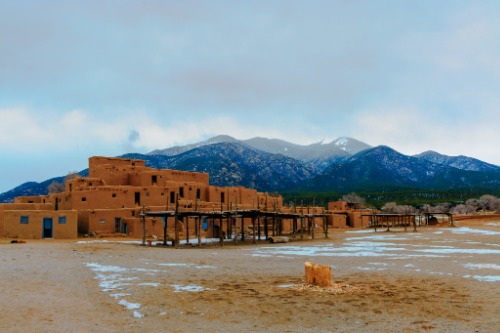
In rural northern New Mexico, irrigation ditches called acequias are managed through centuries-old communal traditions. Water distribution is overseen by a mayordomo, a role rooted in custom rather than modern bureaucracy. While acequia associations are legally recognized, daily decisions still follow inherited practices and shared memory. Missing a cleaning day or ignoring water turns can carry social consequences.
This earns its spot because water, the most vital resource, is allocated through tradition first and paperwork second. Community meetings often rely on consensus shaped by history. The rules are learned by participation, not by reading statutes. Law exists, but tradition tells you how things actually work.
5. Hasidic Enclaves, Brooklyn, New York
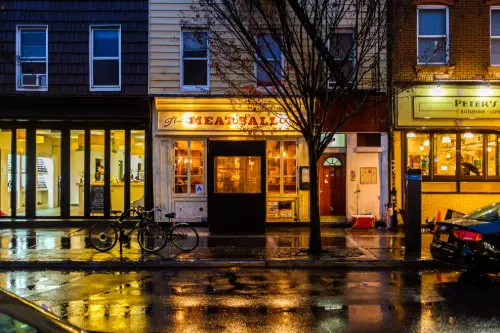
In neighborhoods like Williamsburg and Borough Park, Hasidic Jewish communities organize life around religious law and custom. Daily routines, dress codes, and even street use are guided by long-standing tradition. An eruv, a symbolic boundary that allows certain activities on the Sabbath, shapes how residents interact with public space. City authorities generally accommodate these customs when possible.
What makes this notable is how completely tradition structures everyday behavior. Social enforcement is strong, and conformity is expected. While everyone is subject to New York law, community norms often feel more immediate. For residents, tradition is the first reference point, not the municipal code.
6. Open-Range Ranch Country, Nevada
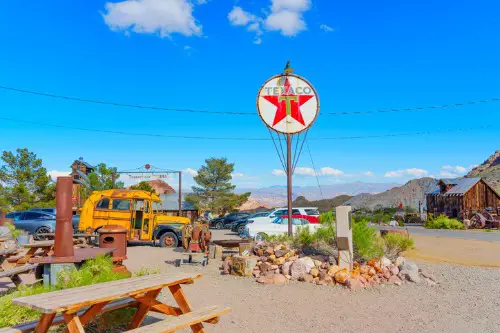
In much of rural Nevada, the idea that livestock roam freely predates modern fencing laws. The state’s open-range framework grew out of long-standing ranching customs rather than urban planning. Drivers are expected to watch for cattle on highways, not the other way around. It’s a cultural assumption baked into daily life.
This place fits because tradition shaped the law, not vice versa. Ranchers operate according to inherited practices about grazing and land use. New residents often learn these expectations the hard way. The custom of open range still feels more powerful than posted rules.
7. Alaska Native Whaling Villages, Utqiagvik
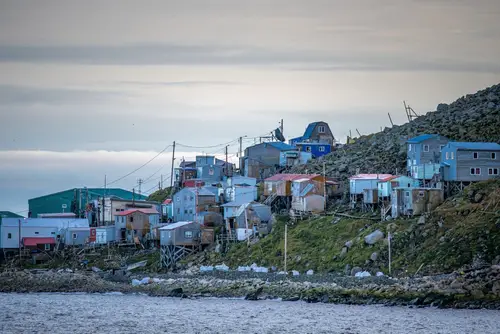
In Utqiagvik and other Arctic communities, subsistence bowhead whaling follows traditions thousands of years old. Hunts are organized around seasonal knowledge, ritual, and communal sharing. While federal quotas exist, the practice itself is deeply rooted in cultural authority. Decisions are guided by elders and custom.
This community stands out because survival itself is tied to tradition. The law acknowledges this, but it doesn’t drive the practice. The rules people care about are inherited, not legislated. Tradition carries moral and social weight that no statute could replace.
8. Utah’s Fundamentalist Mormon Communities
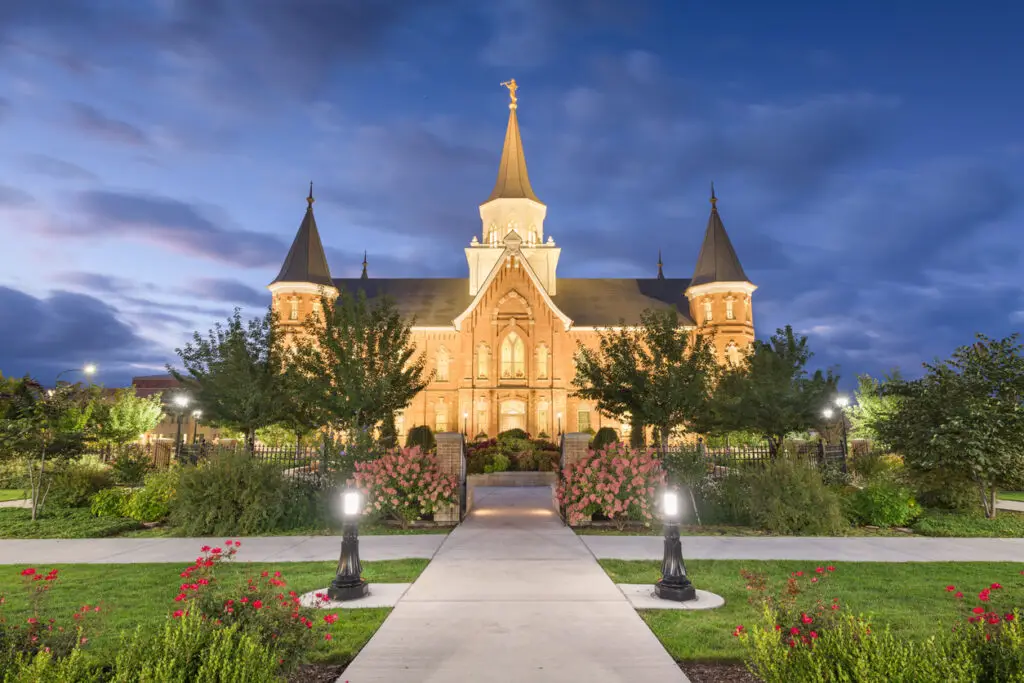
In isolated areas of southern Utah, some fundamentalist Mormon groups organize family and community life around religious tradition. Practices like plural marriage persist despite being illegal under state law. Internal authority structures often hold more sway than outside enforcement. Members are taught to prioritize religious obligation above civil rules.
This inclusion is about the power of belief systems to override formal law in daily life. Social consequences inside the community are often more severe than legal ones. While the state intervenes in cases involving abuse or fraud, many customs remain internally governed. Tradition functions as the primary regulator.
9. Texas Small-Town Handshake Culture
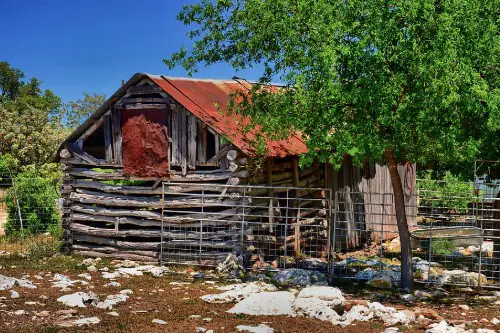
In many rural Texas towns, a handshake still carries serious weight. Verbal agreements and personal reputation often matter more than written contracts. While the law provides recourse, people prefer to settle matters informally. Breaking your word can damage your standing for years.
This belongs here because social enforcement is often stronger than legal enforcement. People remember who honored a deal and who didn’t. Lawyers are a last resort, not the first. Tradition fills the gap between trust and statute.
10. Hawaii’s Rural Shoreline Communities

On parts of Hawaii’s less-developed islands, customary practices guide access to land and sea. Fishing spots, gathering areas, and shoreline use are often governed by local knowledge passed down through families. While state law declares beaches public, locals expect visitors to respect unwritten boundaries. Ignoring those expectations can lead to confrontation or exclusion.
This makes the list because tradition often determines what’s acceptable long before enforcement gets involved. Kupuna, or elders, hold informal authority in these areas. Respecting custom is seen as respecting the land itself. The law exists, but tradition shapes behavior.
11. Appalachia’s Informal Justice Traditions
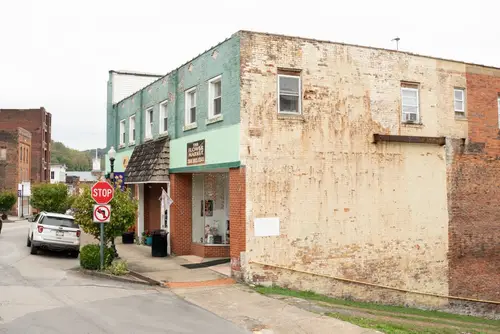
In parts of Appalachia, especially in isolated rural communities, disputes are often handled outside formal legal systems. Long-standing customs emphasize family mediation, church involvement, or community elders. Calling the authorities can still be viewed as a last resort. Reputation and kinship carry real consequences.
This entry belongs here because tradition acts as a parallel system of accountability. Social memory is long, and actions follow people for generations. While the legal system is available, it isn’t always the preferred option. Custom frequently determines how conflicts truly get resolved.
This post Places Where Tradition Carries More Weight Than Law was first published on American Charm.

