1. Las Vegas, Nevada

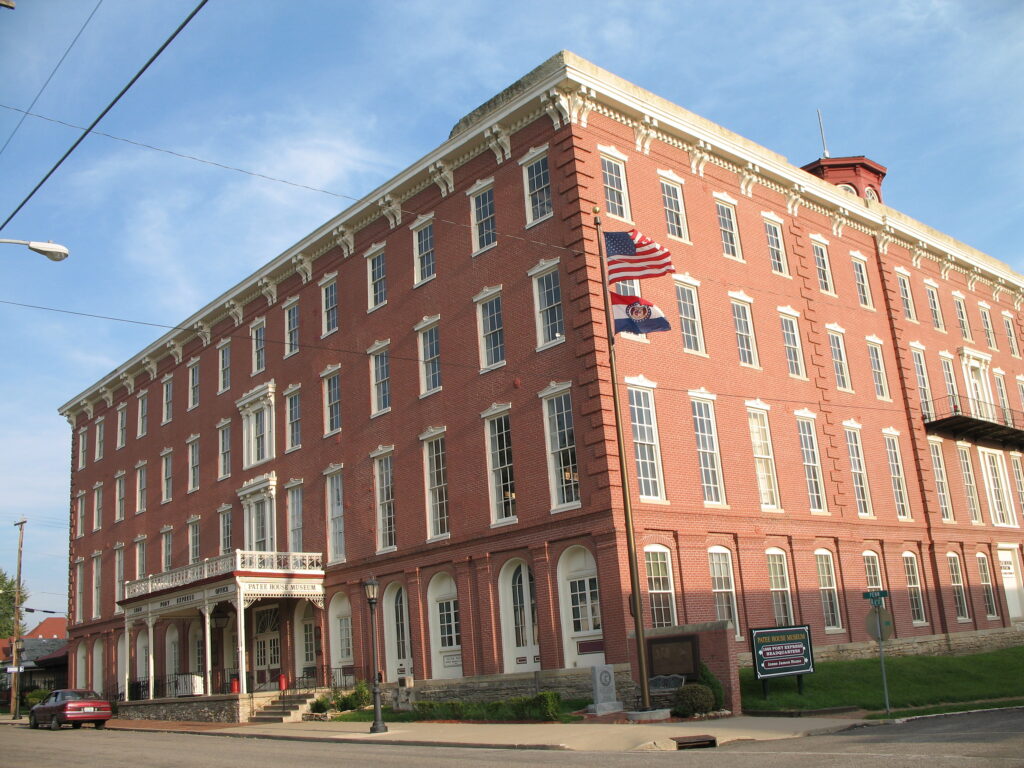
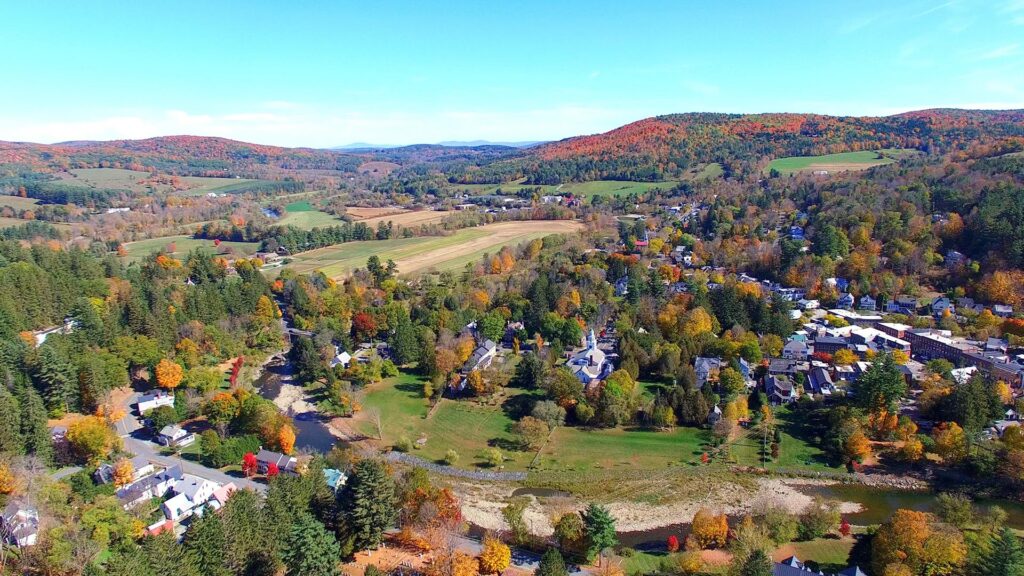
Las Vegas exists because tourism made it possible for a city to thrive in the desert. Casinos and resorts brought steady jobs, infrastructure, and tax revenue that supported everything from schools to highways. Without visitors, there is no plausible alternative economy at this scale. Tourism didn’t just help Las Vegas grow, it is the reason the city exists at all.
But the city that emerged is shaped almost entirely around visitors rather than residents. Neighborhoods sprawl far from the Strip, while the economic center caters to short-term pleasure and spectacle. The boom-and-bust cycle of tourism hits workers hard during downturns. Las Vegas stayed lit, but it became a place where the local economy is perpetually on stage.
2. Orlando, Florida
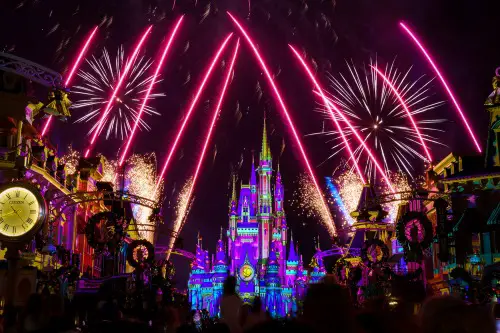
Orlando was a quiet inland town until Walt Disney World opened in 1971. Theme parks transformed the region into one of the world’s most visited destinations. Tourism created hundreds of thousands of jobs and fueled massive population growth. The city’s economy remains deeply dependent on visitor spending.
At the same time, Orlando’s identity became inseparable from family-friendly fantasy. Housing costs rose as service workers competed for limited supply. Infrastructure was designed to move tourists efficiently, not necessarily to build cohesive neighborhoods. The lights stayed on, but the city now revolves around vacation schedules and seasonal crowds.
3. Branson, Missouri
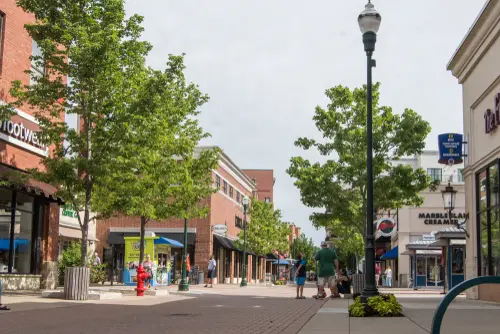
Branson reinvented itself as a live-entertainment hub in the Ozarks. Country music theaters and family attractions replaced a declining local economy. Tourism provided stable income in a region with few large employers. The town’s survival is closely tied to its ability to keep visitors coming.
That shift also narrowed Branson’s cultural identity. Entertainment options cater heavily to nostalgia and a specific demographic. Local life follows the rhythms of show schedules and tour buses. Branson became a town performing a version of itself every night.
4. Gatlinburg and Pigeon Forge, Tennessee
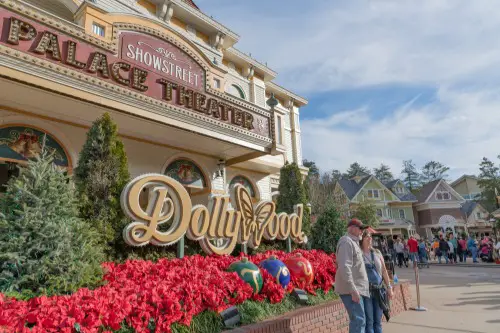
These neighboring towns sit at the gateway to Great Smoky Mountains National Park. Tourism exploded as road trips and national park visits became more popular. Cabins, attractions, and short-term rentals brought money into an otherwise limited Appalachian economy. Visitor spending keeps small businesses alive year-round.
The cost has been relentless commercialization. Scenic valleys are now packed with go-karts, souvenir shops, and themed attractions. Housing for locals is scarce and increasingly expensive. The mountains endure, but daily life is shaped by traffic and crowds.
5. Jackson Hole, Wyoming
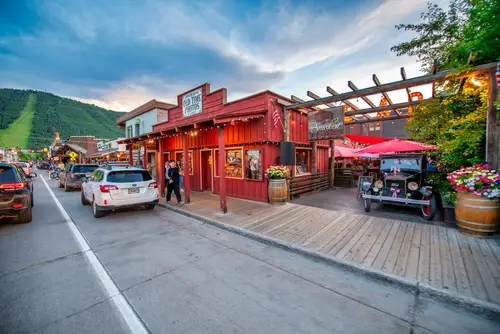
Jackson Hole leveraged its proximity to Grand Teton and Yellowstone National Parks. Tourism and outdoor recreation replaced ranching as the dominant economic force. High-end visitors brought wealth, jobs, and international attention. The town would look very different without tourism dollars.
That wealth also drove extreme inequality. Home prices skyrocketed beyond the reach of most workers. Many residents commute long distances just to staff hotels and restaurants. Jackson Hole survived, but it became one of the most expensive small towns in America.
6. Sedona, Arizona
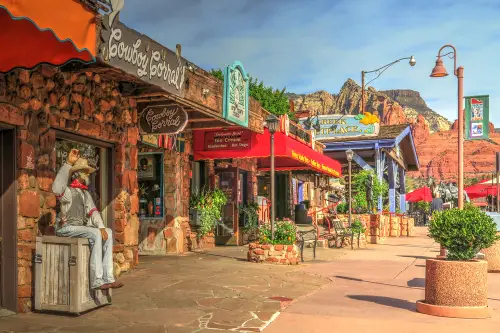
Sedona’s red rock landscapes turned it into a tourism magnet. Art galleries, resorts, and spiritual retreats replaced a quiet rural economy. Tourism provides steady income in a region with limited industrial options. The town’s survival depends heavily on visitors seeking scenery and wellness.
The influx changed Sedona’s pace of life. Traffic congestion strains a town built for far fewer people. Locals often avoid popular trails during peak seasons. Sedona stayed solvent, but it became a place shared uneasily with its own popularity.
7. Key West, Florida
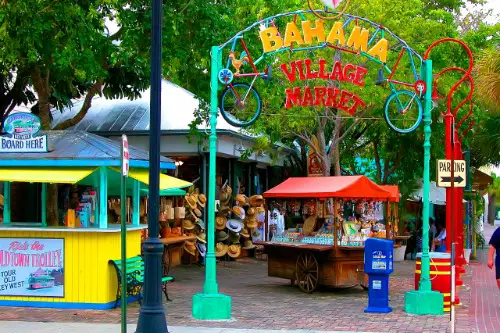
Key West leaned into tourism as traditional industries faded. Its climate, architecture, and reputation for eccentricity drew steady crowds. Cruise ships and vacation rentals now dominate the local economy. Tourism keeps the island financially afloat.
That dependence reshaped daily life for residents. Housing is scarce and expensive, pushing workers off the island. Many neighborhoods function more like resorts than communities. Key West remained vibrant, but increasingly transient.
8. Park City, Utah
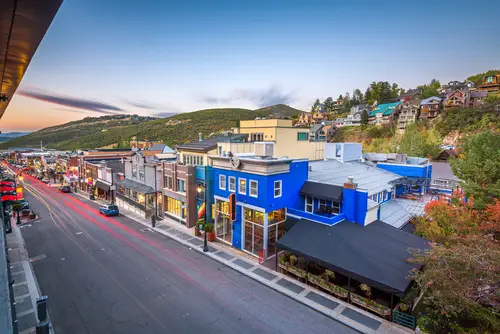
Park City transitioned from a declining mining town to a ski destination. Resorts and the Sundance Film Festival revitalized the local economy. Tourism brought year-round jobs and global recognition. Without visitors, the town would likely have continued to shrink.
The transformation came with trade-offs. Housing costs soared beyond what many locals can afford. Seasonal workers form a large portion of the population. Park City thrives, but much of it now serves people who don’t live there.
9. Napa Valley, California
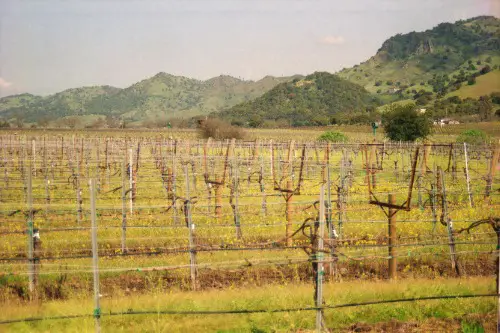
Napa Valley turned wine tourism into an economic engine. Vineyards, tasting rooms, and luxury hotels support the regional economy. Tourism provides jobs across agriculture, hospitality, and services. The area’s global reputation depends on visitor experience.
Local life shifted to match that focus. Agricultural land increasingly serves branding as much as farming. Workers often commute long distances due to housing shortages. Napa stayed prosperous, but less accessible to the people who keep it running.
10. Williamsburg, Virginia
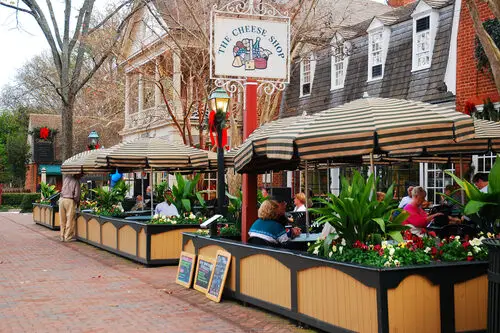
Colonial Williamsburg reinvented the town around living history. Tourism preserved historic buildings and funded large-scale restoration. Visitor revenue supports museums, hotels, and local businesses. The area benefits directly from educational tourism.
At the same time, the town became carefully curated. History is presented through a specific, controlled narrative. Daily life happens around reenactments and tour groups. Williamsburg survived by freezing part of itself in time.
11. Mackinac Island, Michigan
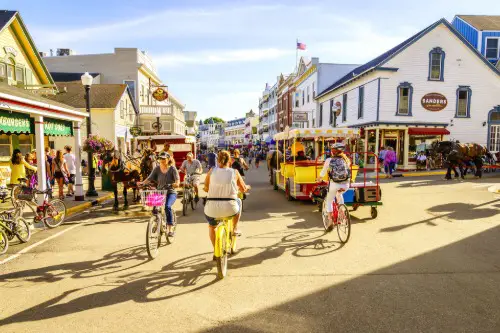
Mackinac Island relies almost entirely on seasonal tourism. Cars are banned, and visitors arrive for history, scenery, and tradition. Tourism sustains the island’s economy and infrastructure. Without it, year-round life would be extremely difficult.
That reliance creates a fragile balance. Most businesses close in winter, leaving a small permanent population. Housing and services cater to short-term guests. The island stays afloat by living in two very different seasons.
12. Deadwood, South Dakota
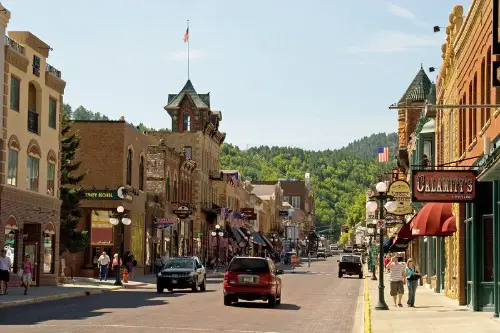
Deadwood revived itself through legalized gambling and heritage tourism. The town leaned into its Wild West history to attract visitors. Casinos and tourism jobs replaced a struggling local economy. Tourism made preservation financially viable.
The result is a town split between history and spectacle. Authentic preservation coexists with neon signs and gaming floors. Local culture is shaped by visitor expectations. Deadwood endures by constantly reenacting its past.
13. Aspen, Colorado
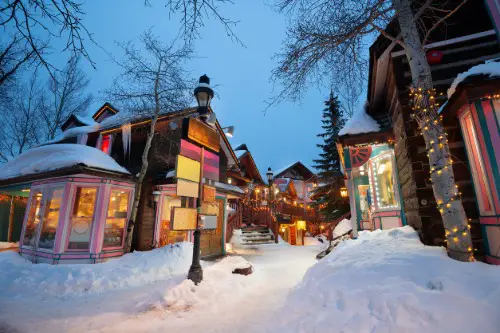
Aspen transformed from a mining town into a luxury ski destination. Tourism brought immense wealth and global prestige. The town’s economy revolves around seasonal visitors and second-home owners. Tourism ensured Aspen’s long-term survival.
That success came at a steep social cost. Housing prices forced many workers to live far away. Local services depend on a commuting workforce. Aspen shines brightly, but few can afford to stay close to the light.
14. New Orleans, Louisiana

New Orleans depends heavily on tourism tied to music, food, and festivals. Visitor spending supports restaurants, hotels, and cultural institutions. Tourism has helped the city recover repeatedly from economic and natural disasters. It remains a critical source of revenue.
The focus on visitors also distorts priorities. Neighborhoods face pressure from short-term rentals and rising rents. Cultural traditions are sometimes packaged for consumption. New Orleans survives by sharing itself, even when that sharing comes at a cost.
This post 14 Places Where Tourism Kept the Lights On—but Changed Everything Else was first published on American Charm.