1. Bentonville, Arkansas
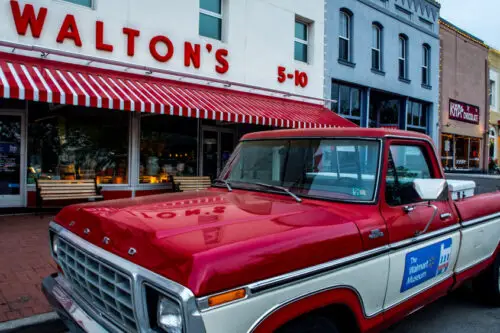
Bentonville shows how a small city can feel future-facing without losing its roots. Anchored by Walmart’s headquarters, it has leveraged corporate wealth into public assets like museums, bike trails, and public spaces. The town attracts professionals who want stability without sacrificing creativity or access to nature. Settling down here doesn’t feel like opting out of ambition.
The city has become a destination for mountain biking, with hundreds of miles of trails weaving through town. Families and young professionals alike are drawn to its safety, schools, and cultural offerings like Crystal Bridges Museum of American Art. People come for jobs but stay for lifestyle. Long-term commitment here is tied to quality of daily life, not just career trajectory.
2. Tulsa, Oklahoma
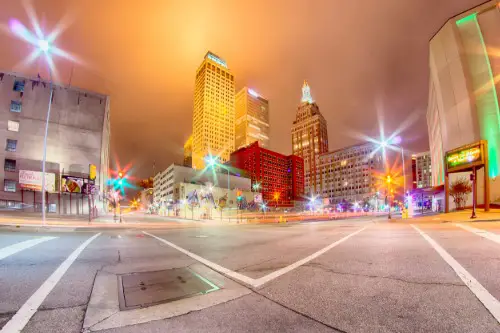
Tulsa has become a symbol of how settling down no longer has to mean staying put for one job. The Tulsa Remote program famously pays remote workers to move there, but the bigger idea is about rebuilding community around flexible work. People arrive without a local employer yet quickly plug into coworking spaces, neighborhood groups, and civic projects. It’s a model built around people, not payrolls.
Outside the program, Tulsa offers historic neighborhoods, a strong arts scene, and an unusually high quality of life for its size. Housing remains affordable compared to most mid-sized cities, which allows newcomers to buy sooner or live more comfortably. Many residents work for companies based elsewhere while still investing locally. Settling down here means committing to place without limiting your career.
3. Asheville, North Carolina
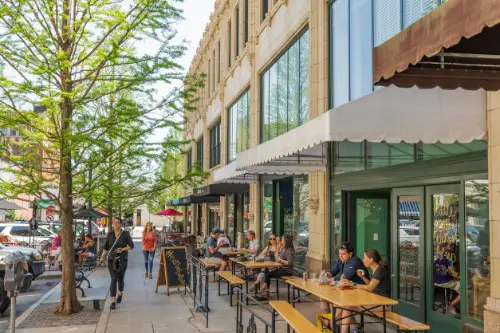
Asheville appeals to people who want their roots to feel expressive rather than conventional. Long known for its artsy reputation, the city has drawn remote workers, creatives, and entrepreneurs seeking balance. Settling down here often means prioritizing values like sustainability, community, and access to nature. It’s less about traditional milestones and more about intentional living.
The Blue Ridge Mountains shape everyday life, offering hiking, outdoor recreation, and a strong sense of place. Asheville’s food and brewery scenes support a local-first economy that many residents actively participate in. Housing costs have risen, but demand reflects how desirable this lifestyle has become. People put down roots here to live differently, not just permanently.
4. Boise, Idaho
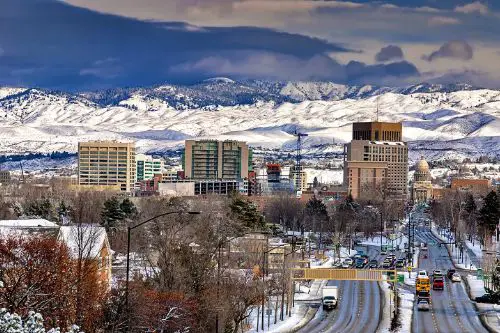
Boise has quietly become one of the fastest-growing cities in the country, fueled by people rethinking where home should be. It offers a rare mix of outdoor access, growing tech presence, and family-friendly neighborhoods. Many newcomers arrive from more expensive West Coast cities looking for space and stability. Settling down here is about reclaiming breathing room.
The city’s proximity to rivers, foothills, and trails makes outdoor life part of the daily routine. Boise has also invested in downtown development, keeping it lively and walkable. While growth has brought challenges, it has also diversified the population. People aren’t just moving here to slow down, but to build something sustainable long term.
5. Pittsburgh, Pennsylvania
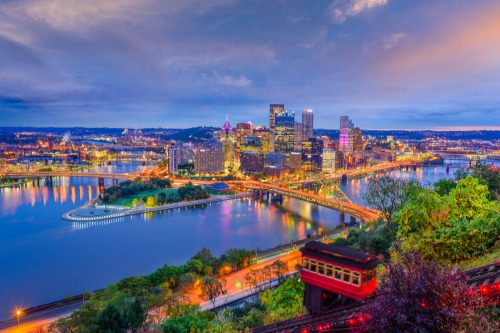
Pittsburgh has redefined itself from a steel town to a hub for education, healthcare, and technology. Universities like Carnegie Mellon and the University of Pittsburgh anchor a workforce focused on innovation. Settling down here often means betting on reinvention rather than nostalgia. The city rewards people willing to see past old stereotypes.
Neighborhoods offer distinct identities, from historic row houses to converted industrial spaces. Housing remains relatively affordable compared to other tech-adjacent cities. Many residents balance stable careers with creative or community-driven pursuits. Putting down roots in Pittsburgh means embracing a city that knows how to change.
6. Marfa, Texas
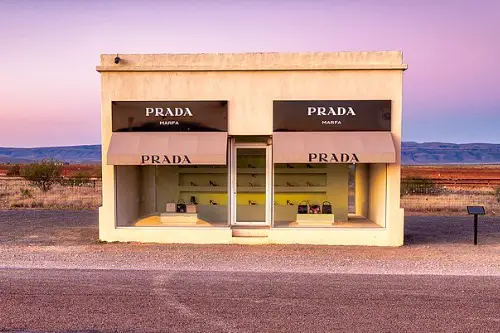
Marfa challenges the idea that settling down requires density or convenience. This tiny West Texas town has become a magnet for artists, writers, and remote workers seeking solitude and inspiration. Its reputation grew through minimalist art installations and word-of-mouth mystique. Settling here is a deliberate, unconventional choice.
Life in Marfa requires adaptation, from long drives to limited services. In return, residents gain quiet, dark skies, and a deeply connected creative community. Many people maintain professional ties elsewhere while living locally. Settling down here is about choosing meaning over momentum.
7. Madison, Wisconsin
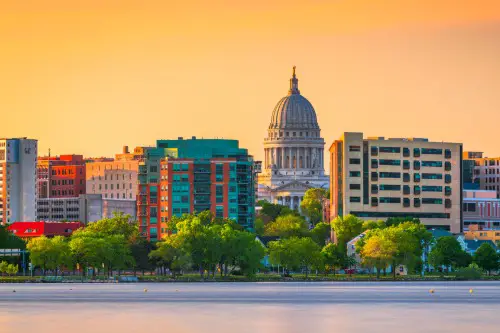
Madison consistently ranks high for livability, but its appeal goes deeper than metrics. Anchored by the University of Wisconsin, it blends intellectual energy with Midwestern ease. Settling down here often means valuing stability without stagnation. It’s a place where long-term planning still feels exciting.
The city’s layout between two lakes shapes an active, outdoor-oriented lifestyle. Strong local government, bike infrastructure, and food culture support everyday quality of life. Many residents stay for decades while still evolving professionally. Madison shows that settling down can still feel dynamic.
8. Chattanooga, Tennessee
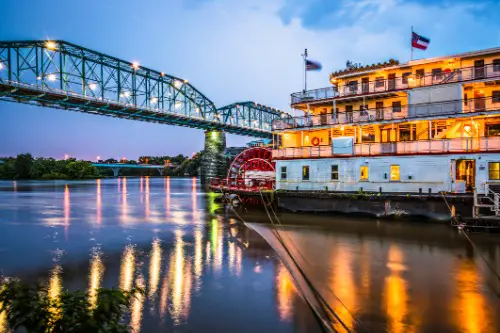
Chattanooga is rewriting what a mid-sized Southern city can offer. Once known for industrial decline, it invested early in high-speed municipal broadband. That infrastructure attracted startups, remote workers, and digital entrepreneurs. Settling down here often starts with connectivity, both technological and social.
Outdoor access is central, with mountains, rivers, and trails minutes from downtown. Housing remains accessible compared to larger cities, encouraging long-term residence. The city’s revival has been community-focused rather than purely corporate. People settle here to build lives that blend work, nature, and civic pride.
9. Santa Fe, New Mexico
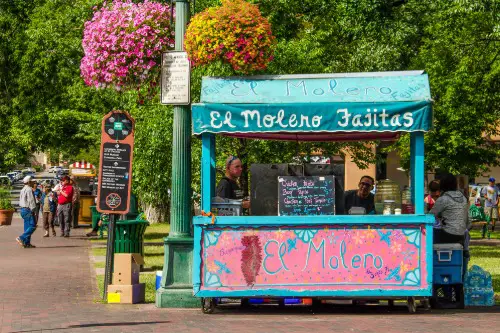
Santa Fe draws people who want their sense of home to be deeply cultural. With its long Indigenous and Spanish history, the city offers a distinct identity unlike anywhere else in the U.S. Settling down here often involves slowing down and engaging with tradition. It’s a place where history actively shapes modern life.
Artists, retirees, and remote workers coexist in a city built around creativity. While housing can be expensive, many see it as an investment in a specific way of living. The landscape and light influence daily rhythms. Settling down here means committing to place as much as people.
10. Athens, Georgia
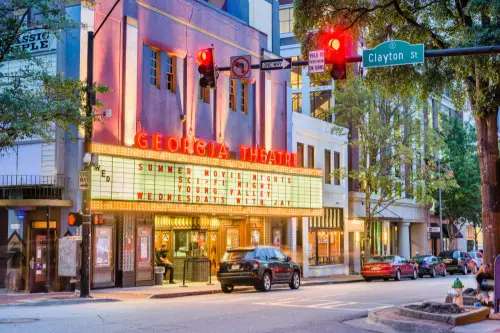
Athens balances the energy of a college town with the intimacy of a small city. Home to the University of Georgia, it attracts educators, musicians, and entrepreneurs. Settling down here doesn’t mean leaving youthfulness behind. Instead, it offers continuity across life stages.
The music scene has long been a cultural anchor, supporting a creative local economy. Affordable neighborhoods and a walkable downtown make long-term living feasible. Many residents arrive for school and never quite leave. Athens shows how settling down can still feel playful.
11. Flagstaff, Arizona
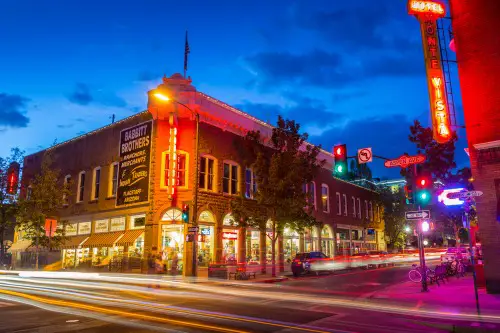
Flagstaff appeals to those who want the Southwest without desert heat. Sitting at a higher elevation, it offers four seasons and easy access to outdoor recreation. Settling down here often starts with a love of nature and space. It’s an alternative to bigger Western cities.
Northern Arizona University contributes to a steady, educated population. While housing is competitive, the lifestyle trade-off keeps people committed. Residents often build careers that accommodate outdoor priorities. Settling down here means aligning life with landscape.
12. Lancaster, Pennsylvania
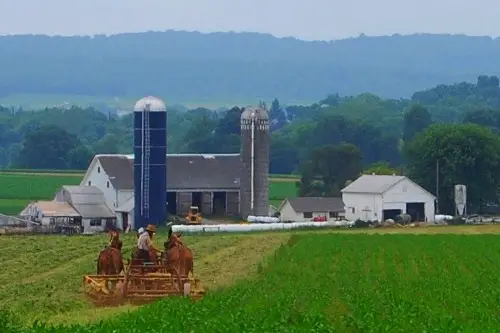
Lancaster has transformed from a quiet agricultural hub into a destination for remote workers and young families. Its historic downtown has been revitalized with cafes, markets, and small businesses. Settling down here often means rediscovering small-city life with modern sensibilities. It’s about rootedness without isolation.
Proximity to major cities like Philadelphia and Baltimore adds flexibility. Housing remains more accessible than in nearby metro areas. Many residents value walkability and community engagement. Settling down here is a conscious move toward balance.
13. Eugene, Oregon
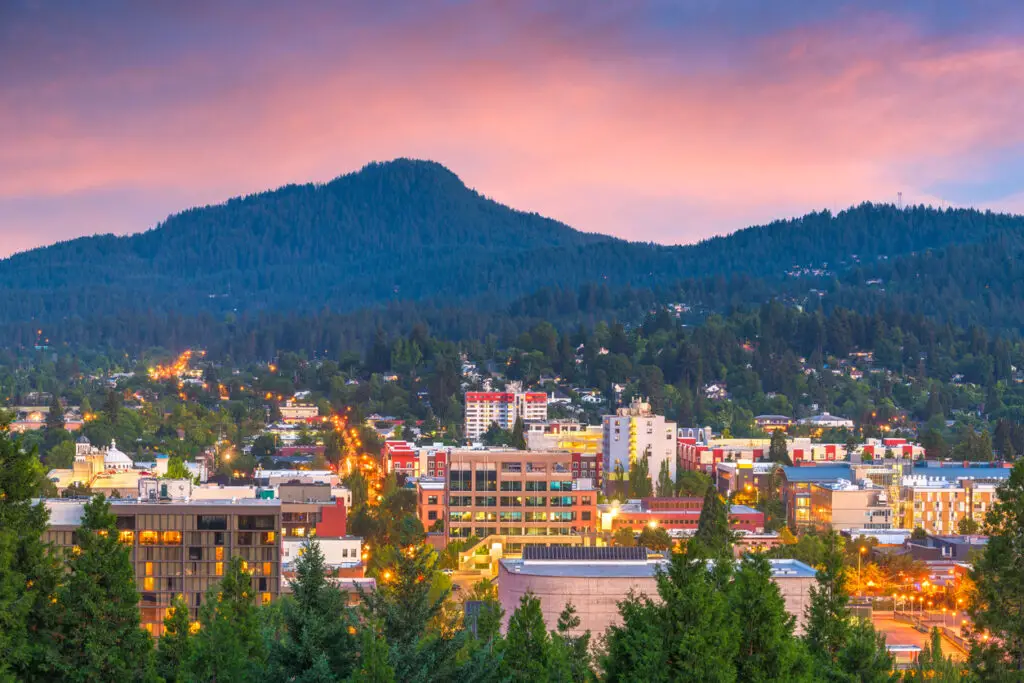
Eugene attracts people who want their long-term home to reflect environmental values. Known for its progressive culture and outdoor focus, it draws educators, activists, and creatives. Settling down here often includes redefining success on personal terms. It’s less about accumulation and more about alignment.
The city offers access to forests, rivers, and the Oregon coast. While not immune to growth pressures, it retains a strong local identity. Many residents choose Eugene for its pace and principles. Settling down here means living your priorities out loud.
14. Hilo, Hawaii
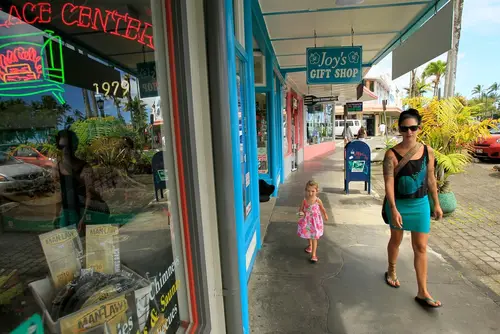
Hilo offers a version of settling down that centers community over spectacle. Unlike resort-heavy parts of Hawaii, it’s grounded in local life and culture. People who move here often do so with intention and humility. Settling down requires adapting to island rhythms.
The cost of living and geographic isolation demand commitment. In exchange, residents gain deep community ties and daily access to nature. Many work remotely or in local institutions like education and healthcare. Settling down in Hilo means choosing connection over convenience.
This post 14 Places Where the Idea of “Settling Down” Is Being Rewritten was first published on American Charm.