
1. San Diego, California
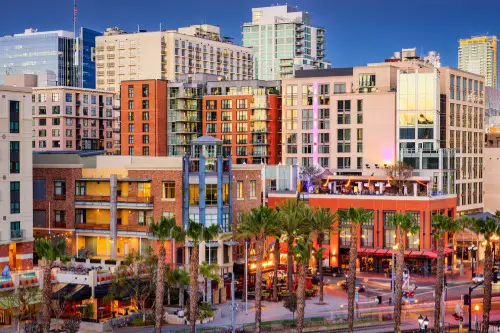
Many retirees dreamed of walking along the Pacific every morning with mild weather and endless ocean views. But the cost of living has spiraled far beyond what most fixed incomes can comfortably support. Median home prices hover above $1 million, leaving retirees stretched thin just to stay in place. Even everyday expenses like groceries and transportation chip away at savings faster than expected.
High demand has also made the job market and services more expensive than in smaller towns. That means medical appointments, home help, and even utilities are pricier than retirees budgeted for. Traffic congestion in this sprawling metro makes errands feel like chores. Some find that the “perfect weather” loses its appeal when it comes at the cost of financial peace.
2. Miami, Florida
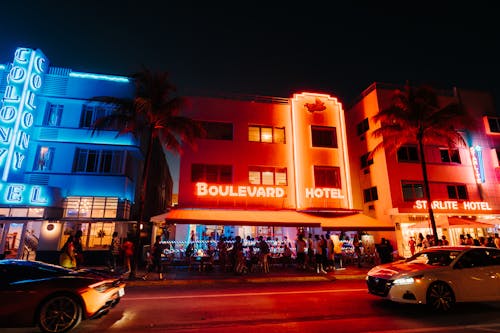
Retirees flocked to Miami for beaches, vibrant culture, and sunshine nearly year‑round. However, that lifestyle comes with a high price tag as housing and everyday costs have climbed sharply. Hurricanes and rising insurance premiums add financial stress that many retirees didn’t anticipate. Traffic congestion also means a simple grocery run can feel like a day’s project.
Tourism flux drives up pricing and crowds in peak seasons, which isn’t always relaxing for seniors seeking quiet. Healthcare is good, but specialists can be harder to get into than retirees expect. Some discover that the party‑town vibe isn’t the calm retirement scene they imagined. And for those on fixed incomes, the budget doesn’t stretch as far as it used to.
3. Portland, Oregon
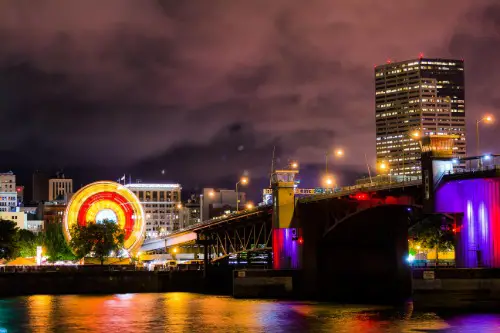
With lush greenery, quirky culture, and loads of coffee shops, Portland seemed ideal for retirement. But months of dreary rain can dampen spirits and even exacerbate seasonal mood swings among older adults. Housing costs have spiked, pushing retirees onto fixed incomes to compete with younger buyers. Traffic and infrastructure problems make daily commutes more taxing than peaceful.
Portland’s once‑affordable charm now feels pricey when you factor in property taxes and everyday expenses. The growing homeless population and public safety concerns have surprised some newcomers. Social services are stretched thin, and medical waits can be longer than expected. The arts and food scenes remain vibrant, but for many retirees those perks aren’t worth the lifestyle trade‑offs.
4. Boca Raton, Florida
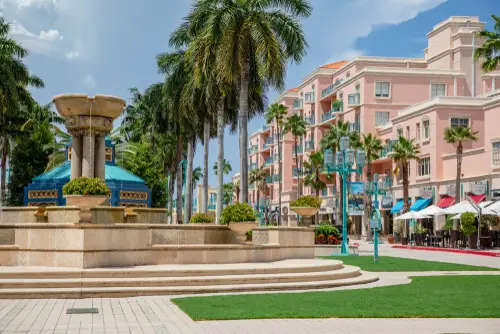
This wealthy coastal town beckoned retirees with promise of upscale living and luxury amenities. Instead, many find an atmosphere that feels more about wealth display than community warmth. The summer months bring oppressive heat and humidity that make outdoor activities unbearable for extended periods. Hurricanes and storm prep eat up budgets unexpectedly.
Healthcare here is excellent—if you can afford it—but costs are above the state’s average, surprising retirees on fixed pensions. Traffic gridlock during tourist season turns short drives into long ones. Many hoped for leisurely strolls and beach time but end up cranking the AC and staying in. The social vibe isn’t always as inclusive as advertising makes it sound.
5. Los Angeles, California

Sunshine and Hollywood glamour used to attract retirees seeking culture and perks. But Los Angeles’s high housing costs led to a net exodus of retirees in recent years. The median home price remains sky‑high, forcing many seniors to reallocate retirement savings just to stay. Traffic congestion is notorious, making simple errands feel like hurdles.
Coupled with unreliable public transit, daily life can become exhausting rather than relaxing. Wildfire smoke in summer and drought concerns also contribute to declining livability. Many retirees expected easy access to arts and entertainment without the hustle—and they’re finding both come with trade‑offs. The budget needed to maintain this lifestyle is steeper than most planned.
6. Virginia Beach, Virginia
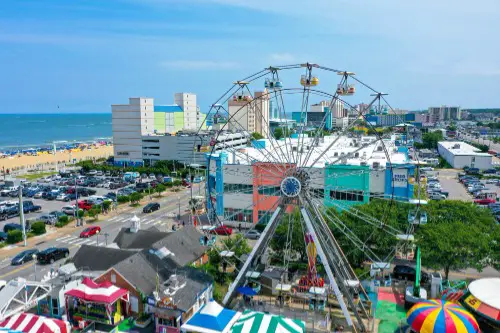
Retirees often choose Virginia Beach for its mild climate and beach lifestyle. But heavy summer tourism brings traffic and crowds that many retirees don’t enjoy. Housing prices here are also higher than in similar coastal regions, eating into savings. Insurance costs tied to flood and storm risks are surprisingly steep.
Winter snow events, though rare, can cause outsized disruption for maintenance and travel. Medical care access is decent, but specialist wait times can be long during peak seasons. Some retirees find that the quiet coastal vibes disappear when spring break and summer vacationers arrive. Others feel more at home in less congested seaside communities.
7. San Francisco, California
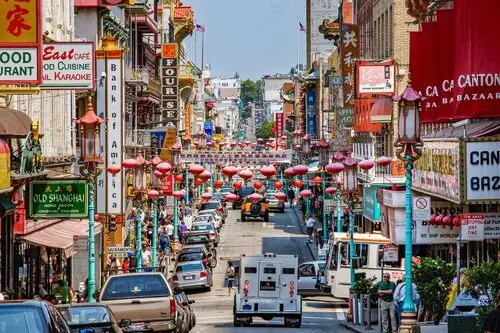
San Francisco’s mild climate and scenic charm seemed perfect for many planning retirement. But the city’s cost of living has ballooned with tech‑era wages, making it one of the least affordable places for retirees. Sky‑high housing and rent eat into fixed incomes quickly. Everyday expenses like food, healthcare, and transportation are well above the national average.
The rising cost of living has also contributed to a visible homelessness crisis that affects quality of life. Parking and driving are costly and stressful for seniors. Public transit isn’t always senior‑friendly, making mobility a chore. Some retirees who once dreamed of cafes and museums now just dream of somewhere affordable.
8. Youngtown, Arizona
Youngtown was one of the first planned retirement communities in the U.S., designed exclusively for older adults back in the 1950s. But as nearby Sun City and other age‑friendly developments grew around it, Youngtown struggled to keep up with amenities and healthcare access. Its small size limited the growth of services many retirees now expect.
Younger developments drew commercial investment, leaving Youngtown more residential than service‑rich. Some retirees find they need to travel farther for quality medical care or social activities. Public transit options are limited, making car dependence essential. The early promise of a quiet, close‑knit retirement enclave hasn’t kept pace with modern expectations.
9. New York City, New York

Retiring to NYC seems exciting for art, culture, and world‑class healthcare—but those perks come with steep costs. The cost of living and housing in New York City is among the highest in the nation, making fixed retirement incomes stretch thin. Rent for modest apartments can devour a large share of Social Security and pension income.
Gentrification and demand for urban living drive costs even higher each year. Traffic congestion and crowded transit can feel overwhelming rather than invigorating in later years. Sidewalks, noise, and crowds might appeal to visitors but tire many retirees. Many who initially chose NYC find themselves longing for quieter, more affordable places.
10. Miami Beach, Florida
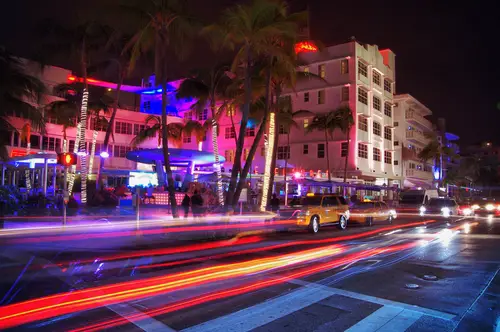
Not to be confused with Miami proper, Miami Beach promised retirees luxury island living close to culture and nightlife. But the tiny barrier island suffers from high insurance premiums due to flood and hurricane risk. Property taxes and cost of maintaining coastal homes erode retirement budgets faster than expected. Tourism crowds frequently overshadow quiet community life.
The island’s infrastructure also battles sea‑level rise concerns, which worry long‑term residents. Healthcare access is good, but specialist visits often book months ahead. Parking and transport hassles add daily stress. Some retirees discover that paradise comes with persistent bills and environmental uncertainty.
11. Honolulu, Hawaii
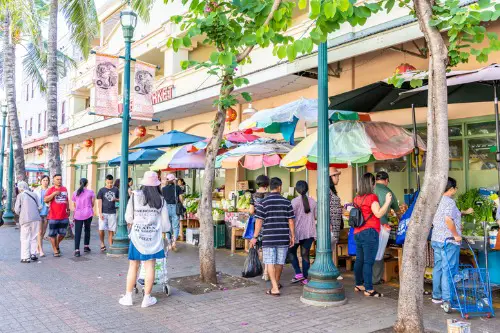
Many retirees fantasize about tropical living in Honolulu with beaches and warm weather year‑round. But Hawaii consistently ranks among the least affordable places to retire due to high cost of land, goods, and services. Everyday items cost more because most are shipped in from the mainland. Healthcare and insurance costs are also above average, squeezing fixed incomes.
Homeownership requires deep pockets that many retirees simply don’t have. The isolated geography also means longer trips for family visits or specialist care aren’t cheap or easy. Tropical weather brings beauty but also hurricane and storm risks that raise insurance premiums. The dream of island living can quickly feel financially pinched.
12. Stockton, California

Stockton looked appealing with relatively affordable housing compared to coastal California markets. But rising crime rates and uneven public services have strained quality of life for retiring residents. Healthcare access in some parts of the region is limited. And while property prices once seemed attainable, taxes and maintenance costs add up fast.
Infrastructure challenges and urban sprawl make getting around harder without a car. Some retirees find the community less safe and welcoming than expected. Local amenities like libraries or senior centers aren’t as abundant or well‑funded. For those seeking a peaceful, secure retirement, Stockton can feel like a compromise.
13. San Bernardino, California
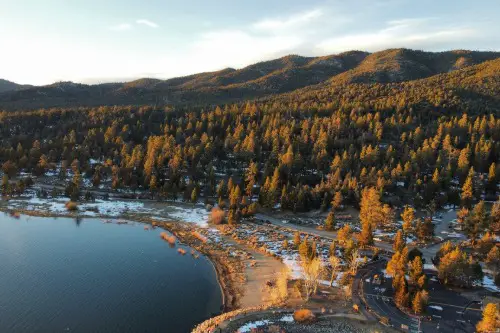
Another Southern California option that initially drew retirees with lower housing costs, San Bernardino has struggled with economic and healthcare access issues. Public services are stretched, and access to quality medical care is uneven across neighborhoods. Crime rates trend higher than national averages, which can affect sense of security.
The city’s infrastructure and parks aren’t as well‑maintained as retirees hoped. Some planned amenities and developments have stalled, leaving “what could be” instead of “what is.” Transportation options are limited outside of personal vehicles. Many retirees expected a cheaper California lifestyle—but found trade‑offs in services and safety.
14. Memphis, Tennessee

Retirees attracted by Memphis’s low cost of living often don’t expect issues with safety and amenities. Yet crime rates in parts of the city are significantly higher than many retirees anticipated. Healthcare exists but can be less accessible in certain districts. Combined with limited public transit, getting around requires careful planning.
Local cultural offerings are rich, especially in music history, but retirees sometimes find community engagement harder to spark without established social networks. Property taxes are reasonable, but insurance and maintenance costs still take a bite. Some retirees feel isolated when expected programs and support aren’t nearby. The initial low cost disguises everyday inconveniences that add up.
15. Phoenix, Arizona
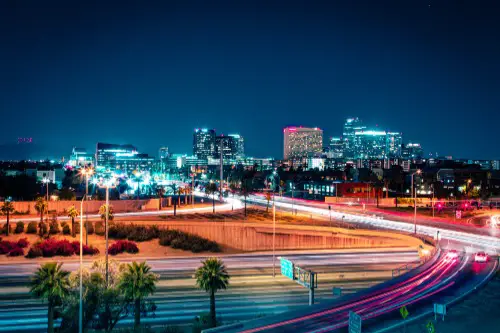
Many retirees believed Phoenix offered endless sunshine, affordable homes, and an active retirement lifestyle. Over time, rapid population growth has pushed housing prices and rents far higher than expected. Summers bring extreme heat that limits outdoor activity and drives up cooling bills for months on end. For some retirees, staying indoors for long stretches wasn’t part of the original plan.
The heat also places added strain on health, especially for seniors with heart or respiratory conditions. Medical services are widely available, but increased demand often means longer waits for specialists. Traffic congestion has worsened as the metro area sprawls outward. What once felt like a low-cost desert haven now feels more expensive and physically demanding than retirees anticipated.
16. Austin, Texas
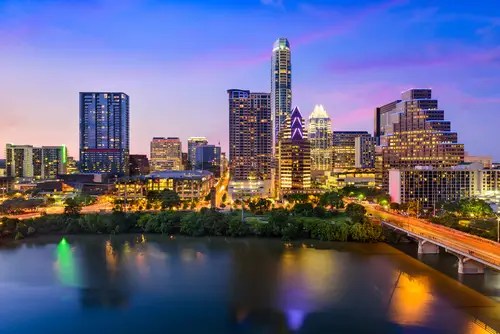
Austin attracted retirees with its music scene, mild winters, and reputation for livability. But the city’s explosive growth has driven housing prices far beyond what many fixed incomes can handle. Property taxes in Texas add another layer of cost that surprises newcomers. Retirees often realize too late that affordability has changed dramatically.
Crowds and traffic have increased as younger workers flood the area. Healthcare quality is solid, but competition for appointments can be frustrating. Summers are hotter and longer than many retirees expected. The laid-back charm that once defined Austin feels harder to find amid rapid development.
17. Denver, Colorado
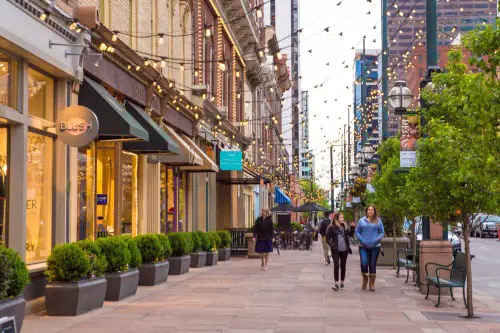
Denver promised mountain views, outdoor recreation, and four distinct seasons. However, rising housing costs have made it one of the pricier retirement options in the region. Property taxes and insurance tied to wildfire risk strain retirement budgets. Winters can also be harsher and longer than some retirees anticipated.
Altitude poses health challenges for older adults with heart or breathing conditions. Traffic congestion has increased as the population grows. Access to specialists is good but often booked well in advance. For many retirees, the active lifestyle comes with higher costs and physical trade-offs.
18. Las Vegas, Nevada
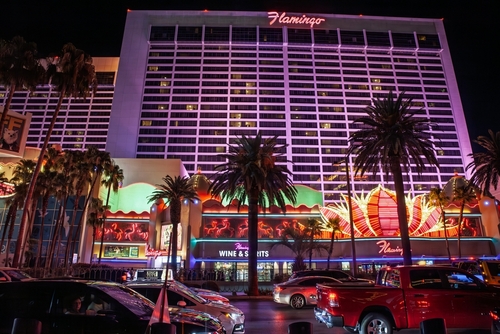
Las Vegas appealed to retirees with no state income tax and relatively affordable housing. Over time, housing prices climbed as investors and new residents poured in. Extreme summer heat drives up energy bills and limits outdoor activity. The desert climate isn’t as easy to handle as many retirees expected.
Healthcare options are improving but still lag behind other large metro areas. Tourism traffic can make daily errands stressful. Some retirees find the entertainment-driven atmosphere less appealing once the novelty wears off. What seemed like a budget-friendly choice can feel surprisingly demanding.
19. Asheville, North Carolina
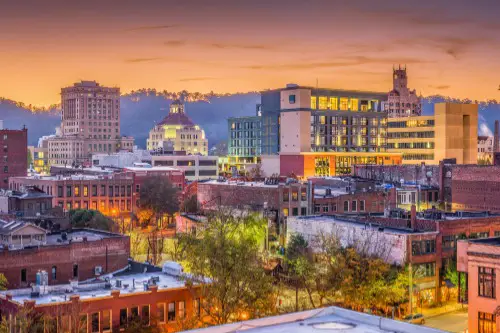
Asheville charmed retirees with its arts scene, mountain setting, and small-town feel. But its popularity has driven housing prices well above surrounding areas. Limited housing supply means retirees often pay more for less space. Tourism also brings congestion that disrupts everyday routines.
Healthcare access is limited for specialized care, requiring travel to larger cities. Roads and infrastructure feel strained during peak seasons. Winters can be colder and wetter than expected. Many retirees find that the idyllic image doesn’t fully match daily reality.
20. Savannah, Georgia
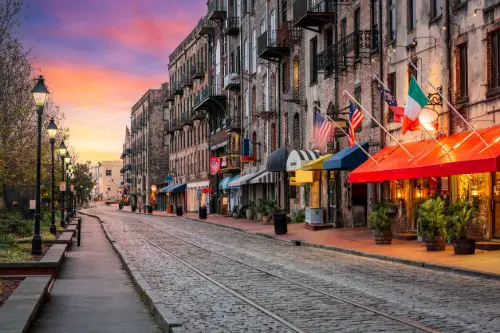
Savannah drew retirees with historic charm, walkable neighborhoods, and coastal beauty. However, flooding risks and rising insurance costs have become ongoing concerns. Tourism crowds dominate much of the year, reducing the sense of local community. Housing prices have risen sharply in desirable areas.
Humidity and heat make summers uncomfortable for extended periods. Healthcare is adequate but limited for advanced specialties. Parking and traffic can be frustrating in historic districts. The postcard appeal sometimes masks practical challenges of daily living.
21. Tucson, Arizona
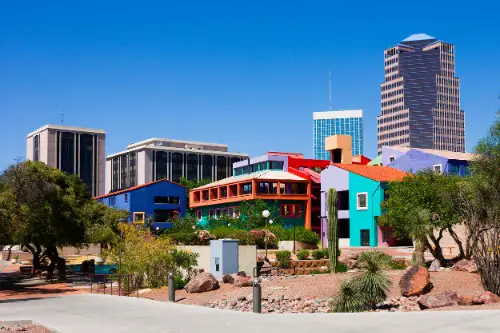
Tucson looked like a quieter, cheaper alternative to Phoenix for retirees. While housing was once affordable, prices have steadily climbed. Extreme heat still dominates much of the year, limiting outdoor activity. Cooling costs add up quickly during long summers.
Healthcare access is decent but not always comprehensive for specialized needs. Public transportation options are limited, increasing car dependence. Some retirees feel isolated due to the city’s spread-out layout. The slower pace can feel more restrictive than relaxing over time.
22. Charleston, South Carolina
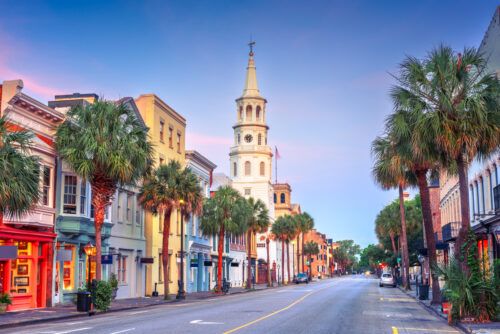
Charleston attracted retirees with coastal scenery, mild winters, and historic neighborhoods. But rising home prices and property taxes have strained retirement budgets. Flooding and hurricane risks raise insurance premiums unexpectedly. Tourism crowds dominate much of the year.
Healthcare quality is strong, but demand can make scheduling difficult. Traffic congestion has increased with population growth. Summers are hotter and more humid than many retirees planned for. The charm remains, but it comes with mounting costs.
23. Santa Fe, New Mexico

Santa Fe appealed to retirees seeking culture, art, and desert beauty. Limited housing inventory has driven prices far higher than expected. Cold winters surprise those expecting mild desert weather. Heating costs can rival summer cooling expenses elsewhere.
Healthcare access is limited for specialized care, often requiring travel. The city’s slower pace can feel isolating for newcomers. Altitude presents health challenges for some retirees. The cultural richness doesn’t always offset practical limitations.
24. Naples, Florida
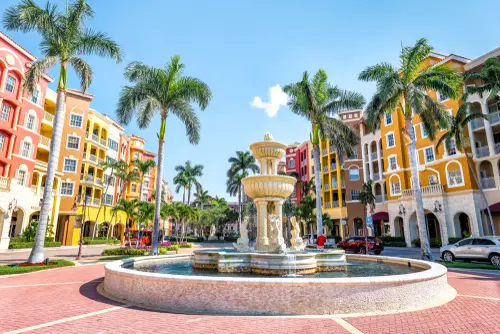
Naples promised retirees upscale coastal living and a relaxed pace. However, high housing prices and insurance costs quickly erode savings. Hurricane risk brings constant concern and added expenses. Seasonal residents flood the area, increasing congestion and prices.
Healthcare is excellent but comes at a premium. Summers are oppressively hot and humid, limiting outdoor enjoyment. Property taxes and HOA fees add ongoing financial pressure. Many retirees find the luxury lifestyle harder to sustain than expected.
This post 24 Places Where Retirees Thought They’d Be Set—and What Went Wrong was first published on American Charm.

