
1. Los Angeles, CA

Many neighborhoods around Los Angeles rely heavily on planned-community or condominium developments overseen by HOAs. With dozens of HOAs operating in the metro area, residents often face strict regulations on exterior paint colors, yard maintenance, parking, and even holiday decorations — rules that go beyond what the city or state typically enforces. Because most HOAs in California fall under the Davis–Stirling Common Interest Development Act, this gives them broad authority over property appearance and community standards. In practice, this can feel less like living under municipal code and more like living under a private set of bylaws enforced by a “mini-government.”
At times, HOAs in L.A. have reportedly fined homeowners for infractions that municipal code wouldn’t penalize — for example, mismatched window coverings or leaving trash bins out too long. Given the high density of condominiums and community associations in the region, homeowners often have little choice but to comply if they want to avoid fines or even liens. Many buyers may under-estimate how far HOA rules extend — until they receive a notice for something seemingly trivial. For some homeowners, the HOA’s rulebook feels more restrictive than city regulations ever would be.
2. Phoenix / Metro-Phoenix, AZ (e.g. Anthem, Arizona)

Arizona — and especially master-planned communities around Phoenix — are known for robust HOA involvement, which often extends to enforcing uniformity in landscaping, architecture, and even parking. HOAs in these developments may fine residents for parking on driveways at odd angles, installing backyard sheds without permission, or deviating from approved landscaping standards. Because many of these rules go beyond what local or state jurisdictions regulate, the HOA effectively becomes the de facto authority on “how a homeowner should live.”
Additionally, some HOAs in Arizona carry “super-priority” lien powers for unpaid dues or fines, which means a homeowner can face serious financial consequences even when infractions are minor. This enforcement power adds weight to HOA rules — forcing homeowners to comply even on trivial matters. The combination of strict aesthetic covenants and real financial risk makes living under HOA control a different experience than typical local regulation. For many residents, it feels like giving up a slice of autonomy in exchange for the planned-community lifestyle.
3. Las Vegas, NV / Surrounding Suburbs

The metropolis around Las Vegas has a high number of HOAs relative to its size — often tied to new housing developments, retirement communities, and resort-style neighborhoods. In many of those, the HOA doesn’t merely maintain shared amenities but also enforces rigid standards on property appearance, fences, backyard layouts, and even minor details like where you can put a BBQ or a hammock. Given that local municipal code enforcement tends to be less granular, HOAs often set and enforce standards much stricter than city law requires.
Because many homeowners there bought expecting an easy lifestyle — shared amenities, consistent neighborhood appearance — they sometimes overlook the “hidden” cost: the HOA’s rulebook. Once moved in, they find themselves subject to private bylaws that demand conformity, sometimes on issues the city would never regulate. In extreme cases, small deviations (like changing a garden plant or leaving a trash bin out too long) can trigger warnings or fines. For someone used to standard suburban living elsewhere, HOA-governed neighborhoods in and around Las Vegas can feel unexpectedly regimented.
4. Miami / Suburbs of South Florida, FL

Florida has one of the largest concentrations of HOAs in the nation — particularly in suburban and coastal developments where condos and planned communities dominate. HOAs there often govern more than shared amenities; they set rules on parking, exterior maintenance, landscaping, holiday decorations, and more. Especially in densely packed condo communities, the HOA’s restrictions can be far more precise and intrusive than what city zoning or homeowner codes require.
Because state-level HOA statutes tend to favor association authority — granting them broad powers over covenants, fines, and community standards — many HOAs operate with significant autonomy. Residents frequently report being cited or fined for things that seem trivial: leaving trash cans out, painting a door the “wrong” shade, or parking a non-standard vehicle in a driveway. For many living in South Florida’s HOA-governed neighborhoods, being part of the community can feel like living under a second, private local government.
5. San Diego, CA

Recent data show that in San Diego County a significant portion of homes for sale — more than half — come under HOA jurisdictions, well above the national average. For buyers, this often means that beyond municipal building codes and city regulations, they’ll also inherit a strict HOA rulebook governing landscaping, exterior alterations, parking, and shared-space usage. Because the volume of HOAs is high, many neighborhoods are dominated by private covenants rather than (or in addition to) standard city regulations.
As a result, residents may be subject to HOA rules that regulate matters like fence types, tree trimming, mailbox styles, or even holiday decorations — things which city law often doesn’t explicitly govern. For some homeowners, this duplication of oversight can feel restrictive, especially when HOA committees are rigid about enforcing uniformity. So even though local zoning or municipal codes might offer flexibility, HOA edicts often limit that latitude considerably. For newcomers expecting the typical Californian “laid-back” vibe, living under HOA control can come as a surprise.
6. Houston / Suburban-Houston, TX

Though Texas tends to have fewer HOAs than states like California or Florida, many suburban and newly developed areas around Houston are governed by HOAs — and those associations often wield significant power. In these communities, HOAs can enforce rules about exterior home modifications, landscaping, fences, driveway parking, and even short-term rentals. While state law gives homeowners some rights to challenge HOA fines or assessments, enforcement mechanisms still allow associations to act strongly.
For residents, this often means that even if municipal code is lenient or vague on certain issues (like what kinds of fences are allowed), the HOA’s covenants fill in the gaps — often more restrictively. That can lead to surprising tensions: homeowners might find themselves in violation for simple acts like painting shutters a different color or installing a small shed. Because HOA dues are common and widespread around Houston, many residents have little choice but to comply if they want to avoid penalties. The result is a kind of private oversight that, in practice, can feel tougher than local code enforcement.
7. Orlando / Greater Central Florida

In many of Central Florida’s suburbs — including places near Orlando — HOAs are used to manage planned communities, condominiums, and resort-style housing. These associations often create detailed rulebooks covering everything from landscaping and exterior maintenance to parking, renovations, and even holiday decor timing. In many cases, HOA rules go far beyond what city ordinances require, meaning homeowners effectively agree to a second layer of regulation when they move in.
Because so many homeowners in this area live under HOA control, the associations’ expectations of conformity and “community standards” can become the dominant form of governance. Residents may receive warnings or fines for what seem like benign infractions — leaving recycling bins out too long, minor exterior modifications, or even installing outdoor furniture without approval. For many, the trade-off feels like giving up personal flexibility in exchange for neat neighborhoods and shared amenities. But for those used to more relaxed suburban living, it can quickly feel restrictive.
8. San Jose / Bay Area, CA
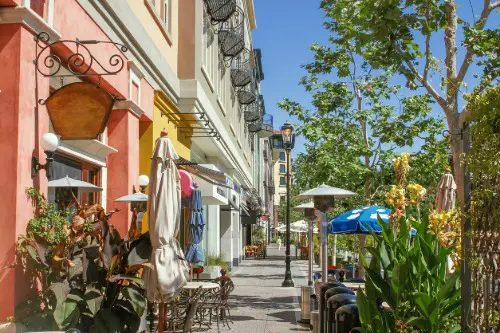
In the broader Bay Area — including cities like San Jose — a sizable share of housing is managed by HOAs, especially in condo developments or planned communities. Because municipal building codes there often focus on safety, zoning, and basic standards, they don’t cover many of the aesthetic or lifestyle issues that HOAs target: from exterior paint colors to landscaping choices, fence types, and even outdoor décor. Consequently, the HOA’s rulebook becomes the primary standard for what’s “acceptable.”
For homeowners, that can mean limited personal expression when it comes to how their property looks — or how it’s used. Simple actions like planting a garden, hanging a flag, or making minor structural changes can trigger HOA approval requirements or fines. Even though the city might not regulate these things, the HOA fills the regulatory vacuum — often with a level of detail and rigidity that surprises new residents. For many in the Bay Area, living under an HOA can feel more like living under communal guidelines than owning a private home.
9. Anaheim / Orange County, CA

In suburban communities of Southern California — such as those around Anaheim — HOAs are common in neighborhoods built as planned developments. These associations often oversee more than just shared amenities: they regulate property exteriors, fencing, driveways, landscaping, and sometimes even the timeline or style of renovations. Because these HOAs operate under state-wide legislation (like Davis–Stirling), their scope can include details that local or county code never touches.
For homeowners new to the area or unfamiliar with HOA culture, that can be a shock: what seems like a personal choice — repainting your house, planting certain shrubs, or putting up a swing set — may instead require permission. Non-compliance can result in warnings, fines or even liens. In many cases, residents discover these constraints only after they’ve bought the house and started planning changes.
10. Scottsdale / Greater Phoenix Suburbs, AZ

Beyond just Phoenix proper, many of the suburbs around it — including affluent or master-planned ones — rely heavily on HOAs to govern community standards. These associations can regulate everything from driveway cleanliness and exterior paint to where you park your car, what kind of fences you build, and whether you can have a above-ground pool or shed. Even though municipal laws might allow a broad range of homeowner freedoms, HOA covenants often narrow them sharply.
Because these communities are designed to maintain uniformity and property values, the HOA’s rulebook takes precedence. Residents who try to make changes or express personal style may find themselves dealing with warnings or fines — especially if they didn’t fully read or understand the HOA bylaws at purchase. Over time, some homeowners feel like they’re living under a quasi-government rather than as independent property owners. For many, the trade-off is worthwhile; for others, it becomes a source of frustration.
11. Tampa / Coastal Florida Suburbs

Much like other parts of Florida, the Tampa area and its suburbs have many HOA-governed communities — from condos to single-family planned developments. In these places, HOAs can enforce rules around parking, exterior maintenance, landscaping, and even holiday decorations or garbage-bin placement. Because local ordinances often focus on broader safety or zoning issues, HOA covenants fill in the more minute, lifestyle-oriented gaps.
For homeowners, this means that aspects of daily life many take for granted — when they can put out garbage, what color their house can be, how their lawn looks — end up being regulated privately. This arrangement effectively adds a layer of governance on top of municipal or county regulations. Some residents appreciate the uniformity and shared amenities; others chafe at the loss of autonomy. For those expecting a typical suburban experience, HOA rules in the Tampa area can feel surprisingly strict.
12. San Francisco / Bay Area, CA

In San Francisco (and neighboring Bay Area communities), many people live in condos, townhouses, or residences that belong to HOAs. Because municipal housing law and building codes focus primarily on structural safety and zoning, they rarely regulate aesthetics, yard maintenance, or even exterior changes at the individual unit level. That’s where HOAs step in. Their covenants often demand uniformity in appearance, shared-space usage rules, and strict guidelines on alterations.
For owners, that means that changing a window frame, painting a balcony, or installing a shade awning might require HOA approval — even if city law is silent on such matters. Those expecting to own a piece of real estate with full autonomy can be caught off-guard by how much control the HOA exerts. And because so many homes in the Bay Area are under HOA control, the associations’ rules often carry more weight day-to-day than municipal regulations. Some residents even argue that HOAs operate more like a homeowners’ government than a simple maintenance service.
13. Tampa Bay / St. Petersburg / Gulf-Coast Florida Region
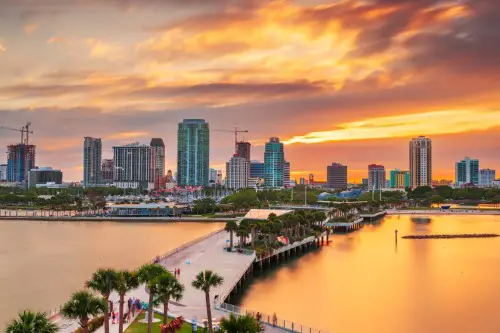
In many Gulf-coast Florida neighborhoods — whether condos, townhouses, or single-family planned developments — HOAs serve as quasi-governments, enforcing detailed standards on parking, exterior maintenance, landscaping, and even public-space usage in shared amenities. Because state and municipal laws often leave such details unregulated, HOAs quietly fill that regulatory void. For residents, that often means conforming to strict aesthetic or usage rules in exchange for access to communal benefits.
Small infractions — like leaving a trash bin out too long, minor exterior changes, or even leaving holiday lights up late — have reportedly resulted in fines or warnings. Because so many households in this region live under HOAs, the collective pressure to conform can be strong. What might feel like harmless personal preferences (paint color, garden decorations, guest parking) becomes subject to community approval. For some homeowners, the trade-off is worth the organized, uniform neighborhood; for others, it feels like giving up personal freedom in their own home.
14. Austin / Fast-Growing Texas Suburbs

Though overall HOA participation in Texas is lower than in some coastal states, many of the newer, fast-growing suburbs around cities like Austin rely on HOAs to manage communal infrastructure and maintain neighborhood standards. In these communities, HOAs often control exterior property modifications, landscaping, fence styles, driveway usage, and other aesthetic or lifestyle-related decisions that city codes might not cover. Even if municipal law is permissive, buying into one of these developments means agreeing to a second, often stricter set of rules.
For homeowners wanting flexibility — to remodel, landscape their yard, store a trailer, or paint their house a custom color — HOA restrictions can be a shock. Because the HOA board can enforce these rules with fines or fees, many people end up conforming rather than fighting it. Especially in neighborhoods where uniformity and curb appeal are prioritized, HOA rulebooks become de facto living standards. For some residents, that feels like a trade-off worth making; others feel like they got locked into a lifestyle they didn’t fully expect when they bought.
This post 14 Places Where HOAs Are Stricter Than the Actual Law was first published on American Charm.

