
1. Los Angeles, California
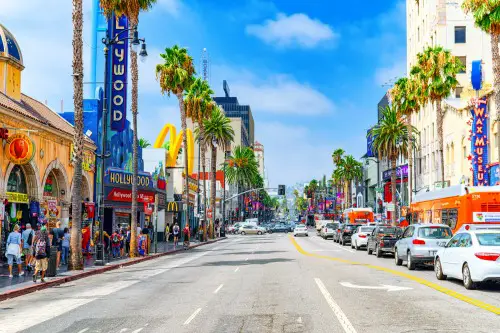
In Los Angeles, running errands can feel like planning a cross-county expedition. The region’s famous traffic on freeways like the Interstate 405 and Interstate 10 means even a quick grocery run can take far longer than expected. Distances between neighborhoods are large, and what looks close on a map may still require a long drive. Locals often check traffic apps before leaving the house just to pick up a prescription.
Parking adds another layer of strategy. Popular commercial areas such as The Grove or Melrose Avenue can involve circling blocks for a spot. Many people plan multiple stops in one trip because heading back out later means dealing with traffic all over again. In L.A., errands aren’t spontaneous—they’re scheduled.
2. New York City, New York
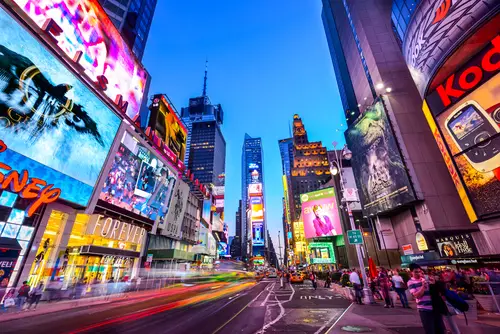
Life in New York City offers convenience, but errands still require strategy. Stores are everywhere, yet crowds in places like Times Square or Union Square can slow even simple tasks. Navigating busy sidewalks while carrying groceries or packages takes patience. Many residents pick specific times of day just to avoid the rush.
Transit logistics also play a role. The New York City Subway runs 24/7, but service changes and delays are common. If you need to stop at a pharmacy, post office, and grocery store, mapping the route matters. One missed train or unexpected platform change can add half an hour. New Yorkers quickly learn to combine errands along a single subway line.
3. Honolulu, Hawaii
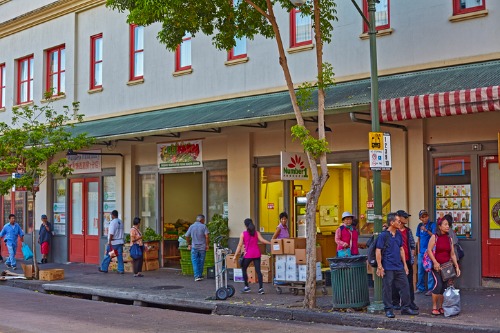
In Honolulu, geography shapes everyday errands. Much of the island’s population funnels through limited roadways such as the H-1 Freeway. When traffic builds, a short trip can stretch into a surprisingly long drive. Locals often try to finish errands outside peak commuter hours.
Another factor is the island supply chain. Some specialty items or mainland brands can be harder to find, so residents may plan trips to big shopping areas like Ala Moana Center. If you forget something, going back later might mean fighting traffic again. That’s why many people shop with a carefully written list.
4. Aspen, Colorado
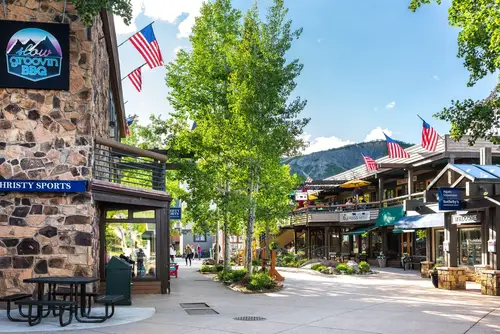
In Aspen, daily errands are shaped by geography and tourism. The small mountain town sits deep in the Rockies near Aspen Mountain. That means limited road access and long drives to larger retail stores. During ski season, the population swells dramatically.
Tourists and seasonal workers make everything busier. Grocery stores and parking lots can fill quickly, especially near places like Aspen Highlands. Locals often try to handle errands early in the morning before visitors hit the slopes. Timing matters almost as much as the to-do list.
5. Anchorage, Alaska

In Anchorage, distance and weather turn everyday errands into logistical exercises. Alaska’s largest city still sits hundreds of miles from other major population centers. That isolation affects shipping schedules and store inventory. Residents often stock up because restocking may take time.
Winter adds another challenge. Snow, ice, and darkness can complicate even a short trip along roads like Minnesota Drive. Many people group errands together to limit driving in bad conditions. When temperatures drop well below freezing, nobody wants multiple trips across town.
6. Key West, Florida
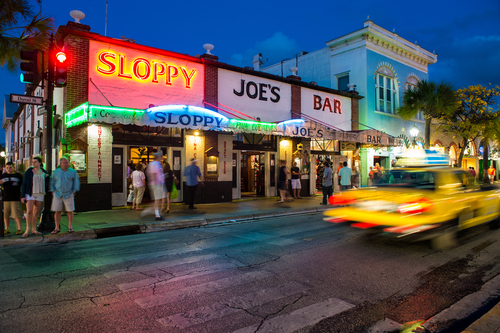
Life in Key West is relaxed, but errands still require planning. The island sits at the end of the long Overseas Highway, meaning supplies arrive by a single main route. During busy tourist seasons, roads can get congested. Even a short drive may take longer than expected.
Parking can also be tricky. Popular areas like Duval Street draw heavy foot traffic and limited parking spaces. Locals often run errands by bike or schedule trips early in the day. Waiting until afternoon usually means crowds.
7. Jackson, Wyoming
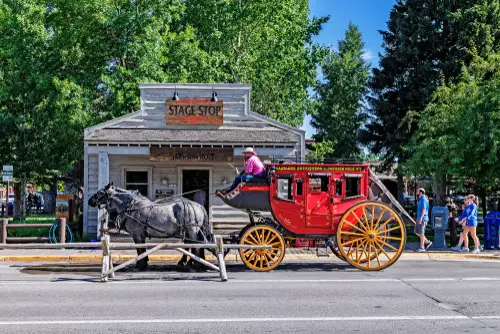
In Jackson, stunning scenery comes with logistical trade-offs. The town sits near Grand Teton National Park, which attracts huge numbers of visitors every year. Seasonal tourism causes noticeable surges in traffic and demand for services. A simple grocery run can take longer during peak months.
Distances between communities also matter. The nearest larger cities are hours away, so many errands happen locally whether prices are higher or not. Stores around Jackson Town Square can get crowded quickly. Residents often combine errands into a single carefully planned outing.
8. San Francisco, California
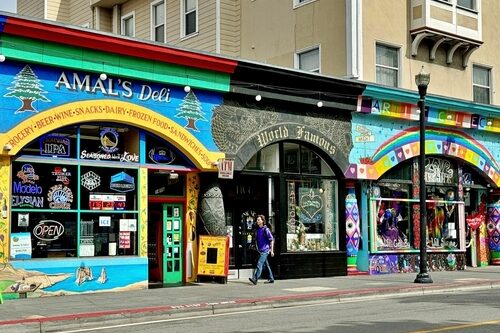
In San Francisco, geography and density make everyday tasks more complicated. The city’s hills and compact layout mean many neighborhoods have limited parking. Even a quick stop near Lombard Street or North Beach can involve circling blocks for a spot. Locals often walk or take transit instead.
Planning still matters, though. Street cleaning schedules and residential parking rules can result in tickets if you forget the timing. The San Francisco Municipal Railway is helpful but sometimes slow across the city’s hills. Residents frequently combine errands within the same neighborhood to avoid moving the car.
9. Gatlinburg, Tennessee

In Gatlinburg, tourism shapes daily life. The small mountain town sits right at the entrance to Great Smoky Mountains National Park, one of the most visited parks in the United States. Visitor traffic can flood the main roads through town. Even locals heading to the grocery store can get caught in it.
Parking and congestion around Parkway are common during peak travel seasons. Residents often schedule errands early in the morning or later at night. Midday trips are the most crowded. Timing errands around tourist patterns becomes second nature.
10. Juneau, Alaska
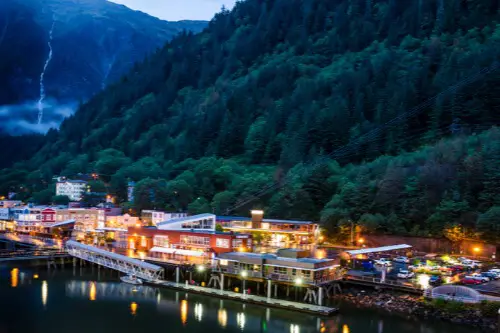
In Juneau, everyday logistics are shaped by geography. The city is not connected to the rest of Alaska’s road system. That means goods and supplies mostly arrive by ship or plane. Residents sometimes plan errands around shipping schedules or store restocks.
Cruise ship tourism adds another wrinkle. When ships dock near Juneau Cruise Port, downtown becomes noticeably busier. Stores, sidewalks, and roads fill with visitors. Locals often plan errands outside peak cruise hours.
11. Sedona, Arizona

In Sedona, natural beauty brings crowds that affect everyday life. The town is surrounded by red rock formations such as Cathedral Rock. Visitors come year-round for hiking, photography, and scenic drives. That steady tourism can slow traffic through town.
The main commercial corridor along Arizona State Route 89A often backs up during busy weekends. Locals quickly learn which times of day are best for errands. Many try to shop early before tour groups arrive. Waiting until afternoon can mean long lines and crowded parking lots.
12. Bar Harbor, Maine
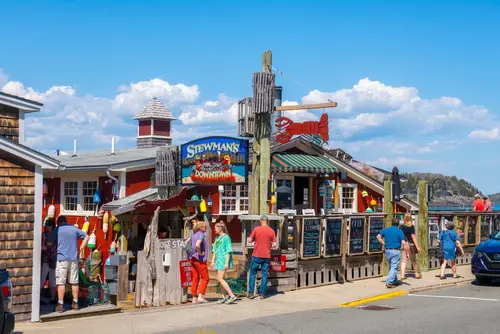
In Bar Harbor, errands revolve around the rhythms of tourism and geography. The town sits next to Acadia National Park, drawing millions of visitors each year. During peak months, narrow streets and small parking areas fill quickly. Locals often plan trips carefully to avoid congestion.
Seasonality also affects store hours and availability. Some businesses scale back operations during the quieter winter months. Residents sometimes stock up before seasonal closures or reduced schedules. Planning ahead simply becomes part of everyday life in this coastal town.
This post Places Where Every Errand Requires a Plan was first published on American Charm.

