
1. San Francisco, California
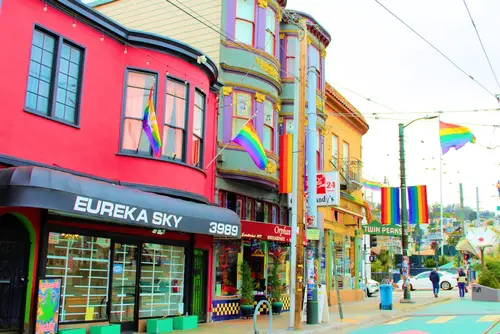
San Francisco has a reputation for protecting its quirky neighborhoods. The city passed a “formula retail” law that makes it harder for big chains to open without special permits. Residents worry that chain stores would dilute the character of their streets. For many locals, the law is a badge of honor that preserves the city’s unique vibe.
Even with restrictions, some chains sneak in, but the community keeps a watchful eye. Small businesses thrive because people actively choose them over national brands. Farmers markets, boutiques, and family-owned restaurants remain staples here. San Francisco’s approach has become a model for other cities trying to balance growth with charm.
2. Healdsburg, California
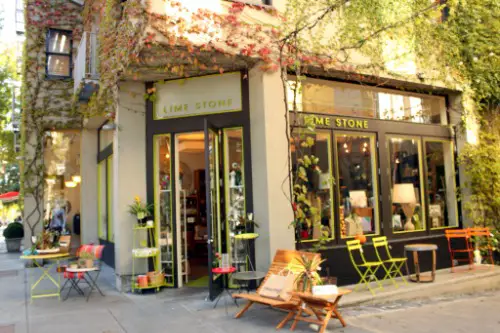
Healdsburg sits in the heart of Sonoma County and has a similar anti-chain philosophy. The city limits big chains to protect its downtown’s boutique feel. Wine shops, artisan bakeries, and independent bookstores dominate the streets. Residents want to keep their town a destination for charm, not convenience.
City council rules require special approval for any chain with multiple locations. The measure ensures that local businesses have a fighting chance to thrive. Visitors often remark on the town’s uniquely curated shopping experience. For Healdsburg, it’s all about quality over quantity.
3. Joseph, Oregon
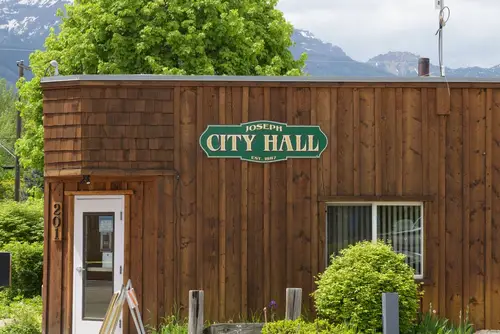
Joseph is a tiny town with a strong sense of identity. The city banned “formula” businesses to prevent dollar stores and national chains from dominating the main street. Residents love supporting artisans and locally owned shops instead. It’s a deliberate choice to maintain the town’s small, cozy atmosphere.
Tourists often visit Joseph for its murals and handcrafted goods. Locals argue that chains would undermine both the economy and the town’s personality. By keeping national retailers out, Joseph ensures that every storefront tells a story. The community’s decision reflects pride in keeping the town authentically local.
4. Carmel-by-the-Sea, California
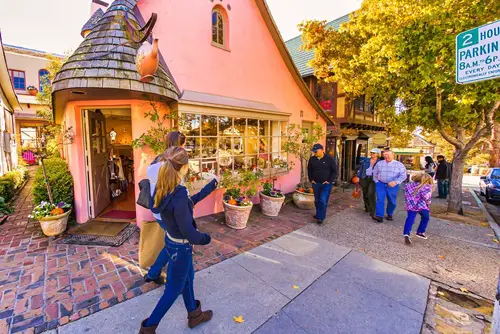
Carmel is famous for its storybook streets and ocean views. The city bans most chain stores to protect its fairy-tale aesthetic. Locals believe chain stores would ruin the town’s character. Every business here has a personal touch that reflects the community’s values.
Restaurants, galleries, and boutiques are mostly independent. Even big-name hotels have to conform to strict architectural guidelines. Residents celebrate the town’s individuality as a key selling point. Carmel’s policies show that small towns can resist homogenization.
5. New Hope, Pennsylvania

New Hope has long resisted the invasion of big-box stores. Its main street is filled with art galleries, cafés, and vintage shops. Residents value creativity and originality over convenience. Chains would clash with the town’s artistic identity.
Tourism thrives because visitors love the charm of walking through unique streets. The borough’s ordinances make it difficult for chain retailers to set up shop. This helps small business owners maintain a livelihood. New Hope’s example proves that community culture can outweigh corporate pressure.
6. Nantucket, Massachusetts
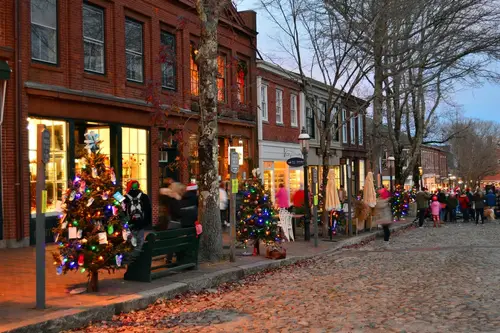
Nantucket’s historic district is strictly regulated to prevent chain stores from appearing. Locals want to preserve cobblestone streets and historic architecture. Chain stores are seen as a threat to the island’s character. Visitors often come to Nantucket specifically for its authenticity.
Only a few necessary national retailers are allowed, and they are carefully monitored. The town prioritizes small, independent shops that support the local economy. This approach keeps tourism unique and profitable. Nantucket shows how preservation and commerce can coexist.
7. Aspen, Colorado
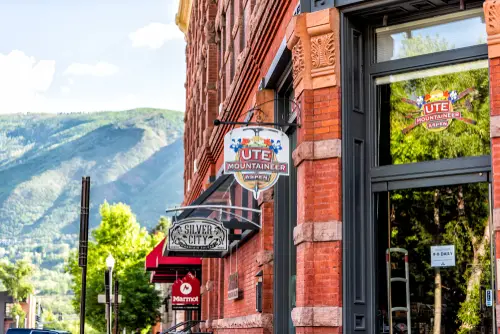
Aspen is known for luxury and exclusivity, but it also resists corporate homogenization. Chains are restricted to prevent them from overshadowing boutique shops. Residents prefer high-end, locally owned stores. This maintains Aspen’s image as a curated mountain destination.
The town has zoning and design rules that chains must navigate. Locals argue that corporate retailers would dilute the city’s culture. Independent galleries, restaurants, and ski shops continue to dominate. Aspen demonstrates that even resort towns can value individuality over mass appeal.
8. Burlington, Vermont
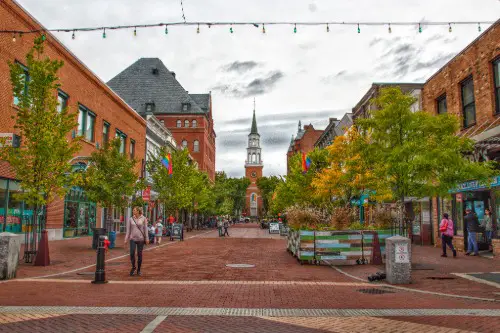
Burlington’s Church Street Marketplace is largely free of chain stores. Locals and city planners actively encourage independent shops. The goal is to maintain a pedestrian-friendly, community-oriented vibe. Chain stores would disrupt the small-town atmosphere residents cherish.
Farmers markets, cafés, and bookshops thrive because they get consistent local support. Burlington has ordinances that limit formula retail in certain districts. Residents see shopping as a way to reinforce community ties. The town proves that thoughtful regulations can preserve uniqueness.
9. Sedona, Arizona

Sedona’s natural beauty comes with strict commercial restrictions. Chains are limited to avoid overshadowing the town’s red-rock charm. Residents value art galleries and boutique stores over big retailers. Keeping chains out preserves both aesthetics and economic diversity.
Tourism relies on Sedona’s distinctive character, not generic shopping. Independent businesses cater to locals and visitors alike. The town enforces strict building codes and business regulations. Sedona’s policy shows how environment and commerce can align.
10. Key West, Florida
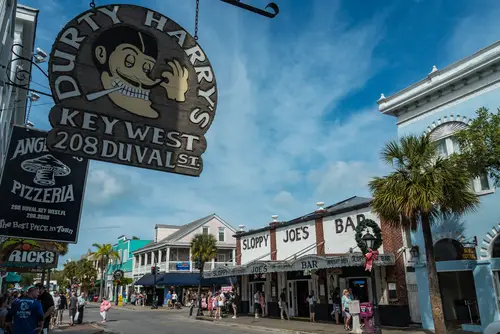
Key West has resisted chain stores to protect its quirky, tropical feel. Locals prefer mom-and-pop shops and seafood restaurants over franchises. Chain stores would clash with the city’s colorful, historic streets. Residents actively champion their independent businesses.
The city regulates storefront appearances to maintain charm. Tourists flock here for authenticity rather than convenience. Local business owners play a central role in the community. Key West proves that strict regulations can protect culture.
11. Telluride, Colorado
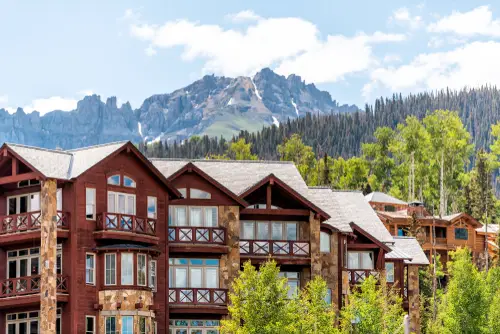
Telluride limits chains to maintain its mountain town character. Locals argue that big retailers would undermine the town’s independent spirit. Boutique shops, cafes, and galleries dominate the main street. Residents are proud of their town’s unique atmosphere.
Zoning laws make it difficult for chains to enter. This ensures that locals and tourists experience a curated, community-driven environment. The town’s layout and aesthetics complement independent businesses. Telluride shows that geographic beauty and local commerce can coexist.
12. Marfa, Texas

Marfa is an arts haven in West Texas. The town actively discourages chain stores to protect its minimalist, creative vibe. Independent galleries and coffee shops dominate the streets. Residents embrace the town’s identity as an artistic hub.
Chain stores could commercialize the town and harm its culture. Marfa’s ordinances reflect a conscious choice to value originality. Tourists are drawn to the town precisely for its independent character. Marfa’s model proves that small towns can successfully resist corporate uniformity.
13. Mystic, Connecticut

Mystic’s downtown is largely chain-free. Locals prioritize maritime history and small businesses over big-box convenience. Shops and restaurants cater to tourists and residents alike with personalized service. Chains would detract from the town’s historical charm.
Historic preservation rules reinforce this approach. Visitors come for the authentic experience, not a standard mall. The community works to keep the town walkable and culturally rich. Mystic exemplifies how commerce can respect heritage.
14. Taos, New Mexico

Taos limits chains to protect its Native American and artistic heritage. Independent galleries and markets dominate the town center. Residents feel chains would dilute the local culture. Preserving authenticity is central to Taos’s identity.
Zoning and design rules control commercial development. Small businesses thrive as a result of local support. Tourists value the town’s unique cultural landscape. Taos demonstrates that local values can successfully guide economic growth.
This post 14 Places That Refuse Chain Stores Like It’s a Matter of Religion was first published on American Charm.

