
1. Michigan Central Station
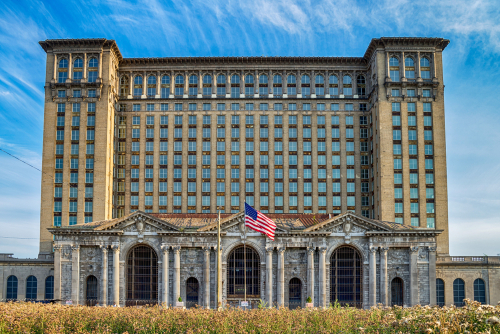
Michigan Central Station was once one of the busiest rail hubs in the Midwest. When it opened in 1913, it symbolized Detroit’s growth and its deep connection to national rail travel. Thousands of passengers passed through its grand waiting room every day. The building itself was designed to impress, with soaring ceilings and Beaux-Arts detail.
Rail travel declined after World War II as cars and planes took over. The station closed in 1988 and sat vacant for decades. Its massive, empty shell became one of the most recognizable symbols of urban decline. Although restoration efforts are now underway, it long stood as a place built for crowds that disappeared.
2. Pontiac Silverdome
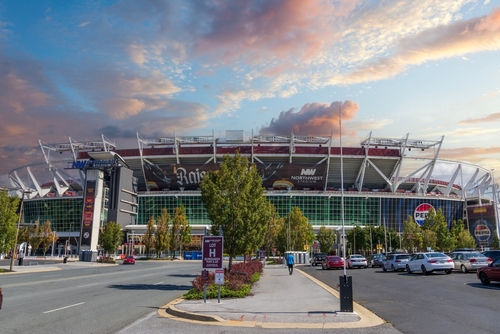
The Pontiac Silverdome opened in 1975 as a major sports and entertainment venue. It hosted NFL games, concerts, and even the 1982 Super Bowl. At its peak, tens of thousands of fans filled the stadium regularly. It was designed to handle huge crowds and constant activity.
After teams moved to newer venues, the stadium lost its primary purpose. Maintenance issues and declining use led to its closure in 2017. The structure sat empty and deteriorating before being demolished in 2018. For years, it stood as an oversized reminder of a past era of gathering.
3. Six Flags New Orleans
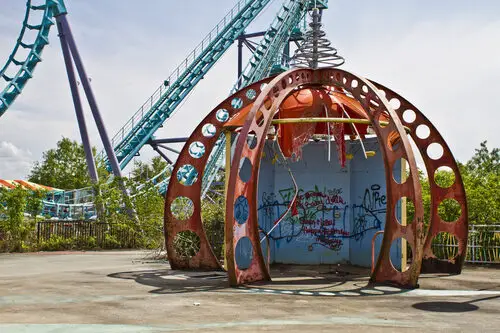
Six Flags New Orleans was once a lively theme park filled with rides, games, and summer crowds. Families and tourists packed the park during peak seasons in the early 2000s. It was built as a major regional attraction with long-term growth in mind. Bright colors and music made it feel like a permanent fixture.
Hurricane Katrina flooded the park in 2005 and caused extensive damage. The site was never reopened due to the cost of repairs and insurance disputes. Rusting rides and overgrown pathways now sit behind locked gates. It feels like a place that should still be full of noise and motion.
4. Astrodome
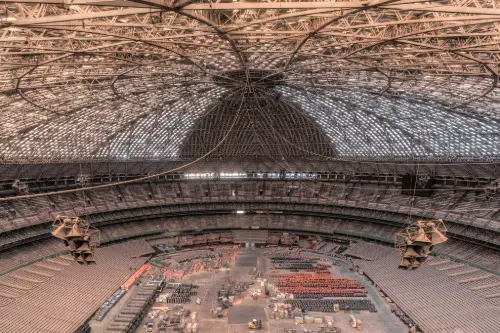
The Astrodome opened in 1965 as the world’s first domed sports stadium. Nicknamed the “Eighth Wonder of the World,” it hosted baseball, football, and major events. Crowds filled its seats for decades, and it became a symbol of Houston’s ambition. It was designed to represent the future of large-scale entertainment.
Newer stadiums eventually replaced it, and regular use declined. It has not hosted major events in years and remains largely unused. Debates over renovation or demolition have continued for decades. The massive interior now sits quiet despite its history of packed crowds.
5. Grossinger’s Catskill Resort Hotel
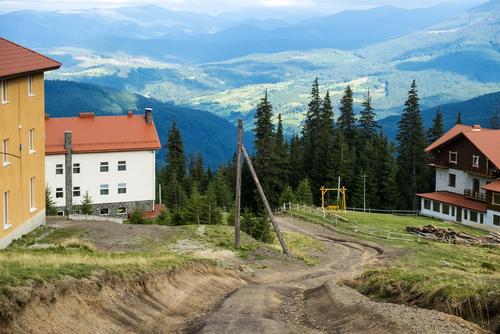
Grossinger’s Catskill Resort Hotel was once a premier vacation destination in upstate New York. It was part of the “Borscht Belt,” where thousands of guests gathered each season. The resort featured entertainment, dining, and sprawling recreational facilities. It thrived as a social hub for decades.
Air travel and changing vacation habits reduced its popularity. The resort closed in 1986 after years of declining attendance. Buildings sat abandoned and slowly deteriorated for decades. What remains feels like a faded echo of a once-busy social scene.
6. Rolling Acres Mall
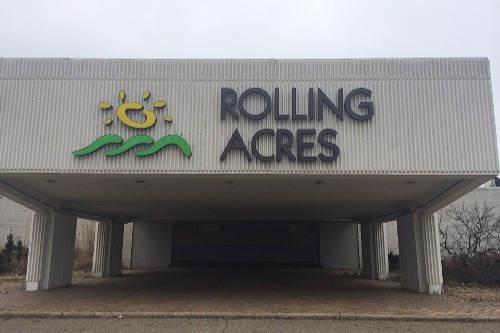
Rolling Acres Mall opened in 1975 and quickly became a major shopping destination in Akron. Department stores, food courts, and retail chains drew steady crowds. It was designed as a central gathering place for the community. Weekend foot traffic made it feel like a social hub as much as a shopping center.
Retail shifts and competition from newer developments led to declining occupancy. Anchor stores closed, and smaller shops followed. By the 2000s, large sections of the mall were empty. It was eventually demolished, but for years it stood as a hollow version of its former self.
7. Eastern State Penitentiary
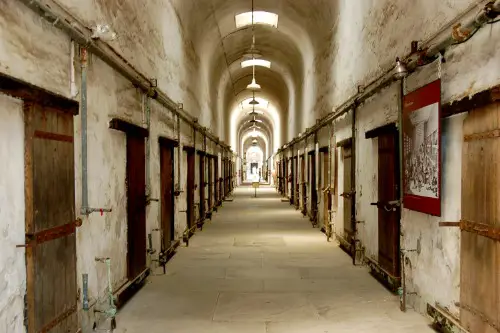
Eastern State Penitentiary opened in 1829 and was once one of the most famous prisons in the world. Its radial design influenced prison architecture globally. At its peak, it housed hundreds of inmates and operated continuously. The complex was built for strict order and constant use.
The prison closed in 1971 after becoming outdated. It sat abandoned for years before reopening as a historic site. Crumbling cellblocks and empty corridors still dominate the space. Walking through it feels like stepping into a place built for activity that suddenly stopped.
8. Packard Automotive Plant
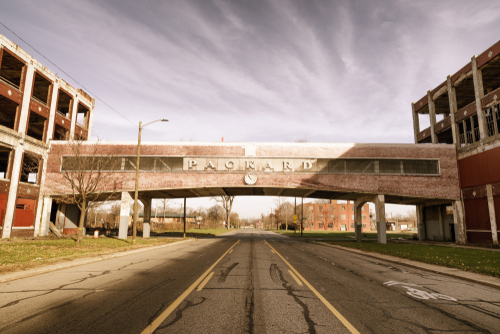
The Packard Automotive Plant was once a massive center of car manufacturing in Detroit. Thousands of workers filled its assembly lines during the early 20th century. The complex helped define industrial production at scale. It was built for constant movement and output.
Packard’s decline led to the plant’s closure in the late 1950s. The enormous site sat abandoned for decades afterward. Portions collapsed while others were slowly redeveloped. Its size makes the emptiness feel especially dramatic.
9. The High Line Canal Drive-In
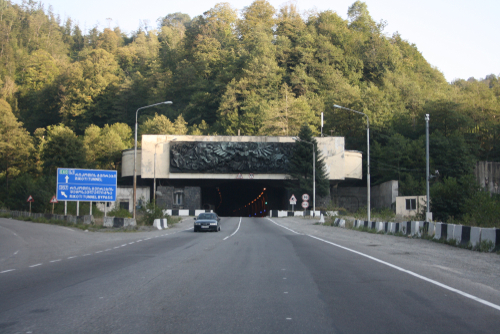
Drive-in theaters like the High Line Canal Drive-In once brought communities together for movies under the stars. Families and friends gathered in cars with snacks and radios tuned to the film audio. These spaces were designed for shared experiences in a relaxed setting. They were especially popular in the mid-20th century.
Television, multiplex theaters, and rising land values led to their decline. Many drive-ins closed as attendance dropped. The High Line Canal Drive-In eventually shut down and the site was repurposed. It represents a broader shift away from communal outdoor entertainment.
10. Santa Claus Land
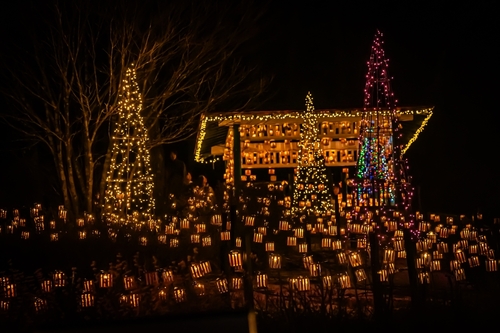
Santa Claus Land opened in 1946 as one of the first theme parks in the United States. Families visited to meet Santa and experience holiday-themed attractions year-round. It was built as a whimsical gathering place for children and parents. Early success made it a regional draw.
The park later expanded and evolved into what is now Holiday World. While the modern park remains active, the original themed sections changed significantly. The earliest concept no longer exists in its original form. That shift reflects how even popular gathering places can transform or disappear.
11. Buffalo Central Terminal
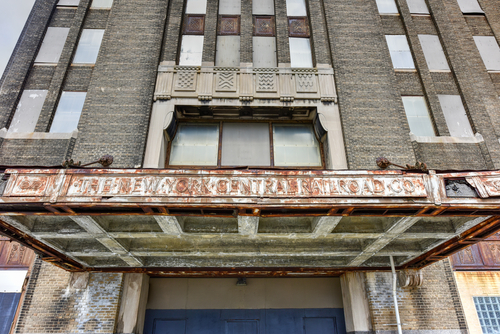
Buffalo Central Terminal opened in 1929 as a major rail hub in New York. Its Art Deco design and large concourse handled heavy passenger traffic. Trains connected Buffalo to cities across the country. The station was built for constant movement and large crowds.
Rail travel declined in the mid-20th century, reducing its importance. The terminal closed in 1979 and sat largely vacant for decades. Preservation efforts have stabilized parts of the structure. Even so, much of the space still feels far emptier than intended.
12. North Brother Island
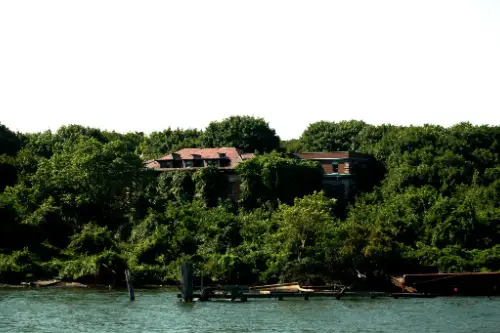
North Brother Island once housed medical facilities including Riverside Hospital. It quarantined patients with infectious diseases like smallpox and tuberculosis. Staff, patients, and support workers created a small but active community. The island functioned as a place of gathering under unusual circumstances.
The hospital closed in the mid-20th century as medical practices changed. Attempts to reuse the island for housing and rehabilitation programs eventually ended. It has been uninhabited for decades and is now largely off-limits. Nature has taken over spaces once filled with people.
This post Places People Once Gathered That Are Now Sitting Empty was first published on American Charm.

