
1. Mackinac Island, Michigan
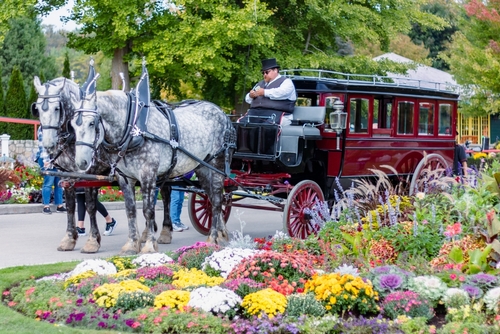
If you want to feel like you’ve stepped into another century, Mackinac Island does the trick almost instantly. Cars have been banned here since 1898, so the main sounds you hear are horse hooves, bicycle bells, and the breeze off Lake Huron. Victorian homes line the bluffs, and the enormous Grand Hotel still greets guests with its famously long front porch. The whole place feels like a postcard from the late 1800s that somehow stayed perfectly preserved.
Because the island avoided modern traffic and large-scale development, its historic character remains unusually intact. Horse-drawn carriages still serve as taxis, and fudge shops have been operating along Main Street for generations. Many of the buildings date to the late nineteenth century, when the island became a summer retreat for wealthy Midwesterners. Walking the streets today feels remarkably similar to how visitors experienced it more than a hundred years ago.
2. Colonial Williamsburg, Virginia
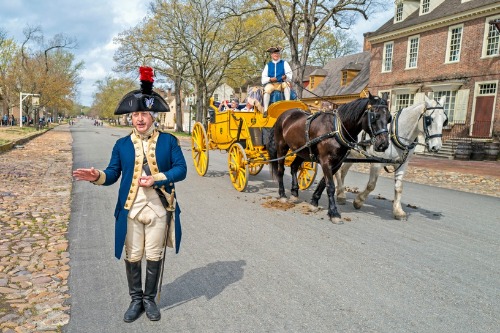
Colonial Williamsburg isn’t just historic—it’s practically a time machine. The town carefully recreates life in the 18th century, complete with restored buildings, costumed interpreters, and working trade shops. You can watch blacksmiths hammer iron tools or see a printer set type by hand just like they did in the 1700s. It’s easy to forget you’re in modern Virginia when horse-drawn carts roll past the Governor’s Palace.
The area preserves hundreds of original or reconstructed structures from the colonial capital of Virginia. Streets are intentionally kept free of modern distractions so the historical illusion stays intact. Actors portray real historical figures and everyday residents to bring the past to life. Because of that attention to detail, the town feels less like a museum and more like a living snapshot of early America.
3. Bodie, California
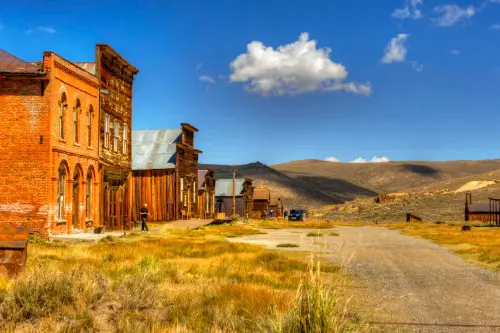
Bodie is the kind of ghost town that makes you feel like the residents stepped out for a minute and never returned. Once a booming gold mining town with thousands of residents, it was abandoned as the gold ran out. Today the buildings remain in a state of “arrested decay,” meaning they’re preserved exactly as they were found. Peeking through dusty windows, you’ll see shelves, furniture, and tools still sitting in place.
Walking through Bodie feels eerily authentic because nothing has been overly restored. Weathered wooden storefronts still line the streets, and dozens of homes remain filled with everyday items from the late 1800s. The town became a California State Historic Park in 1962, helping protect what remains. The windswept setting and quiet streets make it feel like time simply stopped.
4. St. Augustine, Florida
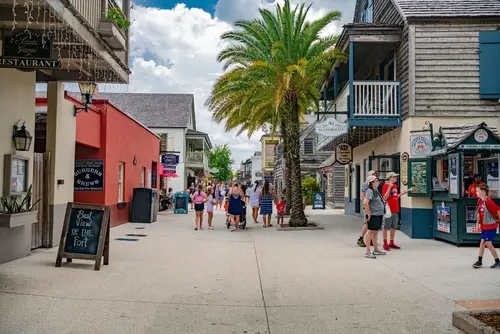
St. Augustine proudly claims the title of the oldest continuously inhabited European-established city in the United States. Founded by the Spanish in 1565, its narrow streets and stone buildings still reflect centuries of layered history. Landmarks like the Castillo de San Marcos fortress anchor the historic district and remind visitors just how far back the story goes. Wandering the old streets can feel like stepping into a colonial-era port town.
Many of the structures in the historic district date to the 18th and 19th centuries. Spanish colonial architecture, coquina stone walls, and hidden courtyards give the city a distinctive atmosphere. Horse-drawn carriages still travel through parts of the old town, adding to the sense of another era. Even with modern tourism, the core of St. Augustine still feels deeply tied to its past.
5. Deadwood, South Dakota
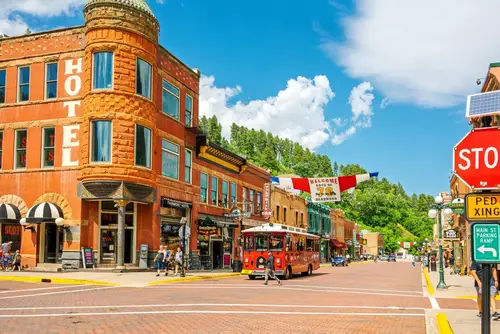
Deadwood built its reputation during the Black Hills Gold Rush of the 1870s. Legendary figures like Wild Bill Hickok and Calamity Jane once walked these streets, adding to the town’s mythic Old West reputation. Many of the brick buildings that replaced early wooden structures still stand today. The historic downtown feels like the backdrop of a classic western film.
Preservation efforts helped maintain the town’s 19th-century appearance. Saloons, gambling halls, and historic hotels line the main streets much like they did in the late 1800s. Some businesses even lean into the town’s past with period-style décor and reenactments. As a result, visitors often feel like they’re stepping straight into the frontier era.
6. Galena, Illinois
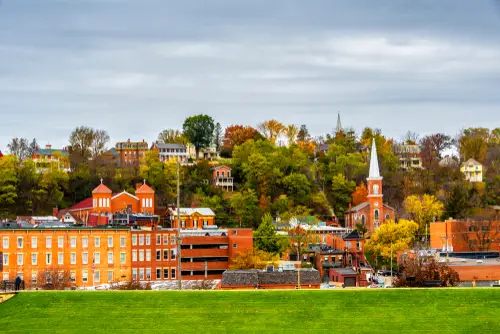
Galena once rivaled Chicago as one of Illinois’ most important cities during the 1800s. The town thrived on lead mining and Mississippi River trade, which funded rows of elegant brick buildings. Today, more than 80 percent of its structures sit within a historic district. Walking down Main Street feels like wandering through a remarkably intact 19th-century commercial center.
The town changed surprisingly little after its mining boom faded. Because large-scale redevelopment never took off, the architecture remained largely untouched. Even former U.S. President Ulysses S. Grant once lived here, and his home still stands as a historic site. That combination of preserved buildings and small-town atmosphere makes Galena feel wonderfully frozen in time.
7. Tombstone, Arizona
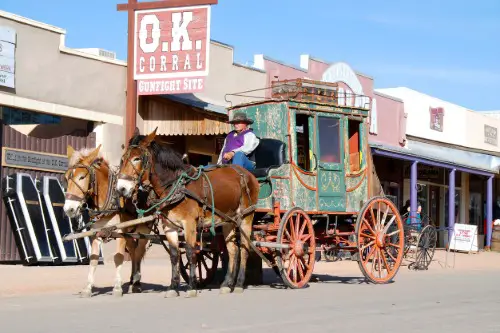
Tombstone proudly calls itself “The Town Too Tough to Die.” It became famous during the silver boom of the late 1800s and for the legendary gunfight at the O.K. Corral. Wooden boardwalks and historic saloons still line Allen Street. The setting makes it easy to imagine cowboys, gamblers, and lawmen passing through town.
Many buildings date back to the 1880s mining boom. Historic landmarks like the Bird Cage Theatre have been carefully preserved with their original interiors. Daily reenactments and preserved storefronts help keep the Old West atmosphere alive. The result is a town that feels remarkably connected to its frontier past.
8. Harpers Ferry, West Virginia
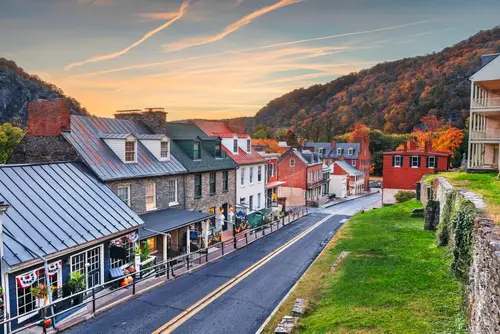
Harpers Ferry sits at the meeting point of the Potomac and Shenandoah rivers. Its steep hills and historic streets played a major role in both early industry and the Civil War. The town is perhaps best known for John Brown’s 1859 raid on the federal armory. Much of the lower town now looks very similar to how it did in the mid-19th century.
The area is preserved as part of Harpers Ferry National Historical Park. Historic storefronts, stone buildings, and narrow streets remain carefully maintained. Because modern development is limited in the lower town, the historic atmosphere remains strong. Standing at the riverside, it’s easy to imagine the tension and activity of the Civil War era.
9. Virginia City, Nevada
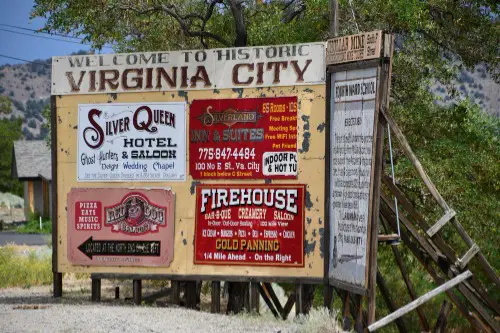
Virginia City exploded into prominence after the discovery of the Comstock Lode in 1859. The silver strike turned it into one of the richest mining towns in the American West. Today, wooden sidewalks, historic saloons, and preserved mining structures still line the steep streets. It feels like the 19th-century boomtown simply paused.
The town’s fortunes declined when the mines played out, leaving much of the original architecture intact. Instead of modern redevelopment, many buildings were preserved as historic landmarks. Even the old steam trains still run nearby on scenic routes. The result is a remarkably authentic snapshot of Nevada’s mining past.
10. Eureka Springs, Arkansas
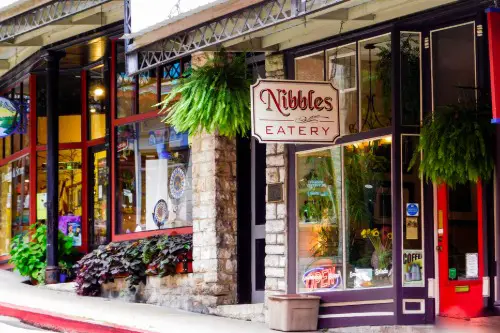
Eureka Springs is built into the steep hills of the Ozarks, and its winding streets feel delightfully old-fashioned. The town developed as a Victorian spa destination in the late 1800s after people flocked there for its natural springs. Because of the terrain, the streets twist and turn in unusual ways. The architecture reflects the boom years of the Victorian era.
More than a hundred historic buildings fill the compact downtown area. Many still house shops, galleries, and hotels that operate inside original structures. Strict preservation rules have helped keep the town’s appearance consistent. Walking through the streets feels like wandering through a preserved 19th-century resort town.
11. Jim Thorpe, Pennsylvania
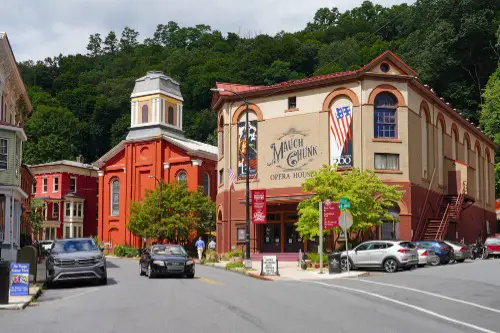
Jim Thorpe sits in a dramatic valley in the Pocono Mountains and is often called the “Switzerland of America.” The town grew wealthy in the 19th century thanks to coal and railroad industries. That prosperity produced grand mansions, ornate churches, and stately civic buildings. Many of those structures still stand today.
The historic downtown has remained largely intact for more than a century. Narrow streets and steep hills give the town a distinctive, old-world feel. Victorian architecture dominates the landscape, especially along Broadway. With so many preserved buildings, it’s easy to picture the town during its industrial heyday.
12. Natchitoches, Louisiana
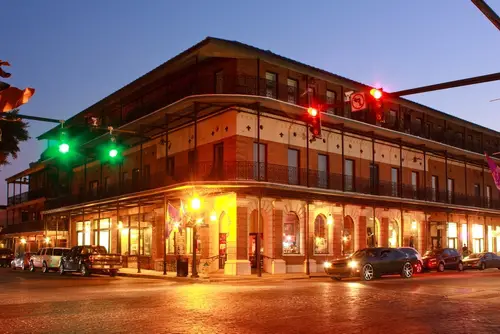
Natchitoches is the oldest permanent settlement in the Louisiana Purchase territory. Founded in 1714 by French colonists, the town still reflects strong French and Creole influences. The historic district along Cane River Lake features wrought-iron balconies and colorful brick storefronts. The setting feels like a quiet step back into colonial Louisiana.
Many of the buildings in the district date to the 18th and 19th centuries. Brick streets and historic townhouses line the waterfront promenade. Preservation efforts have helped maintain the traditional architectural style. Because of that, the town’s historic center still carries the charm of its early colonial roots.
13. Annapolis, Maryland
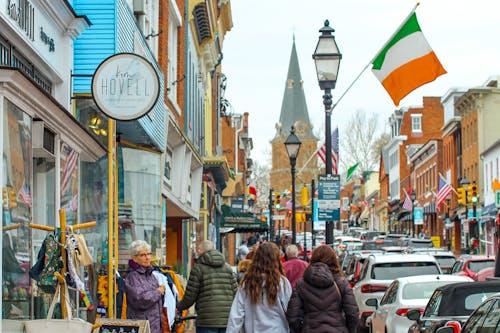
Annapolis has been a major seaport since the colonial era. Founded in 1649, it later became the capital of Maryland and an important center of political life. The historic district still features brick streets and centuries-old homes. Many buildings date back to the 1700s.
The city also served briefly as the capital of the United States after the Revolutionary War. Georgian architecture dominates the downtown area, giving the city a cohesive historic look. Strict preservation rules protect much of the original layout. As a result, Annapolis feels remarkably similar to its colonial past.
14. Bisbee, Arizona
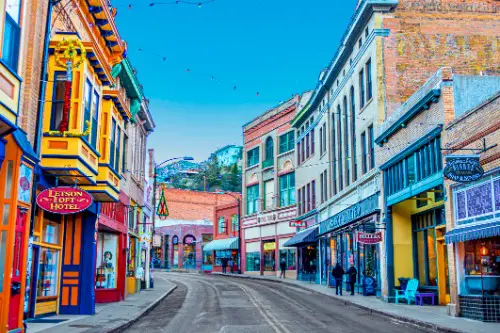
Bisbee began as a booming copper mining town in the late 1800s. The town grew quickly, climbing up the steep hillsides of southeastern Arizona. Colorful houses, staircases, and narrow streets still cling to the slopes today. The dramatic layout makes it feel both historic and slightly frozen in time.
When mining declined in the mid-20th century, the town avoided large-scale redevelopment. Many historic buildings were repurposed rather than replaced. Artists and small businesses gradually moved into the preserved spaces. That mix of historic architecture and creative energy gives Bisbee a unique old-meets-new atmosphere.
15. Cape May, New Jersey
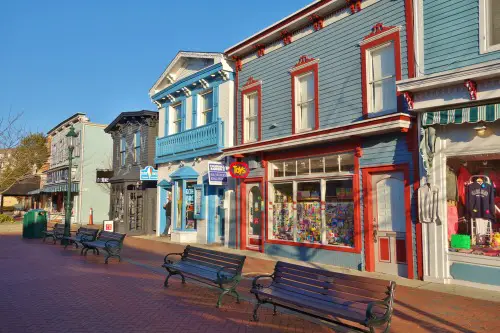
Cape May looks like a living collection of Victorian architecture. After a devastating fire in 1878, much of the town was rebuilt in ornate Victorian styles. Colorful gingerbread houses, wraparound porches, and decorative trim define the streets. It’s one of the largest concentrations of Victorian buildings in the United States.
The entire city is designated as a National Historic Landmark district. Preservation efforts have kept many of the homes and hotels remarkably close to their original appearance. Walking through the neighborhoods feels like stepping into a seaside resort from the late 19th century. Even today, the town still carries the charm of America’s early beach vacations.
This post 15 Places in the U.S. That Look Frozen in Time was first published on American Charm.

