
1. Detroit, Michigan
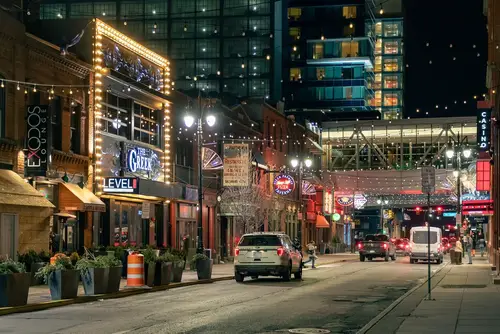
For much of the 20th century, Detroit felt like a guaranteed forever home thanks to the auto industry. Factory jobs paid well, neighborhoods were stable, and families assumed the work would last for generations. When manufacturing declined and companies left, many residents were suddenly stuck with shrinking opportunities. What once felt permanent became uncertain almost overnight.
People didn’t leave because they wanted to abandon the city’s culture or history. They left because jobs disappeared faster than communities could adapt. Schools, city services, and property values suffered, making it harder to stay even for those who loved it. Detroit’s story is a classic example of how an economy can quietly pull the rug out from under long-term plans.
2. San Francisco, California
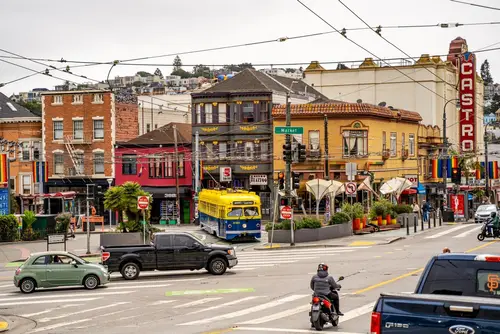
San Francisco has long been a place people arrived expecting to settle down for good. Tech booms, creative energy, and mild weather made it feel like a dream location to build a life. Over time, soaring housing costs pushed that dream further out of reach for many residents. Rent and home prices rose much faster than wages for non-tech workers.
Even people with good jobs found themselves rethinking what “forever” meant. Long commutes, limited space, and constant financial pressure wore people down. Many moved to nearby cities or left the state entirely while still loving the city itself. San Francisco didn’t lose its appeal, but it priced out permanence.
3. Los Angeles, California
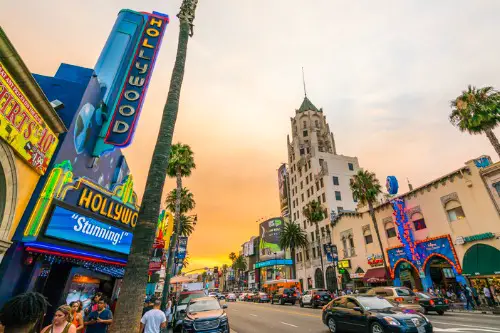
Los Angeles has always sold the idea of settling in and making it big or building a sunny, stable life. Families moved there for entertainment jobs, aerospace work, or simply the lifestyle. Over time, traffic congestion, housing costs, and sprawl made daily life harder than expected. What felt glamorous at first often turned exhausting.
Wildfires and drought added another layer of uncertainty for homeowners. Insurance costs rose in some areas, and water concerns became part of everyday conversation. Many residents realized they could get similar weather elsewhere with fewer trade-offs. The dream didn’t die, but it changed shape.
4. New York City, New York
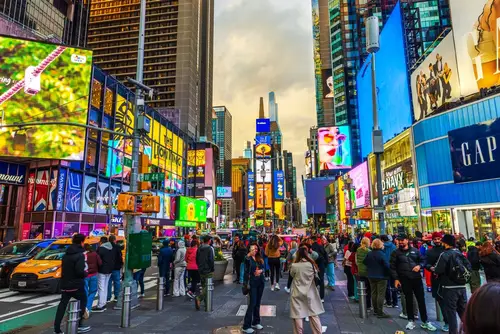
New York City convinces people they’ll never want to live anywhere else. Careers, culture, and energy make it feel like the ultimate place to plant roots. But the high cost of living slowly reshapes that calculation for many long-term residents. Rent increases, childcare costs, and limited space take their toll.
Life stages often trigger the decision to leave. People who loved tiny apartments in their twenties rethink that setup when starting families. Remote work also made staying less necessary for certain careers. New York remains magnetic, but forever doesn’t always survive the price tag.
5. Las Vegas, Nevada
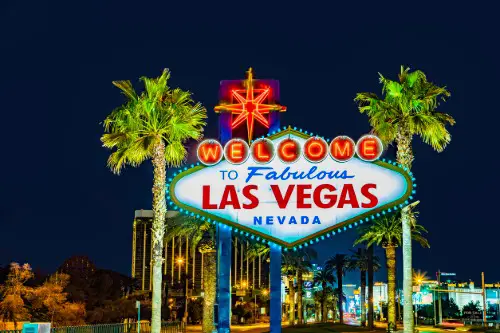
Las Vegas attracted Americans with affordable housing and abundant service-industry jobs. Many newcomers assumed the low taxes and constant growth would make it a stable long-term choice. Over time, water scarcity in the region became a growing concern. Lake Mead’s declining levels changed how residents thought about the future.
The city’s economy also proved vulnerable to downturns in tourism. During recessions and travel slowdowns, jobs disappeared quickly. Extreme summer heat made daily life harder for some residents as well. What looked like a forever city started to feel fragile.
6. Phoenix, Arizona
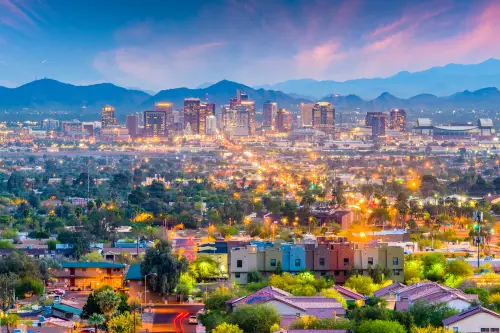
Phoenix became a magnet for people seeking warmth, space, and relatively affordable homes. Retirees and young families alike believed they’d found a place to settle permanently. Rapid growth strained infrastructure and pushed housing prices higher. At the same time, summers grew longer and more intense.
Water availability became an increasingly serious issue across Arizona. New housing developments faced restrictions tied to groundwater access. Some residents began questioning long-term sustainability rather than short-term comfort. The city still grows, but forever no longer feels guaranteed to everyone.
7. Miami, Florida
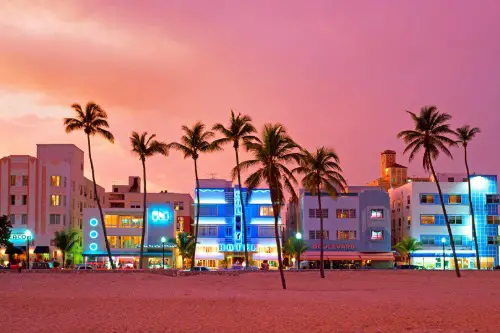
Miami has always drawn people in with beaches, culture, and opportunity. Many newcomers assumed they’d never want to leave paradise. Rising sea levels and frequent flooding changed that outlook for homeowners in certain neighborhoods. Insurance premiums climbed sharply, especially for coastal properties.
The cost of living also increased as more people moved in. Longtime residents found themselves competing with newcomers and investors. Daily life started to involve planning around storms and flooding. For some, the dream became too stressful to maintain.
8. New Orleans, Louisiana
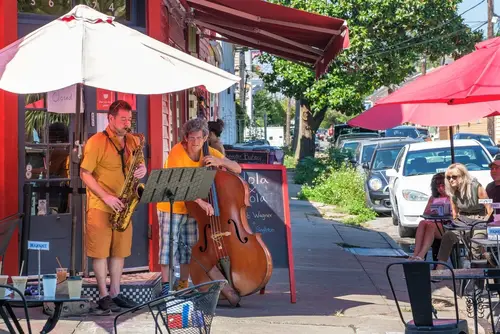
New Orleans inspires fierce loyalty, and many residents believed they’d stay forever. The city’s culture, food, and music create a strong sense of belonging. Hurricane Katrina in 2005 forced thousands to leave, many of them permanently. Even those who returned carried a different sense of security.
Repeated flooding and storm threats continued to shape decisions afterward. Rebuilding was emotionally and financially draining for many families. Some realized they couldn’t face another major disaster. Forever felt different once vulnerability became unavoidable.
9. Paradise, California
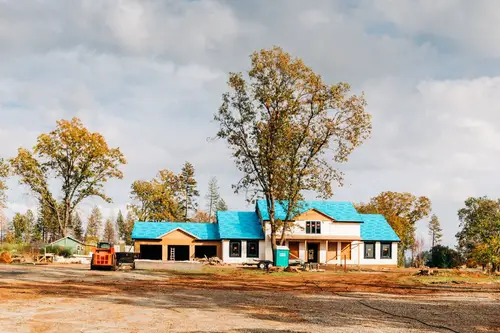
Paradise was once seen as a quiet, affordable forever town in Northern California. Residents loved its small-town feel and proximity to nature. The Camp Fire in 2018 destroyed most of the town in a matter of hours. Lives, homes, and entire neighborhoods were wiped out.
Even residents who wanted to return faced enormous obstacles. Rebuilding costs, insurance issues, and lingering trauma made starting over difficult. Some chose to relocate rather than relive the risk. Paradise became a reminder that permanence can vanish suddenly.
10. Coal Towns of Appalachia
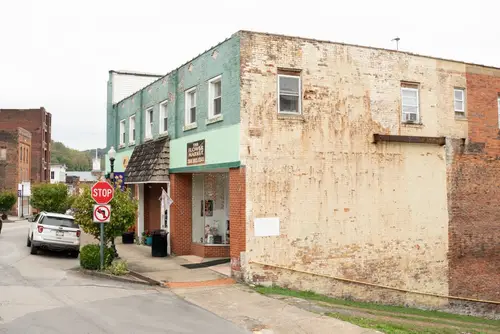
For generations, coal towns in states like West Virginia felt permanent to the families who lived there. Jobs were passed down, and communities were tightly knit around the industry. As coal production declined, employment opportunities dried up. Younger residents found fewer reasons to stay.
Schools and local businesses struggled as populations shrank. Many people left reluctantly, not eagerly. The sense of home remained strong even as economic reality pushed them away. Forever ended not with a bang, but with a slow fade.
11. Alaska
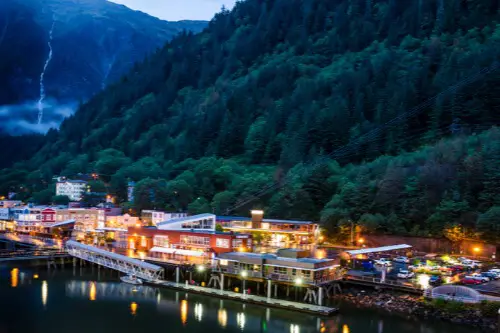
Alaska attracts people seeking adventure, independence, and wide-open space. Many arrivals believe they’ve finally found a place they’ll never outgrow. The harsh climate and isolation become harder over time for some residents. Long winters and limited services take a real toll.
Economic swings tied to oil and resource industries also affect stability. Job markets can change quickly, leaving fewer options in remote areas. Some residents realize they miss access to healthcare, family, or diverse careers. Alaska remains beloved, but forever isn’t always practical.
This post Places Americans Thought Would Be Their Forever Home was first published on American Charm.

