
1. Barcelona, Spain
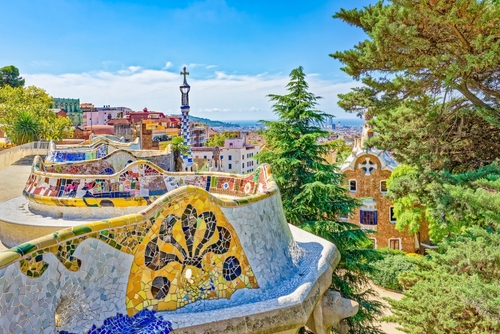
Barcelona often comes up in conversations about escaping the American grind. The Mediterranean beaches, Gaudí architecture, and lively street life make it feel exciting and relaxed at the same time. The city’s café culture and late-night dining scene appeal to people who want a different rhythm of life. It also has a reputation as one of Europe’s more vibrant cultural hubs.
Yet moving there permanently is not always easy. Spain’s job market can be challenging, especially for foreigners without specialized skills or remote income. Housing costs in popular neighborhoods have climbed significantly in recent years. Between visas, language differences, and economic realities, many Americans end up visiting Barcelona rather than relocating.
2. Costa Rica

Costa Rica has been an American relocation fantasy for decades, especially for retirees. The country is famous for its biodiversity, national parks, and laid-back “pura vida” lifestyle that appeals to people burned out on fast-paced U.S. culture. It’s also relatively close to the United States geographically, which makes visits and family travel easier. Stories about expat communities and beach towns fuel the idea that it’s an easy place to start over.
In reality, moving there requires more planning than many people expect. Popular expat areas like Tamarindo and the Central Valley have become far more expensive than newcomers assume. Navigating residency permits, healthcare systems, and property rules can also take time. Many Americans ultimately decide they’d rather visit Costa Rica regularly than permanently relocate.
3. Paris, France

Paris holds a near-mythical place in the American imagination. People picture café culture, strolls along the Seine, and weekends exploring museums and bakeries. The city’s global reputation for art, food, and romance makes it one of the most commonly fantasized-about places to live. Plenty of Americans also imagine writing a novel or reinventing their lives there.
Daily life in Paris, though, isn’t always the cinematic dream people picture. The cost of living is high, especially when it comes to apartments in central neighborhoods. French bureaucracy and strict residency rules can also surprise newcomers. For most Americans, Paris remains a place they adore visiting rather than a realistic long-term move.
4. Vancouver, Canada
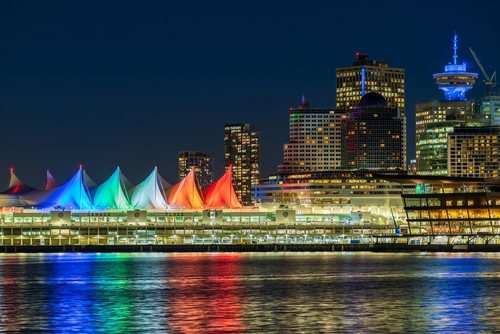
Vancouver gets a lot of attention from Americans who want city life surrounded by nature. Mountains, ocean views, and easy access to skiing and hiking give it an outdoorsy appeal that feels almost unbeatable. The city also has a reputation for safety, public transit, and progressive policies. For Americans wanting something culturally familiar but slightly different, Vancouver seems ideal.
The catch is that it’s one of the most expensive housing markets in North America. Home prices and rents have risen dramatically, making relocation difficult even for locals. Immigration rules can also be more complicated than people expect when they first float the idea of moving north. As a result, Vancouver stays a frequent “what if” destination rather than a completed move.
5. Tokyo, Japan
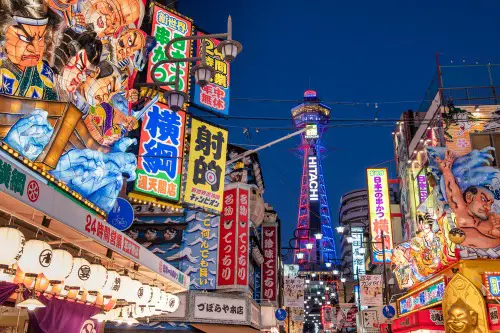
Tokyo fascinates Americans who are drawn to its mix of tradition and ultra-modern life. The city is known for incredible food, efficient public transit, and a level of safety that surprises many visitors. Pop culture—from anime to technology—also fuels curiosity about what everyday life might be like there. For some Americans, Tokyo represents a chance to live somewhere radically different.
Actually relocating is another story. Language barriers can make daily life and paperwork challenging for newcomers who don’t speak Japanese. Work visas typically require employer sponsorship, which narrows the options considerably. Tokyo’s intense work culture also differs from what many Americans expect, making the move less simple than the fantasy suggests.
6. Florence, Italy
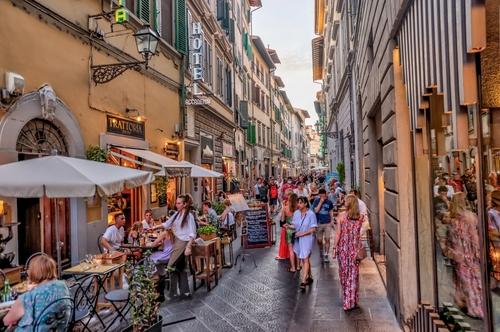
Florence is a classic “move abroad” fantasy for Americans who love art, history, and Italian food. The city’s Renaissance architecture, walkable streets, and famous museums create a postcard-perfect setting. It’s easy to imagine mornings with espresso and evenings wandering through centuries-old piazzas. For many people, Florence symbolizes a slower and more meaningful lifestyle.
However, living there long-term can be complicated. Italy’s bureaucracy is famously slow, and securing residency or long-term visas takes patience. Tourism also dominates the city center, which can make everyday life crowded and expensive. For most Americans, Florence works better as a place to study abroad, spend a few months, or take extended vacations.
7. Lisbon, Portugal
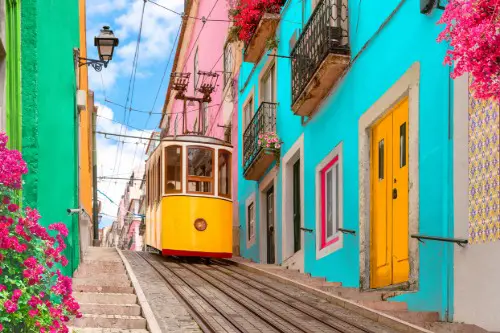
Lisbon shows up constantly in American daydreams about moving abroad, especially among remote workers and retirees. The city has mild weather most of the year, coastal scenery, and a slower rhythm than many big U.S. metros. Americans also hear about Portugal’s residency options that historically welcomed foreign income earners and retirees, which made the idea feel attainable. Walkable hills, colorful buildings, and famous viewpoints over the Atlantic only add to the fantasy.
But moving there is usually harder than people expect. Housing prices in Lisbon have risen sharply over the past decade, partly due to international demand and tourism. Salaries in Portugal are also significantly lower than in the U.S., which complicates things for anyone who isn’t working remotely. Between visa paperwork, language barriers, and the logistics of relocating overseas, many Americans keep Lisbon on the dream list rather than making the leap.
8. Amsterdam, Netherlands
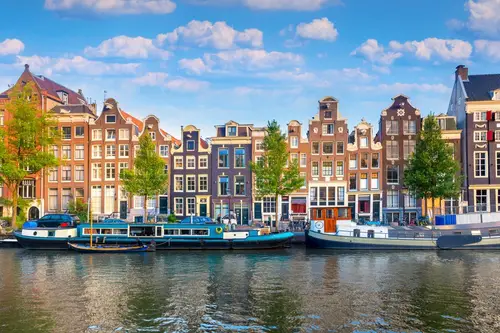
Amsterdam attracts Americans who love the idea of a bike-friendly, canal-lined city. The Netherlands consistently ranks high for quality of life, public transportation, and urban planning. Americans also hear about international companies and English-speaking workplaces, which makes relocation seem plausible. The city’s compact layout and historic charm add to the appeal.
But Amsterdam is currently dealing with a serious housing shortage. Apartments can be difficult to find, and prices are extremely high for such a small city. Immigration requirements also depend heavily on employment sponsorship or specialized visas. Many Americans admire Amsterdam’s lifestyle but discover the logistics of moving there are tougher than expected.
9. Auckland, New Zealand
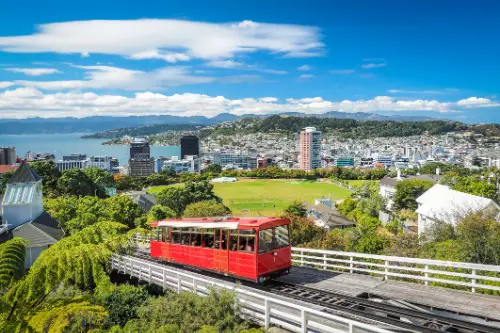
Auckland regularly appears in conversations about escaping hectic American life. The country is known for dramatic landscapes, outdoor recreation, and a reputation for friendliness. Auckland itself offers a large harbor, beaches, and a multicultural population. For Americans dreaming about a quieter life surrounded by nature, it sounds almost perfect.
The reality is that New Zealand is geographically far from the United States, which makes relocation a major life shift. Flights home are long and expensive, and immigration policies can be selective about who qualifies for residency. The cost of living in Auckland has also risen significantly over the past decade. Those factors often keep the idea in the “someday” category.
10. Edinburgh, Scotland
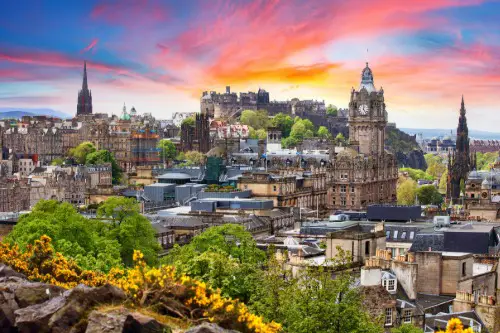
Edinburgh draws Americans who love historic cities with a literary vibe. The medieval Old Town, hilltop castle, and famous arts festivals create a romantic image. It’s also English-speaking, which removes one of the biggest barriers people worry about when moving abroad. The city’s academic culture and walkability add to the appeal.
But actually settling there can be difficult. The United Kingdom’s immigration rules can be strict without a job offer or specialized visa. Housing costs in central Edinburgh have also climbed due to tourism and limited supply. Many Americans visit during the festivals and briefly imagine staying forever, but most eventually head home.
11. Reykjavik, Iceland
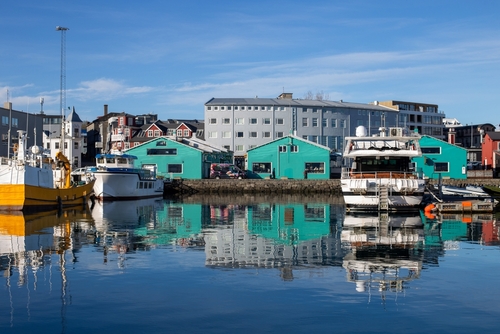
Reykjavik captures attention because it feels like living on the edge of the natural world. Iceland’s waterfalls, volcanoes, glaciers, and northern lights create a landscape that seems almost unreal. Reykjavik itself is small, colorful, and known for a creative arts scene. Americans drawn to dramatic nature often imagine building a quieter life there.
However, Iceland has one of the highest costs of living in Europe. Everyday expenses like groceries, dining out, and housing can surprise newcomers. The job market is also relatively small, and work permits are not always easy to obtain. Those realities make Reykjavik a dream destination that few Americans ultimately move to.
12. Copenhagen, Denmark
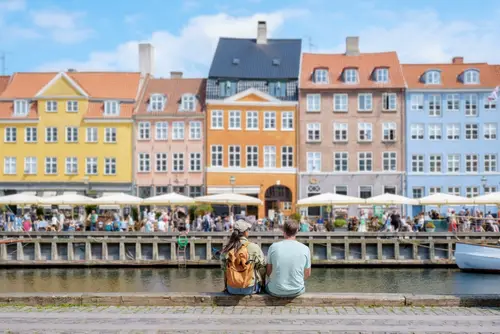
Copenhagen is often admired for its high quality of life and strong social systems. The city is known for bike lanes, clean public spaces, and a focus on work-life balance. Americans also hear about Denmark’s reputation as one of the world’s happiest countries. That combination makes Copenhagen sound like a place where daily life might simply function better.
The flip side is that Denmark is expensive, especially for housing and dining out. Taxes are also significantly higher than in the United States, which can surprise newcomers. Immigration rules require specific job opportunities or eligibility programs. As appealing as Copenhagen looks from afar, most Americans end up enjoying it as a visitor.
13. Mexico City, Mexico

Mexico City has become a major topic among Americans interested in living abroad. The city offers world-class food, vibrant neighborhoods, and a huge cultural scene with museums, parks, and historic sites. It’s also relatively close to the United States compared to many other international relocation fantasies. For remote workers especially, it can seem like an exciting and accessible option.
At the same time, adjusting to a megacity of more than 20 million people can be overwhelming. Traffic, air pollution, and the sheer scale of the city take some getting used to. Navigating visas, healthcare, and long-term housing requires research and patience. As a result, many Americans try living there temporarily rather than committing to a permanent move.
14. Zurich, Switzerland
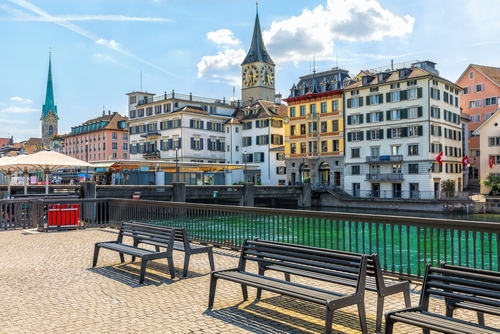
Zurich attracts Americans who are drawn to its reputation for efficiency and stunning surroundings. The city sits on a lake with the Alps nearby, offering easy access to hiking and skiing. Switzerland is also known for safety, strong infrastructure, and high living standards. On paper, Zurich can sound like the ultimate well-run city.
But Switzerland has strict immigration policies for non-European residents. The cost of living is among the highest in the world, with especially steep rents and everyday expenses. Many jobs also require fluency in German. Those barriers keep Zurich high on the fantasy list but relatively rare as an actual destination for Americans.
15. Bali, Indonesia

Bali has become synonymous with the digital nomad dream. Social media is full of images of tropical beaches, jungle villas, and laptop-friendly cafés. The island’s spirituality, yoga culture, and creative communities add to its reputation as a place for reinvention. For Americans tired of expensive cities, Bali can seem like a place where life might be simpler.
Living there long-term, though, requires navigating Indonesia’s visa system and changing regulations. Infrastructure challenges, including traffic and healthcare access, can also surprise newcomers. Cultural differences and distance from the United States can make the transition harder than expected. For many Americans, Bali ends up being an extended stay rather than a permanent move.
This post 15 Places Americans Keep Talking About Moving To—But Rarely Do was first published on American Charm.

