
1. Roswell
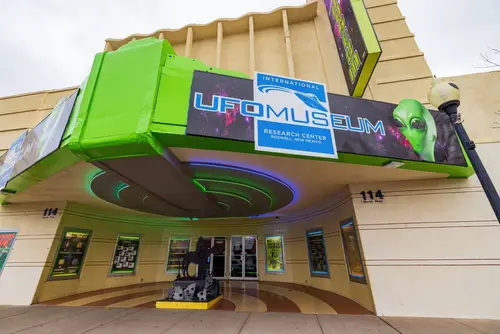
Roswell was just another quiet desert town until a 1947 incident turned it into the UFO capital of America. Debris from a crashed military balloon was recovered nearby, but early confusion and military secrecy fueled alien theories. The story snowballed for decades through books, documentaries, and conspiracy culture. Today, the town fully embraces the mystery with alien museums, festivals, and UFO-themed street décor.
It’s famous not for what was proven, but for what people believe might have happened. That uncertainty became its brand and a major tourism driver. Visitors arrive hoping to experience something otherworldly. Few places owe their fame so completely to a lingering question mark.
2. Centralia
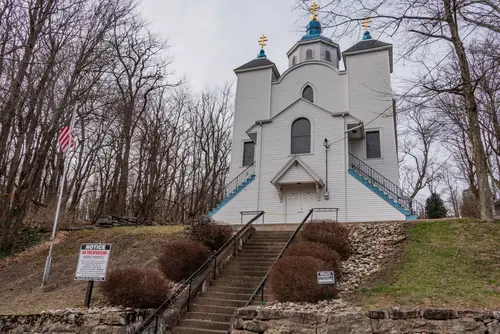
Centralia looks like a ghost town because, in many ways, it is one. An underground coal mine fire ignited in 1962 and has been burning beneath the town ever since. Toxic gases and the risk of sinkholes made the area unsafe for residents. Over time, nearly everyone relocated and most buildings were torn down.
What remains is an eerie landscape of cracked pavement and smoke seeping from the ground. The near-abandoned town became an accidental stop for urban explorers and photographers. Its atmosphere helped inspire parts of the horror franchise Silent Hill. Centralia is famous because the disaster never truly ended—it just keeps smoldering underground.
3. Salem
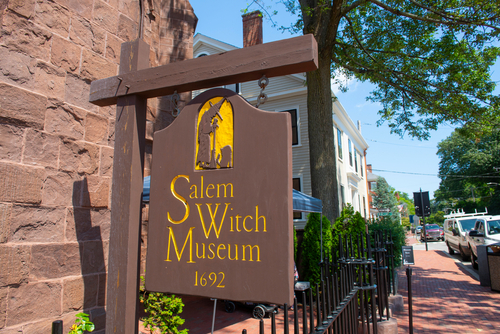
Salem’s worldwide reputation comes from a brief and tragic episode in 1692. A wave of fear led to witchcraft accusations, trials, and executions that later became a symbol of mass hysteria. The events lasted only about a year but left a permanent historical scar. Centuries later, that history defines the city’s identity.
Today, Salem leans into the legacy with museums, walking tours, and Halloween events. Visitors come for spooky vibes mixed with early American history. It’s unusual for a place to be so defined by a short-lived moral panic. One intense year turned into more than three centuries of notoriety.
4. Winslow
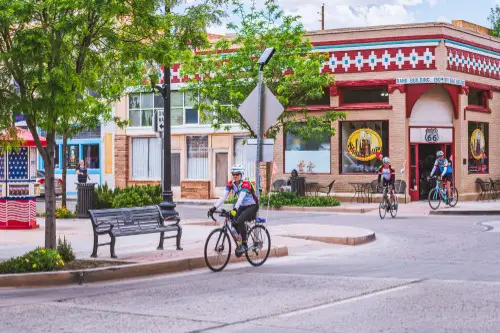
Winslow might have remained a quiet Route 66 stop if not for a single song lyric. In 1972, Eagles mentioned “standing on a corner in Winslow, Arizona” in their hit Take It Easy. That one line put the town on the cultural map. Fans began stopping just to recreate the moment.
The city eventually built a park and mural to honor the lyric. Tourists now pose on the famous corner with guitars and selfies. It’s a rare case where pop music geography reshaped a real place. A passing reference became a permanent landmark.
5. Punxsutawney
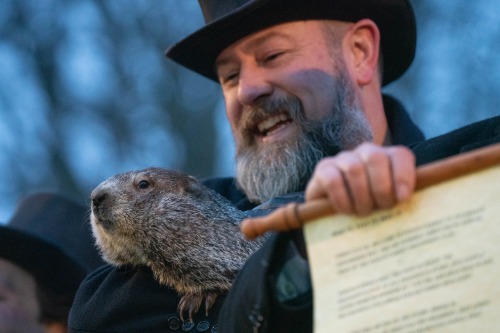
Punxsutawney is known worldwide for a weather prediction tradition involving a groundhog. Every February 2nd, crowds gather for Groundhog Day festivities centered on a marmot named Punxsutawney Phil. If he sees his shadow, legend says winter will last six more weeks. The ritual dates back to the late 1800s.
The quirky tradition might have stayed regional if not for Hollywood. The 1993 film Groundhog Day made the ceremony internationally famous. Fans now travel from around the world for a rodent’s “forecast.” It’s small-town pageantry turned pop-culture pilgrimage.
6. Wall
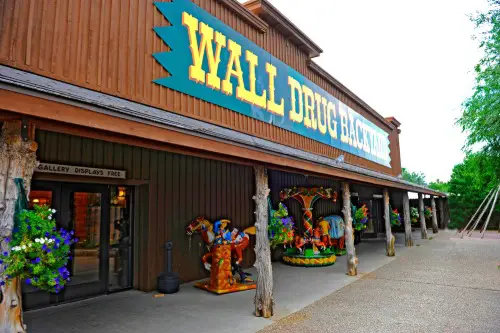
Wall became famous thanks to free ice water. During the Great Depression, a local drugstore owner advertised free water to lure road-tripping customers. Billboards multiplied along highways for hundreds of miles. The simple promotion worked astonishingly well.
That store grew into Wall Drug, now a massive roadside attraction. It includes restaurants, shops, and photo ops with giant statues. Travelers still stop because the signs feel impossible to ignore. A marketing gimmick turned into a destination.
7. Cooperstown
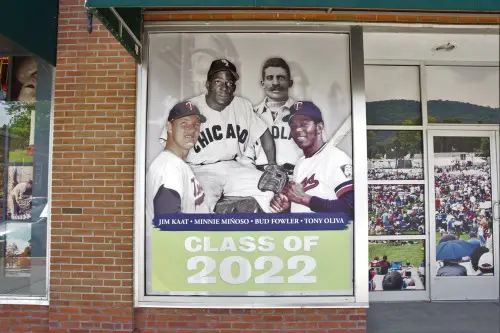
Cooperstown’s fame is tied to a baseball origin story that likely isn’t true. A long-accepted legend claimed Abner Doubleday invented baseball there in 1839. Historians later debunked the story, but the myth had already taken root. The town became synonymous with America’s pastime anyway.
It is now home to the National Baseball Hall of Fame and Museum. Fans visit to celebrate baseball history, legends, and memorabilia. The sport’s spiritual home grew from a misunderstanding. Sometimes a good story matters more than strict accuracy.
8. Area 51
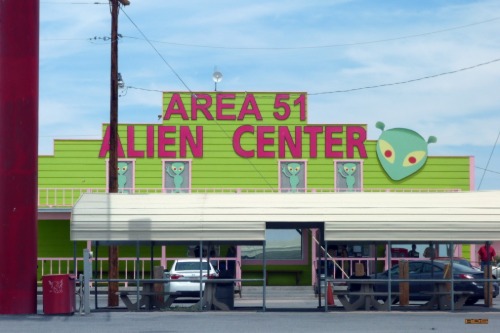
Area 51 is a highly classified U.S. Air Force facility in the Nevada desert. For decades, the government barely acknowledged its existence. Secrecy surrounding experimental aircraft testing fueled intense speculation. Alien and UFO theories filled the information vacuum.
The base became a pop-culture icon of government mystery. Roadside businesses and tours now cater to curious travelers. In 2019, a viral “Storm Area 51” joke drew global attention. A secret airbase became shorthand for extraterrestrial conspiracy.
9. Sleepy Hollow
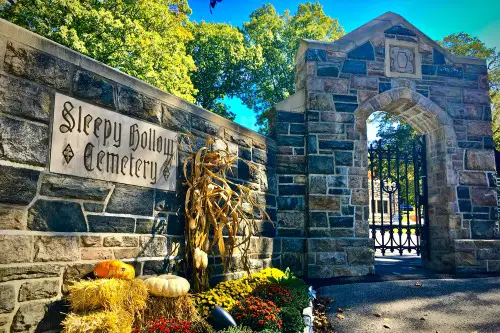
Sleepy Hollow owes its fame to a spooky piece of early American fiction. Washington Irving set his 1820 story The Legend of Sleepy Hollow in the area. The tale of the Headless Horseman became a Halloween classic. Fiction permanently branded the real village.
The town embraces its literary fame with themed tours and festivals. Visitors explore cemeteries and historic sites tied to the story. It’s a place where imagination reshaped geography. A ghost story turned into civic identity.
10. Leavenworth
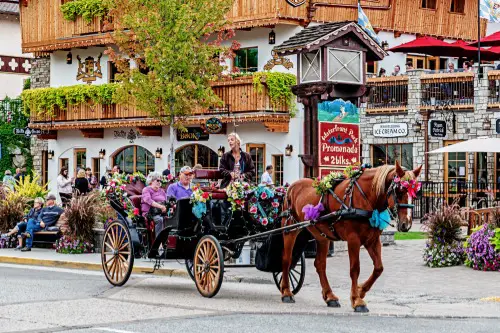
Leavenworth wasn’t always a Bavarian-style alpine village. In the 1960s, the struggling logging town reinvented itself through themed architecture. Buildings were remodeled to resemble a German mountain town. The makeover was a deliberate tourism strategy.
The gamble worked beyond expectations. Festivals, bratwurst, and beer gardens now draw visitors year-round. Snowy winters make the setting feel convincingly European. Reinvention turned an economic slump into a cultural attraction.
11. Monowi
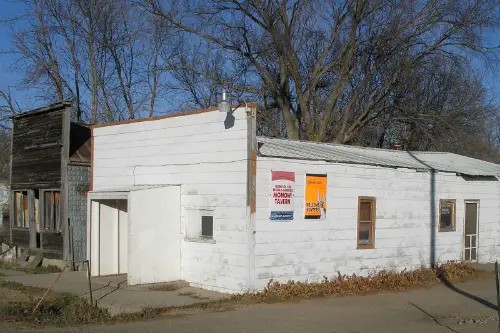
Monowi is famous for having just one resident. After her husband passed away, Elsie Eiler became the village’s sole inhabitant. She serves as mayor, clerk, and librarian. The population sign reading “1” became an oddity travelers love.
Visitors stop to meet her and grab a meal at the local tavern she runs. The tiny public library is dedicated to her late husband. It’s a living example of rural depopulation. One person keeps an entire town officially alive.
12. Truth or Consequences
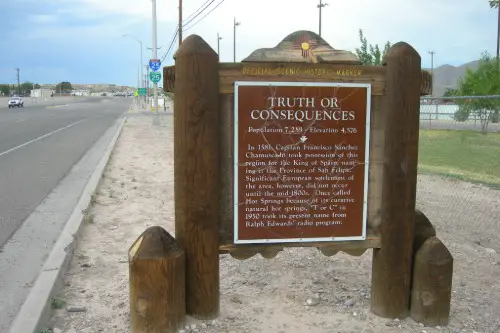
This town changed its name because of a radio show. In 1950, host Ralph Edwards promised to broadcast from any town that adopted his program’s title. The community voted yes and renamed itself. It was originally called Hot Springs.
The publicity stunt worked immediately. The show aired there for years, cementing the unusual name. Road-trippers still stop for photos with the signs. A marketing gamble reshaped the map.
13. Boring
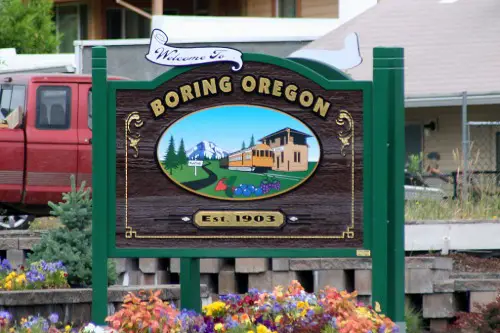
Boring’s name sounds like a punchline, but it comes from an early homesteader family. The contrast between name and reality amused travelers. Road signs became popular photo stops. The town leaned into the joke.
It later partnered with Dull to form a “Boring and Dull” sister-city pairing. The playful alliance drew international media coverage. Merchandise and tourism followed. An unfortunate name became a branding win.
14. Forks
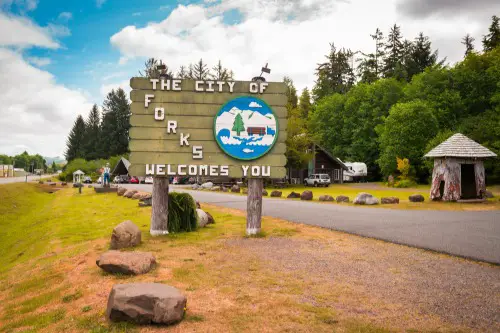
Forks was a quiet logging town before vampire fiction arrived. Stephenie Meyer set the Twilight saga there in the 2000s. The rainy setting matched the story’s moody tone. Fans soon flocked to see Bella and Edward’s hometown.
Local businesses embraced the fandom with themed tours and souvenirs. Film adaptations amplified the tourism boom. The town’s economy shifted toward pop-culture travel. Paranormal romance put Forks on the global map.
15. Woodstock
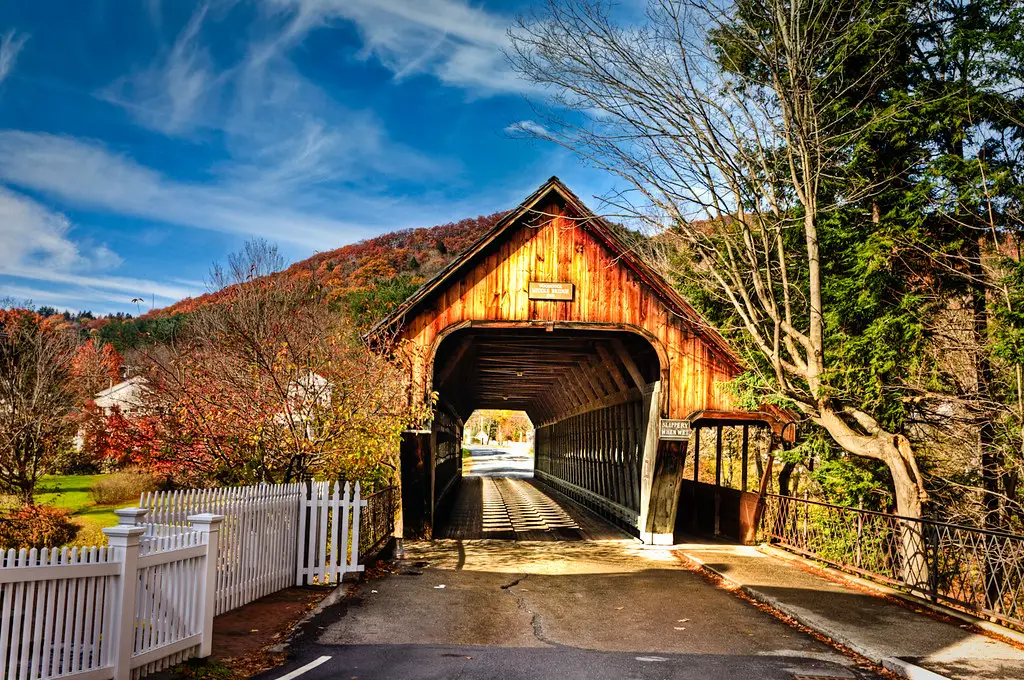
Woodstock is synonymous with a legendary 1969 music festival. The twist is that the event didn’t actually happen there. The concert took place about 60 miles away in Bethel. Organizers kept the Woodstock name because it sounded better.
Even so, the town absorbed the cultural association. Visitors arrive expecting counterculture history and music vibes. Shops and venues celebrate the festival’s legacy. Fame stuck to the name, not the map.
This post 15 Places Across America That Became Famous for Completely Unexpected Reasons was first published on American Charm.

