
1. Phoenix, Arizona
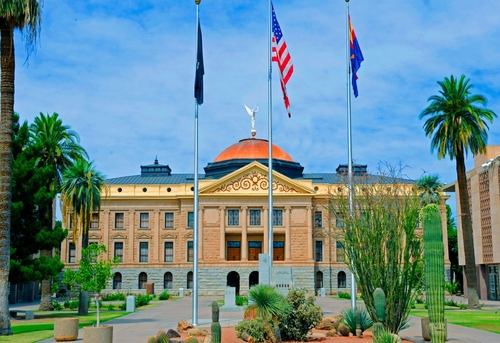
Phoenix promises sun and affordability compared to coastal cities, but it has hidden challenges. Summer heat can exceed 110°F, making outdoor activities difficult. Rent and housing prices have been climbing rapidly in recent years. Utilities, especially cooling costs, can be surprisingly high.
Transportation and commuting are also challenging. Public transit is limited, so owning a car is almost essential. Traffic congestion has worsened as the city expands. Many residents realize that the desert lifestyle requires adaptation and planning.
2. New York City, New York
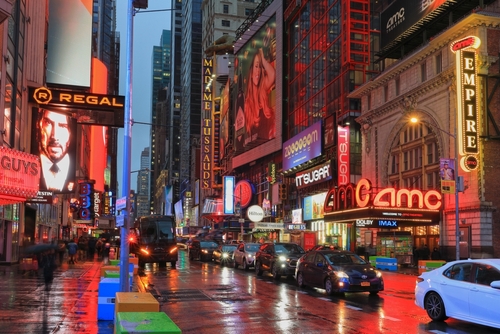
People move to New York thinking opportunity is endless, but the city is expensive and exhausting. Rent is astronomical, even for tiny apartments, and the competition for jobs is fierce. A well-paying position can disappear as quickly as it’s offered, leaving people stressed. Everyday expenses—from groceries to subway fares—can make even a decent salary feel insufficient.
Beyond finances, the pace of life is relentless. Crowded subways, noisy streets, and high social expectations can wear newcomers down. Finding quiet time or personal space is difficult. Many discover that the city’s excitement comes at a steep personal and financial cost.
3. Los Angeles, California

LA promises sunshine, opportunity, and Hollywood glamour, but daily life is challenging. Commuting can take hours because traffic is notoriously bad. Housing is expensive, and even middle-class salaries often feel stretched thin. The sprawling layout of the city makes it hard to feel a sense of community.
The social culture can add pressure too. Networking and appearances often feel like a full-time job. Even fun activities like dining out or hitting the beach can get pricey. Many residents find themselves working hard to sustain a lifestyle that initially drew them in.
4. Chicago, Illinois
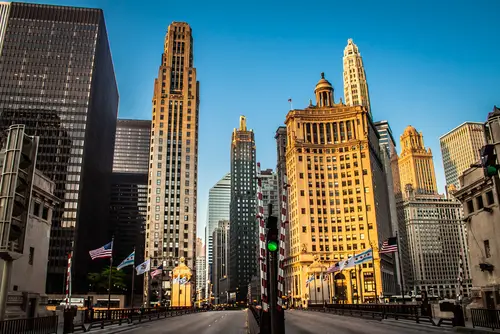
Chicago offers big-city energy and culture, but life there comes with real hurdles. Winters are brutally cold, and snowstorms can disrupt commuting and daily routines. Rent and property taxes are high relative to local wages. Public safety can be a concern in certain neighborhoods, adding stress.
Even enjoying the city takes effort. The cost of dining, nightlife, and attractions adds up quickly. Traffic congestion complicates getting around. Many newcomers realize that the allure of Chicago’s cultural scene comes with serious lifestyle trade-offs.
5. Boston, Massachusetts
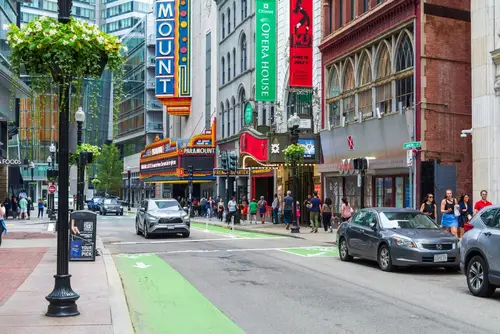
Boston’s history, universities, and career prospects attract thousands each year, but living costs are steep. Rent is high, especially near downtown and the university districts. Utilities, groceries, and commuting expenses add up quickly. Even those with strong salaries may struggle to save.
Commuting is another stressor. Traffic is heavy, public transport can be inconsistent, and winters make travel challenging. The pace of life can feel relentless, especially in professional circles. Many find Boston’s charm comes with constant pressure and expense.
6. Seattle, Washington
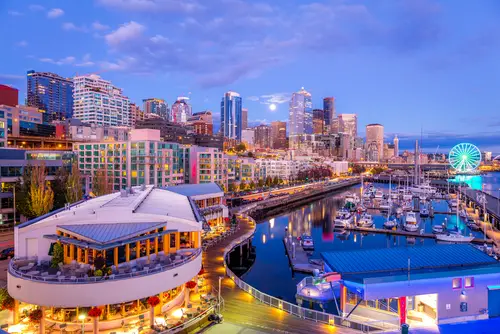
Seattle is known for coffee, tech jobs, and stunning scenery, but life isn’t always easy. Rent has skyrocketed in recent years, and the cost of living is high across the board. Even with a decent salary, many residents feel stretched financially. Jobs in tech and service sectors are competitive, adding stress.
Weather is also a factor. Long stretches of rain and cloudy skies can affect mood and outdoor activity. Traffic congestion is common, and public transportation doesn’t cover all neighborhoods well. The city’s reputation for quality of life can feel misleading when practical challenges accumulate.
7. Miami, Florida
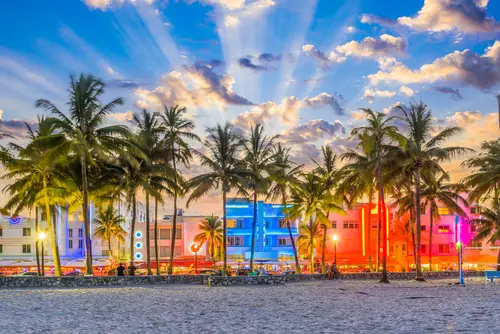
Miami offers beaches, nightlife, and warm weather, but it comes with hidden challenges. Hurricane risks, rising insurance costs, and flooding are constant concerns. Rent and home prices are high in desirable areas. Traffic congestion can make commuting and daily errands stressful.
Daily life also carries financial pressures. Groceries, dining, and entertainment can be more expensive than expected. Noise and tourist crowds add to the city’s intensity. Many newcomers find the sunny paradise comes with unpredictable and costly realities.
8. Austin, Texas
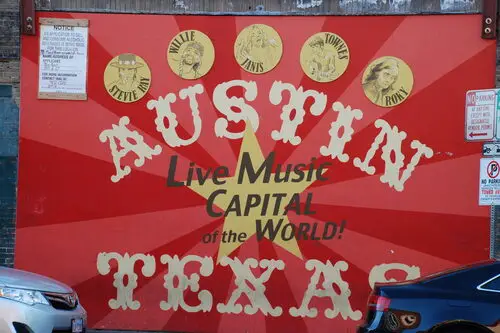
Austin has been a magnet for young professionals and creatives, but it’s not all easy living. The city’s rapid growth has driven housing prices up sharply. Traffic congestion is worsening, and commuting times have increased. Even once-affordable neighborhoods are now expensive.
The culture is vibrant, but lifestyle costs add up quickly. Dining out, live music, and entertainment can strain budgets. Some residents feel squeezed despite good salaries. Austin’s “hip” reputation doesn’t always translate to practical ease.
9. Denver, Colorado
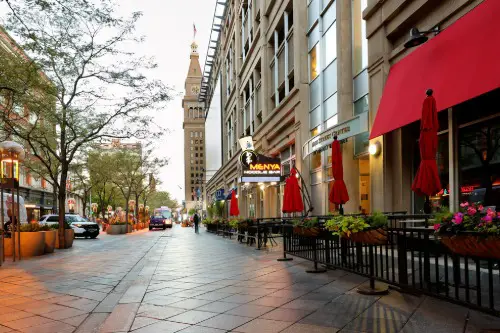
Denver draws people with outdoor adventures and a booming job market, but life there has challenges. Housing prices have surged, especially near downtown and ski destinations. Commuting can be difficult, with traffic increasing as the city grows. Everyday expenses are higher than many anticipate.
The city’s lifestyle expectations can also be taxing. Ski trips, hikes, and recreational activities often require time and money. Winters bring snow and icy roads, complicating routines. Denver’s image as a laid-back mountain city doesn’t always match day-to-day realities.
10. Portland, Oregon
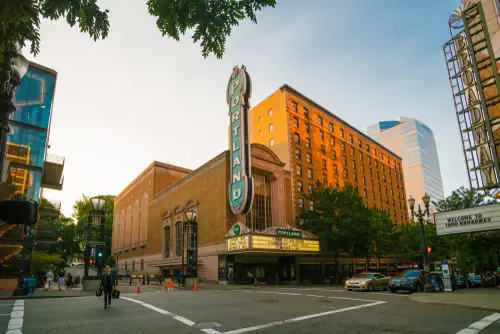
Portland’s reputation for culture, coffee, and greenery attracts newcomers seeking an easier pace, but reality can be tricky. Housing prices are rising steadily, particularly in trendy neighborhoods. Public transit is decent but limited, making car ownership almost mandatory. Groceries, utilities, and services are pricier than expected.
Weather is another factor. Frequent rain and gray skies can make daily life feel gloomy. Traffic and road construction can slow commuting. Many newcomers realize that the city’s quirky charm comes with financial and logistical challenges.
11. Minneapolis, Minnesota
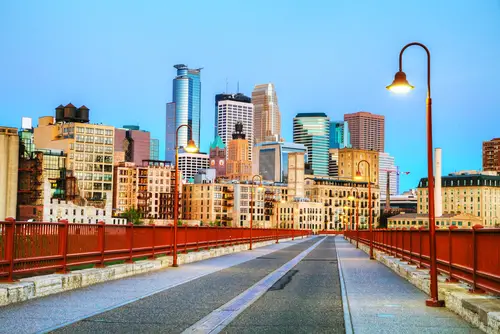
Minneapolis offers parks, lakes, and a reputation for quality of life, but winters are harsh. Cold, snow, and ice can make commuting and outdoor activity difficult for months. Housing and utility costs can be high in desirable neighborhoods. Even daily errands may require more planning than expected.
The city also has urban stressors. Traffic, parking shortages, and occasional crime concerns can add pressure. Social and recreational costs add up too. Many find that the initial appeal of lakes and green spaces doesn’t automatically translate to a low-stress lifestyle.
12. Nashville, Tennessee
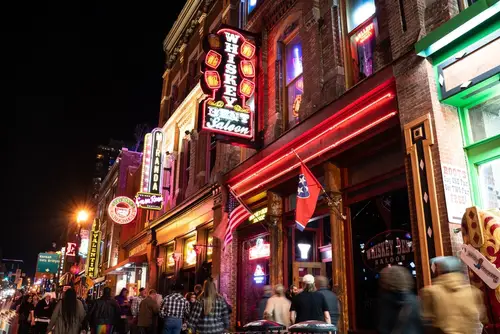
Nashville attracts music lovers and young professionals, but it’s not always simple living. Housing demand has spiked with the city’s growth, making rent and home prices climb quickly. Traffic congestion is increasing as neighborhoods expand. Job competition is strong in creative industries.
Daily life carries financial and logistical hurdles. Dining out, concerts, and entertainment can become expensive fast. Infrastructure strain is noticeable in rapidly growing areas. Many newcomers find the city vibrant yet more demanding than expected.
13. San Francisco, California

San Francisco’s tech scene and scenic views attract dreamers, but affordability is a nightmare. Rent for a one-bedroom apartment can exceed a mortgage in other states. Grocery bills, services, and commuting all carry hefty price tags. Many residents work long hours just to keep their heads above water.
The city’s culture and social life aren’t always a relief either. Socializing often requires extra money and time, while traffic congestion is constant. Public transport is better than in many cities but still crowded and unreliable. For newcomers, the glamorous tech city can quickly feel like a financial treadmill.
14. Washington, D.C.
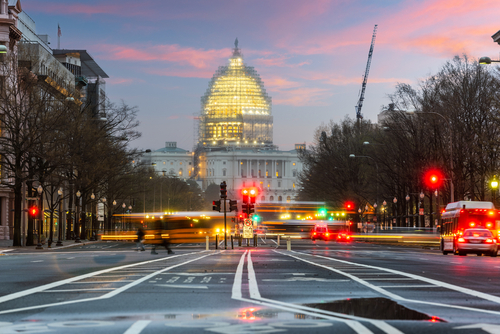
Washington, D.C., offers politics, history, and professional opportunity, but the city comes with real pressures. Rent and property costs are high, especially in sought-after neighborhoods. Commuting by Metro can be crowded and occasionally unreliable. Daily expenses, from groceries to dining, can be steep.
The social and professional culture adds stress. Networking, political events, and career pressures can dominate schedules. Security concerns and political unrest can affect daily life. Many newcomers find that D.C.’s prestige doesn’t make life automatically easier.
15. Charlotte, North Carolina
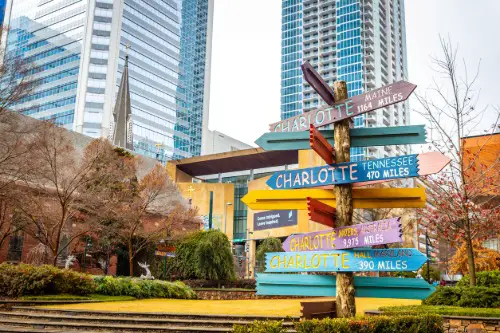
Charlotte attracts people with jobs, southern charm, and a lower cost of living—but even here, life can be tough. Housing prices have been rising rapidly, especially near city centers. Commuting is car-dependent and traffic is increasing. Daily expenses, from utilities to groceries, are higher than some newcomers expect.
The city’s growth also brings other pressures. Schools, healthcare, and services are strained in rapidly expanding neighborhoods. Social and professional networks may take time to establish. Charlotte can feel like a city in transition rather than an effortless lifestyle upgrade.
This post People Thought Life Would Get Easier in These 15 Cities—It Didn’t was first published on American Charm.

