
1. Rural Alaska
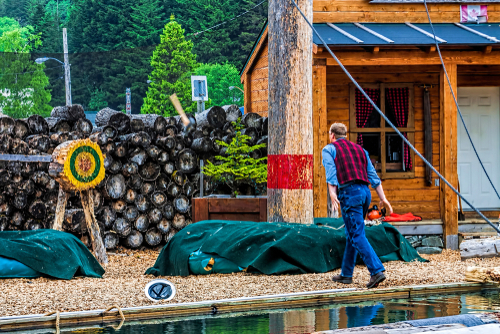
Rural Alaska offers breathtaking landscapes but comes with serious trade-offs. The cost of living is extremely high due to shipping and supply constraints. Groceries, fuel, and building materials often cost far more than in the Lower 48. This makes budgeting difficult for newcomers.
Isolation is another major factor. Travel between communities often requires planes or boats. Access to healthcare and specialized services can be limited. For many Americans, the lifestyle feels too demanding.
2. New York City, New York

New York City remains a dream destination, but many Americans are choosing not to act on that dream. Rent increases have outpaced wage growth in many neighborhoods, including areas once considered affordable. Childcare, transportation, and groceries cost far more than the national average. Even long-time residents are reassessing whether staying makes financial sense.
There’s also a lingering sense of burnout after the pandemic years. Remote and hybrid work mean fewer people need to tolerate a long commute or small apartment. Some feel the city’s energy hasn’t fully rebounded enough to justify the expense. For newcomers, the barrier to entry feels higher than ever.
3. Los Angeles, California
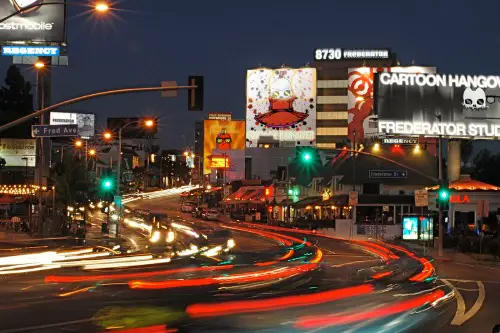
Los Angeles continues to struggle with housing affordability, and that’s a major deterrent. Buying a home is out of reach for many, and rents remain high across most of the metro area. Traffic congestion adds daily stress that remote work has made easier to avoid elsewhere. Homelessness and public safety concerns also factor into relocation decisions.
Climate issues play a role too, especially wildfire risk. Smoke-filled summers and evacuation warnings are no longer rare events. Insurance availability in fire-prone areas has become a serious concern. For many people, the lifestyle perks no longer outweigh the logistical headaches.
4. South Florida (Miami–Fort Lauderdale Area)
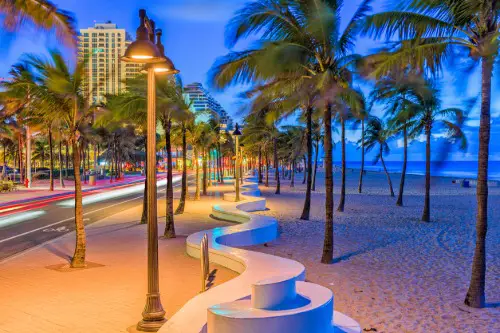
South Florida experienced a major population surge, but interest has started to cool. Rising home insurance costs are a major reason, particularly in coastal and flood-prone areas. Several insurers have reduced coverage or exited the market entirely. For homeowners, that adds uncertainty to long-term affordability.
Flooding and sea-level rise are increasingly part of everyday life. Some neighborhoods experience flooding even without major storms. Hurricanes remain a known risk, but rebuilding costs continue to climb. As a result, many Americans are choosing inland alternatives.
5. Phoenix, Arizona
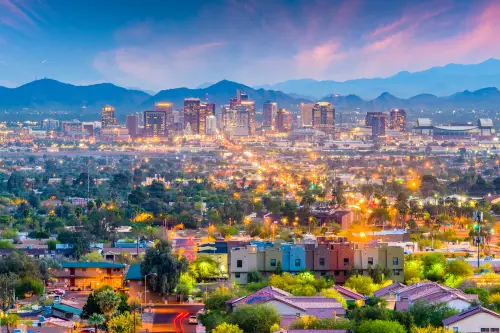
Phoenix has attracted new residents for years, but extreme heat is making people reconsider. Summers now routinely include long stretches above 110 degrees. This affects everything from outdoor activity to energy bills. For families and older residents, the heat can feel limiting rather than appealing.
Water supply concerns also weigh heavily on decision-making. The ongoing drought in the Southwest has raised questions about long-term sustainability. While city leaders emphasize conservation planning, uncertainty remains. Some movers prefer regions with fewer environmental stressors.
6. Las Vegas, Nevada

Las Vegas draws interest with no state income tax and steady job growth. However, its desert location creates long-term concerns. Water dependence on the Colorado River is a frequent topic of discussion. Conservation measures help, but future supply remains uncertain.
Extreme heat is another drawback. Summer temperatures can make outdoor life uncomfortable for months. Cooling costs rise quickly, especially in larger homes. For many Americans, the climate trade-off feels too severe.
7. New Orleans, Louisiana
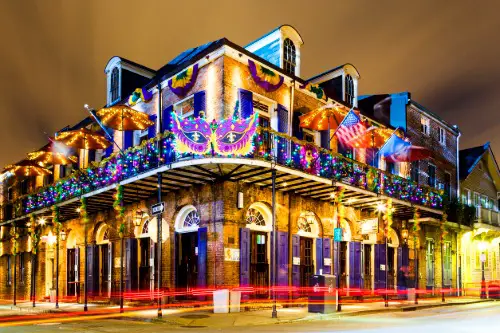
New Orleans offers unmatched culture, but practical challenges give people pause. Hurricanes and flooding drive up insurance costs and complicate homeownership. Infrastructure issues, including drainage and road conditions, remain ongoing concerns. Power outages after storms can last days or longer.
Rebuilding after storms creates financial strain for residents. Some feel caught in a recurring cycle of recovery. Job opportunities outside tourism and hospitality are limited. These realities make the city less appealing to newcomers.
8. Houston, Texas
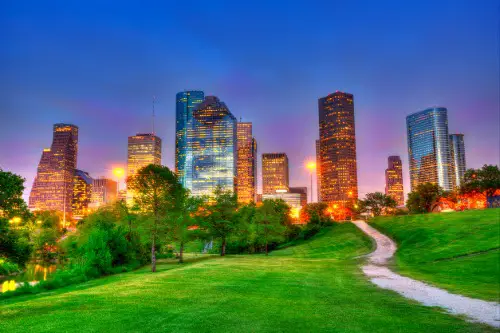
Houston provides strong job growth and relatively affordable housing. However, flooding risk has become a major concern. Heavy rainfall events are increasingly frequent and severe. Even homes outside designated flood zones have experienced damage.
Traffic congestion also affects daily life. Long commutes are common across the sprawling metro area. Summers bring intense heat and humidity that rival other Southern cities. Together, these factors make some movers hesitate.
9. Mississippi Delta Region
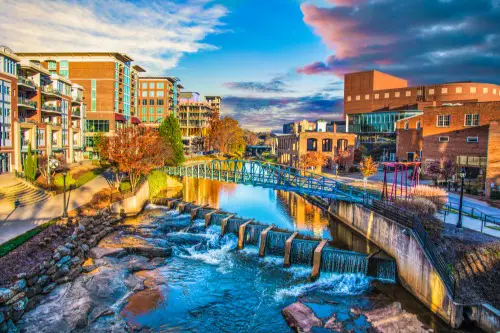
The Mississippi Delta faces long-standing economic challenges. Job opportunities are limited in many rural communities. Access to healthcare often requires long travel distances. These issues make the region difficult for newcomers seeking stability.
Poverty rates remain significantly higher than the national average. Educational resources vary widely by county. Younger residents often leave in search of better opportunities. As a result, population growth remains slow.
10. Central Appalachia (Eastern Kentucky and West Virginia)
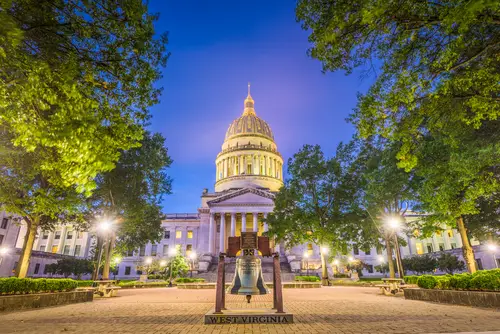
Central Appalachia has struggled with the decline of coal-related jobs. Economic diversification has been uneven across the region. Substance abuse and related health issues continue to affect many communities. These challenges shape outside perceptions and migration trends.
Infrastructure can also be inconsistent. Broadband access remains limited in some rural areas. That makes remote work harder than in other regions. Healthcare access can be sparse outside larger towns.
11. San Francisco Bay Area, California

For a lot of Americans, the Bay Area has become shorthand for sticker shock. Housing costs remain among the highest in the country, even after recent price softening. Office vacancies and remote work have also changed the feel of downtown San Francisco in ways that make newcomers hesitant. Concerns about property crime and quality-of-life issues are frequently cited by people considering a move.
People aren’t saying the Bay Area lacks opportunity, because it still does in tech and biotech. What they are saying is that the trade-offs feel steeper than they used to. High state taxes combined with everyday costs make saving money difficult for middle-income households. For families especially, the math often no longer works.
12. California’s Central Valley
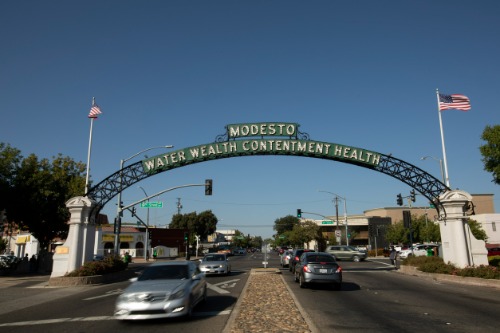
The Central Valley remains more affordable than coastal California, but interest has cooled. Extreme heat during summer months can be intense and prolonged. Air quality issues, especially during wildfire season, affect daily life. These environmental factors weigh heavily on families with children.
Economic opportunities vary widely by town. Agriculture dominates many local economies, limiting job diversity. Water availability remains a concern due to drought conditions. As a result, some Americans look to other inland regions instead.
This post 12 Parts of the Country Americans Are Avoiding Now—and Why was first published on American Charm.

