
1. Cairo, Illinois
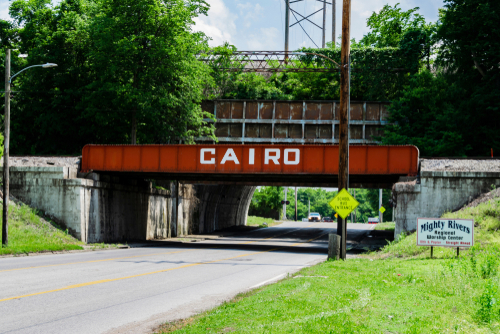
Cairo sits at the confluence of the Mississippi and Ohio Rivers, which should make it strategic, but instead it’s become isolated. Once home to more than 15,000 people, its population has fallen below 2,000 after decades of industrial decline and racial tension. Factories closed, floods kept coming, and investment quietly stopped. It’s included because it shows how geography alone can’t save a town when economic and social fractures go unaddressed.
What’s striking about Cairo is how intact yet empty it feels. You can still see grand brick buildings, churches, and civic structures waiting for people who never came back. Residents didn’t leave all at once; they trickled out as jobs, schools, and hospitals disappeared. This kind of slow abandonment is easy to ignore until almost no one is left.
2. Central Appalachia (Eastern Kentucky and Southern West Virginia)
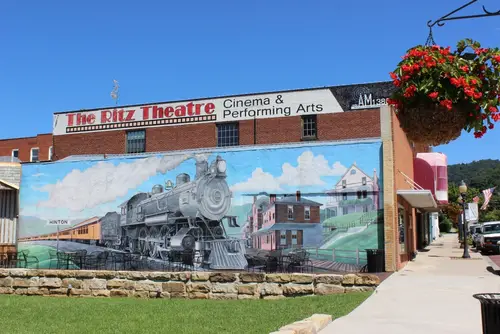
Coal once anchored life in this region, shaping towns, schools, and family identities. As mining jobs collapsed, younger residents left for work elsewhere, and many never returned. Some counties have lost more than half their population since their mid-20th-century peaks. It’s included because it shows how an entire region can hollow out when a single industry collapses.
The land didn’t fail Appalachia; the economy did. Towns still have deep community ties, but fewer people to sustain them. Schools consolidate, hospitals close, and roads deteriorate, accelerating the cycle of departure. What’s left is a patchwork of resilient people surrounded by quiet evidence of what used to be.
3. Gary, Indiana
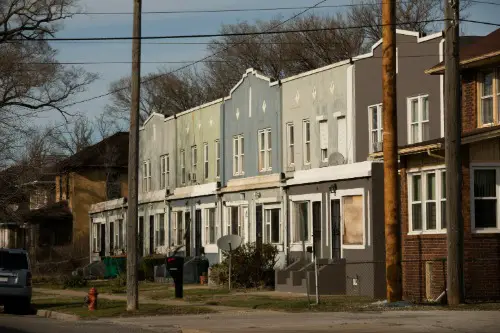
Gary was built around U.S. Steel, and for decades it thrived as a blue-collar powerhouse. When steel production declined and automation increased, jobs vanished faster than the city could adapt. The population fell from nearly 180,000 in the 1960s to under 70,000 today. It’s included because it’s a textbook example of industrial abandonment in plain sight.
Entire neighborhoods in Gary now sit largely empty, even though Chicago is just miles away. Abandoned schools, homes, and commercial corridors tell the story without needing explanation. The decline wasn’t sudden; it unfolded over generations. That slow fade makes it easier for outsiders to stop paying attention.
4. The Mississippi Delta
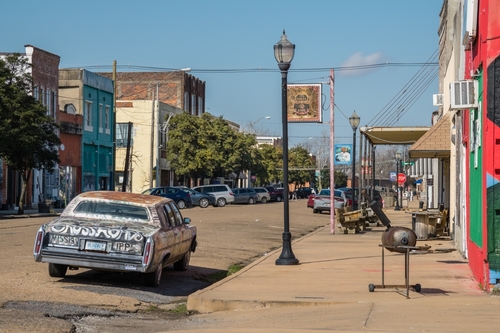
The Delta once supported dense rural populations through agriculture and river trade. Mechanized farming drastically reduced labor needs, and limited job diversity gave people few reasons to stay. Many counties have lost significant population since the 1940s, with some towns shrinking to a fraction of their former size. It’s included because it highlights how technological change can quietly empty entire landscapes.
What remains is a region rich in culture but thin on opportunity. Schools merge, grocery stores close, and medical care becomes harder to access. People don’t leave because they want to abandon home, but because staying becomes impractical. Over time, absence becomes the defining feature.
5. Youngstown, Ohio
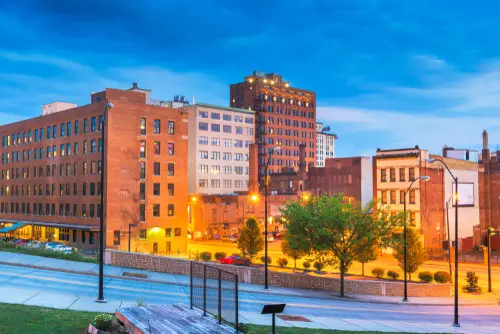
Youngstown was once synonymous with steel, prosperity, and middle-class stability. When mills shut down in the 1970s, tens of thousands of jobs disappeared almost overnight. The city lost more than 60 percent of its population over the next few decades. It’s included because it shows how quickly confidence in a place can evaporate.
The city has tried to adapt by shrinking services and repurposing land, even planning for fewer residents. That kind of planning acknowledges reality but also underscores loss. People left for work, safety, and stability. What lingers is a city learning how to exist at a smaller scale.
6. Rural Nebraska and the Great Plains
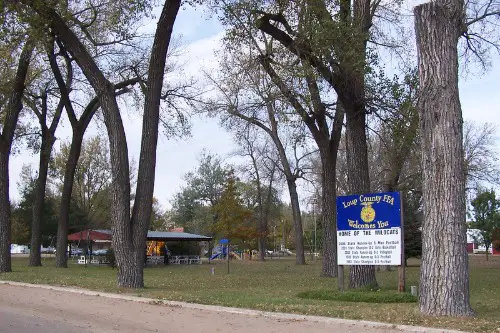
Large parts of the Great Plains have been losing population for nearly a century. Small towns fade as farms consolidate and young people leave for cities. Some counties in Nebraska now average fewer than six people per square mile. It’s included because it shows abandonment happening quietly, without crisis headlines.
These places often function with volunteer fire departments, limited healthcare, and long drives for basic needs. The land is productive, but communities are stretched thin. When a school closes, it’s often the final blow. After that, families usually follow.
7. Detroit’s Outer Neighborhoods
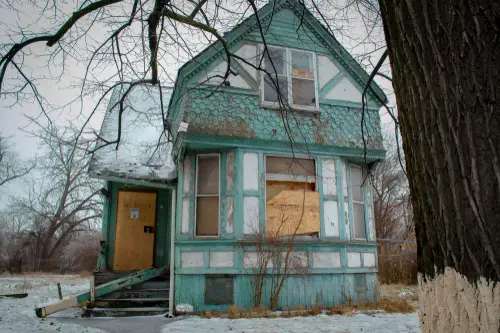
Detroit’s decline is well known, but its outer neighborhoods tell a more nuanced story. Even as downtown investment returns, many residential areas continue to lose population. Homes are demolished faster than they can be replaced, leaving block after block partially empty. It’s included because recovery can coexist with abandonment.
This uneven revival creates a city of contrasts. Some residents stay because of deep roots and affordability. Others leave because services, transportation, and safety vary widely by neighborhood. The alarm isn’t absent—it’s selective.
8. The Salton Sea Communities, California
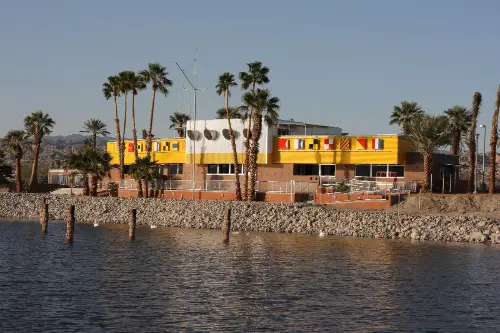
The Salton Sea was once a resort destination drawing tourists and celebrities. Environmental decline turned it into a health hazard, driving residents away. Towns like Bombay Beach and Salton City shrank dramatically as air quality worsened and jobs disappeared. It’s included because environmental neglect can make places unlivable without dramatic evacuation orders.
People didn’t flee overnight; they left as conditions deteriorated year by year. Schools closed, marinas dried up, and property values collapsed. Some residents remain out of necessity, not choice. The surrounding silence feels almost accidental, which makes it easier to overlook.
9. Pine Ridge Reservation, South Dakota
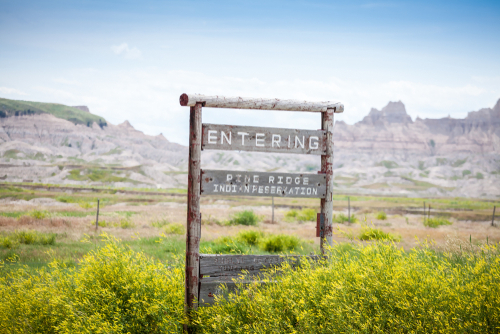
Pine Ridge has experienced long-term population stagnation and outmigration due to limited economic opportunity. Many residents leave for education or work and struggle to return. Infrastructure challenges compound the difficulty of sustaining community life. It’s included because abandonment can stem from systemic neglect rather than natural decline.
The reservation is not empty, but it is stretched thin. Essential services are underfunded, and distances between resources are vast. Leaving often feels like the only viable option. What’s alarming is how normalized this pattern has become.
10. Flint, Michigan
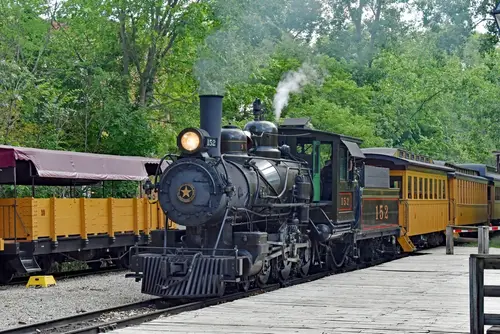
Flint’s population decline predates its water crisis, rooted in the collapse of auto manufacturing. The crisis accelerated distrust and departure, pushing more families to leave. The city has lost more than half its population since 1960. It’s included because institutional failure can speed up long-term abandonment.
Even after infrastructure fixes, confidence is slow to return. Empty homes and vacant lots remain visible reminders. People don’t just leave because of one disaster. They leave when faith in systems erodes beyond repair.
11. Alaska’s Remote Villages
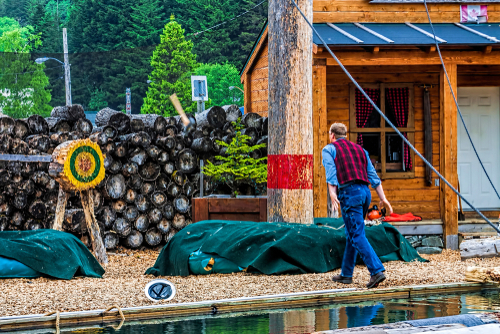
Many remote Alaskan villages face high living costs, limited jobs, and outmigration. Young residents often leave for education and don’t return. Some communities shrink steadily without formally disappearing. It’s included because isolation alone can push people away over time.
Maintaining schools, healthcare, and utilities becomes harder as populations drop. The land remains culturally significant, but daily life grows more difficult. Leaving is often framed as opportunity rather than loss. That framing masks how much is being hollowed out.
12. Puerto Rico’s Interior Towns

While Puerto Rico isn’t a state, its towns are part of American life and governance. Interior municipalities have seen sustained population loss due to economic downturns and migration to the mainland. Hurricane Maria accelerated trends already in motion. It’s included because abandonment doesn’t always follow disaster—it often precedes it.
Entire neighborhoods now contain more empty houses than occupied ones. Schools consolidate, and municipal budgets shrink. People leave seeking stability, not adventure. The alarm is muted because the exits happen one family at a time.
This post Parts of America Are Disappearing—and Nobody’s Ringing the Alarm was first published on American Charm.

