
1. Analog Thermostats with Physical Dials
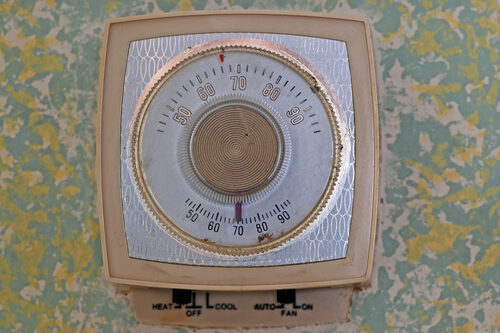
Many houses still use circular thermostats you adjust by turning a dial. There’s no touchscreen, no scheduling algorithm, and no remote control. You stand there and choose a temperature manually. Changes happen gradually, not instantly.
These devices reflect a time when home comfort wasn’t automated. Energy use depended on attentiveness rather than programming. You learned to anticipate weather and adjust accordingly. The interface itself encourages a slower, more hands-on routine.
2. Handwritten Store Hours Painted on Glass Doors
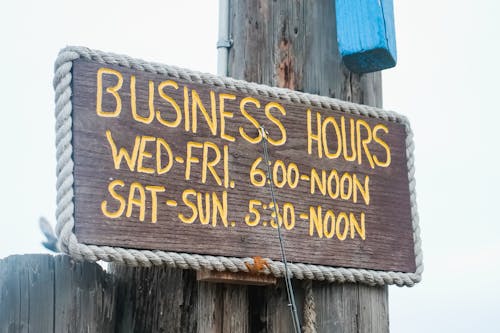
Look closely at older storefronts and you’ll still find business hours painted directly onto the glass. The lettering is often done by hand, sometimes with decorative flourishes and uneven spacing. That detail comes from a time when signs weren’t printed overnight or swapped out seasonally. Updating them took effort, so hours changed less frequently.
It’s a small reminder that commerce once moved at a steadier rhythm. Shops kept predictable schedules and customers planned around them. The permanence of paint reflected stability and routine. Even when the business changes, the ghost lettering often lingers.
3. Rotary Phones Still Mounted on Walls

Every now and then you’ll spot a rotary phone hanging in an old hallway or basement. Dialing required patience because each number had to spin back into place. There was no speed dial, no contact list, and definitely no texting. Conversations happened in real time without multitasking.
The design forced people to slow down and be deliberate. Long cords stretched across kitchens while families took turns talking. You couldn’t wander far, so calls were focused and brief. That physical tether shaped how people communicated daily.
4. Bank Buildings with Drive-Up Teller Windows

Many mid-century banks still have drive-up teller lanes with pneumatic tubes. Before ATMs became widespread in the 1980s and 90s, this was how customers handled routine transactions. You’d fill out a paper slip, send it through the tube, and wait for a teller to respond. The process felt efficient at the time but now seems almost ceremonial.
Those lanes reflect banking as a face-to-face service rather than an instant app tap. Operating hours were limited and errands required planning. Even “quick” tasks involved human interaction and short waits. The architecture preserves that slower service model.
5. Mail Slots in Front Doors

Older homes often have narrow brass mail slots built directly into the front door. Letters dropped straight onto the floor instead of into a curbside mailbox. That design made sense when daily postal delivery was central to communication. Bills, personal letters, and catalogs arrived on predictable schedules.
People checked mail as a daily ritual rather than a constant stream of alerts. The slot’s placement reflects how important written correspondence once was. It also signals denser neighborhoods where carriers walked door to door. The hardware remains even as mail volume declines.
6. Shoe Repair Shops Tucked Between Storefronts
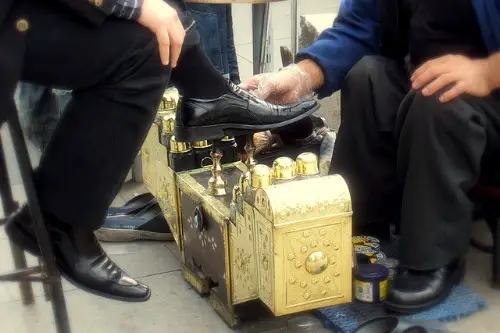
Cobblers still operate in some downtown strips, often in narrow, decades-old spaces. Their services made more sense when people repaired goods instead of replacing them. Leather soles, zippers, and stitching were maintained for longevity. The business model assumed patience and repeat visits.
Repairs take time, and customers return days later for pickup. That rhythm contrasts with modern same-day replacements and fast fashion. The presence of these shops hints at thrift and durability. They’re quiet holdovers from a mend-it culture.
7. Public Library Date Stamps Inside Book Covers

Open an older library book and you might find a stamped card listing past due dates. Each checkout left a physical mark showing when the book traveled through the community. The process was manual and visible to every reader. Borrowing had a tactile paper trail.
Return schedules revolved around calendar days rather than auto-renew links. Librarians handled circulation by hand at front desks. Waiting lists built anticipation for popular titles. The stamps preserve a slower information-sharing system.
8. Mechanical Parking Meters That Still Take Coins
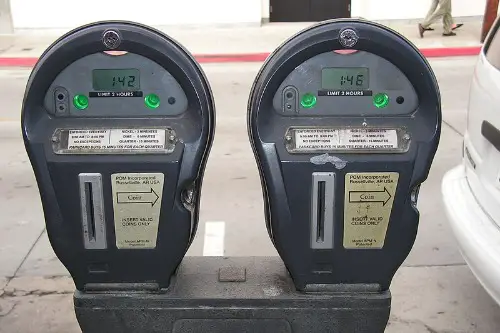
Some streets still use single-space meters with crank handles or coin slots. You feed in change and watch the timer tick down behind glass. There’s no app extension or digital reminder. When time runs out, it’s obvious.
Drivers once carried coins specifically for parking. Estimating errands meant guessing how long you’d be away. The ritual built small pauses into city life. These meters reflect analog timekeeping in public spaces.
9. Town Clocks Mounted on Courthouses
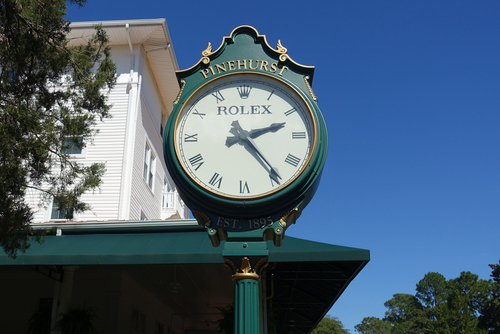
Courthouse clock towers remain central landmarks in many small towns. Before personal devices, they helped residents coordinate daily schedules. Work hours, school bells, and train arrivals aligned with those chimes. Timekeeping was communal and visible.
People glanced upward instead of down at a screen. The clock’s presence reinforced a shared civic rhythm. Maintenance required manual winding and care. The towers symbolize synchronized public time.
10. Paper Route Collection Boxes on Front Porches
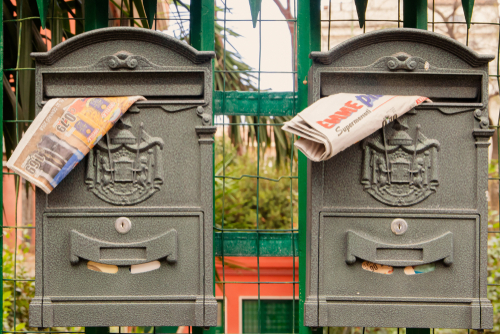
Some older neighborhoods still have small wall-mounted boxes for newspaper payments. Carriers once collected cash or checks directly during weekly rounds. Subscriptions were hyperlocal and delivery was personal. Kids often ran routes as after-school jobs.
The system relied on trust and routine rather than automated billing. Missed payments meant face-to-face follow-ups. Morning papers marked the start of the day for many households. Those boxes are relics of slower media cycles.
11. Railroad Crossing Gates with Manual Signal Houses
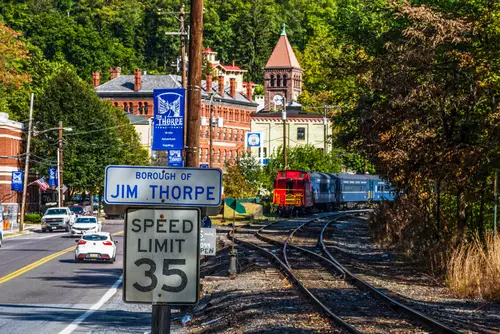
In certain towns, you can still find rail crossings operated from small trackside buildings. Operators monitored schedules and lowered gates using mechanical systems. The process depended on human timing and coordination. Trains moved on fixed routes with predictable patterns.
Travelers waited as bells rang and barriers descended. There were no real-time traffic apps suggesting alternate routes. The pause was simply part of the journey. These crossings preserve a hands-on transportation era.
This post Overlooked Details in Everyday Life That Reveal a Slower America was first published on American Charm.

