
1. New York City, New York (Abandoned Subway Stations)
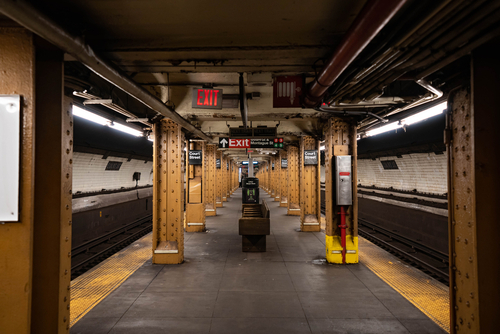
New York City’s subway system is one of the largest in the world, but not all of it is active. Beneath the busy streets are abandoned stations like the old City Hall station, closed in 1945. These spaces still feature ornate tilework, skylights, and curved platforms. They were left behind as the system expanded and modernized.
Most commuters pass above or near these spaces without realizing it. Occasionally, transit tours or special events allow limited access. The contrast between the bustling system and its forgotten sections is striking. It’s a reminder that even essential infrastructure evolves and leaves pieces behind.
2. Seattle, Washington (Underground Seattle)
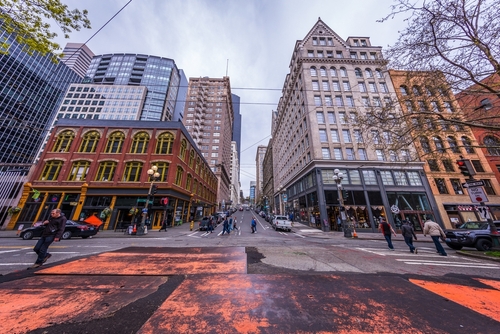
If you walk through parts of Seattle’s Pioneer Square today, you’re actually several feet above the original street level. After the Great Seattle Fire of 1889, the city rebuilt on top of the old foundations rather than clearing everything away. That left behind a network of buried sidewalks, storefronts, and passageways. What looks like an ordinary neighborhood has an entire earlier version of itself hidden below.
The underground spaces were briefly used before being abandoned due to sanitation and safety concerns. Today, guided tours take visitors through these dimly lit remnants of the 19th-century city. You can still see old signage and architectural details frozen in time. It’s a literal layer of history sitting just beneath your feet.
3. Louisville, Kentucky (Mega Cavern)
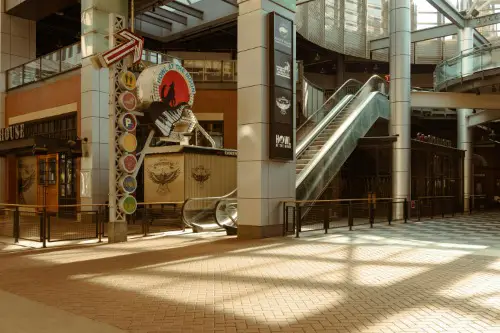
Louisville looks like a typical mid-sized American city, but beneath it lies a massive man-made cavern. The Louisville Mega Cavern is a former limestone mine that stretches under parts of the city. It was created through decades of mining operations in the 20th century. Today, it’s repurposed for storage, tours, and even underground zip-lining.
The scale is what makes it surprising, with miles of tunnels and huge open chambers. Businesses use parts of it for climate-controlled storage because temperatures stay stable year-round. There’s even an underground bike park and seasonal attractions. It’s easy to forget something that large is sitting quietly below the surface.
4. Kansas City, Missouri (SubTropolis)
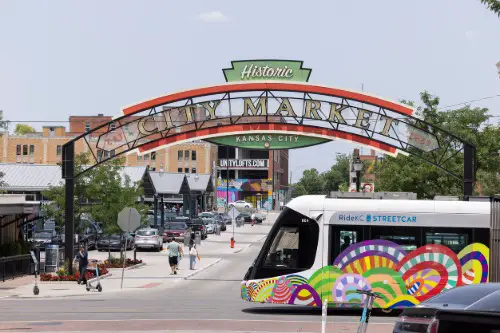
Kansas City sits atop a vast network of underground limestone caves. These spaces were created by mining operations and later converted into SubTropolis, a massive underground business complex. Warehouses, offices, and storage facilities operate beneath the surface. The constant temperature makes it ideal for certain industries.
Trucks drive in and out through tunnel entrances that look almost ordinary from the outside. Inside, it functions like a hidden industrial park. Many locals don’t realize how extensive it is. It’s a full-scale business ecosystem tucked underground.
5. Chicago, Illinois (Pedway System)
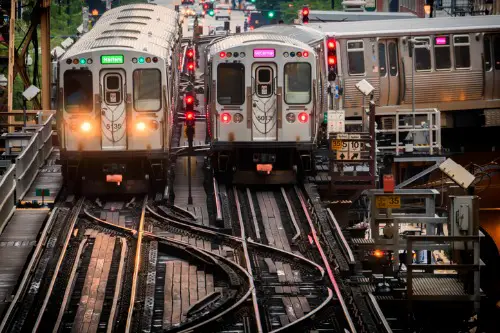
Chicago’s downtown looks like a typical urban grid, but beneath it runs the Pedway. This network of underground tunnels and corridors connects buildings, train stations, and shopping areas. It was developed to help people navigate harsh winter weather. Some sections feel like hidden hallways linking the city together.
The system includes shops, food courts, and access points to transit. Many entrances are easy to miss if you don’t know where to look. Regular commuters use it daily, while visitors often never notice it exists. It’s a quieter, parallel version of downtown life.
6. Portland, Oregon (Shanghai Tunnels)
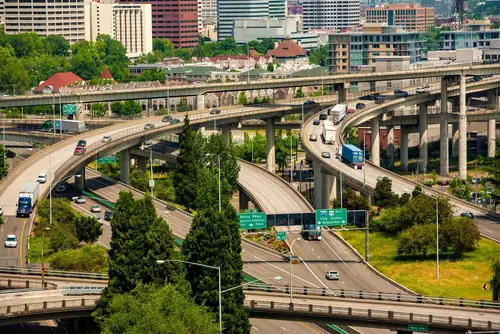
Portland’s Old Town area has long been associated with a network of underground passages known as the Shanghai Tunnels. These spaces connect basements of historic buildings to the waterfront. Stories claim they were used for illegal activities, including forced labor and smuggling. While some details are debated, the tunnels themselves are real.
Today, portions can be visited through guided tours. They reveal brick-lined corridors and hidden access points beneath ordinary streets. The mix of documented history and local legend adds to their intrigue. It’s a reminder that everyday places can have complicated pasts below them.
7. Los Angeles, California (Underground Tunnels)
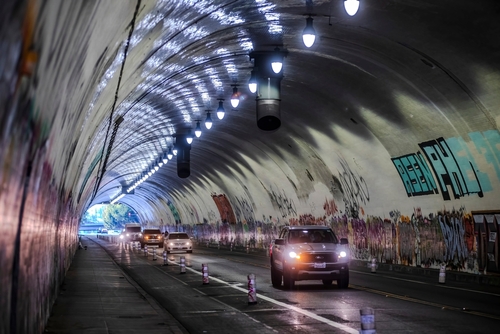
Los Angeles has a lesser-known network of underground tunnels beneath parts of downtown. In the early 20th century, they were used for moving goods, accessing speakeasies, and connecting buildings. During Prohibition, some tunnels reportedly helped conceal illegal alcohol transport. Over time, many were sealed or fell out of use.
Some sections still exist beneath sidewalks and historic structures. Access is limited, but documentation confirms their presence. Most people walking above have no idea what’s below. It adds another layer to a city already full of hidden history.
8. Butte, Montana (Underground Mining Network)
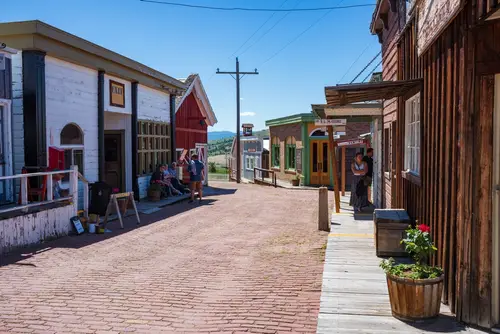
Butte was once one of the world’s most important mining cities. Beneath it lies an extensive network of tunnels created during decades of copper extraction. These mines stretched deep underground and across large areas of the city. Entire systems of shafts and passages remain below.
While many are now closed for safety, their scale is well documented. The mining legacy shaped everything about the city’s growth. Some tours and museums interpret this underground world. It’s a hidden industrial landscape beneath a quiet modern town.
9. Washington, D.C. (Capitol Subway System)

Washington, D.C. looks orderly and above-ground focused, but it has a small underground transit system just for lawmakers. The Capitol Subway System connects buildings like the U.S. Capitol and congressional offices. It was built to move officials quickly and securely between locations. The trains run on short routes beneath the surface.
Most visitors never see it, even when touring the Capitol complex. It operates quietly as part of daily government function. The existence of a hidden transit network adds an unexpected layer to a familiar setting. It’s practical, but also a bit surreal.
10. Las Vegas, Nevada (Flood Tunnels)
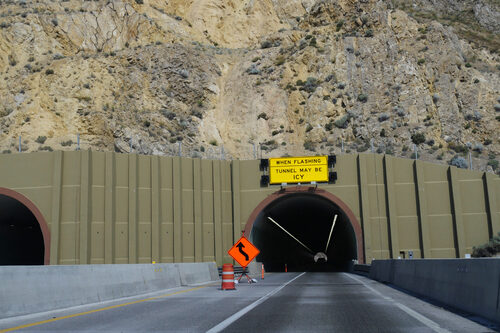
Las Vegas sits in a desert, but flash flooding is a serious concern. To manage stormwater, the city built a network of flood control tunnels beneath the streets. These tunnels channel water away during heavy rains. They are extensive and largely out of sight.
In dry conditions, some of these tunnels have been used as informal shelter. Their existence highlights an unseen side of city infrastructure. Most tourists walking the Strip have no idea what runs below them. It’s a hidden system designed for a very specific purpose.
11. San Francisco, California (Buried Ships)
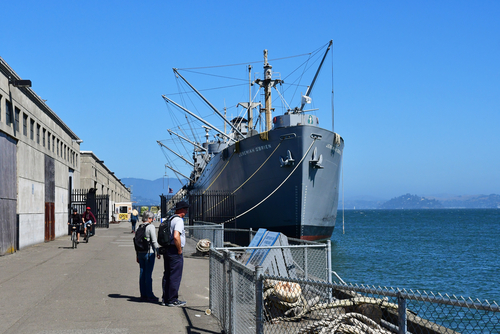
San Francisco’s waterfront hides a surprising secret from the Gold Rush era. In the 1800s, abandoned ships were sometimes repurposed as buildings or filled in as land was expanded. As the shoreline was pushed outward, these vessels ended up buried beneath the city. Some remain preserved underground.
Construction projects have uncovered ship hulls and remnants over time. The idea that full-sized ships sit beneath modern streets is striking. It reflects how quickly the city expanded during its boom years. Ordinary blocks can sit on top of maritime history.
12. Ellensburg, Washington (Underground Ellensburg)
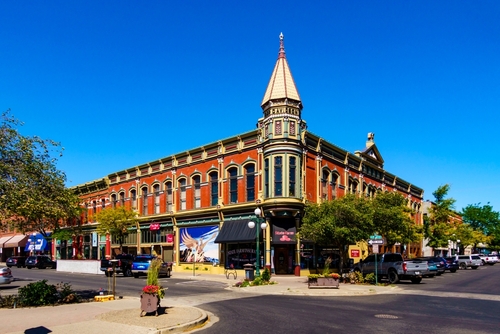
Ellensburg has its own version of an underground city, created after a major fire in 1889. Like Seattle, parts of the original town were left below as rebuilding happened above. Storefronts, sidewalks, and corridors remain beneath the current streets. It’s a smaller-scale but well-documented example.
Guided tours allow visitors to explore these preserved spaces. You can see how businesses once operated at the original ground level. The contrast between past and present is easy to visualize. It’s a hidden layer beneath an otherwise quiet town.
13. Philadelphia, Pennsylvania (Hidden Transit and Utility Tunnels)
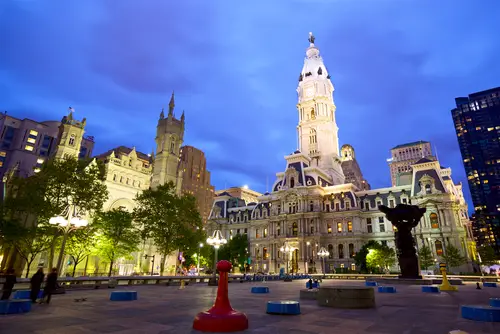
Philadelphia has a long history of underground infrastructure beneath its historic streets. Beyond its active transit lines, there are older, lesser-known tunnels and utility corridors. Some date back to early subway expansions and infrastructure projects. Others were used for freight movement and services.
Many of these spaces are no longer in public use. Their existence is documented through city planning records and transit history. Most residents go about their day without thinking about them. It’s another example of how layered American cities can be beneath the surface.
This post Ordinary Places Across America That Hold Unexpected Secrets Beneath Them was first published on American Charm.

