1. Memorizing Phone Numbers

Before smartphones stored contacts automatically, remembering phone numbers was simply part of daily life. Kids learned their home number first, then close relatives and friends through repetition. Making calls on landlines and payphones required dialing from memory. Forgetting a number could mean not reaching someone at all.
This habit faded as mobile phones automated contact lists. Voice dialing and messaging apps removed the need to recall digits. Even frequently used numbers now live in devices rather than memory. As a result, memorization skills that once felt automatic are much less practiced.
2. Writing in Cursive by Hand
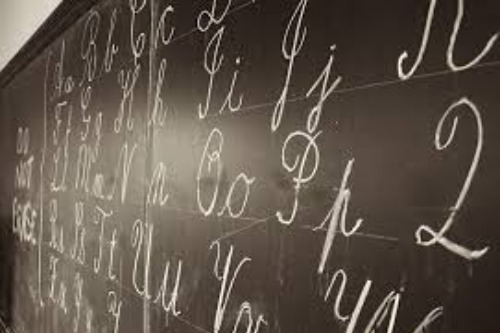
For much of the 19th and 20th centuries, cursive handwriting was a standard part of elementary education in the United States. Students practiced connected letterforms daily because most adult writing was done by hand. Reading historical documents, personal letters, and even classroom worksheets required fluency in script. Signatures on legal and financial documents also depended on it.
Over the past few decades, many school districts reduced or removed cursive instruction to make room for keyboarding and testing priorities. As computers became central to schoolwork, longhand writing lost classroom time. Some states have since reintroduced it, but instruction is far less universal than it once was. Many younger adults now print exclusively and struggle to read older cursive writing.
3. Reading a Paper Map

Navigating used to involve unfolding a paper map and figuring out routes visually. Kids absorbed direction skills by watching adults plan trips and follow highway signs. Understanding map legends, scale, and grid systems came through real use. Getting lost often turned into a practical geography lesson.
GPS navigation and smartphone maps changed that routine. Turn-by-turn directions now replace route planning. Many young drivers reach adulthood without using a physical map. Spatial reasoning still matters, but it’s learned differently.
4. Using a Card Catalog in a Library
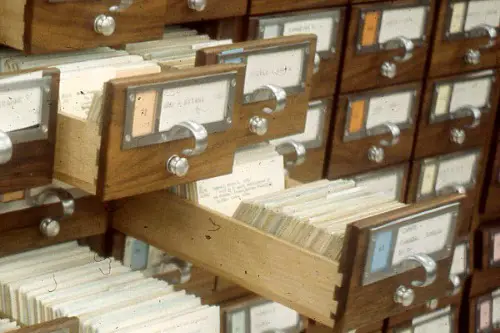
Before digital databases, libraries organized books through physical card catalogs. Students flipped through drawers of index cards sorted by author, title, and subject. That system reinforced alphabetical order and classification skills. Research required patience and methodical searching.
Online catalogs replaced most physical systems by the early 2000s. Keyword searches became faster and more flexible. Many libraries removed their cabinets entirely to save space. Younger students may never encounter the original system.
5. Typing on a Typewriter
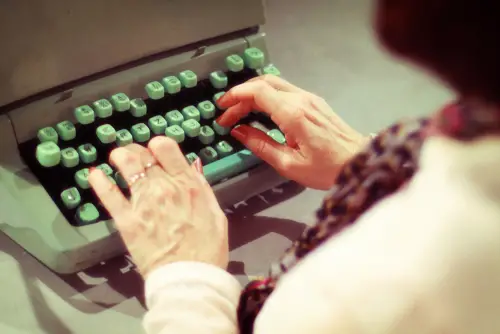
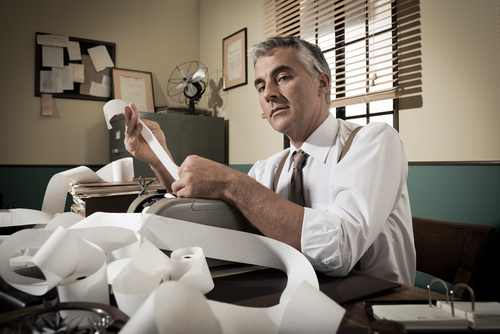
Typing classes once used mechanical or electric typewriters as standard equipment. Students learned proper finger placement and practiced without digital correction tools. Mistakes required correction fluid or retyping entire pages. The process built accuracy and discipline.
Personal computers replaced typewriters in schools during the late 20th century. Word processors made editing faster and cleaner. Typewriters became specialty or vintage tools rather than classroom basics. Formal instruction on them largely disappeared.
6. Basic Home Economics
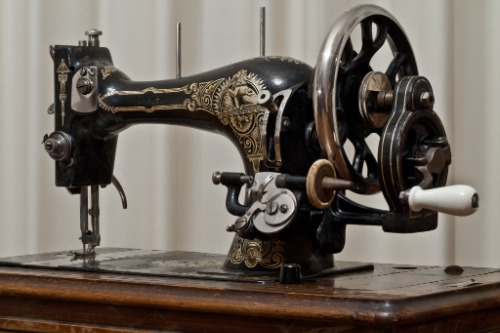
Home economics courses taught cooking, sewing, budgeting, and household management. Students practiced measuring ingredients and planning balanced meals. Sewing units covered mending clothes and using a machine safely. Financial lessons introduced budgeting and comparison shopping.
Many districts phased out or renamed these programs in the late 20th century. Academic testing requirements reduced elective space. Some skills moved into family life or online tutorials instead of classrooms. Formal instruction became less consistent nationwide.
7. Woodshop and Metal Shop Basics

Shop classes once introduced students to tools, materials, and workshop safety. Woodworking projects taught measurement, planning, and precision. Metal shop units covered fabrication and machine operation fundamentals. These courses connected academics to hands-on problem solving.
Liability concerns and budget cuts reduced many programs. Equipment costs and safety regulations made them harder to maintain. Some schools still offer career and technical education, but access varies widely. Fewer students now gain early exposure to tool use.
8. Mental Math for Everyday Transactions
Cash purchases once required quick arithmetic at stores and restaurants. Kids learned to count change and estimate totals without devices. Handling allowance and small purchases reinforced those habits. Accuracy mattered in real time.
Digital registers and card payments automated most calculations. Smartphone calculators are always available as backup. Mental math still matters academically but appears less in daily routines. Everyday practice opportunities are simply rarer.
9. Telling Time on an Analog Clock

Analog clocks were once the standard in classrooms, homes, and public spaces. Learning to read hour and minute hands was an early elementary milestone. Students practiced elapsed time using circular clock faces. The visual format built intuitive time awareness.
Digital clocks gradually became more common in daily life. Phones, appliances, and computers display time numerically. Some teachers report students needing extra help with analog reading. A once-basic visual skill now requires more deliberate instruction.
10. Writing Letters by Mail

Personal communication once relied heavily on handwritten or typed letters. Kids learned proper letter format, addressing envelopes, and postage use. Pen pals and family correspondence made writing feel purposeful. Waiting for replies taught patience and planning.
Email and messaging replaced most personal mail. Physical letters are now reserved for formal or special occasions. Fewer children practice extended handwritten communication. The skill still exists but is used far less often.
11. Using a Standalone Camera
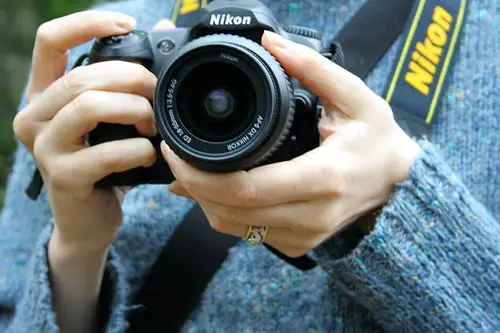
Photography once required separate cameras and physical film. Kids learned how to load film rolls and limit shots carefully. Developing photos meant waiting days to see results. Each picture felt more deliberate.
Smartphone cameras replaced most everyday photography needs. Instant previews removed the uncertainty of film. Dedicated cameras remain common for professionals and hobbyists. Casual users rarely learn the older process.
This post Once-Common Skills Kids Learned Growing Up That Are Rarely Taught Now was first published on American Charm.