
1. Read Product Manuals Cover to Cover
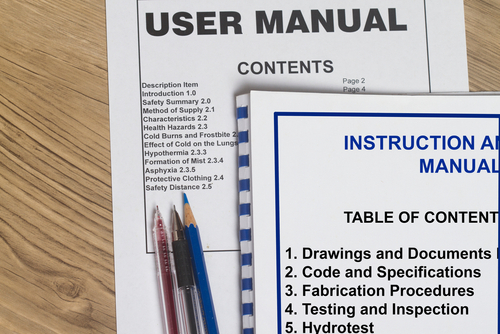
When you bought a device, the instruction manual was essential reading. Setup steps, troubleshooting tips, and feature explanations were all in print. People kept manuals in drawers for future reference. Learning meant flipping through pages.
Today, tutorials and FAQs are searchable online. Videos demonstrate steps more clearly than diagrams. Younger users tend to look up specific questions instead of reading full guides. Instant search changed how people learn new tools.
2. Balance a Checkbook by Hand

For decades, balancing a checkbook was basic financial housekeeping. People recorded every purchase, deposit, and check in a paper register to avoid overdrawing their accounts. Bank statements arrived by mail, so reconciling numbers manually was the only way to track spending in real time. It was routine, not a special skill.
Now, banking apps update transactions instantly and do the math automatically. Automatic payments and digital statements replaced ledger books for most households. Many younger adults have never written a check, let alone reconciled one. The habit faded because technology removed the need for it.
3. Show Up Without Calling First

Dropping by someone’s home unannounced used to be normal social behavior. Friends and neighbors often stopped in to chat because there wasn’t an easy way to coordinate plans on the fly. Landlines were shared, and people weren’t always reachable. Spontaneous visits were part of everyday community life.
Today, texting first is considered basic courtesy. Smartphones make constant communication possible, so showing up unexpectedly can feel intrusive. Younger people tend to schedule social time instead of improvising it. The norm changed because communication became instant and personal space expectations shifted.
4. Use Paper Maps for Navigation

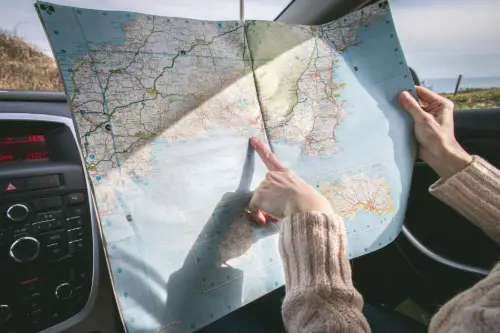
Road trips once meant unfolding a giant paper map across the dashboard. Drivers planned routes in advance and passengers helped track highways and exits. If you got lost, you pulled over to recheck the map or asked a local for directions. Navigation required preparation and teamwork.
GPS apps now provide turn-by-turn directions with live traffic updates. Phones recalculate routes automatically when you miss a turn. Many younger drivers have never needed to interpret map grids or legends. The skill declined because digital navigation is faster and easier.
5. Memorize Directions Step by Step
Before digital navigation, people wrote or memorized directions in sequence. You’d hear instructions like “left at the gas station, right after the bridge, third house on the corner.” Missing a turn meant retracing your path or finding a payphone. Paying attention was essential.
Now, navigation apps speak directions aloud and adjust in real time. Drivers no longer need to visualize routes or remember landmarks. Younger generations rely on live guidance instead of mental mapping. The convenience of automation made memorization unnecessary.
6. Watch TV on a Fixed Schedule

Television once ran entirely on network schedules. If you missed your favorite show’s time slot, you missed the episode. Families planned evenings around broadcasts and season premieres. “Appointment viewing” was part of home life.
Streaming services changed everything by offering on-demand access. Entire seasons can be watched anytime without waiting a week. Younger viewers expect flexibility and control over when they watch. Fixed schedules faded because media became instantly accessible.
7. Develop Film and Wait for Photos
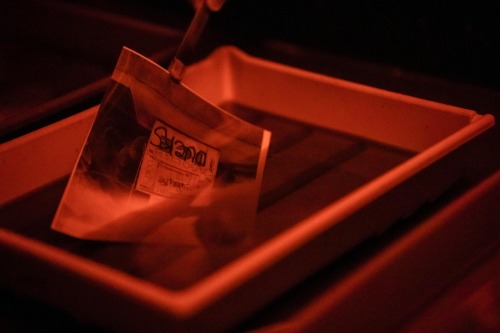
Taking photos used to involve film rolls with a limited number of shots. People waited days to get prints developed and had no preview of results. Mistakes weren’t obvious until the photos came back. Every picture felt deliberate.
Smartphone cameras now offer unlimited photos and instant review. Editing tools and cloud storage make sharing immediate. Younger people rarely experience delayed gratification in photography. The process changed because digital imaging removed physical limits.
8. Keep Physical Address Books
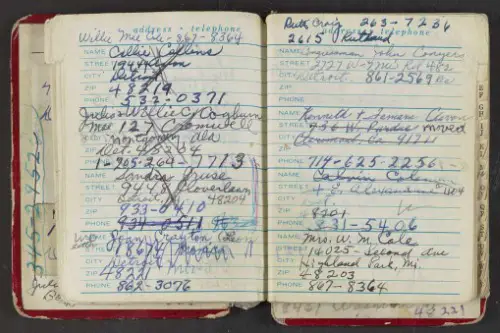
Contact information was once stored in small paper address books. People carefully wrote names, phone numbers, and mailing addresses by hand. Losing the book could mean losing years of contacts. Updating entries required crossing out and rewriting.
Digital contact lists now sync across devices automatically. Information updates in real time and rarely needs manual entry. Younger generations rely on searchable databases instead of paper records. Convenience and backup systems made physical books obsolete.
9. Pay Bills by Mailing Checks
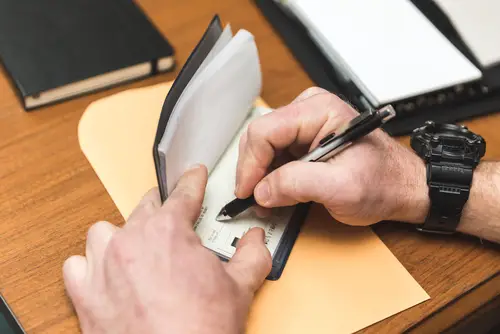
Monthly bills were paid by writing checks and mailing them in envelopes. Stamps, due dates, and postal delivery times all mattered. Many households set aside time each month just for bill paying. It was a predictable routine.
Online banking and autopay replaced most of that process. Payments now happen electronically in seconds. Younger adults often manage finances without handling paper at all. The ritual disappeared because digital systems are faster and more reliable.
10. Memorize Important Phone Numbers

If you grew up before smartphones, you probably had a handful of phone numbers permanently stored in your head. Parents, close friends, and your home landline were committed to memory because you couldn’t rely on a device. Payphones and borrowed phones made memorization practical, not impressive. Today, most people tap a name and never see the number itself.
That shift matters because dependence on contacts lists means people can feel stranded if their phone dies. Emergencies used to require recall, not battery life. Older Americans built that memory muscle without thinking about it. Younger people simply haven’t needed to.
11. Memorize Song Lyrics from Repetition
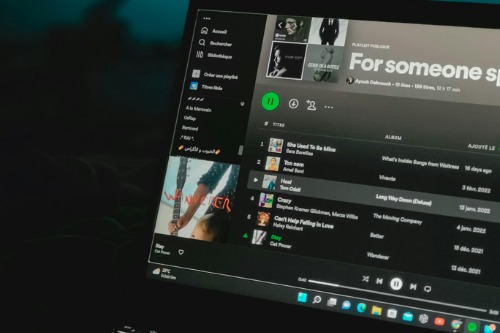
Before streaming, you heard songs on the radio or from physical albums. Replaying a favorite track meant rewinding tapes or lifting a record needle. Lyrics sank in through repetition over time. Fans often memorized entire songs without trying.
Music apps now provide instant access to millions of tracks. Listeners skip quickly between songs and genres. Lyrics are displayed on demand instead of memorized naturally. Abundance and convenience changed listening habits.
This post Older Generations Did This Automatically — Younger People Rarely Do was first published on American Charm.

