
1. Listening to the Radio Together in the Evening
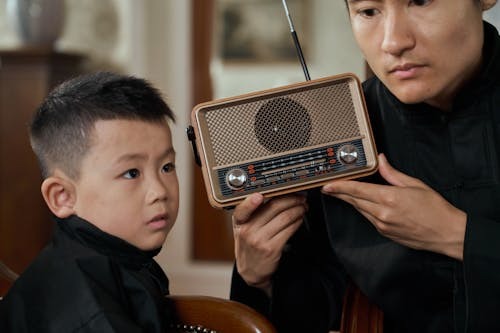
Before television became widespread, many families gathered around a living-room radio at a set hour each night. Programs ranged from national news and presidential addresses to comedies, soap operas, and serialized dramas. It wasn’t just background noise, it was scheduled entertainment everyone planned around. The shared listening created common references and conversations the next day at school or work.
Networks released programs at fixed times, so missing a broadcast usually meant waiting for a rerun or simply missing part of the story. Families learned to organize dinner, chores, and bedtime around their favorite shows. This routine made evenings feel coordinated and communal rather than scattered. The habit also reinforced radio’s role as a trusted source of information and culture.
2. Reading the Daily Newspaper at the Breakfast Table

Morning newspapers were a central ritual in many American homes for more than a century. A paper delivered to the doorstep connected households to local events, national politics, and global news. People often read sections in a predictable order, from headlines to editorials to comics. It was a quiet but shared experience that started the day with information and discussion.
Print editions arrived once per day, so the news cycle shaped when people learned about events. Families clipped coupons, saved recipes, and cut out articles to discuss later. The physical paper also encouraged slower, more deliberate reading compared to modern scrolling. This habit anchored mornings in a structured flow of information and conversation.
3. Hanging Laundry Outside on a Clothesline
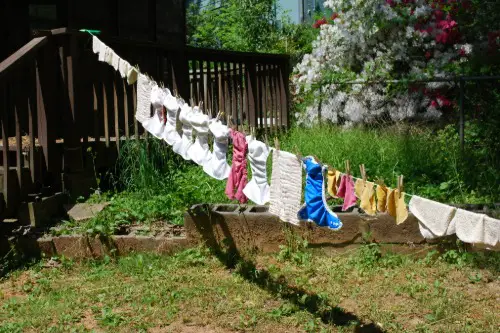
Before electric dryers became common in the mid-20th century, many households relied on outdoor clotheslines. Laundry days were planned around weather conditions, especially sun and wind. The process took time and physical effort, from carrying wet clothes to pinning each item in place. It made washing clothes a visible, neighborhood-wide routine.
Air-drying saved fuel and electricity when energy costs and access were limiting factors. Sunlight also helped naturally disinfect and brighten fabrics. Families developed weekly rhythms built around wash days and drying times. The sight of clotheslines signaled domestic activity and reinforced predictable household schedules.
4. Writing Letters by Hand for Personal Communication

Long-distance communication once depended heavily on handwritten letters. Friends and relatives maintained relationships through carefully composed notes sent by postal mail. Writing required time, stationery, stamps, and thoughtful attention to wording. The slower pace made correspondence feel intentional and meaningful.
Mail delivery schedules shaped expectations about response times. People often set aside specific moments to write and reread letters. Important family news, courtship, and holiday greetings traveled this way. The habit structured communication into deliberate, periodic exchanges rather than constant contact.
5. Polishing Shoes and Laying Out Clothes the Night Before
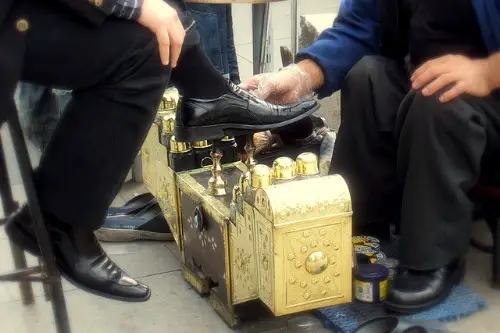
Preparing clothing in advance was a practical nightly ritual in many homes. People polished leather shoes, pressed garments, and set outfits aside before bed. This reduced morning stress and ensured a neat appearance for work or school. Presentation was widely seen as a reflection of discipline and respectability.
Without modern wrinkle-resistant fabrics and casual dress norms, clothing required more upkeep. Shoe leather dried and cracked without regular care, making polishing essential. Families built evening routines around preparation for the next day. The practice reinforced planning and punctuality in daily life.
6. Sitting Down for a Formal Family Dinner
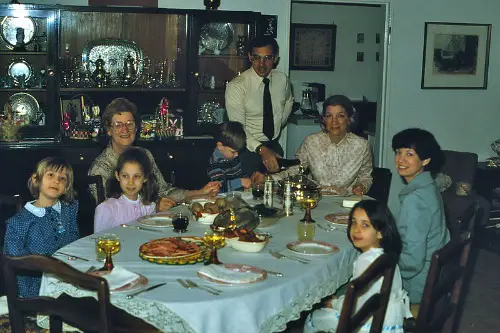
Dinner was often served at a consistent time with everyone expected at the table. Meals were home-cooked and eaten together rather than individually or on the go. Table settings, manners, and conversation followed predictable patterns. The ritual reinforced family connection and social etiquette.
Work schedules and school hours made evening meals a natural gathering point. Parents used dinner to check in on children’s activities and share household news. Regular timing helped organize cooking, chores, and bedtime routines. The structure gave the day a reliable closing anchor.
7. Calling Collect or Scheduling Phone Calls in Advance

Early telephone use was more deliberate due to cost and limited access. Long-distance calls were expensive, so people planned conversations carefully. Some used collect calls so the receiver would accept the charges. Phone time was purposeful rather than casual or constant.
Households often had a single shared phone in a central location. Family members took turns and kept calls brief out of courtesy. Important conversations were arranged ahead of time to ensure availability. This created communication windows that shaped daily schedules.
8. Keeping a Household Budget Ledger

Many families tracked expenses in handwritten ledgers or account books. Every purchase, bill payment, and income entry was recorded line by line. This created a clear picture of spending habits and financial limits. Budgeting was a hands-on, routine responsibility rather than an automated process.
Without digital banking tools, written records were essential for accuracy. Balancing the household budget often happened weekly or monthly at a set time. The ritual encouraged careful planning and delayed impulse purchases. Financial awareness became part of regular domestic management.
9. Observing Sunday as a Day of Rest and Worship
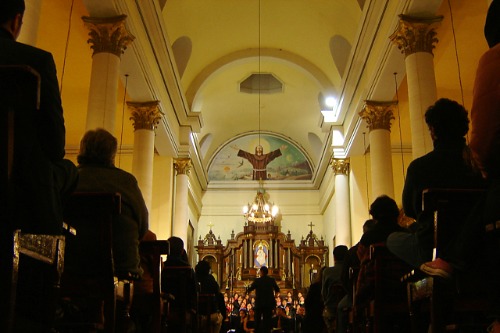
For many households, Sundays followed a distinct routine centered on rest and religious observance. Families attended church services in the morning wearing formal attire. Businesses were often closed or operated on limited hours. The day felt slower and more reflective than the rest of the week.
Religious calendars and community norms reinforced this weekly structure. Families planned meals, visits, and leisure activities around worship schedules. Children learned expectations about behavior and dress tied to the day. The rhythm gave the week a predictable pause and reset point.
10. Seasonal Home Preservation of Food

Home food preservation was common before widespread refrigeration and supermarket convenience. Families canned vegetables, fruits, and jams when produce was in season. The process involved sterilizing jars, boiling water baths, and careful storage. It required coordination, time, and shared effort.
Harvest cycles dictated when large batches of food were prepared. Preserved goods stocked pantries for winter months and lean periods. Families often spent entire days working through preservation tasks together. The seasonal rhythm shaped shopping, cooking, and long-term meal planning.
11. Personal Visits Without Prior Appointment

Dropping by a neighbor’s or relative’s home without scheduling far in advance was socially normal. Communities were more localized, and people expected informal visits. A quick stop could turn into coffee, conversation, or shared chores. Social interaction was woven naturally into daily routines.
Limited communication tools made spontaneous visits practical. Walking distance neighborhoods encouraged frequent face-to-face contact. Hosts typically kept homes “visitor ready” during daytime hours. This habit strengthened local bonds and added predictable social touchpoints to everyday life.
This post Old-Fashioned Habits That Once Structured Daily Life in American Households was first published on American Charm.

