
1. Saying “Good Morning” to Everyone
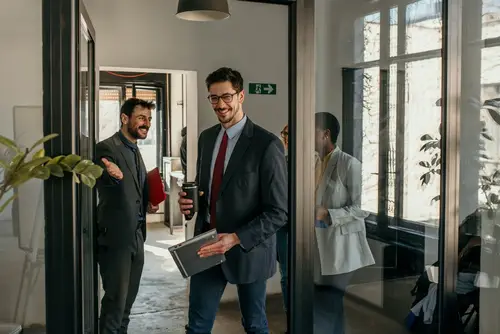
People in many American offices instinctively greet coworkers even when no one technically requires it. It’s a small social ritual that helps set a friendly tone for the day. Most people do it because ignoring someone in close proximity can feel awkward. The habit sticks simply because it smooths interactions before work even begins.
Even in workplaces where people barely know each other, the greeting still happens. It serves as an easy, low-effort way to acknowledge others without starting a whole conversation. Skipping it can feel strangely noticeable, which is why people keep doing it anyway. Over time, the greeting becomes less about politeness rules and more about preserving workplace harmony.
2. Holding the Door—Even if the Person Is Questionably Far Away
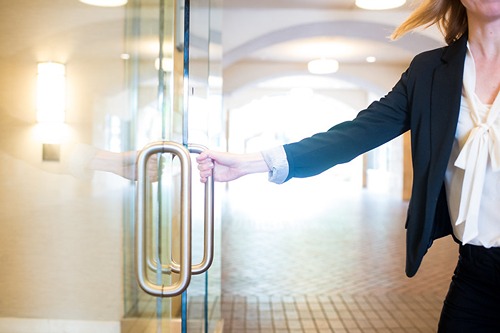
Americans often hold the door for coworkers who are technically too far to reasonably rush toward it. It’s not written in any handbook, yet many employees feel guilty letting the door close on someone approaching. The result is a slightly awkward sprint on one side and a forced smile on the other. Still, people do it because it feels rude not to.
This habit survives because offices thrive on small acts of courtesy. No one wants to be that person who let the door shut on a teammate carrying coffee. The shared inconvenience becomes a bonding moment, even if mildly uncomfortable. Over time, the gesture becomes part of the office culture.
3. Pretending to Care About Someone’s Weekend When Passing in the Hall

Asking “How was your weekend?” has become a default icebreaker. It’s often automatic, even when the person asking doesn’t have the time or energy for details. Still, the question exists to signal friendliness, not deep curiosity. The ritual helps coworkers maintain a baseline social connection.
People continue doing it because skipping casual questions can make interactions feel cold. Even brief exchanges help soften the environment, especially Monday mornings. It also provides an easy script when conversation would otherwise be awkward. Without these quick check-ins, offices can feel more transactional than human.
4. Taking Lunch Breaks That Match the Group’s Unspoken Norm

Many employees follow the office’s “usual” lunch time even though no official policy sets it. It’s easier to eat when others do, and it avoids looking like the person who abandons their desk too early or too late. Some worry that eating at an odd time may signal they’re slacking or antisocial. So they fall in line without being told.
This informal synchronization also makes planning easier. When teams break together, it helps maintain camaraderie and consistent workflow. People also feel less guilty stepping away when everyone else is doing it too. As a result, group lunch timing becomes a quiet social contract.
5. Silencing Phones Before Meetings

Most offices don’t formally enforce phone silencing, yet everyone instinctively switches to silent mode. It avoids the embarrassment of a ringtone interrupting the meeting flow. Even when meetings are relaxed, people still treat phone noise as a faux pas. The habit persists because no one wants to be the distraction.
This practice signals respect for others’ time and attention. It also helps maintain focus in environments where interruptions are already common. Even video calls get the same treatment, despite no official rule. Over time, it becomes an automatic step before sitting down.
6. Avoiding Heating Fish in the Office Microwave
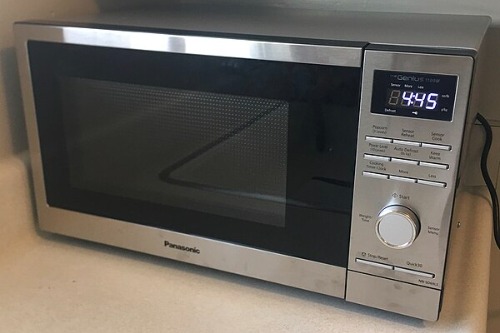
Few workplace rules mention food smells, yet reheating fish is universally discouraged. This unwritten guideline exists because the odor lingers and affects everyone. No one wants to be the coworker responsible for turning the break room into a seafood sauna. So people just don’t do it.
The rule survives because the consequences are immediate and memorable. One strong-smelling lunch can spark quiet frustration for hours. Employees learn quickly from social cues rather than formal policies. As a result, fish stays a home-only meal for most office workers.
7. Not Taking the Last Donut or Snack

When treats appear in the break room, the final piece mysteriously lingers. People hesitate to take it because they don’t want to seem greedy. Someone eventually breaks the stalemate, but not without a comment like “Well, if no one else wants it…” This hesitation becomes a predictable office ritual.
It persists because taking the last item feels symbolically selfish. Many think someone else “deserves it more,” even though that logic is entirely invented. The reluctance also keeps interactions polite and lighthearted. This tiny piece of social etiquette ends up reinforcing team-minded behavior.
8. Sending a Follow-Up Email Even After Asking in Person
Employees often ask a question verbally but still send an email to “make it official.” No rule demands this, yet people feel safer documenting requests. It prevents miscommunication and gives both sides something to reference later. The email becomes a backup, even if unnecessary.
This habit sticks because office work relies heavily on written trails. People worry that relying on memory leads to blame when something goes wrong. An email feels like insurance against confusion. Over time, it becomes the default even for simple tasks.
9. Avoiding Sitting at Someone Else’s “Usual Spot” in the Conference Room
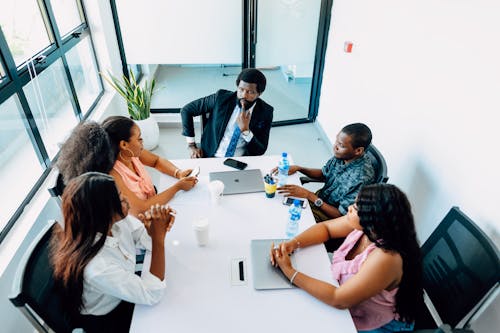
Even without assigned seating, people gravitate toward their familiar spots. Others respect those unofficial territories without ever discussing them. Sitting in someone else’s “seat” can create subtle tension. So the pattern repeats itself meeting after meeting.
The practice continues because predictable seating arrangements reduce minor friction. People settle faster and avoid awkward shuffling around the table. It also reflects subconscious preferences—like needing to face the door or sit near electrical outlets. Respecting these routines feels easier than disrupting them.
10. Whispering in Open Offices Even Though Everyone Can Still Hear
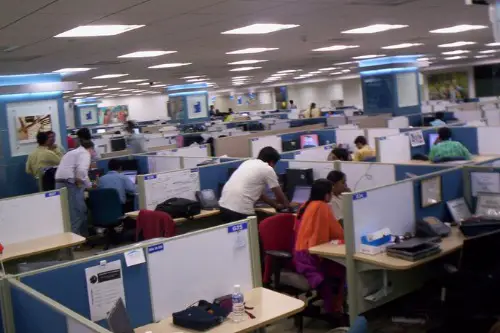
In open-plan layouts, people lower their voices out of courtesy. The irony is that whispered conversations still travel. Still, lowering the volume makes employees feel like they’re trying to be respectful. It helps maintain a sense of shared space.
This behavior sticks because noise spreads easily in open offices. When one person talks loudly, others feel the need to compensate. Whispering becomes a way to avoid being perceived as disruptive. The collective effort keeps the environment tolerable.
11. Cleaning Up After Others in the Break Room Without Complaining
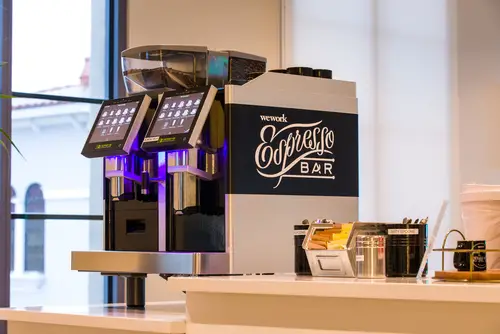
People often wipe counters or rinse dishes that aren’t theirs. No one is assigned this job, yet someone always steps in. It’s usually done quietly to keep the space usable for everyone. The act is unacknowledged but appreciated.
This routine survives because leaving a mess creates tension. Employees know the break room is a shared resource, and small cleanups prevent bigger issues. It also avoids the awkwardness of confronting coworkers directly. So the cycle of silent tidying continues.
12. Pretending to Be Busy When Someone Walks By
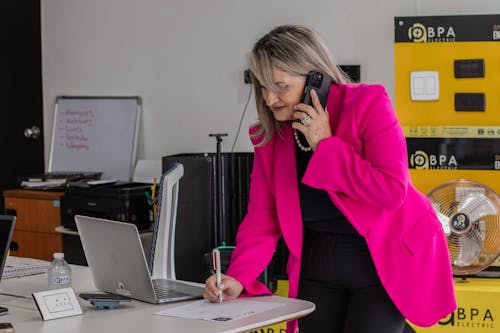
Many employees instinctively click back to work mode when someone approaches their desk. Even if they were just taking a harmless break, they act more focused. This reaction comes from wanting to avoid judgment or misunderstanding. It’s a surprisingly common workplace reflex.
The habit persists because visibility matters in office culture. People feel pressure to appear productive, even when no one is monitoring them closely. It’s a defense mechanism rooted in workplace norms rather than actual oversight. Over time, the quick “focus face” becomes second nature.
This post 12 Office Etiquette Rules Americans Follow Even Though No One Enforces Them was first published on American Charm.

