
1. In New York, Don’t Stop on the Sidewalk
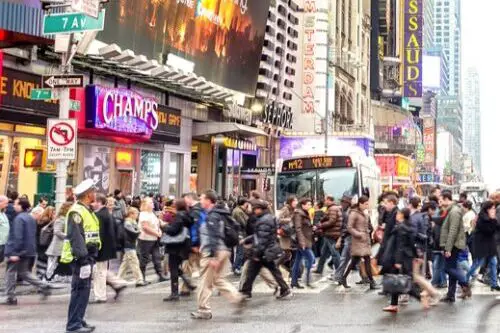
If you want to anger a New Yorker, just stop in the middle of a busy sidewalk. There’s an unspoken rule in the city: keep moving, no matter what. Tourists often pause to take photos or check maps, and instantly become roadblocks. Locals huff, weave around them, or mutter under their breath, but they’ll never forgive the offense.
This isn’t about politeness—it’s about survival in a city that moves fast. Sidewalks function like highways, and stopping is like slamming the brakes without warning. Once you learn the rhythm, it almost feels like a dance. Until then, you’ll stick out like a sore thumb.
2. Don’t Feed the Pigeons in San Francisco

In San Francisco, feeding pigeons isn’t just frowned upon—it’s illegal. The city considers them a public health issue, partly because they spread disease and damage property with droppings. You’ll even see signs in certain neighborhoods reminding residents and tourists alike not to toss crumbs. It’s one of those quirks that reflects how seriously San Francisco takes cleanliness, even if the city has bigger battles to fight.
But the ban has also shaped the culture in subtle ways. Locals tend to side-eye anyone scattering bread in Union Square, almost like it’s a betrayal of the city’s unwritten code. Visitors, meanwhile, often learn about the rule the hard way from an irritated passerby. It’s a reminder that “just being nice to the birds” can make you the bad guy.
3. In Key West, Roosters Rule the Road

Walk around Key West, Florida, and you’ll hear roosters crowing at all hours. They freely roam the streets, strutting into traffic and hopping up on cafe chairs. Locals have a kind of unspoken agreement: you don’t touch the roosters, and you definitely don’t complain about the noise. They’ve become unofficial mascots of the island.
The city even has ordinances protecting them, which means bothering one can land you in trouble. Residents have embraced the birds so much that souvenir shops sell rooster-themed everything. For newcomers, the constant crowing at 3 a.m. can be maddening, but for locals, it’s just part of life. It’s a rule that’s more cultural than legal—respect the rooster, or risk looking like an outsider.
4. No Plastic Bags in Seattle

Seattle became one of the first U.S. cities to ban plastic shopping bags back in 2012. Now, if you ask for a bag at checkout, it’ll be paper—and you’ll likely pay extra for it. It’s not just a law but a cultural expectation tied to the city’s eco-friendly reputation. Forgetting your reusable tote can feel like forgetting your wallet.
The ban has shaped the city’s daily habits. Grocery store parking lots are full of people juggling armfuls of food rather than buying another paper bag. Many locals even stash foldable totes in backpacks, purses, or car trunks just in case. It’s one of those habits outsiders quickly learn to copy.
5. Silence on the Portland Streetcar

In Portland, Oregon, there’s a kind of unwritten etiquette on public transit: keep quiet. Conversations are soft, phone calls are rare, and loud music is a huge faux pas. It’s not an official rule, but it’s a cultural one that regular riders seem to enforce with side-eyes. Compared to New York’s noisy subway, Portland feels almost eerily calm.
This expectation fits the city’s mellow, polite vibe. Newcomers quickly notice the hush and tend to adjust after a ride or two. Breaking the rule won’t get you fined, but it might earn you a dozen annoyed stares. In Portland, public transit feels like a moving library.
6. No High Heels in Carmel-by-the-Sea

The quaint California town of Carmel-by-the-Sea has an odd ordinance: wearing high heels requires a permit. The rule, which dates back to the 1960s, was meant to prevent lawsuits from people tripping on the town’s uneven sidewalks. While permits are free and easy to get, hardly anyone actually applies for them. The law still exists, more as a quirk than a strict regulation.
Despite how strange it sounds, the rule reflects Carmel’s unique character. The town values charm over practicality, and its cobblestone streets and tree roots are part of the appeal. Locals laugh about the rule, but it also serves as a subtle reminder to embrace comfort over fashion. Tourists often hear about it and think it’s a joke—until they check the town’s municipal code.
7. No Happy Hour Discounts in Massachusetts
For decades, Massachusetts has banned happy hour drink specials. The rule was passed in the 1980s after concerns about drunk driving and binge drinking. Bars and restaurants can’t legally offer reduced prices for alcohol during specific times. For locals, it’s just part of the drinking culture they’ve grown up with.
The ban has had a lasting effect on nightlife. Instead of cheap drink promotions, places often emphasize food deals or entertainment. Some residents even argue it’s made nights out more expensive. Visitors from states with thriving happy hour traditions are often shocked by the absence.
8. Don’t Mess With the Burros in Oatman, Arizona
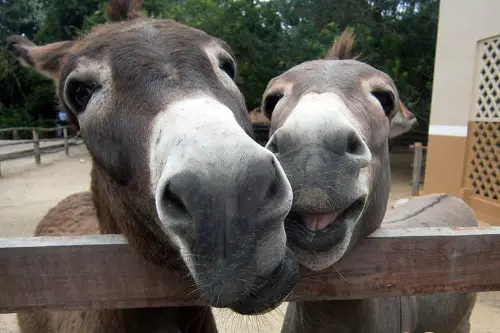
In the tiny town of Oatman, wild burros roam the streets as if they own the place. Descended from pack animals once used in mining, they’re now local celebrities. Visitors feed them carrots sold at roadside stands, but there’s an unwritten rule: you treat them with respect. They block traffic, stick their noses into shops, and wander off whenever they feel like it.
Locals have adapted by simply letting the burros set the pace of daily life. Tourists who try to honk or shoo them away quickly get scolded. The town’s whole identity now revolves around these four-legged residents. In Oatman, the donkeys really do have the right of way.
9. Don’t Touch the Troll in Seattle

Under a bridge in Seattle’s Fremont neighborhood sits the giant Fremont Troll sculpture. Clambering onto it for photos is encouraged, but there’s an unspoken rule: don’t mess with it. Vandalizing or defacing the troll is considered sacrilegious by locals. It’s more than a piece of art—it’s a neighborhood icon.
The sculpture was installed in the 1990s as part of an effort to clean up the area. Since then, it’s become a landmark, even appearing in movies. Residents feel protective of it, and anyone caught disrespecting it risks more than just dirty looks. To Fremont locals, the troll isn’t just cement—it’s community pride.
10. Don’t Call It “Frisco” in San Francisco
Nothing will out you as a tourist in San Francisco faster than calling it “Frisco.” Locals strongly dislike the nickname, preferring “SF” or “the City.” The dislike dates back decades, when columnist Herb Caen campaigned against the term. It’s become a point of pride for residents to keep the nickname off-limits.
Even though outsiders may think it sounds harmless, it’s one of those cultural rules you can’t ignore. Say it in the wrong crowd, and you’ll hear about it immediately. Many locals feel it cheapens the city’s identity. So while the Golden Gate is open to everyone, the nickname is not.
11. Don’t Swim in Boston’s Charles River
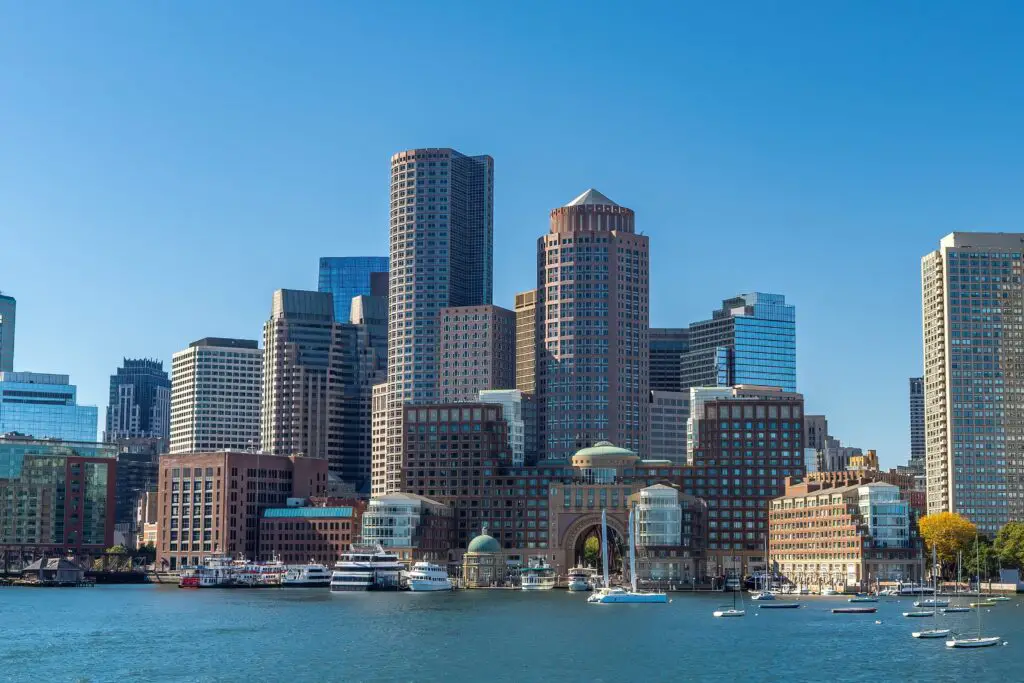
For most of modern history, swimming in Boston’s Charles River was prohibited because of pollution. Even though the water is much cleaner now, the old rule still carries weight. There are occasional sanctioned swim events, but on an everyday basis, the idea of diving in feels taboo. Locals almost instinctively avoid the river, even on hot days.
The ban became part of Boston culture, shaping how residents interact with the waterway. Jogging along it? Normal. Sailing on it? Absolutely. Swimming? Practically unthinkable. It’s one of those odd urban rules that sticks around even after the reason for it fades.
12. In New Orleans, You Can Drink on the Street—But Only in Plastic

In New Orleans’ French Quarter, it’s perfectly legal to drink alcohol outside, but there’s a catch: no glass containers. That’s why you’ll see people strolling Bourbon Street with giant plastic cups of hurricanes or daiquiris. The rule keeps the streets safer by preventing broken glass injuries during parades and festivals. It also fuels the city’s anything-goes party reputation.
The cultural impact is clear: bars even advertise “go cups” at the door. For visitors, it feels almost rebellious to walk openly with a drink. For locals, it’s just how things work. The plastic cup has become almost as iconic as the beads during Mardi Gras.
13. Don’t Joke About the Rain in Seattle
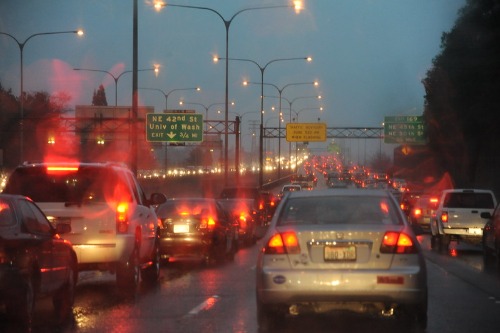
Seattleites have an unspoken rule: don’t make jokes about the rain. Everyone already knows it rains a lot, and the subject is tired. Tourists often think they’re being clever with comments about umbrellas or soggy weather, but locals usually just smile politely. The city would rather focus on its coffee, tech, and nature than its drizzle.
This rule is about identity as much as weather. Residents often point out that the rain is more of a mist, not a downpour, and that the city actually has sunnier summers than people think. To them, the clichés don’t capture what makes Seattle special. If you really want to fit in, talk about hiking trails instead.
14. No Ice Cream on Sundays in Lexington, Kentucky (At Least Once Upon a Time)
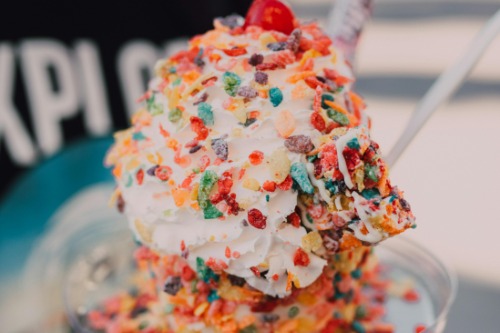
Lexington once had an old “blue law” that banned selling ice cream on Sundays. Though no longer enforced, it’s one of those quirky historical rules that shaped local culture for a while. These laws were common across the South, originally tied to religious restrictions. The ice cream rule in particular became a piece of local lore.
Today, it’s more of a fun fact than a reality. But it shows how specific and strange some city rules can get. Locals will sometimes bring it up to poke fun at their own history. It’s a reminder that even something as innocent as ice cream wasn’t always off-limits.
This post 14 Odd Rules That Only Exist in Certain U.S. Cities was first published on American Charm.

