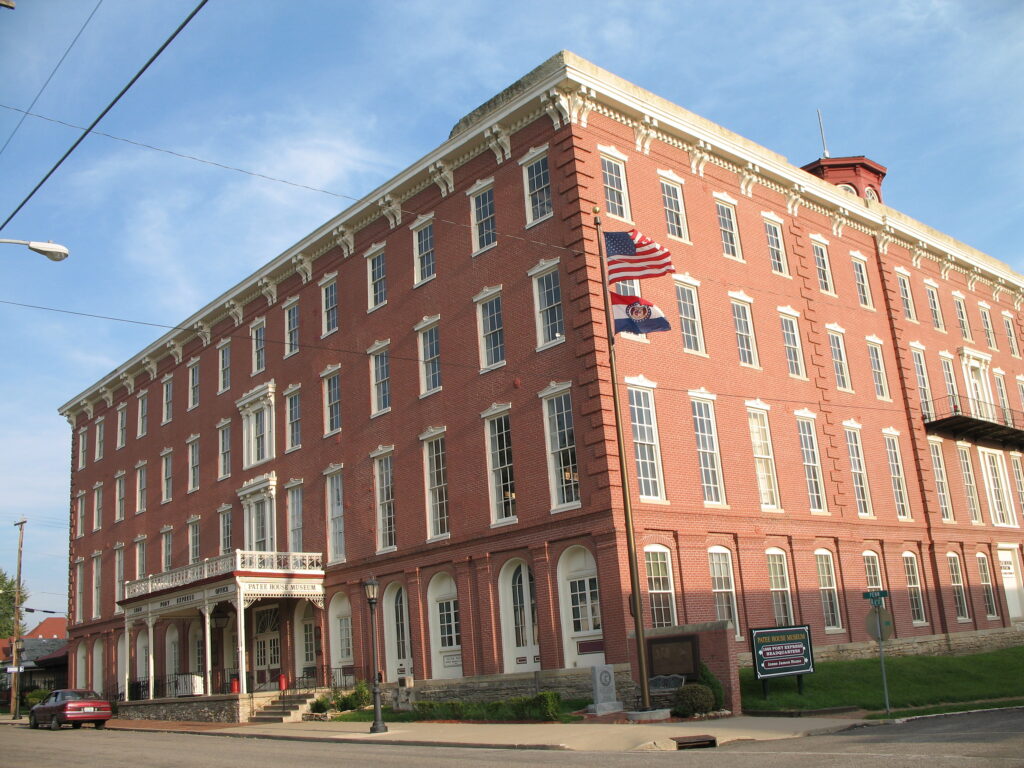
1. Typist
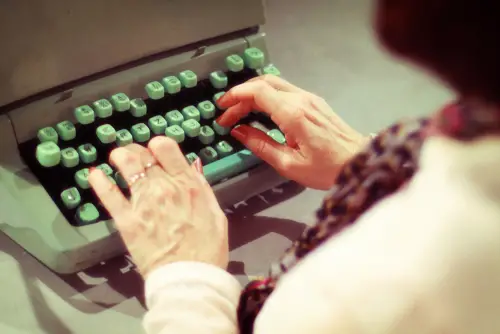
Once upon a time, being a professional typist was a respected and reliable office job. People would go to school specifically to learn touch typing and shorthand so they could land a spot in a busy corporate typing pool. But as word processors and personal computers became standard in every office, there was no longer a need for someone dedicated solely to typing. Now, everyone from interns to CEOs handles their own correspondence with a keyboard.
The decline started in the 1980s, when typewriters were replaced by desktop computers. Word processing software like WordPerfect and later Microsoft Word automated formatting, editing, and even proofreading. What was once a specialized skill became just part of everyday office literacy. The modern descendant of the typist might be a virtual assistant—but even those roles are shrinking thanks to speech-to-text tools.
2. Switchboard Operator
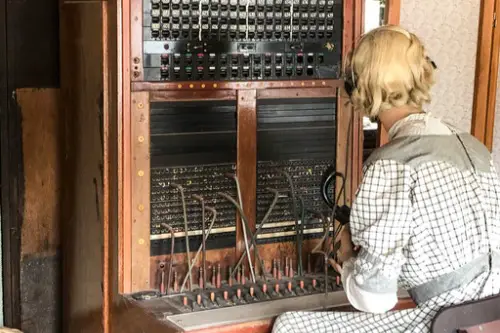
In the mid-20th century, telephone switchboard operators were the heart of communication systems. They manually connected calls by plugging cables into switchboard panels and cheerfully saying, “Connecting you now.” It was a job that required patience, quick thinking, and a friendly voice. But by the 1970s and ’80s, automated electronic switching systems made the role obsolete.
Today, calls are routed digitally in milliseconds without human intervention. Even directory assistance, once manned by human operators, is handled by AI-driven systems. This shift shows how one of the most “human” customer service jobs quietly disappeared behind the march of technology. The last human switchboards flickered out as telecoms went global and digital.
3. Travel Agent

For decades, being a travel agent was a glamorous career that offered vicarious adventure. Agents built custom itineraries, booked flights, and even helped with visas for travelers who trusted their expertise. But online booking platforms like Expedia and Booking.com put that power directly into travelers’ hands. With a few clicks, anyone can now plan a dream trip without leaving the couch.
Many agents saw their client base evaporate almost overnight in the 2000s. Today, travel agents mostly survive by catering to luxury or corporate travelers who want white-glove service. The rest of us rely on algorithms to compare prices and reviews. The excitement of sitting in a storefront travel office with a glossy brochure has been replaced by scrolling through screens.
4. Bank Teller
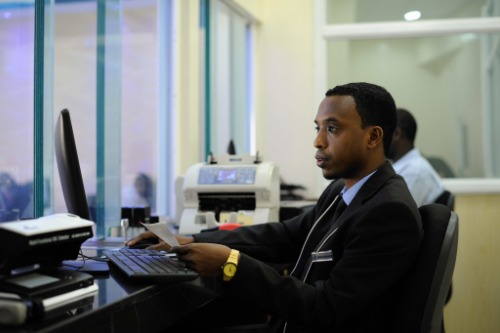
Once considered a stable, respectable job, bank tellers were trusted faces behind the counter. They counted cash, processed deposits, and offered advice with a personal touch. But the spread of ATMs in the 1980s and mobile banking apps in the 2010s made many of those duties unnecessary. Customers no longer need to visit a branch for most transactions.
Tellers haven’t disappeared completely, but their numbers have steadily declined. Banks now focus on digital services and automated kiosks, leaving human tellers to handle only complex or high-value transactions. This transformation reflects how convenience has redefined trust in banking. In many ways, the friendly neighborhood teller has been replaced by a touchscreen.
5. Film Projectionist

Being a projectionist used to be a technical craft and a bit of an art form. These professionals threaded film reels, adjusted focus, and ensured the movie ran seamlessly on the big screen. But when cinemas transitioned to digital projection in the 2000s, film reels—and the people who managed them—were suddenly outdated. A single technician could now operate multiple screens from a laptop.
This change didn’t just affect jobs—it altered the texture of cinema itself. The faint flicker and hum of film gave way to pixel-perfect precision. Projectionists once took pride in the magic of creating a shared experience in the dark. Now, the magic has been automated.
6. Toll Booth Collector
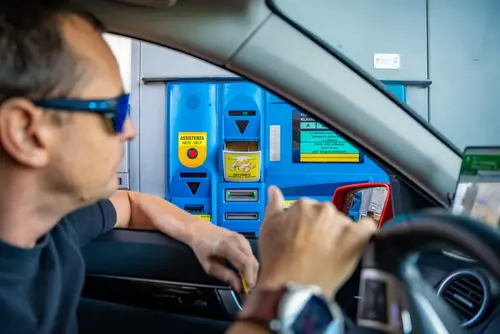
For decades, toll booth collectors were fixtures on highways, handing out change and greeting drivers. It was monotonous work, but it offered steady government employment and human interaction on the road. Electronic tolling systems like E-ZPass and RFID sensors changed that completely. Cars now zip through toll points without stopping—or even noticing the transaction.
As contactless payment became the norm, collectors disappeared almost entirely from major U.S. highways. The pandemic accelerated the final shift to all-electronic tolling. While convenient, the change removed one of the last human elements from road travel. The casual “have a nice day” from a toll booth worker is now just a memory.
7. Photo Lab Technician
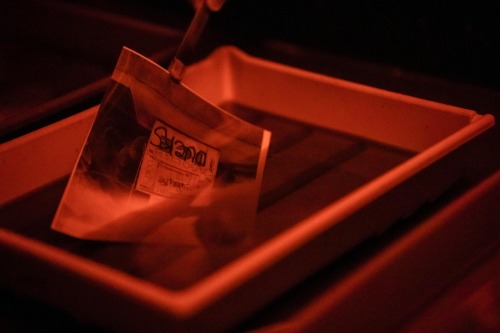
Developing film was once a thriving profession in malls and drugstores across America. Photo lab techs handled chemical processes with precision to bring snapshots to life. But the rise of digital cameras—and then smartphones—made printed photos nearly obsolete. By the late 2000s, most photo labs had shut down.
A few specialists remain for film enthusiasts, but it’s a niche trade now. Printing photos is more of a hobby than a necessity. Once, getting a roll of film developed was a ritual; now, we take thousands of pictures we never print. The instant gratification of digital killed the delayed magic of film.
8. Meter Reader

Before smart meters, utility companies employed fleets of workers to visit homes and record usage data. These meter readers were often familiar faces in local neighborhoods. But as utilities upgraded to automated smart meters, the need for manual reading vanished. Now, energy consumption data is transmitted wirelessly in real time.
It’s a perfect example of how small-scale automation quietly reshaped an entire industry. The efficiency gains were undeniable—fewer errors, lower costs, faster billing. But it also meant the end of a steady, blue-collar job that connected companies to communities. The human element of “reading the meter” has been literally removed.
9. Assembly Line Worker
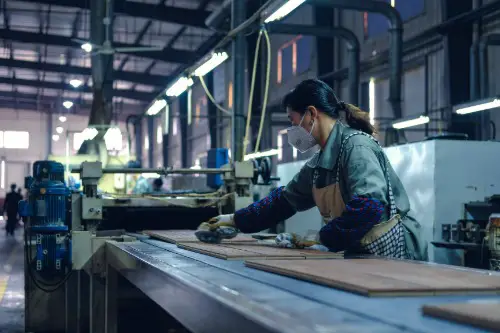
Factory work was once the backbone of the American Dream, offering stability and pride. Workers assembled cars, electronics, and appliances by hand in long, rhythmic shifts. But as industrial robots became cheaper and more precise, humans were gradually replaced. Automated arms now weld, paint, and package products faster and with fewer mistakes.
Manufacturing hasn’t disappeared—it’s just changed who’s doing the work. The new factory floor is quieter and cleaner, but emptier. Humans have shifted into maintenance or programming roles, leaving robots to handle the grind. It’s progress—but it’s also nostalgia for a more hands-on era.
10. Librarian Assistant

Librarian assistants once helped patrons locate books, manage checkouts, and catalog materials. It was a role steeped in quiet order and personal guidance. But digital catalogs, self-checkout machines, and online databases have taken over many of those functions. The “help desk” has become more of a “tech support” station.
Libraries haven’t gone away, but the jobs inside them have evolved. Assistants who once handled physical books now manage websites, e-book systems, or community programs. It’s still service work—but digital-first. The tactile experience of stamping return dates is mostly gone.
11. Data Entry Clerk
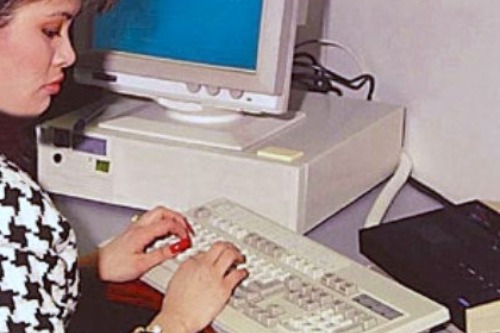
Data entry was once a massive employment category—thousands of people hired to type numbers into spreadsheets. Accuracy and speed were everything, and companies relied on human diligence. But advances in optical character recognition (OCR) and machine learning changed that landscape entirely. Software can now extract and process data far faster than any person.
The work still exists, but it’s increasingly overseen by automation engineers instead of clerks. Manual entry now happens only when systems fail or data is too messy for algorithms. What was once a full-time job is now a background process. The hum of a typing pool has been replaced by the quiet whir of servers.
12. Video Store Clerk
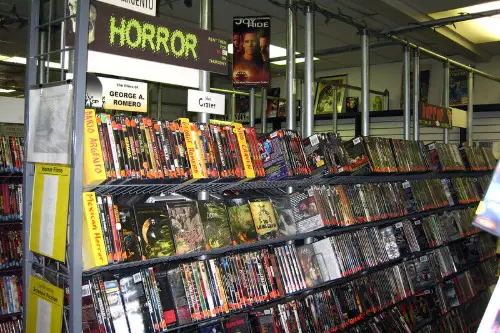
For a generation, video store clerks were cultural guides and local celebrities. They knew every movie on the shelves and could recommend the perfect Friday-night pick. But the rise of Netflix, Redbox, and eventually streaming made physical rentals irrelevant. When Blockbuster closed its last stores, the job disappeared too.
That role’s extinction symbolizes the broader shift from analog to digital entertainment. Algorithms now suggest what to watch, often with eerie accuracy. The personal touch of a movie buff behind the counter is gone. The “Be Kind, Rewind” era has been automated—and forgotten.
13. Newspaper Typesetter
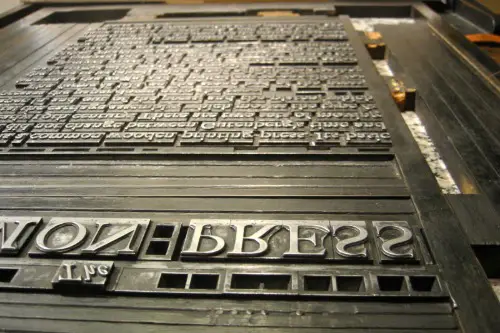
Before digital publishing, typesetters arranged every line of text by hand or machine for printing presses. It was skilled labor that combined craftsmanship with literacy. But the advent of desktop publishing in the 1980s—and later, online news—wiped out the need for this meticulous work. Computers could now handle layout and design instantly.
Typesetting was one of the first creative jobs to vanish into the digital ether. Newspapers that once employed entire composing rooms now have small digital design teams. The artistry of arranging lead type has been replaced by a click-and-drag interface. What was once ink and metal is now pixels and code.
This post 13 Occupations Americans Used to Dream About—Now Done by Robots was first published on American Charm.